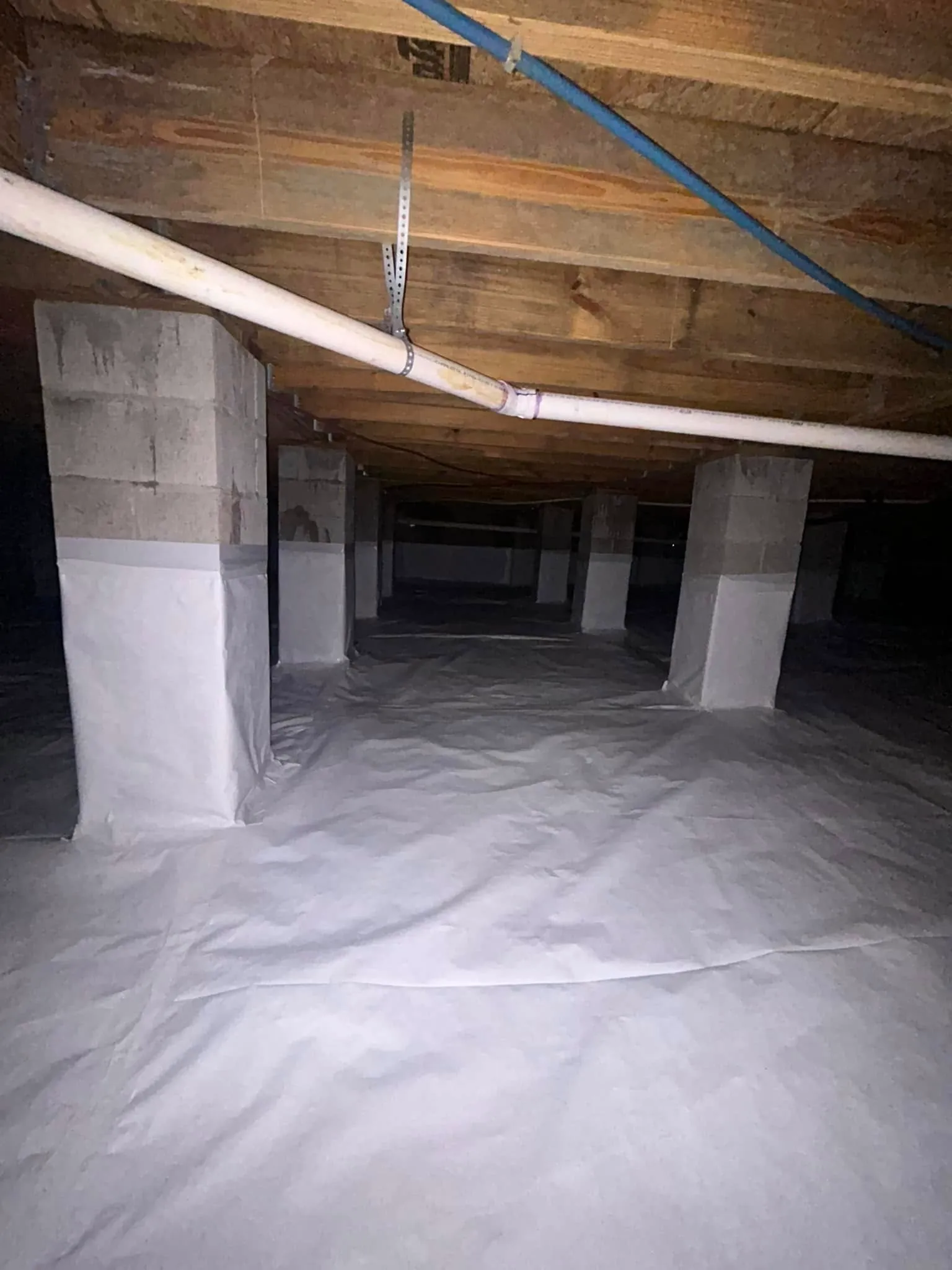
Crawl space encapsulation is a sound investment because it directly protects a home’s structural integrity, improves indoor air quality, lowers energy costs, and prevents pest infestations. By sealing the crawl space from the earth and outside air, encapsulation stops moisture, mold, and unconditioned air from entering the home. This single project addresses several common household problems at their source, turning a problematic area into a clean, dry, and efficient part of the property.
Protecting Your Home’s Structural Foundation
The biggest threat to a home’s foundation and structural supports is uncontrolled moisture. Most crawl spaces have dirt floors that constantly release water vapor into the air. This moisture gets absorbed by the wooden joists, beams, and subflooring. Over time, this exposure leads to wood rot, which weakens the entire structure of your home.
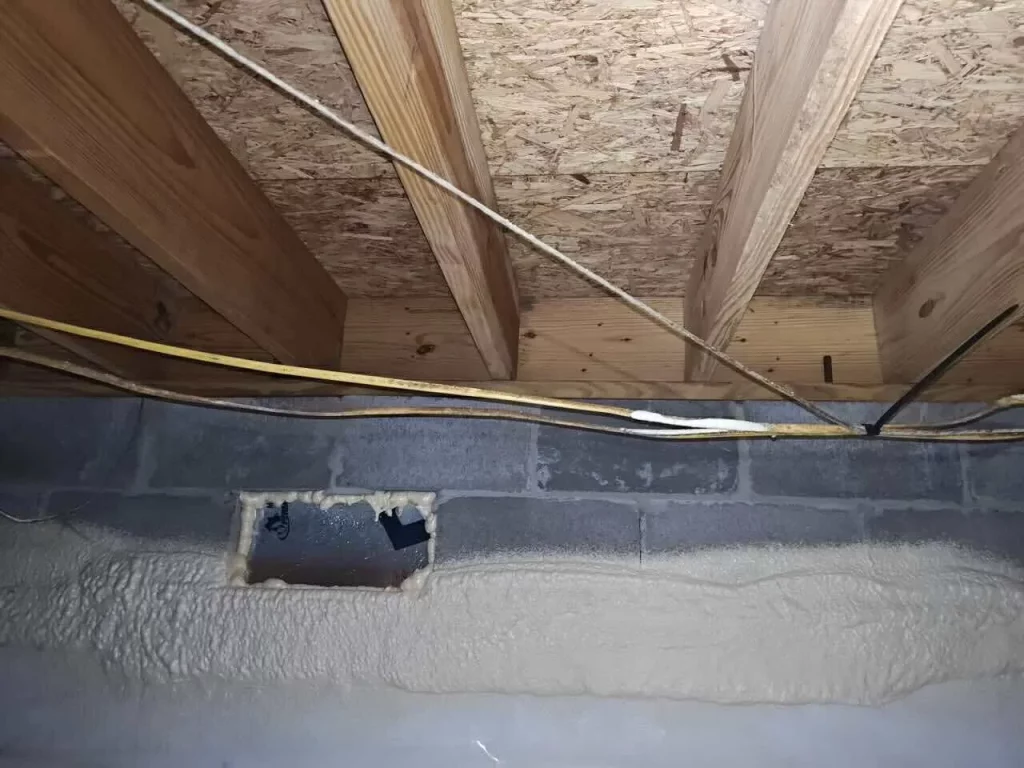
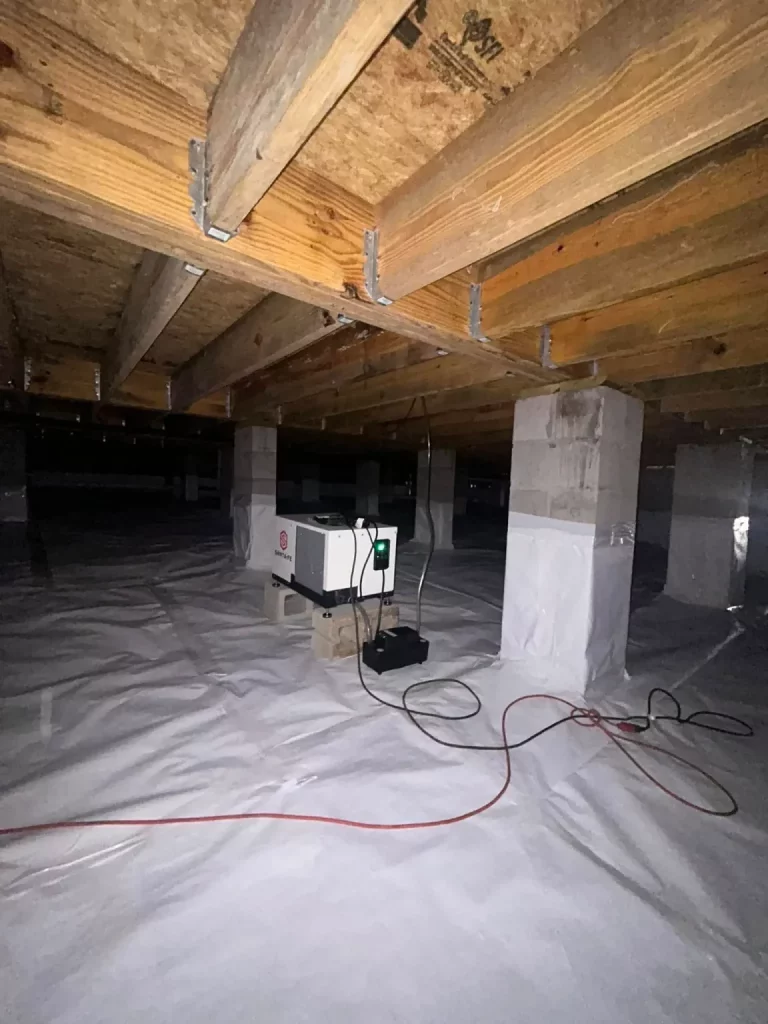
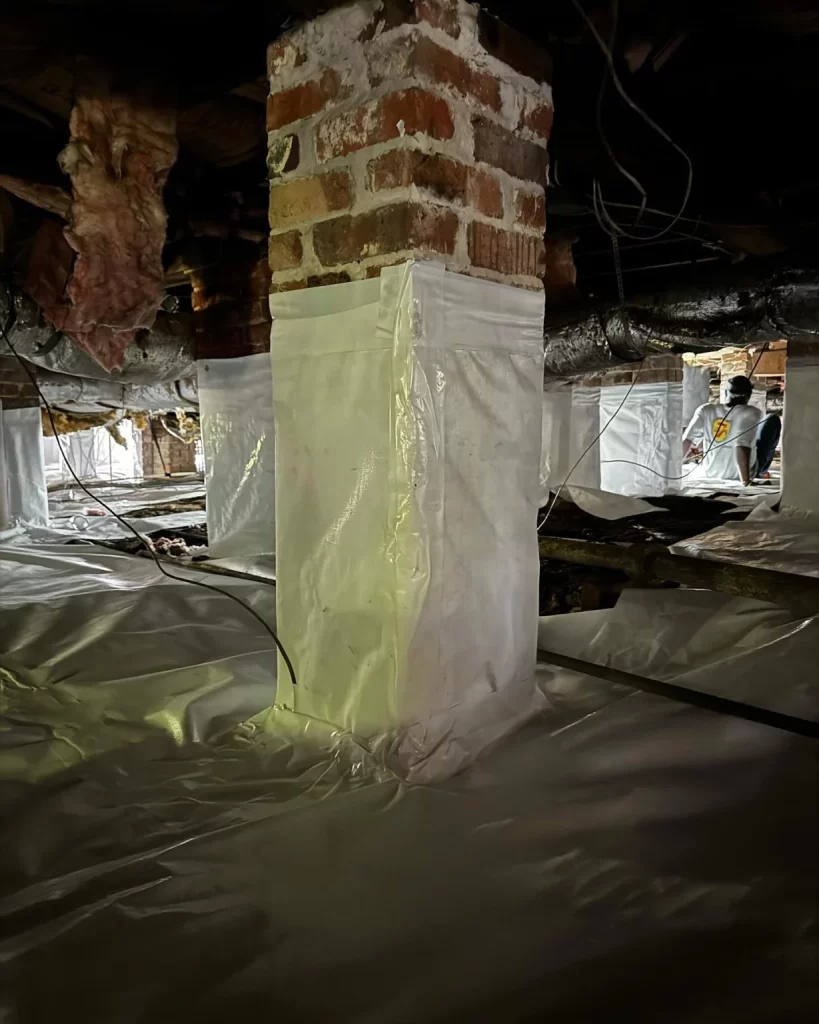
Encapsulation involves lining the floor and walls of the crawl space with a heavy-duty, waterproof membrane. All seams are sealed, and vents to the outside are closed off. This process creates a barrier that stops water vapor from the ground from entering the space. By keeping the wood dry, you prevent the conditions necessary for fungal growth and wood decay, preserving the strength and stability of your home’s foundation for the long term.
Bonus Tip: Before encapsulation, have a professional inspect for any existing wood damage or fungal growth. Any compromised wood should be repaired or replaced to ensure the long-term effectiveness of the encapsulation system.
Improving Indoor Air Quality
Many people are unaware of the significant impact the air in their crawl space has on the air they breathe inside their homes. A phenomenon known as the “stack effect” causes air to move from the lower levels of a house upwards. An analysis by Advanced Energy suggests that in many homes, up to 50% of the air on the first floor originates from the crawl space.
If your crawl space is damp and dirty, that means mold spores, dust mites, bacteria, and other allergens are being pulled directly into your living areas. This can trigger allergies, asthma, and other respiratory issues. Encapsulation, combined with a dehumidifier, creates a clean and dry environment. This significantly reduces the number of airborne pollutants entering your home, resulting in healthier indoor air for your family.
Increasing Energy Efficiency and Reducing Costs
A traditional vented crawl space works against your home’s heating and cooling systems. In the summer, hot, humid air enters through the vents, forcing your air conditioner to work harder. In the winter, cold air chills your floors and makes your furnace run longer to keep the house warm.
By sealing the vents and isolating the crawl space from outside conditions, encapsulation helps stabilize the temperature throughout your home. When insulation is added to the crawl space walls as part of the system, it further reduces heat transfer. The U.S. Department of Energy explains that a properly sealed and insulated crawl space can lead to significant energy savings, sometimes as much as 15% to 20% on heating and cooling bills.
Preventing Pest Infestations
Dark, damp, and cluttered crawl spaces are an open invitation for pests. Termites, carpenter ants, rodents, and cockroaches thrive in moist environments. In fact, guidance from the North Carolina State University Extension confirms that damp wood from moist crawl spaces is a primary attractant for termites. These pests can cause serious structural damage and bring bacteria into your home.
Encapsulation makes the crawl space far less attractive to pests. It eliminates the moisture they need to survive and seals the cracks and openings they use to get inside. A clean, dry, and well-lit encapsulated crawl space is much easier to inspect for any signs of pest activity, allowing you to catch potential problems early.
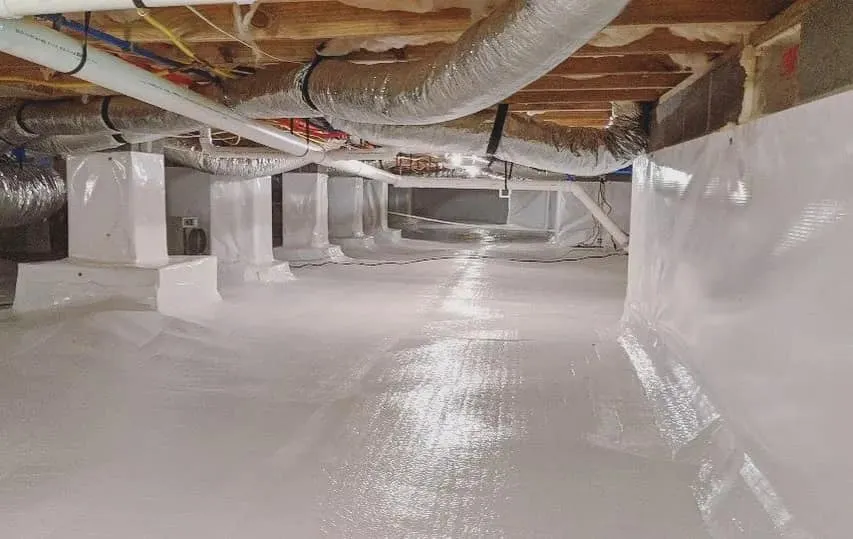
Vapor Barrier vs Full Encapsulation
Not all crawl space solutions are the same. A simple vapor barrier is a good first step, but a full encapsulation offers more complete protection.
| Feature | Basic Vapor Barrier | Full Encapsulation System |
|---|---|---|
| Ground Coverage | A plastic liner is laid on the dirt floor. | A thick, durable liner covers the floor and walls. |
| Sealing | Seams may be overlapped but are not sealed. | All seams, piers, and penetrations are sealed with special tape. |
| Vents | Vents are typically left open. | Vents are sealed airtight to stop outside air entry. |
| Dehumidification | Not included. | A professional-grade dehumidifier is installed. |
| Insulation | Not typically included. | Rigid foam insulation is often added to the walls. |
| Pest Control | Minimal effect. | Excellent deterrent by removing moisture and sealing entry. |
Things to Consider Before Making a Decision
Before you decide to encapsulate your crawl space, there are a few important factors to think about.
- Existing Water Issues: Encapsulation is not a solution for standing water or leaks. You must first address any drainage problems, plumbing leaks, or groundwater intrusion. This might involve installing a sump pump or improving the exterior grading around your foundation.
- Material Quality: The thickness of the vapor barrier, measured in mils, is important. A 12-mil or 20-mil barrier is much more durable and resistant to punctures than a standard 6-mil liner found at most hardware stores.
- Professional Installation: While it might seem like a DIY project, achieving a perfect air seal is difficult. Professionals have the right materials and experience to properly seal all seams, piers, and pipe penetrations. A poorly sealed job can trap moisture and cause more problems than it solves.
- Local Climate: In humid climates like Georgia, a dehumidifier is almost always necessary to keep the relative humidity in the crawl space below 60%, the point at which mold can grow.
Is Encapsulation the Right Choice for Your Home
Ultimately, crawl space encapsulation is an investment in the health and durability of your property. It tackles the root causes of moisture, poor air quality, high energy bills, and pests. By transforming a neglected area into a clean, conditioned space, you protect your home’s structure and create a healthier living environment. Before moving forward, evaluate your home’s specific symptoms and consider the long-term benefits to decide if it is the right solution for your needs.
Get a Professional Assessment
If you’re experiencing issues like musty odors, high humidity, or uncomfortable rooms, a professional evaluation of your crawl space can provide clear answers. An expert can identify the sources of any problems and determine if encapsulation is the appropriate solution for your home. To understand the condition of your property, consider scheduling an assessment with Premier Insulation. You can reach the team by calling (229) 554-3939.
Frequently Asked Questions
What is the main difference between a vapor barrier and full encapsulation?
A vapor barrier is simply a plastic sheet laid over the dirt floor to slow down moisture evaporation from the ground. Full encapsulation is a complete system that covers the floor, walls, and any support piers with a sealed liner, closes off all outside vents, and usually includes a dehumidifier to actively control the air’s moisture content. Encapsulation creates a fully controlled environment, while a vapor barrier only addresses one source of moisture.
Do I really need a dehumidifier with encapsulation?
In most cases, yes. Even after the crawl space is sealed, moisture can still enter through the foundation walls or from minor air leaks. A dehumidifier is necessary to maintain a consistent, low humidity level (ideally between 45% and 55%). This prevents any chance of mold growth and ensures the air in the crawl space remains clean and dry.
Can I do crawl space encapsulation myself?
While it is possible, it’s a difficult and detail-oriented job. The effectiveness of the system depends on creating a perfect seal. Professionals are trained to handle tricky areas like support piers, plumbing lines, and uneven foundation walls. An improper installation can trap moisture, defeating the purpose of the project.
How do I know if my crawl space needs encapsulation?
There are several tell-tale signs. If you notice musty or earthy smells in your home, it’s often coming from the crawl space. Other indicators include high indoor humidity levels, cold floors in the winter, sweating ductwork, or visible mold and mildew on the floor joists. If you see any of these signs, it’s a good idea to have your crawl space inspected.
Sources
- Advanced Energy – This article from a non-profit energy consulting firm explains the building science behind crawl space encapsulation and its effects on indoor air quality.
- U.S. Department of Energy – This resource provides information on home weatherization techniques, including sealing and insulating crawl spaces to achieve energy savings.
- North Carolina State University Extension – This publication from an academic institution details how moisture control in crawl spaces is critical for preventing pest infestations, particularly termites.