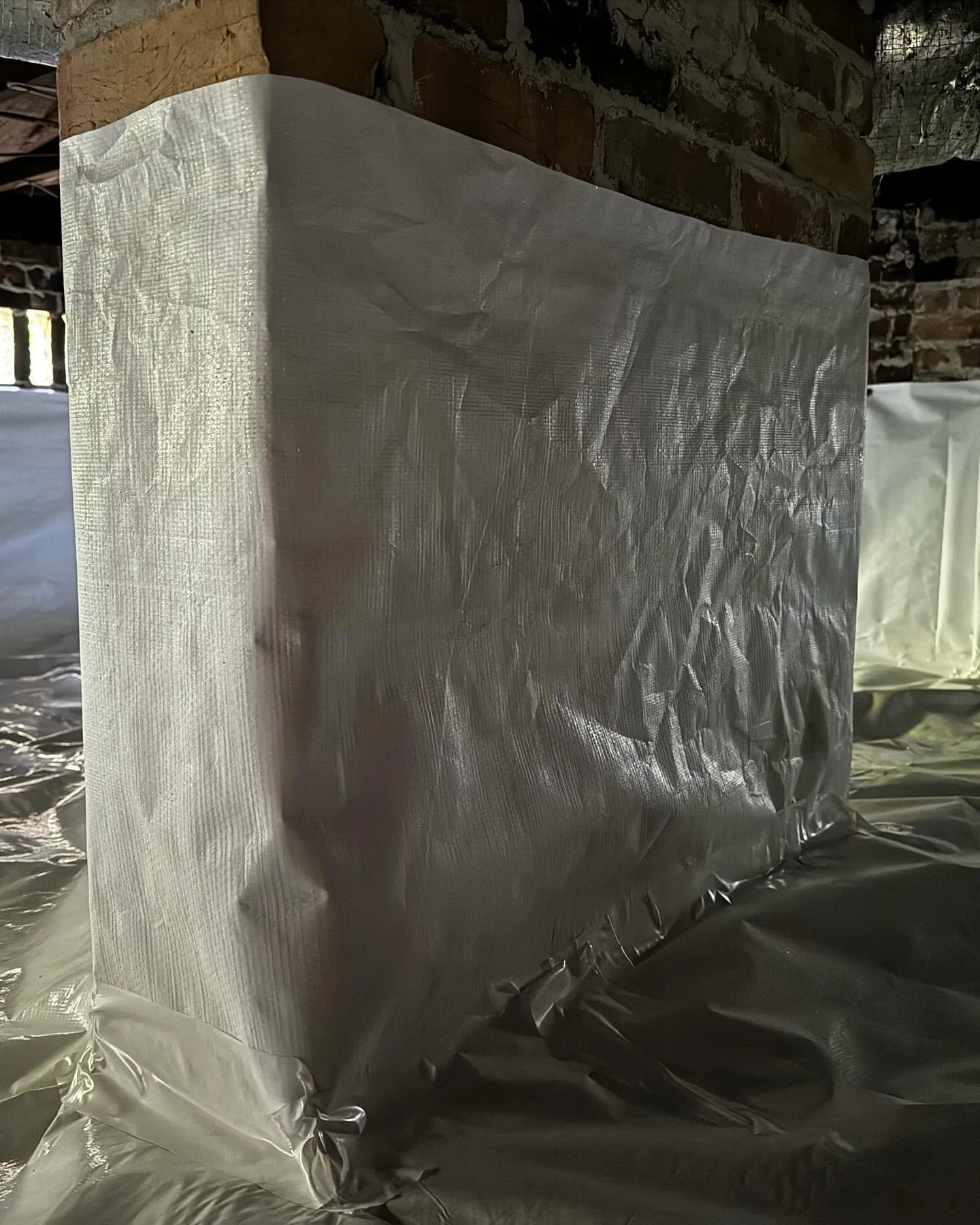
Crawl space encapsulation is a protective measure that helps homes in Tifton last for generations by stopping the primary cause of structural decay: uncontrolled moisture. By sealing the crawl space from the humid Georgia environment, encapsulation prevents wood rot, mold growth, and pest infestations that compromise a home’s foundation and framing. This process also improves indoor air quality and lowers energy costs, creating a healthier and more durable living space for the long term.
Tifton’s Climate and Its Impact on Crawl Spaces
South Georgia’s climate is defined by high humidity for much of the year. This persistent atmospheric moisture is a significant threat to homes with traditional vented crawl spaces. Old building practices encouraged venting crawl spaces with the idea that it would allow moisture to dry out. We now know the opposite is often true in humid climates.
During warm, humid months, vents allow damp air to enter the cooler crawl space. As this air cools, its relative humidity rises, causing condensation on floor joists, insulation, and ductwork. This constant dampness creates the perfect breeding ground for mold, mildew, and wood-destroying fungi. A report from the U.S. Environmental Protection Agency (EPA) confirms that controlling moisture is the key to preventing mold growth in any part of a home.
The Process of Encapsulation Explained
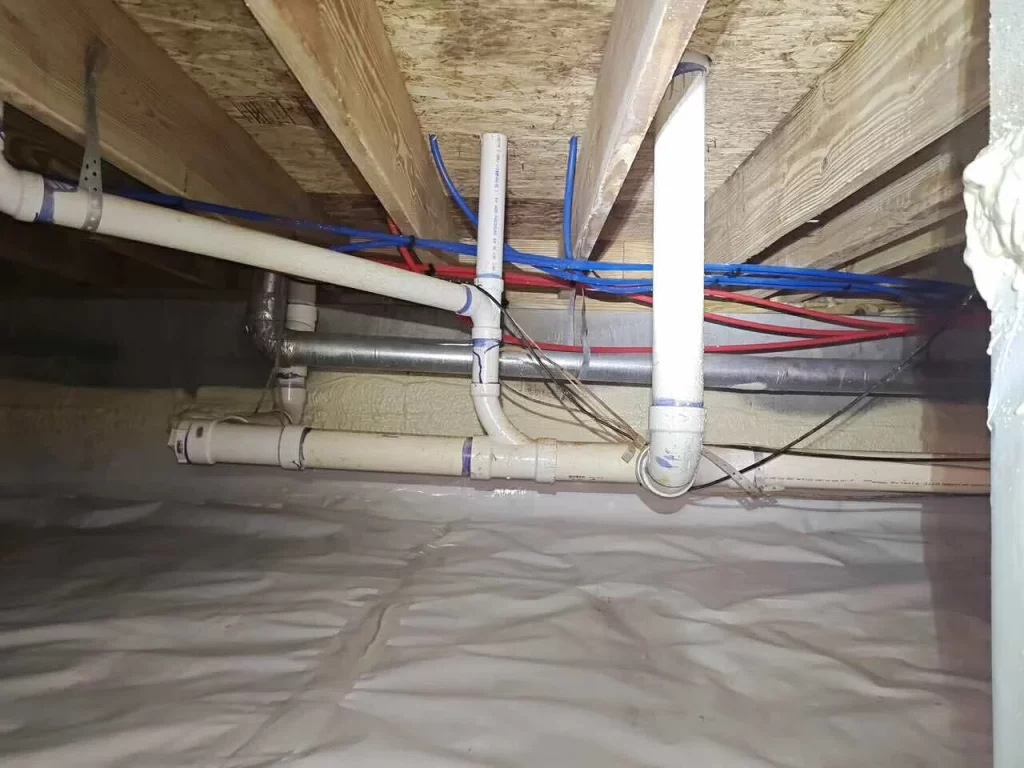
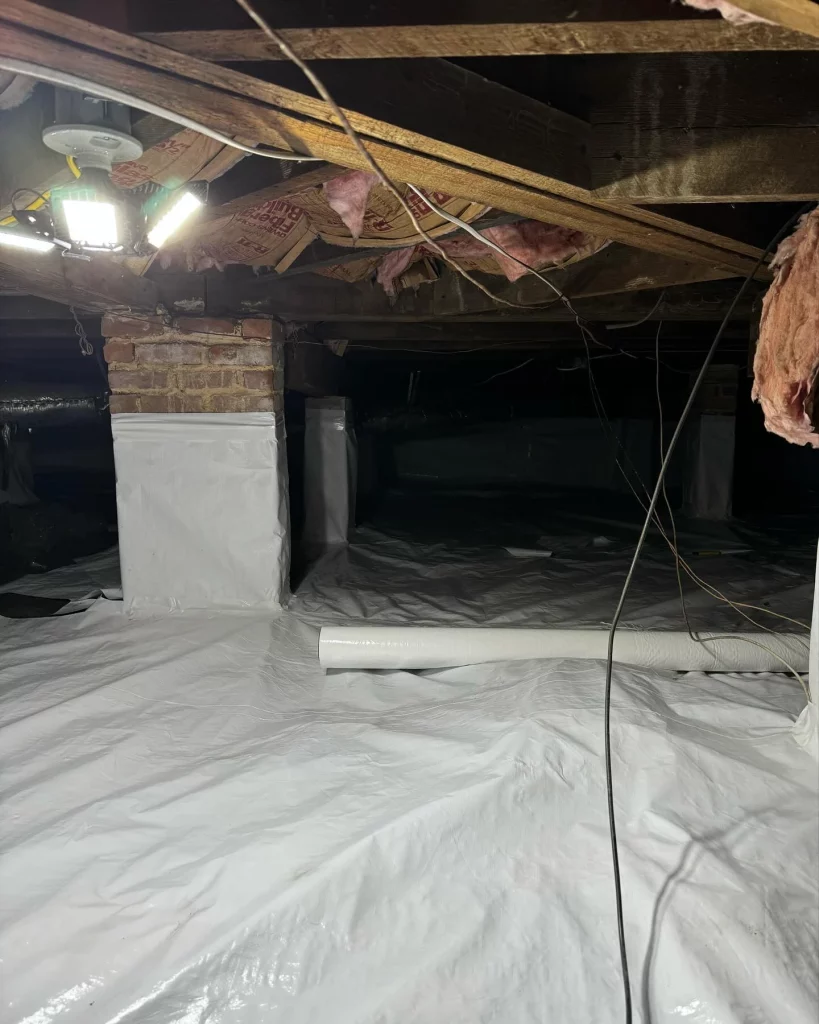
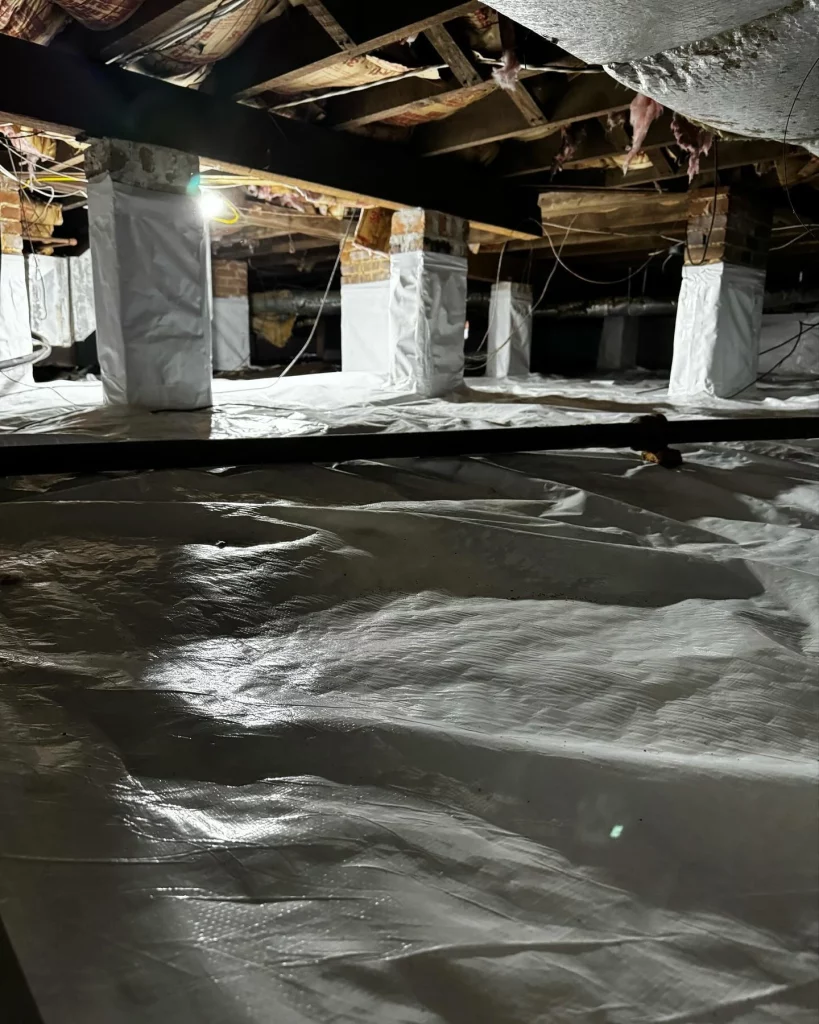
Crawl space encapsulation in Tifton, GA is a systematic process of isolating the space from the ground and the outside air. It transforms a damp, dirty area into a clean, dry part of the home’s conditioned envelope. The main steps involve:
- Cleaning and Preparation: The first step is to remove all debris, old insulation, and any organic material. Any existing water or mold issues must be fully addressed before sealing begins.
- Sealing Vents and Openings: All outside vents and air leaks are permanently sealed to stop humid air from entering.
- Installing a Vapor Barrier: A heavy-duty, puncture-resistant polyethylene barrier is laid across the crawl space floor and up the foundation walls. Seams are overlapped and sealed with special waterproof tape.
- Insulating Foundation Walls: Rigid foam board or spray foam insulation is often applied to the foundation walls to help manage temperature transfer.
- Conditioning the Air: A high-efficiency dehumidifier is installed to control the moisture level in the newly sealed space, typically maintaining a relative humidity below 50%.
Bonus Tip: Before starting an encapsulation project, it’s a good idea to have a plumber inspect the crawl space for any slow leaks. Sealing a space with an existing plumbing issue can trap water and cause significant damage.
Vented vs. Encapsulated Crawl Spaces
The difference in performance between traditional crawl space insulation and modern encapsulated one is substantial.
| Feature | Vented Crawl Space (Traditional) | Encapsulated Crawl Space (Modern) |
|---|---|---|
| Air Source | Uncontrolled outside air | Conditioned, dry air |
| Moisture Level | High, variable humidity | Controlled, low humidity (<50%) |
| Pest Risk | High; attracts termites, rodents | Low; inhospitable environment |
| Mold/Fungus Risk | High | Very Low |
| Energy Impact | Increases HVAC load | Reduces HVAC load |
| Air Quality | Poor; contributes to indoor allergens | Clean; no negative impact on the home |
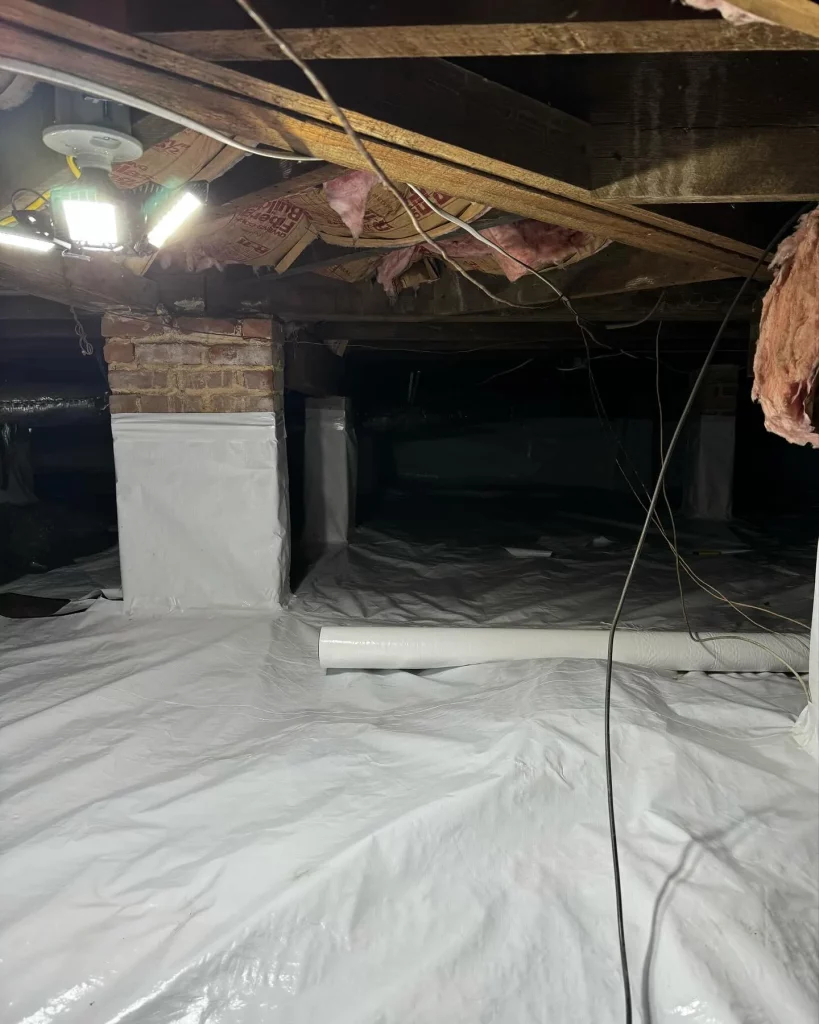
How Encapsulation Protects Your Home’s Structure
The primary benefit of encapsulation is protecting the wood that holds up your home. Floor joists, support beams, and subflooring are all vulnerable to moisture.
Preventing Wood Rot and Fungal Growth
Wood-destroying fungi thrive in environments with a wood moisture content above 20%. In a vented Tifton crawl space, it’s common to see wood moisture levels exceed this threshold. Encapsulation keeps the wood dry, stopping fungal growth and rot before it can start. This directly preserves the structural strength of your home’s flooring system.
Warding Off Destructive Pests
Pests like termites are drawn to moisture. A damp crawl space creates an ideal habitat for them to tunnel through softened wood. According to pest control experts at the National Pest Management Association, preventing water accumulation around the foundation is a key step in termite prevention. By drying out the crawl space, encapsulation makes your home a far less attractive target for termites and other pests like cockroaches and rodents.
Improving Air Quality and Energy Efficiency
What happens in your crawl space doesn’t stay in your crawl space. The air in this area has a direct impact on the air you breathe inside your home and the money you spend on energy.
The Stack Effect and Your Indoor Air
Homes naturally breathe from bottom to top in a process known as the “stack effect.” Air is pulled up from the crawl space into the main living areas. If your crawl space is filled with moldy, musty air, those contaminants are circulated throughout your home. Studies have shown that a significant portion of the air on the first floor originates from the crawl space. By cleaning and sealing the crawl space, you ensure that cleaner, healthier air is introduced into this cycle.
Lowering Your Monthly Energy Bills
When your crawl space is vented, your HVAC system and ductwork are exposed to extreme temperatures and humidity. This forces your air conditioner and heater to work harder to maintain a comfortable temperature inside. Research sponsored by the U.S. Department of Energy has shown that sealing and insulating a crawl space can lead to energy savings of 15% to 20% annually. The conditioned crawl space acts as a buffer zone, reducing the overall energy load on your home.
Bonus Tip: After encapsulation, have your ductwork inspected for leaks. Sealing these leaks within the newly conditioned crawl space can further amplify your energy savings.
Things to Consider Before Making a Decision
Encapsulation is a significant investment, so it’s important to approach it with the right information.
- Assess Your Current Situation: Look for clear signs of a problem. Do you notice musty odors in your home? Are your floors cold or feel soft in spots? Visible signs in the crawl space include standing water, damp insulation, mold on wood, or evidence of pests.
- Understand Material Quality: Not all vapor barriers are created equal. Look for a barrier that is at least 12-mil thick and is woven for puncture resistance. The quality of the seam tape is also important for creating a continuous, airtight seal.
- Verify Installer Experience: Encapsulation requires a deep understanding of building science. An installer should know how to properly seal the foundation, manage drainage if needed, and correctly size a dehumidifier for the space. Working with an established local contractor ensures they understand Tifton’s specific climate challenges.
Preserving Your Home for the Future
Encapsulating your crawl space is one of the most effective ways to protect your home’s long-term health and value in Tifton. By eliminating the threat of moisture, you defend your home’s foundation, improve your family’s health by ensuring cleaner air, and reduce your monthly energy consumption. It’s a comprehensive solution that addresses some of the biggest challenges local homeowners face.
Get a Professional Assessment
The best way to know if crawl space encapsulation is right for your home is with a thorough inspection. A professional can assess moisture levels, identify sources of water intrusion, and develop a plan tailored to your property. For a detailed evaluation in the Tifton area, contact Premier Insulation at (229) 554-3939 to understand the specific conditions under your home.
Frequently Asked Questions
How long does crawl space encapsulation last?
A professionally installed encapsulation system using high-quality materials can last for 20 years or more. The dehumidifier will likely need to be replaced within that timeframe, typically after 10-15 years.
Will encapsulation fix existing mold or wood rot?
No. Encapsulation prevents future problems. Any existing mold must be remediated, and any damaged wood must be repaired or replaced before the crawl space is sealed.
Is a dehumidifier always necessary?
In a humid climate like Tifton’s, a dehumidifier is essential for a successful encapsulation. It is the only way to guarantee that the humidity level within the sealed space remains consistently low enough to prevent mold growth.
What is the difference between a vapor barrier and full encapsulation?
A simple vapor barrier is just a plastic liner laid on the ground. Full encapsulation is a complete system that includes laying a heavy-duty barrier on the floor and walls, sealing all vents and air leaks, and adding a dehumidifier to actively condition the air.
Sources
- U.S. Environmental Protection Agency (EPA) – Provides official guidance on mold prevention and the importance of moisture control in homes.
- National Pest Management Association – Offers expert information on termite behavior and prevention, highlighting the role of moisture control.
- U.S. Department of Energy – Publishes research and data on the energy savings associated with insulating and sealing crawl spaces.