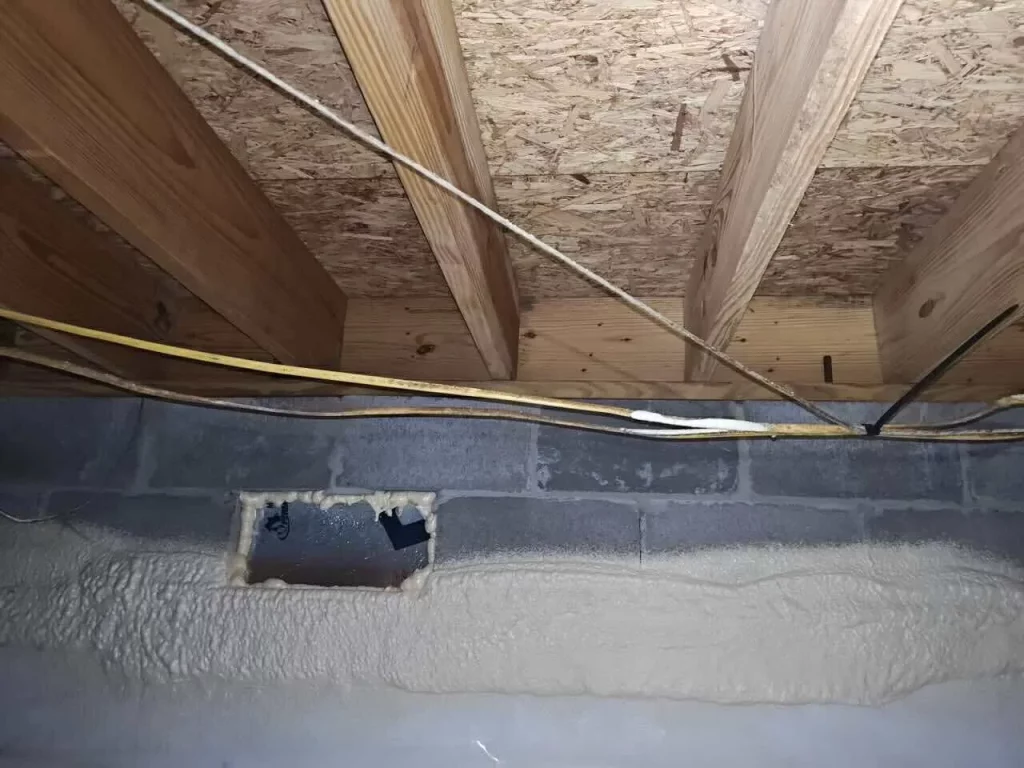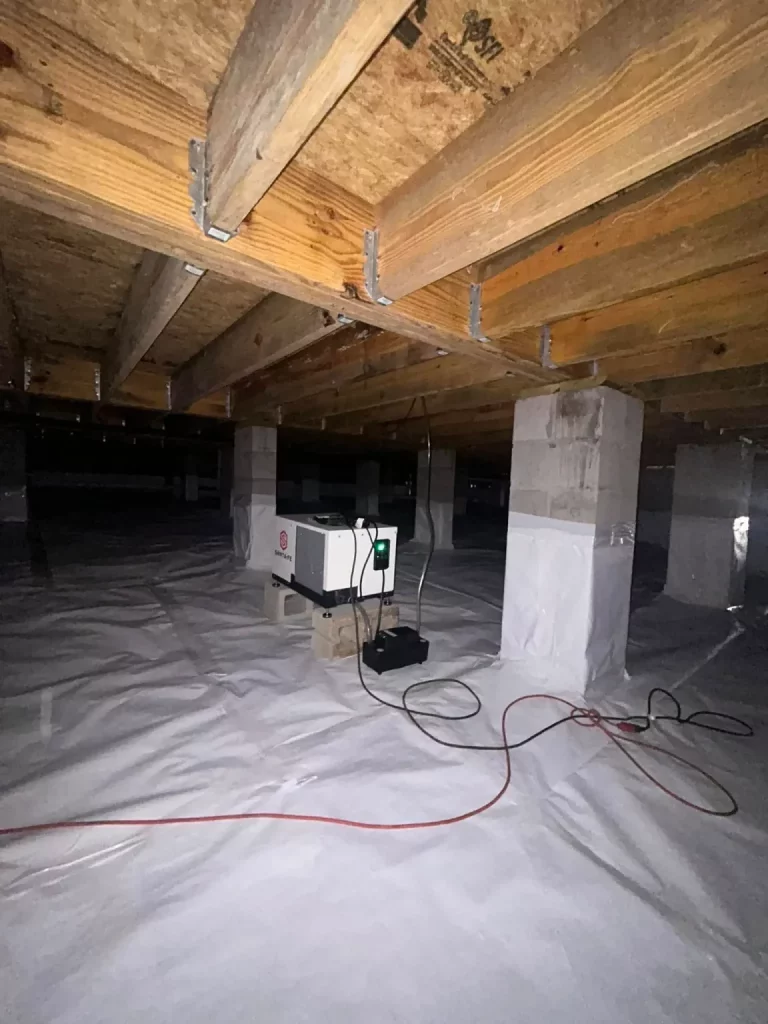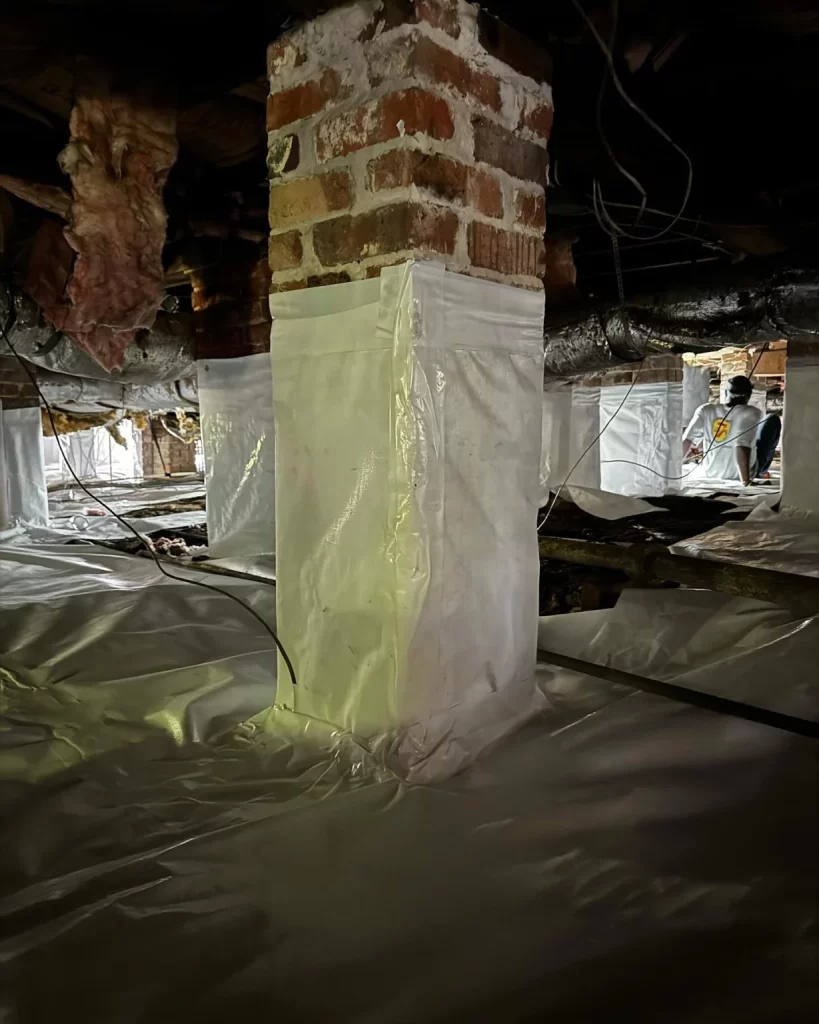
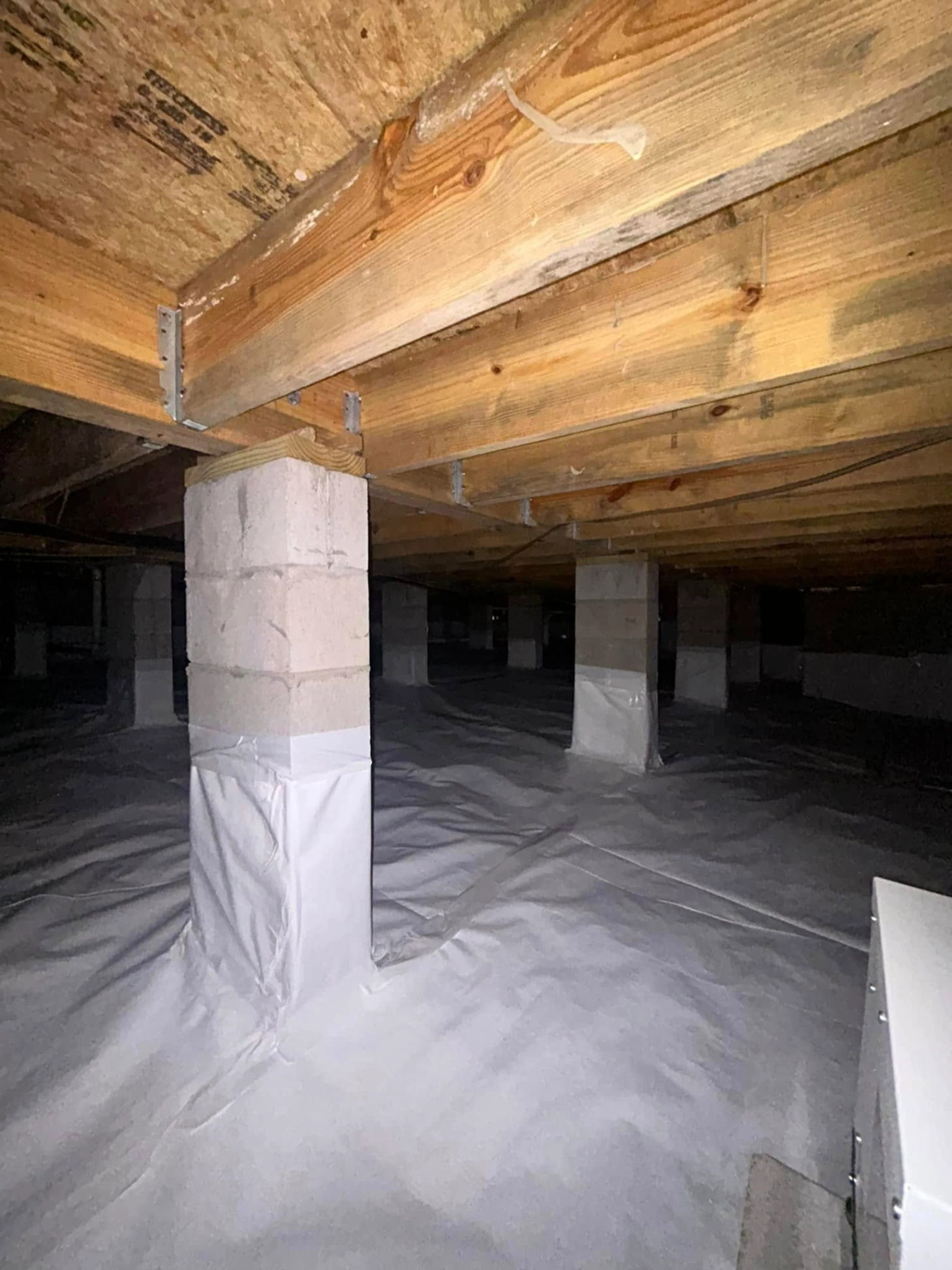
Crawl space mold remediation directly improves indoor air quality by removing active fungal growth and eliminating the environmental conditions that allow allergens to thrive. For allergy sufferers, this process reduces respiratory irritation, congestion, and asthma attacks by blocking the entry of mold spores and dust mites into the living space from below. Since approximately 50% of the air on the first floor of a home originates from the crawl space, cleaning and sealing this area is one of the most effective ways to manage chronic indoor allergies.
This article details the specific health advantages of addressing crawl space moisture and mold. It explains the mechanics of how basement air travels upstairs, the types of allergens involved, and the tangible relief homeowners experience after remediation. With years of fieldwork installing insulation and moisture barriers, Premier Insulation has seen how proper environmental control transforms a sick home into a healthy one.
Understanding the Connection Between Crawl Spaces and Indoor Air
Many homeowners believe that the air in the crawl space stays under the house. Physics proves otherwise. Through a phenomenon known as the “stack effect,” warm air rises inside the home and escapes through the attic. This upward movement creates a vacuum at the bottom of the house, pulling cool, damp air up from the crawl space to fill the void.
If the lower air contains mold spores, mildew, or dust mite feces, these contaminants can disperse throughout the kitchen, living room, and bedrooms. A report from the Environmental Protection Agency indicates that biological pollutants, including mold, move freely through these air currents and trigger significant allergic reactions. Remediation stops this cycle by removing the source of the pollution.
Reducing Specific Allergy Triggers
Remediation does more than just clean visible fungus. It alters the ecosystem of the home’s foundation to be inhospitable to pests and microscopic irritants.
Eliminating Mold Spores and Mycotoxins
Active mold releases spores into the air to reproduce. These microscopic seeds are the primary trigger for mold allergies. When inhaled, they cause the immune system to overreact, leading to sneezing, runny noses, and red eyes. In severe cases, certain mold species produce mycotoxins, chemical compounds that can cause more serious health issues. Thorough remediation involves physically removing the mold and treating the wood, which drastically lowers the spore count in the home’s air.
Controlling Dust Mites
Dust mites do not drink water; they absorb moisture from the air. They thrive in humidity levels above 50%. A damp crawl space almost always guarantees high humidity in the home above. By sealing the crawl space and installing a dehumidifier during the remediation process, you lower the relative humidity. According to the American Lung Association, keeping humidity below 50% is the most effective action to reduce dust mite populations. Fewer mites mean fewer allergens.
Comparison of Living Conditions
The following table illustrates how remediation alters the environment for common allergens.
| Allergy Trigger | Pre-Remediation Environment | Post-Remediation Environment | Impact on Sufferers |
|---|---|---|---|
| Mold Spores | Unchecked growth on joists; constant spore release. | Spores physically removed; wood treated to prevent regrowth. | Immediate reduction in airborne irritants. |
| Dust Mites | High humidity (60%+) allows rapid breeding. | Controlled humidity (<50%) causes mites to dry out and die. | Long-term reduction in sinus congestion. |
| Pests (Roaches/Mice) | Damp insulation provides nesting material and water. | Sealed environment cuts off entry points and water sources. | Fewer pest-related allergens (droppings/saliva). |
Things to Consider Before Making a Decision
Before committing to a full remediation project, you should evaluate the current state of your home to determine the urgency and scope required.
Severity of Symptoms If family members experience relief from allergy symptoms when they leave the house but feel worse immediately upon returning, the home environment is likely the cause. This pattern suggests that the crawl space is a major contributor to respiratory issues.
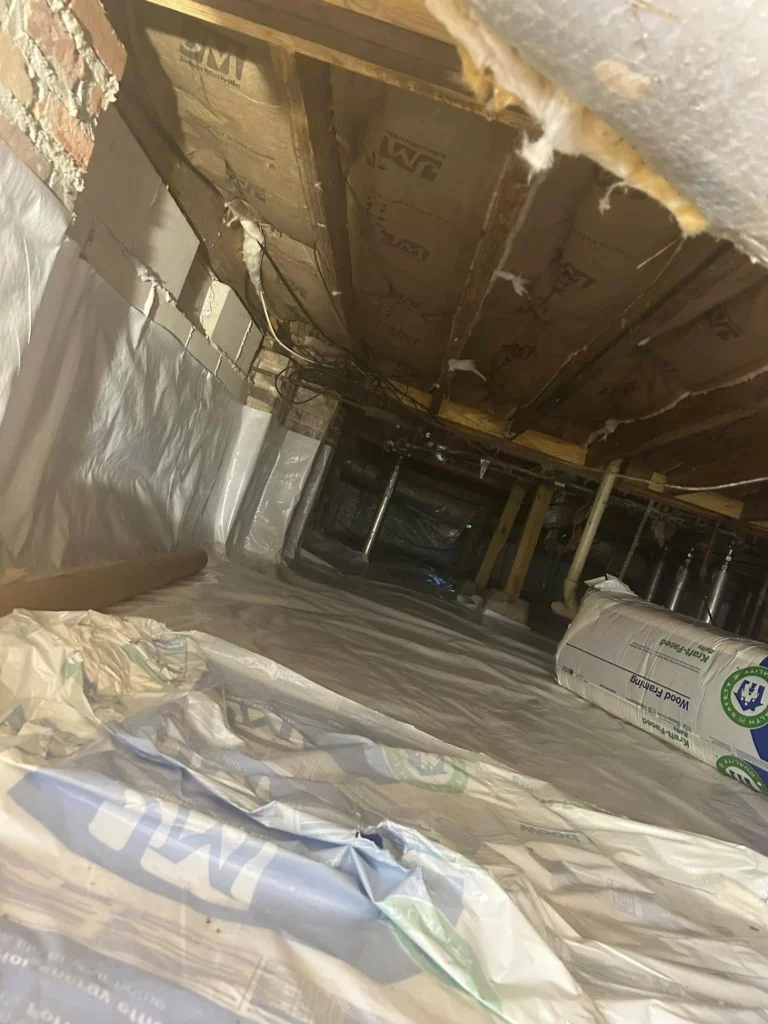
Condition of Existing Insulation Check if the fiberglass insulation is falling down or is heavy with moisture. Wet insulation acts like a sponge, holding water against the subfloor and creating a perfect breeding ground for mold. If the insulation is compromised, simple cleaning will not be enough; removal and replacement will be necessary.
Budget and Scope Remediation varies from simple cleaning to full encapsulation. Encapsulation involves lining the floor and walls with a heavy vapor barrier and conditioning the air. While more expensive, this offers the highest level of protection against allergen recurrence.
Bonus Tip: Inspect your gutters and downspouts before scheduling remediation. If water is pooling against the foundation, mold will return even after a professional cleaning. Fix the drainage first to ensure the investment lasts.
Market Data on Dampness and Health
The link between structural dampness and health is well-documented by major health organizations. A study referenced by the Centers for Disease Control and Prevention suggests that dampness in homes is associated with a 30-50% increase in respiratory and asthma-related health outcomes. This statistic highlights that moisture control is not just about preserving the wood; it is a public health necessity.
Additionally, data from the World Health Organization on indoor air quality indicates that occupants of damp or moldy buildings are at increased risk of respiratory symptoms, respiratory infections, and asthma exacerbations. This global data reinforces the need for effective crawl space management.
The Remediation Process Explained
Understanding the steps involved helps homeowners know what to expect.
- Inspection: Professionals identify the mold type, moisture source, and extent of the damage.
- Containment: The area is sealed off to prevent spores from spreading to the rest of the house during cleaning.
- Removal: Damaged insulation and debris are bagged and removed.
- Cleaning: Wood surfaces are scrubbed with antimicrobial agents or soda blasted to remove roots.
- Drying: Dehumidifiers and air movers dry the structure to a safe moisture content.
- Prevention: A vapor barrier is installed, and often a dehumidifier is added to maintain low humidity.
Summary of Health Benefits
Crawl space mold remediation offers a decisive solution for homeowners struggling with indoor allergies. By understanding the stack effect and the biological triggers that thrive in damp environments, you can see why surface cleaning in the living area is often insufficient. Removing the mold source and controlling humidity stops the upward flow of allergens, creating a safer breathing environment for everyone in the home. Evaluate your symptoms and the condition of your home’s foundation to decide if this is the right step for your long-term health.
Take Control of Your Home’s Air Quality
If you suspect your crawl space is contributing to your family’s allergies, do not wait for the symptoms to worsen. Premier Insulation provides thorough inspections to identify moisture issues and effective solutions to seal your home from the ground up.
Contact us today to discuss your options. Phone: (229) 554-3939 Email: premierinsulationga@gmail.com
Sources
- Environmental Protection Agency – Explains how biological pollutants move through indoor air and impact health.
- American Lung Association – Provides data on dust mite survival rates relative to indoor humidity levels.
- Centers for Disease Control and Prevention – Offers statistics on the health risks associated with dampness in buildings.
- World Health Organization – Comprehensive guidelines and data regarding indoor air quality and dampness.
Frequently Asked Questions
Will my homeowner’s insurance cover mold remediation?
Most standard policies exclude mold damage unless it is the direct result of a covered peril, such as a sudden pipe burst. Slow leaks or ground moisture issues are typically considered maintenance issues and are not covered. You should check your specific policy wording.
How long does the remediation process take?
A standard remediation project usually takes between two to five days. The timeline depends on the size of the crawl space, the amount of debris to be removed, and whether full encapsulation is included.
Is it safe to stay home during the process?
In most cases, yes. Professionals use negative air pressure and containment barriers to ensure dust and spores do not enter the living space. If you have severe immune compromise, you might choose to leave during the initial removal phase.
How often does mold return after remediation?
If moisture sources are controlled through drainage, vapor barriers, and dehumidification, mold should not return. Remediation is a permanent fix only if the environment remains dry.