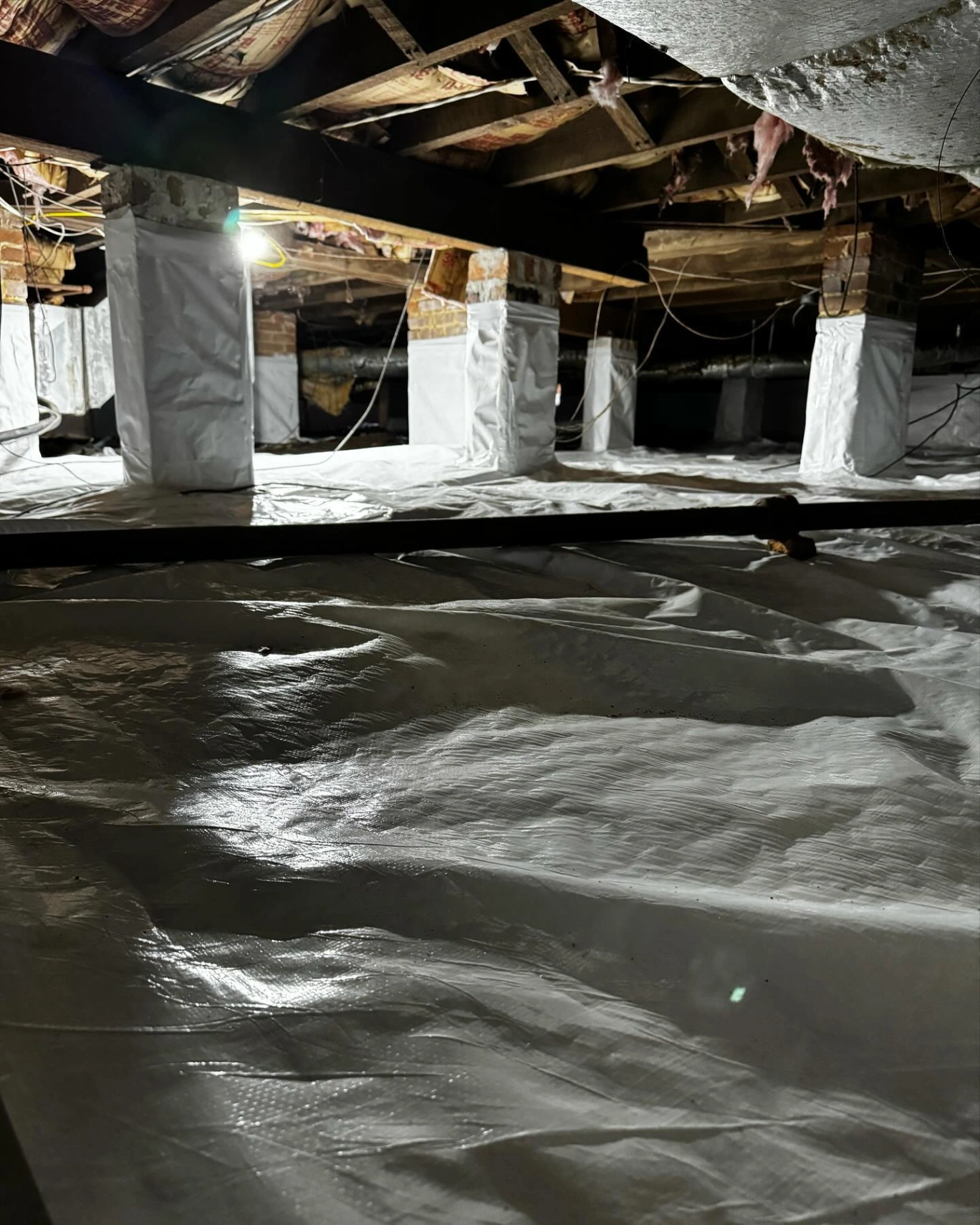
Finding mold in your crawl space often feels like a punch to the gut. You likely went down there to check on a strange smell or grab holiday decorations, only to discover fuzzy patches covering the joists. Just like that, you are facing a significant home repair project you did not plan for.
The health risks of mold are well-documented, ranging from respiratory issues to severe allergies. But for many homeowners, the financial stress hits just as hard as the health concerns. Remediation is specialized work. It requires training, equipment, and time. Because of this, it is rarely cheap.
If you are staring at a quote and wondering how you will pay for it, you are not alone. Most homeowners do not have liquid savings sitting in a dedicated “mold fund.” The good news is that you have options.
This guide walks you through the financial side of crawl space remediation. We will look at what drives costs, when insurance steps in (and when it steps back), and the specific financing tools available to get your home safe again without breaking the bank.
Understanding the True Cost of Remediation
Before we look at how to pay, we need to understand what you are paying for. Sticker shock is common in this industry. Homeowners often ask why scrubbing the wood isn’t enough.
Effective remediation involves more than cleaning visible mold. It involves containment, air filtration, removing damaged materials, and addressing the moisture source so the mold does not return. If you skip steps to save money now, you will likely pay double later when the problem comes back.
According to HomeGuide, the average cost for professional mold remediation varies significantly based on the size of the area and the severity of the infestation. For crawl spaces specifically, costs can run high if structural repairs or full encapsulation are needed.
Where Does the Money Go?
Here is a breakdown of the typical line items you will see on a quote:
| Cost Factor | Description |
|---|---|
| Inspection & Testing | Identifying the mold type and extent of spread. |
| Containment | Setting up plastic barriers to stop spores from entering your living space. |
| Filtration | Running industrial HEPA scrubbers to clean the air. |
| Demolition | Removing insulation, vapor barriers, or rotted wood. |
| Treatment | Applying antimicrobial solutions and sealants. |
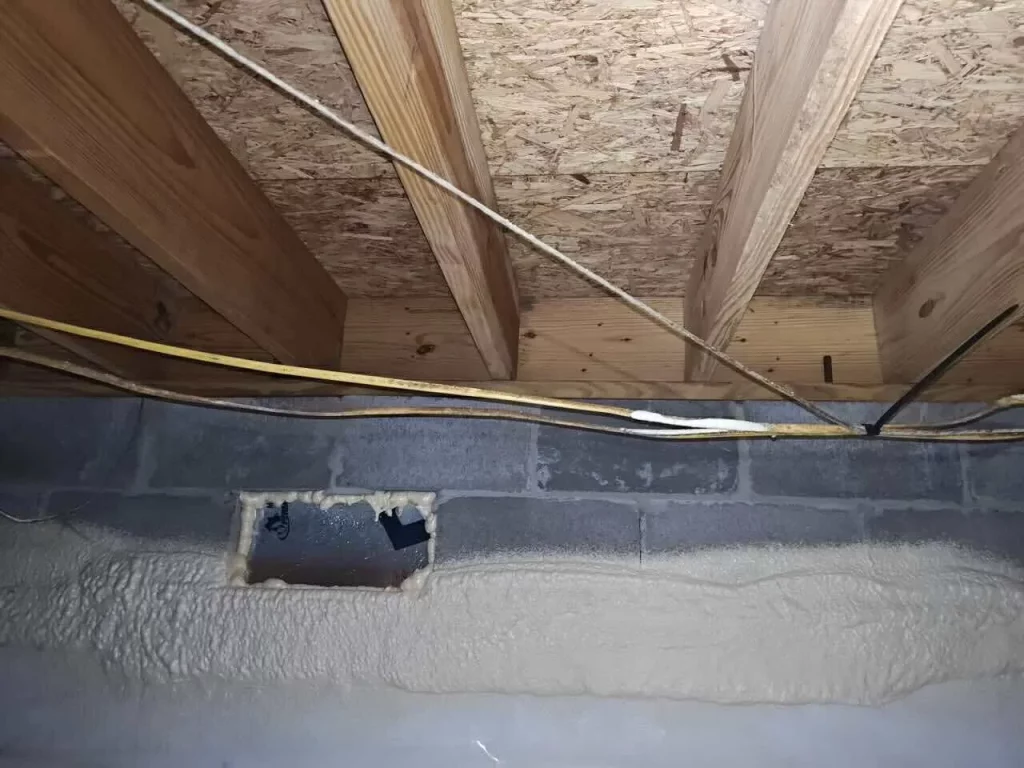
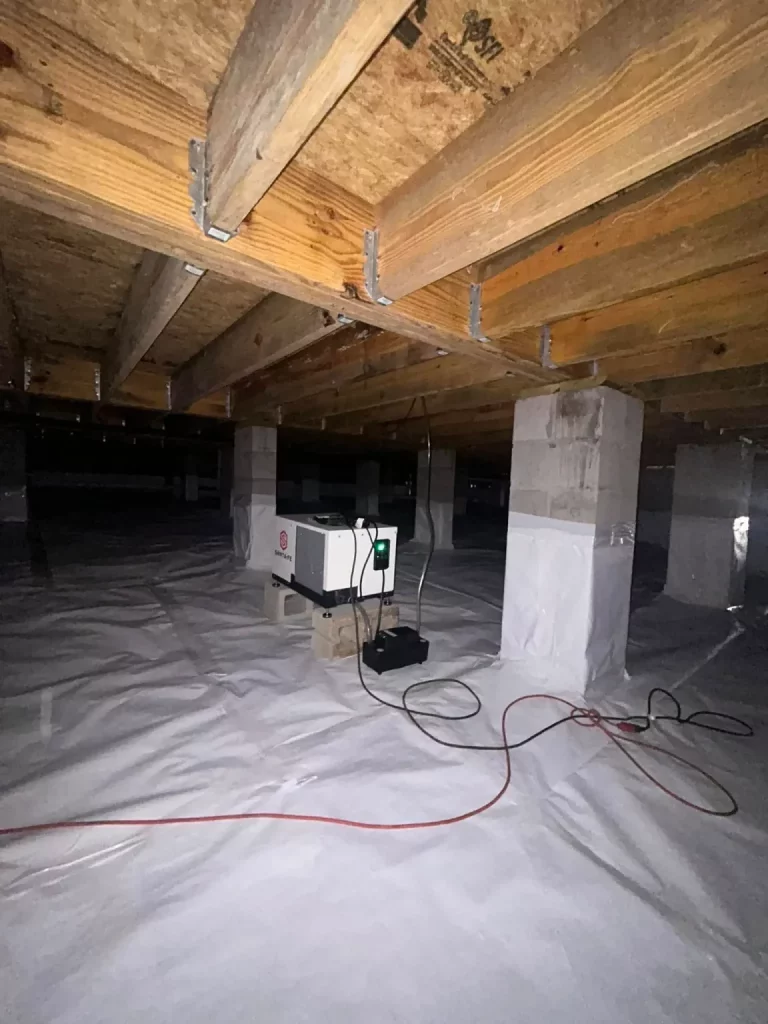
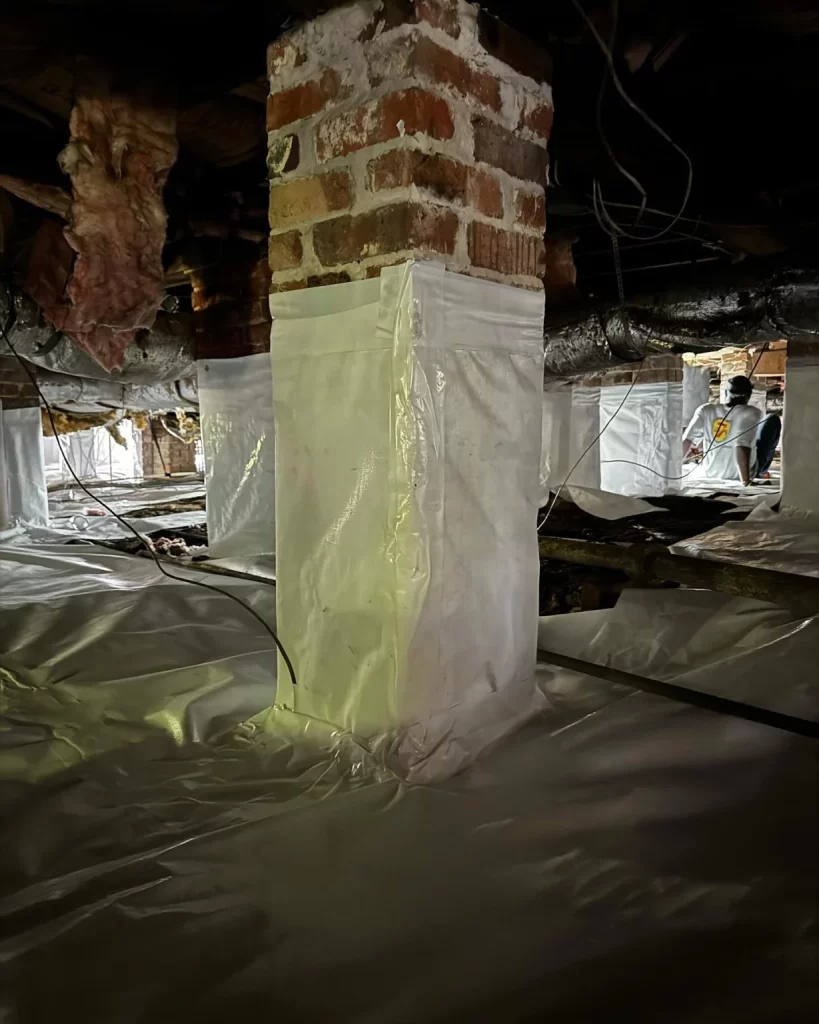
| Prevention | Installing a dehumidifier or a new vapor barrier. |
Expert Tip: Beware of quotes that seem suspiciously low. Some operators will simply spray bleach on the wood and leave. This bleaches the mold’s color but often leaves the roots intact, meaning it will grow back within weeks.
Does Homeowners Insurance Cover Mold?
This is the first question every homeowner asks. The answer is usually “it depends.”
Insurance policies are generally designed to cover sudden, accidental damage. They are not warranties for home maintenance.
When Insurance Typically Pays
Your policy might cover remediation if the mold is a direct result of a covered “peril.”
- Burst Pipes: If a plumbing pipe bursts in the crawl space and soaks the wood, the resulting mold is often covered because the water damage was sudden.
- Storm Damage: If a tree limb punches a hole in your foundation vent during a storm and rain floods the space, coverage is likely.
When Insurance Typically Denies Claims
Insurance adjusters look for words like “seepage,” “leakage,” or “neglect.”
- Slow Leaks: A drain line that has been dripping for six months is considered a maintenance issue.
- High Humidity: If the mold grew simply because you live in a humid climate and didn’t install a dehumidifier, that is on you.
- Groundwater: Flooding from rising groundwater is usually excluded from standard policies and requires separate flood insurance.
Key Takeaway: Do not assume coverage. Read your policy’s specific language regarding “fungi,” “mold,” or “bacteria.” If you file a claim, focus on the source of the water (like a burst pipe) rather than the mold itself.
Financing Options for Mold Remediation
If insurance denies the claim or only covers a fraction of it, you need other ways to bridge the gap. Fortunately, several financial products are designed precisely for this type of home improvement.
1. Home Equity Line of Credit (HELOC)
If you have lived in your home for a few years, you likely have equity. A HELOC works like a credit card secured by your house. You get a credit limit, and you only pay interest on what you use.
- Pros: typically lower interest rates compared to personal loans; interest may be tax-deductible if used for home improvements.
- Cons: requires a home appraisal; the process can take several weeks; puts your home at risk if you default.
2. Home Improvement Personal Loans
These are unsecured loans, meaning you do not have to put your house up as collateral. Many online lenders specialize in quickly funding home repairs.
- Pros: fast approval (often within 24 hours); no appraisal needed; fixed interest rates and monthly payments.
- Cons: interest rates are higher than HELOCs; requires a good credit score for favorable terms.
3. Government-Backed Loans (FHA 203k)
If you are buying a home that has mold issues, or if you are refinancing, the FHA 203(k) loan allows you to bundle the mortgage and the repair costs into one loan.
The U.S. Department of Housing and Urban Development explains that the Limited 203(k) program permits substantial funds for repairs, which easily covers most crawl space remediation and encapsulation projects.
4. Contractor Financing
This is often the most convenient route. Many established companies, like Premier Insulation, partner with third-party lending firms to offer financing directly to customers.
These programs are tailored for home improvement. You apply through the contractor’s portal, get a decision in minutes, and the lender pays the contractor directly.
- Pros: seamless process; promotional offers (like interest-free periods) are common.
- Cons: need to check the terms for high deferred interest rates if you miss a payment.
Expert Tip: Ask about “same-as-cash” options. If you expect a work bonus or tax refund in six months, a “same-as-cash” deal lets you float the cost interest-free until your money arrives.
Grants and Assistance Programs
For some homeowners, taking on debt is not an option. If you meet income or location requirements, you might qualify for grants or low-interest loans designed to keep homes safe and sanitary.
USDA Section 504 Home Repair Program
This is a powerful resource for rural homeowners. The USDA provides loans to very-low-income homeowners to repair, improve, or modernize their homes. They also offer grants to elderly homeowners (age 62+) to remove health and safety hazards.
Since mold is a definite health hazard, remediation qualifies. According to the USDA Rural Development website, the maximum loan and grant amounts are sufficient to cover significant remediation work.
State and Local Health Programs
Some states have “Healthy Homes” initiatives aimed at reducing asthma triggers. Since mold is a primary asthma trigger, these programs sometimes offer vouchers or assistance for remediation. Check with your local Department of Public Health.
The “Do It Yourself” Trap: A Financial Warning
When facing a large quote, the temptation to rent a fogger and buy a Tyvek suit is strong. We get it. But we have also been called in to fix many failed DIY attempts.
DIY remediation often fails for three reasons:
- Missed Hidden Growth: You clean the beams but miss the mold growing behind the insulation or on the subfloor.
- Improper Containment: Without negative air pressure, scrubbing mold just launches millions of spores into the air. These spores travel up into your living room through HVAC vents and floor gaps.
- Returning Moisture: If you kill the mold but don’t install a proper dehumidifier or vapor barrier, the mold will return with the next humid season.
Financially, DIY often costs more in the long run. You spend money on rentals and chemicals, waste your weekends, and then have to pay a professional to do it over again six months later.
ROI: Investing in Your Home’s Value
It helps to shift your mindset from “repair cost” to “investment.” A moldy crawl space is a massive liability. It rots the wooden structure of your home, leading to sagging floors and expensive carpentry repairs.
Furthermore, it destroys resale value. Real estate transactions fall apart constantly due to inspection reports flagging mold.
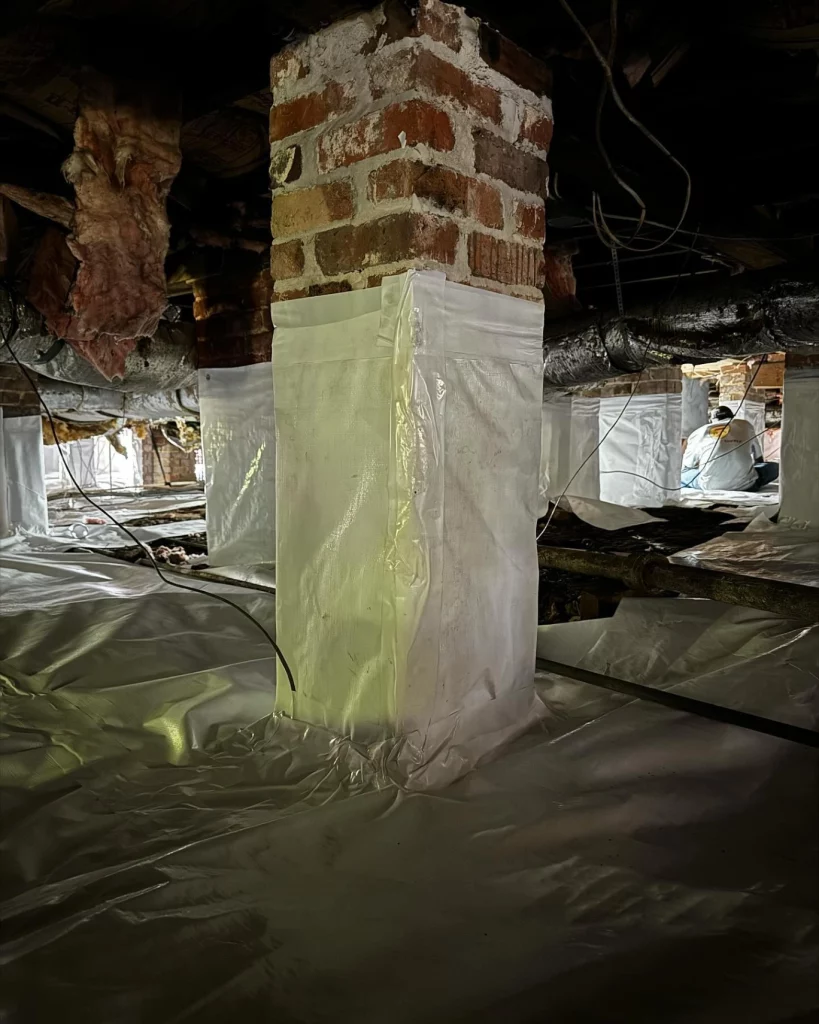
By financing a proper remediation and encapsulation job, you are protecting your home’s equity. You are turning a red flag into a selling point. A clean, dry, encapsulated crawl space is an asset that buyers appreciate.
A study by the National Association of Realtors suggests that homeowners often recover a significant portion of project costs for structural and moisture-related improvements upon resale, simply by avoiding the price concessions buyers demand for “fixer-upper” issues.
Selecting a Contractor with Financial Integrity
Who you hire matters as much as how you pay. When vetting contractors, pay attention to their financial practices.
- Detailed Quotes: The quote should list specific materials (e.g., “12-mil reinforced vapor barrier”, not just “plastic”).
- Deposit Structure: It is standard to pay a deposit to schedule work, but be wary of contractors asking for large percentages upfront before materials arrive.
- Warranty: What happens if the mold comes back? A reputable company stands behind its work.
At Premier Insulation, we believe in transparency. We walk you through the numbers so you know exactly where every cent is going.
Key Takeaway: The cheapest quote is rarely the best deal. If a contractor cuts corners on safety equipment or uses thin, cheap plastic, you aren’t saving money; you’re renting a temporary solution.
Putting Your Remediation Strategy into Action
Ignoring mold does not make it go away; it only makes the eventual repair bill higher. While the cost of professional remediation is high, the cost of structural rot and compromised health is far higher.
By understanding your insurance policy, leveraging home equity, or utilizing flexible contractor financing, you can manage this expense. You are not just cleaning a crawl space; you are securing the foundation of your home and the health of your family.
Need Expert Guidance?
If you are unsure about the extent of your mold issue or need a clear, honest quote to present to your lender, we are here to help. Premier Insulation provides detailed inspections and transparent pricing so you can make the best decision for your home.
Email: premierinsulationga@gmail.com Phone: (229) 554-3939
Sources
- HomeGuide – Provides current market data and general cost ranges for mold remediation services across the United States.
- U.S. Department of Housing and Urban Development – details the FHA 203(k) Rehabilitation Mortgage Insurance program for home repairs.
- USDA Rural Development – outlines eligibility and benefits for the Section 504 Home Repair program for low-income rural homeowners.
Frequently Asked Questions About Financing Remediation
Can I deduct mold remediation from my taxes?
Generally, no. The IRS views mold remediation as a repair (returning the home to its original condition) rather than an improvement (adding value). However, if the remediation is part of a larger renovation that increases the home’s value, or if you use a home office, different rules might apply. Consult a tax professional.
Will my credit score affect my ability to get contractor financing?
Yes, most financing partners perform a credit check. However, because these loans are specific to home improvement, approval rates can sometimes be more lenient than standard personal loans. There are also “lease-to-own” options for equipment like dehumidifiers that may not require a credit check.
What if I can only afford to do part of the work?
If your budget is tight, ask your contractor to prioritize. The immediate goal is to stop the moisture source and kill the active mold. You might be able to delay the full encapsulation or cosmetic upgrades until you have more funds. Address the health hazard first.
Does a home warranty cover mold?
Most standard home warranties operate like insurance; they cover mechanical failures (like a broken heater) but exclude secondary damage like mold. Some warranty companies offer “roof and leak” add-ons, but coverage limits are usually low.
Is it cheaper to just seal the vents myself?
Closing vents without addressing the internal moisture can actually make mold worse by trapping damp air inside. Proper encapsulation requires sealing vents and conditioning the air. Doing one without the other is a recipe for rot.