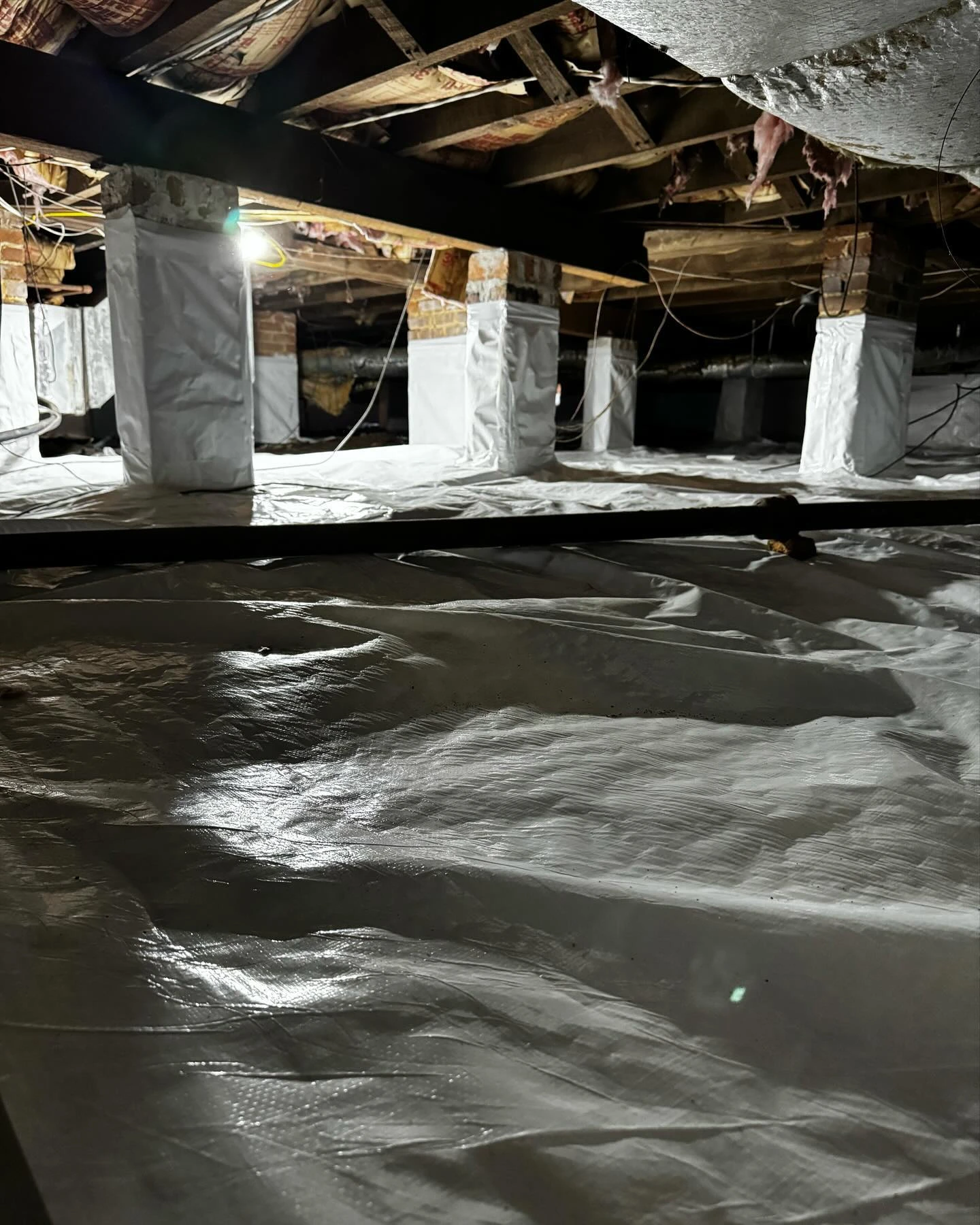
Crawl space encapsulation directly reduces mold allergens by eliminating the moisture and humidity that mold needs to grow. When a crawl space is properly sealed with vapor barriers and moisture control systems, it creates a dry environment that prevents mold from establishing colonies and releasing spores into your home’s air. This comprehensive sealing approach addresses the root cause of mold problems rather than just treating the symptoms.
This article explains the science behind mold growth, how encapsulation creates an inhospitable environment for mold, and what homeowners should consider when evaluating this solution for their properties. The information comes from extensive experience with moisture control systems and their impact on indoor air quality.
Understanding Mold Growth in Crawl Spaces
Mold requires three specific conditions to thrive: moisture, food sources (like wood or paper), and appropriate temperatures between 60 and 80 degrees Fahrenheit. Crawl spaces typically provide all three elements, making them ideal breeding grounds. The dark, enclosed areas trap humidity from the ground, condensation from HVAC systems, and water from plumbing leaks.
Research from the Environmental Protection Agency indicates that up to 50% of homes have problematic mold conditions, with crawl spaces being a primary contributor. Mold spores released from these areas can travel through the stack effect – the natural movement of air from lower to upper levels of a home – affecting indoor air quality throughout the entire house.
The stack effect causes up to 40% of the air in a home’s living areas to originate from the crawl space, according to studies by Advanced Energy. This means mold problems in your crawl space directly impact the air your family breathes, potentially triggering allergic reactions, asthma attacks, and other respiratory issues.
How Encapsulation Works to Stop Mold
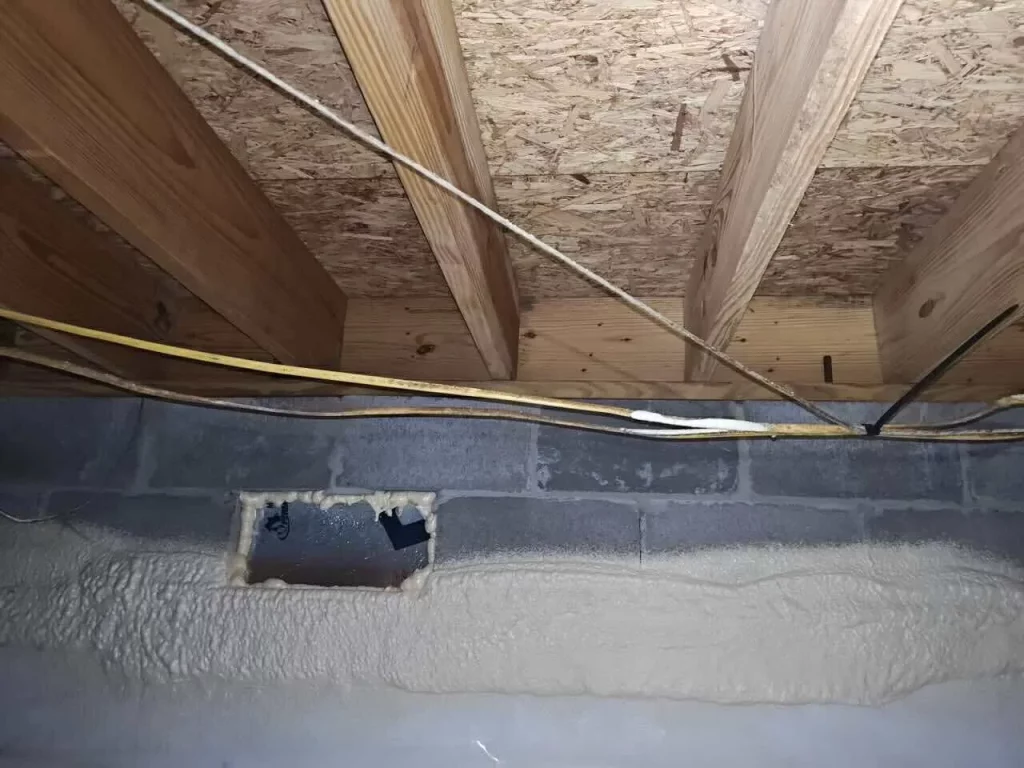
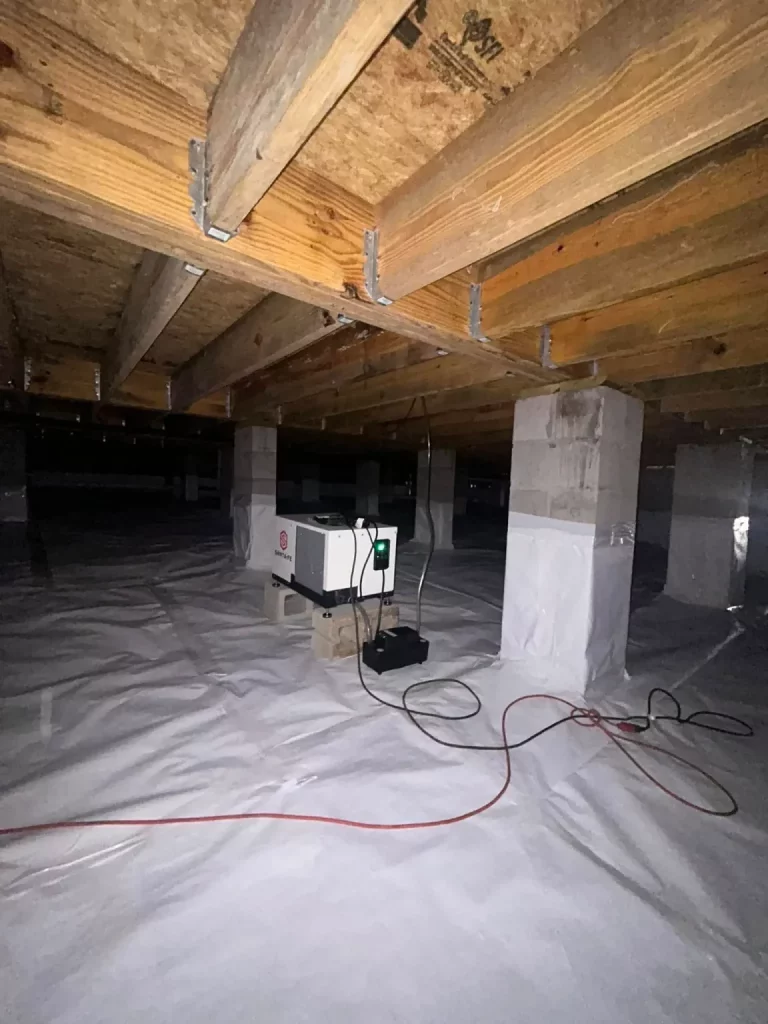
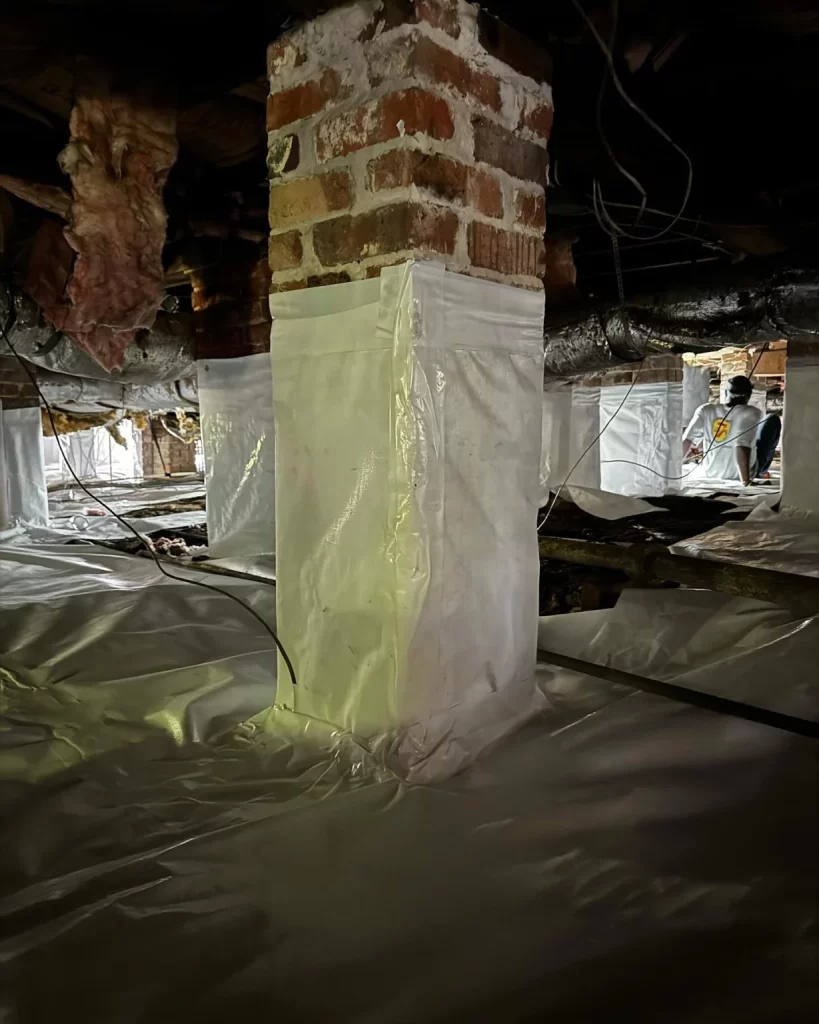
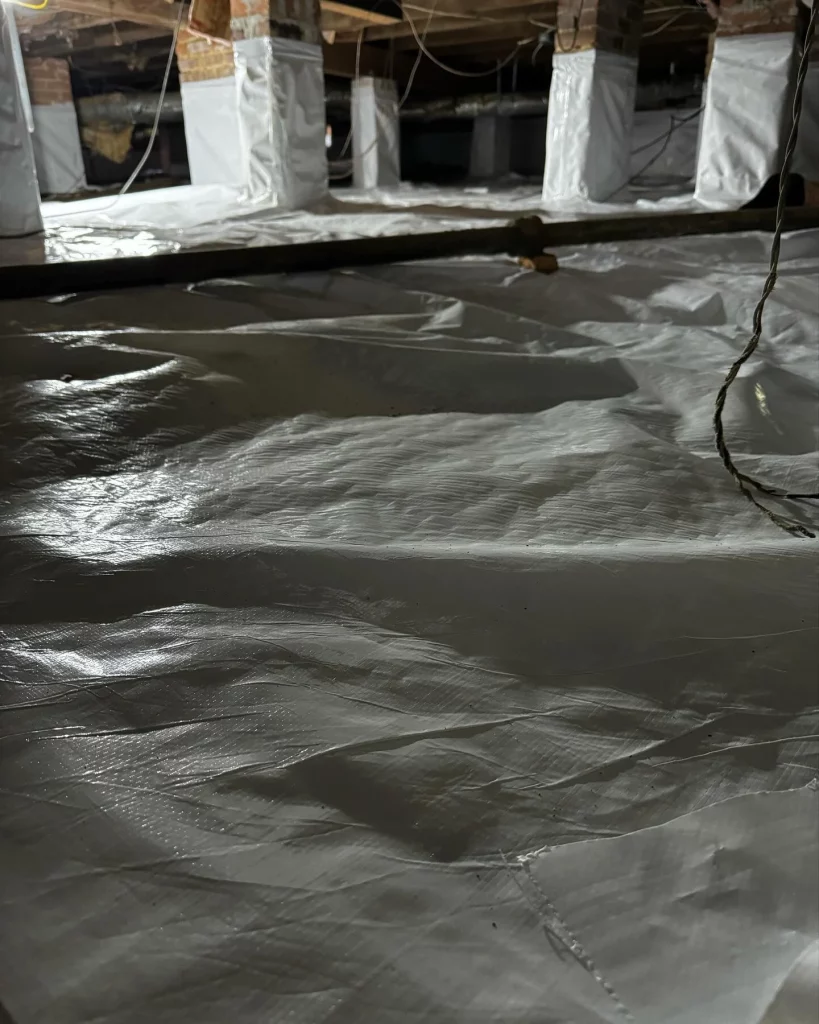
Encapsulation transforms a damp crawl space into a dry, controlled environment through a multi-layered approach. The process starts with sealing all vents and openings to prevent outside air and moisture from entering. A heavy-duty vapor barrier – typically 20-mil polyethylene – covers all surfaces, including walls and floors, creating a continuous moisture seal.
The encapsulation system includes proper drainage solutions to manage groundwater, while a dehumidifier maintains humidity levels below 50%, the threshold at which mold cannot reproduce. This combination creates a hostile environment for mold colonies, effectively preventing their growth and spread.
Bonus Tip: During encapsulation, it’s crucial to properly seal around plumbing pipes, electrical conduits, and HVAC ductwork. Even small gaps can allow significant moisture infiltration over time, undermining the entire system’s effectiveness.
Health Benefits of Reduced Mold Allergens
Reducing mold exposure directly improves indoor air quality and respiratory health. Mold spores contain mycotoxins that can trigger allergic reactions, including sneezing, runny nose, itchy eyes, and asthma symptoms. Children, elderly individuals, and those with compromised immune systems are particularly susceptible to these effects.
A properly encapsulated crawl space can reduce airborne mold spores by up to 80%, significantly decreasing allergen levels throughout your home. This improvement in air quality often leads to better sleep, fewer allergy symptoms, and reduced reliance on medications for respiratory issues.
Comparison of Mold Prevention Methods
| Method | Effectiveness | Lifespan | Maintenance |
|---|---|---|---|
| Encapsulation | 90-95% | 20+ years | Annual inspection |
| Vapor Barrier Only | 60-70% | 5-10 years | Bi-annual checks |
| Dehumidifier Only | 50-60% | 5-7 years | Filter changes |
| Ventilation Improvements | 40-50% | 10+ years | Periodic cleaning |
Bonus Tip: The table above demonstrates that while encapsulation has higher upfront costs, its long-term effectiveness and minimal maintenance make it more economical over time compared to partial solutions.
Regional Climate Considerations
The effectiveness of crawl space encapsulation varies by climate region. In humid areas like the Southeast, where summer humidity frequently exceeds 70%, encapsulation is particularly beneficial. These regions experience longer periods of ideal mold growth conditions, making moisture control essential.
In drier climates like the Southwest, encapsulation still offers benefits by addressing ground moisture and plumbing leaks, though the urgency may be lower. Local building codes also play a role – some areas have specific requirements for crawl space ventilation that may affect encapsulation approaches.
Things to Consider Before Making a Decision
Before committing to encapsulation, evaluate several key factors. First, assess the current moisture levels in your crawl space using a hygrometer. Readings consistently above 60% indicate significant moisture problems that need addressing.
Next, examine the existing water damage or mold growth. Extensive mold colonization may require professional remediation before encapsulation can be effective. Also, consider your home’s foundation type and any existing drainage issues that might need correction first.
Bonus Tip: Check for carbon monoxide risks if you have fuel-burning appliances in the crawl space. Encapsulation changes ventilation patterns and may require additional safety measures like CO detectors.
Key Takeaways
Crawl space encapsulation provides a comprehensive solution to mold allergen problems by eliminating the moisture necessary for mold growth. The process creates a dry, controlled environment that protects your home’s structure and improves indoor air quality throughout the entire house.
When evaluating encapsulation for your home, consider your local climate, existing moisture problems, and long-term health goals. While the initial investment may seem substantial, the health benefits and potential energy savings make it a worthwhile consideration for many homeowners, especially those in humid regions or with family members experiencing respiratory issues.
Get Professional Assessment
Premier Insulation offers comprehensive crawl space evaluations to help determine if encapsulation is right for your home. Contact the team at premierinsulationga@gmail.com or call (229) 554-3939 to schedule an inspection and receive a detailed assessment of your crawl space condition and recommended solutions.
Frequently Asked Questions
Does encapsulation eliminate all mold types?
Encapsulation creates conditions that prevent mold growth, but it doesn’t remove existing mold colonies. Active mold must be remediated before encapsulation for the system to be effective.
Will encapsulation lower my energy bills?
Yes, by reducing humidity and preventing air exchange through the crawl space, encapsulation can reduce HVAC workload. Homeowners typically see 10-20% savings on cooling and heating costs.
Can I encapsulate my crawl space myself?
While DIY encapsulation kits exist, professional installation is recommended for optimal results. Mistakes in sealing or drainage can lead to trapped moisture and worse problems than before.
How long does the encapsulation material last?
Quality encapsulation systems use 20-mil reinforced polyethylene that can last 25+ years when properly installed and maintained. Dehumidifiers typically need replacement every 7-10 years.
Does encapsulation increase home value?
Professional encapsulation systems can increase property value by addressing potential mold issues and improving energy efficiency. Many home inspectors now consider properly encapsulated crawl spaces a significant plus.
Sources
- Environmental Protection Agency – Federal agency providing comprehensive information on mold prevention, health effects, and remediation guidelines
- Advanced Energy – Non-profit research organization conducting studies on building science, including crawl space moisture control and air quality impacts
- Centers for Disease Control and Prevention – Public health agency offering information about mold health effects and prevention strategies for homes