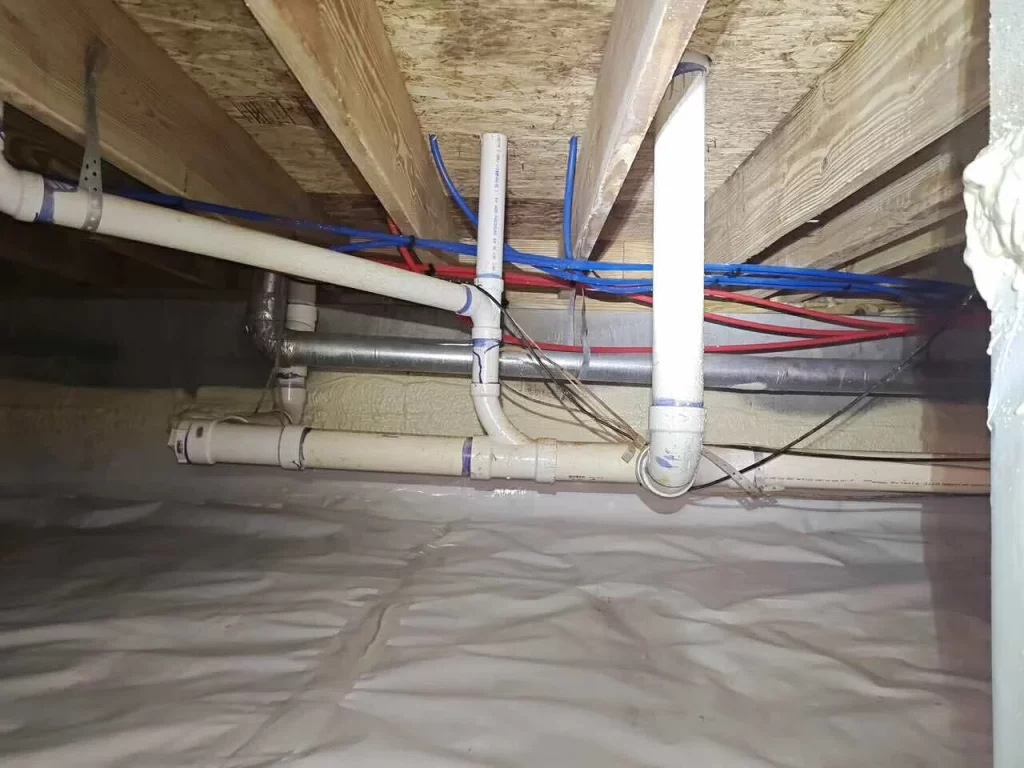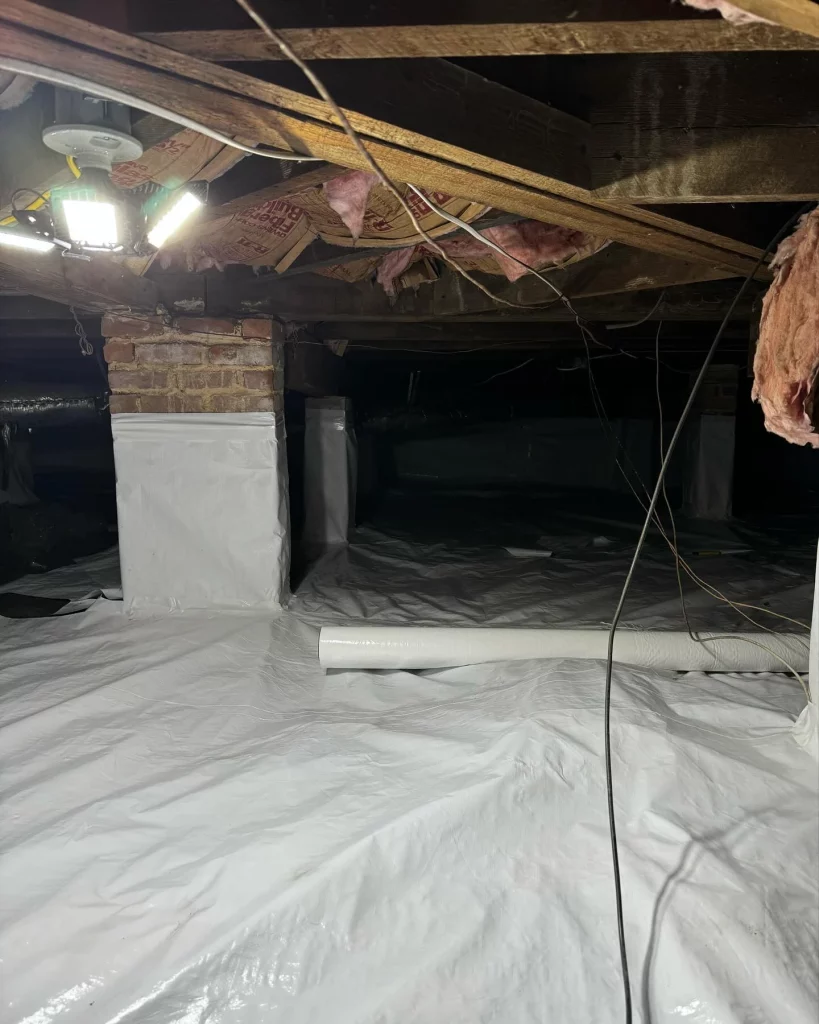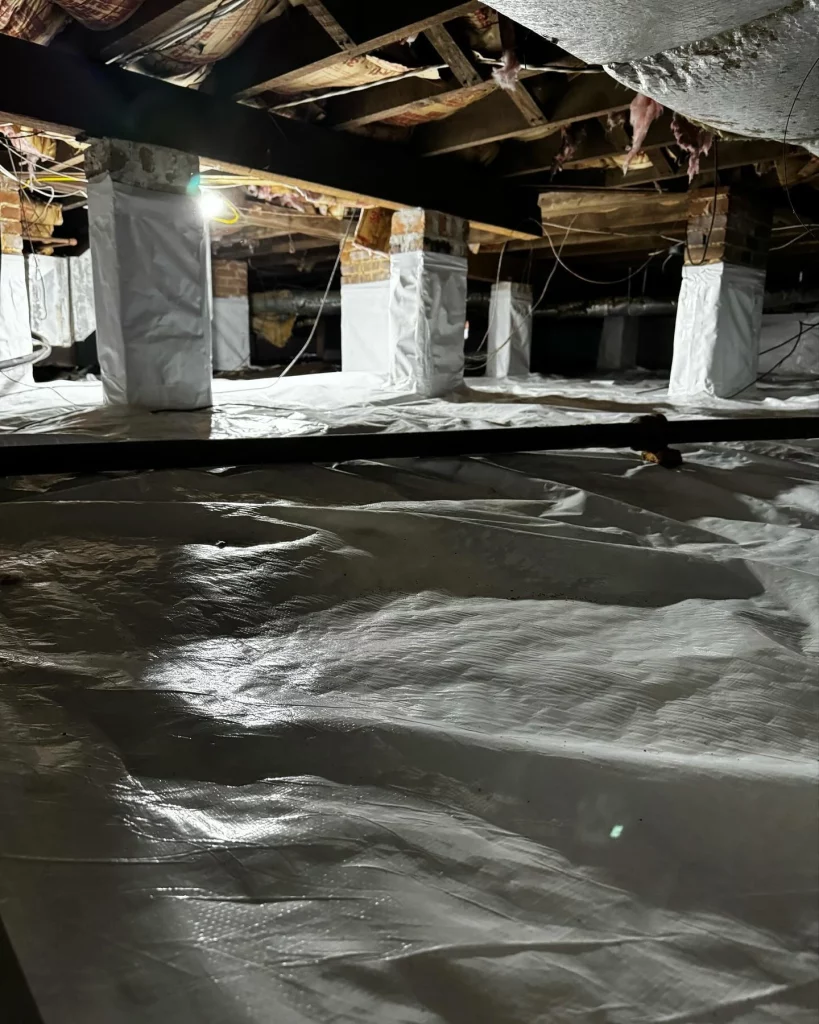
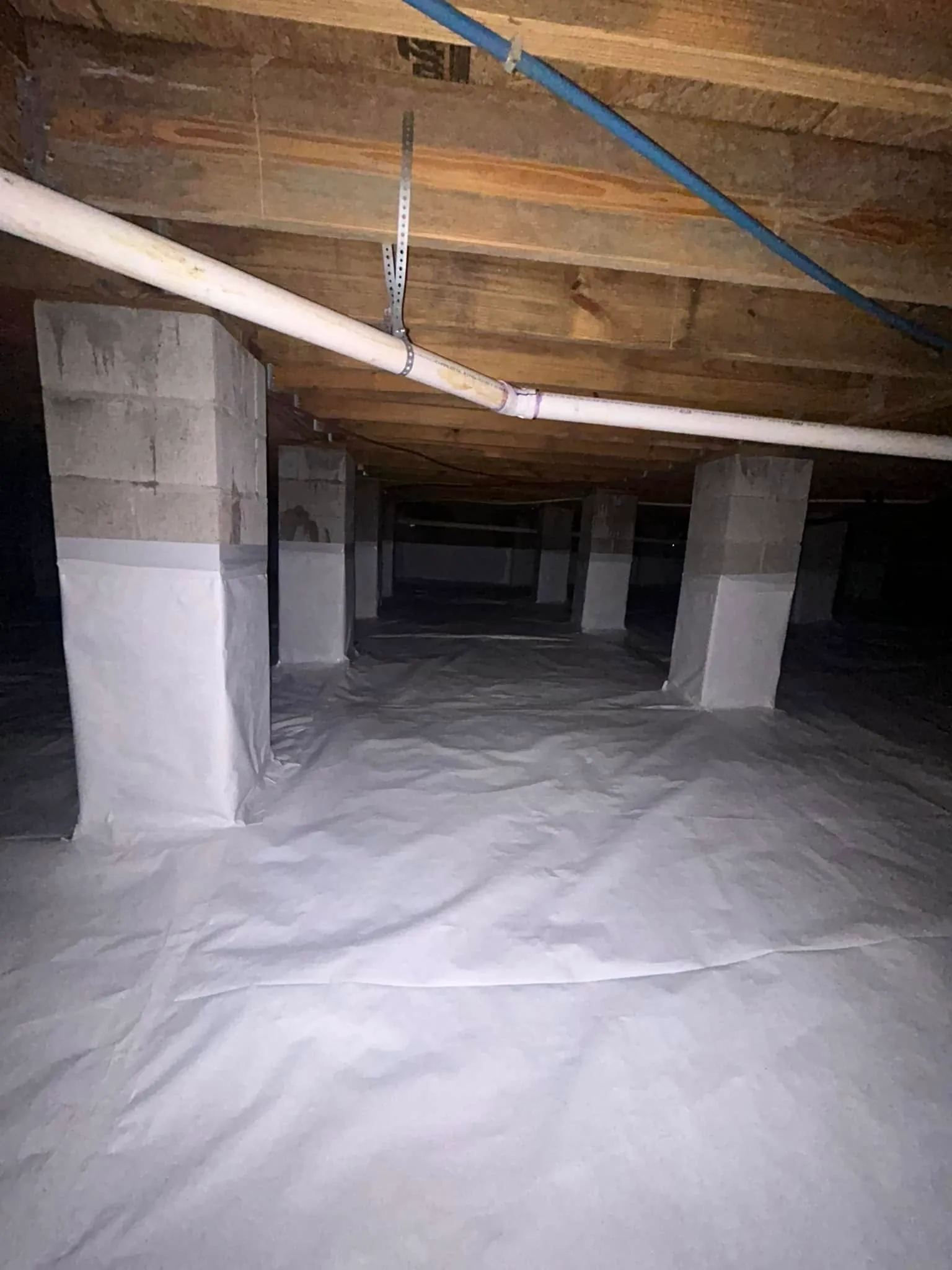
Crawl space encapsulation seals the area underneath your home with a heavy-duty moisture barrier, completely isolating it from the ground and outside air. This process prevents moisture from rising into your living spaces, preventing mold growth, reducing structural rot, and significantly improving the air quality your family breathes every day. By controlling the environment beneath the house, encapsulation creates a physical barrier against humidity, pests, and airborne toxins that often originate in dirt crawl spaces.
Many homeowners overlook the crawl space, yet it acts as the lungs of the home. Air from this space naturally rises into the main living areas through the “stack effect.” If that air is full of mold spores or dust mites, the indoor air quality suffers. Premier Insulation knows from years of field experience that sealing this space is one of the most effective ways to protect a home’s structural integrity and the health of its occupants.
Improved Indoor Air Quality
The air inside a home often comes directly from the crawl space. In a typical vented setup, up to half of the air you breathe on the first floor originated in the crawl space. When this area is damp and full of debris, it contaminates the entire house. Encapsulation stops this cycle. It covers the dirt floor and sealed vents, ensuring the air that rises into the home is clean and dry.
Families with allergies or asthma often notice a difference quickly. By sealing off the source of humidity and dust, the overall allergen load inside the house drops. The Environmental Protection Agency identifies moisture control as a primary strategy for improving indoor air quality and reducing health risks associated with poor ventilation.
Mold and Mildew Prevention
Mold needs three things to grow: organic material, food, and moisture. Your floor joists and subfloor provide the organic material and food. A vented crawl space usually allows moisture to enter through vents or through groundwater evaporating from the dirt. Removing one of these elements stops the growth.
Encapsulation cuts off the moisture supply. Without high humidity levels, mold cannot thrive. This protects the home’s wood structure and prevents mold spores from circulating in the air. Long-term mold exposure can cause respiratory issues, throat irritation, and other health problems. Stopping it at the source protects the building and the people living inside.
Structural Protection
Excess moisture causes wood rot. When the humidity in a crawl space stays high for extended periods, the wooden beams and joists begin to decay. Dry rot compromises the floor’s strength, leading to squeaky boards, uneven surfaces, and, in extreme cases, structural failure. Keeping the wood dry ensures the home remains safe and stable.
A study by Advanced Energy Corporation found that homes with sealed crawl spaces maintained significantly lower humidity levels than those with exterior vents. This stability preserves the wood. When the structure is sound, the home remains a safe environment. Structural issues caused by rot can be expensive to fix and dangerous if left unaddressed.
Pest and Rodent Deterrence
Dark, damp, and dirty spaces attract pests. Insects, termites, and rodents seek out environments that offer shelter and water sources. A vented crawl space with a dirt floor is an open invitation. Termites thrive in damp wood, while rodents burrow into insulation to nest.
Encapsulation changes the habitat. The thick liner makes it difficult for pests to burrow into the ground. By lowering the humidity, the space becomes less attractive to insects. Without moisture, many pests simply move on. Fewer pests underneath the house means fewer chances for them to find entry points into the living areas or carry diseases into the home.
Temperature Regulation and Comfort
Cold floors in the winter and stuffy air in the summer often stem from an unconditioned crawl space. In winter, cold air enters through vents and cools the floorboards above. In summer, hot, humid air enters, bringing the heat with it. This forces HVAC systems to work harder to maintain a comfortable temperature.
Sealing the space creates a semi-conditioned area. The temperature in the crawl space stays closer to the temperature inside the home. The heating and cooling system does not have to fight the extreme temperatures underneath the floor. This leads to more consistent temperatures throughout the house and reduces strain on the equipment.
Reduced Energy Consumption
When the HVAC system runs efficiently, energy bills go down. Because an encapsulated crawl space stabilizes the temperature, the furnace and air conditioner do not cycle on and off as frequently. The Department of Energy estimates that sealing and insulating a crawl space can lead to significant savings on energy bills, often reducing heating and cooling costs by 15% to 20% in some climates.
Using less energy is not just good for the wallet. It puts less demand on the power grid and reduces the home’s carbon footprint. Over time, the savings can offset the installation cost. For families looking to manage household budgets, this reduction in monthly utility costs provides tangible financial relief.
Radon Gas Mitigation Support
Radon is a colorless, odorless radioactive gas that comes from the natural decay of uranium in the soil. It seeps into homes through cracks in foundations or through dirt floors. Long-term radon exposure is the second leading cause of lung cancer. While encapsulation alone does not stop all radon, it acts as the first line of defense.
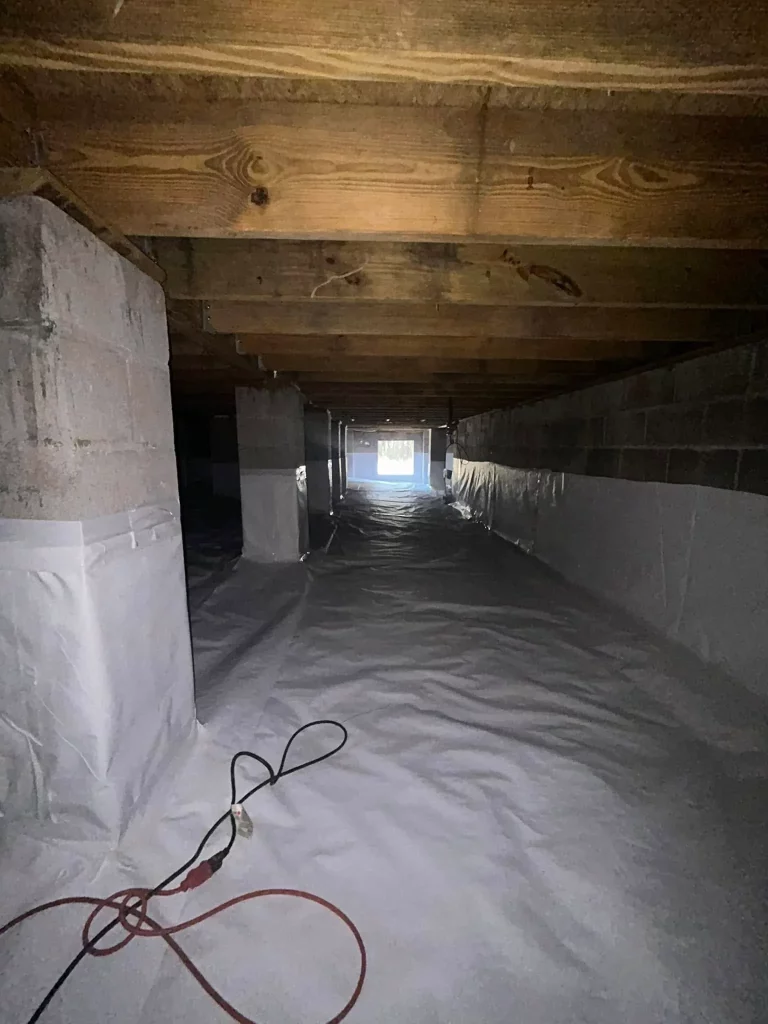
The heavy-duty liner used in encapsulation creates a barrier that slows the movement of soil gases into the home. If a radon mitigation system is needed, an encapsulated crawl space provides the ideal environment for it to work effectively. The system can draw gas from under the liner and vent it safely to the outside. This significantly reduces radon gas concentration in the living space.
Comparison of Crawl Space Conditions
| Condition | Vented Crawl Space | Encapsulated Crawl Space |
|---|---|---|
| Humidity Level | High (fluctuates with seasons) | Low and Stable |
| Mold Growth Risk | High | Very Low |
| Air Quality | Poor (dust, mold spores enter home) | Excellent (sealed from contaminants) |
| Pest Activity | High (ideal nesting ground) | Low (unattractive environment) |
| Energy Efficiency | Lower (heat loss/gain through floor) | Higher (stable temperature) |
| Maintenance Needs | Frequent (cleaning debris, re-insulating) | Minimal |
Things to Consider Before Making a Decision
Before starting a project like this, homeowners should assess the condition of their crawl space. Standing water indicates a drainage problem that must be fixed before encapsulation. A drainage system or sump pump might be necessary to direct water away from the home. Simply sealing water inside will cause more damage.
The condition of the existing insulation is another factor. Wet or sagging fiberglass insulation loses its effectiveness and should be removed. Rim joists should be sealed and insulated to prevent air leakage. Finally, check for any structural damage that needs repair before the liner goes down. Encapsulation preserves the future condition of the wood, but serious existing rot must be addressed first.
Common Questions
- Does encapsulation make the home too tight? No. A home still breathes through its upper levels and standard ventilation. Encapsulation targets the specific problem of ground moisture entering from below.
- How long does the installation take? Most residential projects take one to three days. The timeline depends on the size of the crawl space and whether repairs are needed.
- Is this a DIY project? It is possible, but difficult. Professional installation ensures the liner is sealed tightly around piers and pipes, which is essential for success.
Bonus Tips
- Monitor the humidity. Installing a simple hygrometer in the crawl space allows homeowners to track humidity levels. It should stay below 60% to prevent mold.
- Don’t forget the sump pump. If the area is prone to water, include a sump pump pit in the design. This protects the investment even during heavy rains.
- Service the HVAC. While the access is open, have the ductwork inspected and sealed. Leaky ducts in a vented crawl space draw in dust and humidity.
Final Thoughts on Encapsulation
Encapsulating a crawl space offers clear health and structural benefits. It stops mold, improves air quality, and makes the home more efficient. These improvements directly impact the well-being of the family living there. While the upfront cost is a consideration, the long-term protection against rot, pests, and high energy bills makes it a practical choice for many homeowners in 2026. Evaluate the specific needs of the home, check for drainage issues, and consider the long-term savings.
Get Help With Your Project
If you want to improve your home’s air quality and energy efficiency, contact Premier Insulation for an assessment. Reach out via email at premierinsulationga@gmail.com or call (229) 554-3939 to discuss options for your specific situation. A professional inspection can identify moisture issues and determine the best approach for your home. Read More.
Frequently Asked Questions
Does encapsulation increase home value?
Yes, it does. Energy efficiency upgrades and mold prevention are attractive selling points. Inspectors often note encapsulated crawl spaces as a positive feature because it shows the owner maintained the property.
Will it stop the musty smell in the house?
In most cases, yes. That musty odor usually comes from mold and mildew in the crawl space. Once the moisture source is removed and the mold dies back, the smell typically dissipates.
Can I store items in an encapsulated crawl space?
It depends on the height. If the space is tall enough to walk in, yes. The clean, dry floor makes it a viable storage area. However, avoid storing cardboard boxes directly on the liner, as they can attract pests.
How much does crawl space encapsulation cost?
The cost varies based on the size of the home and the materials used. It is a significant investment, but the return comes through lower energy bills, reduced repair costs, and improved health.
Sources
- Environmental Protection Agency – Information on moisture control strategies to protect indoor air quality and health.
- Advanced Energy – Research data on crawl space performance and the benefits of sealing versus venting.
- Department of Energy – Guidelines on insulation and air sealing benefits for energy savings.