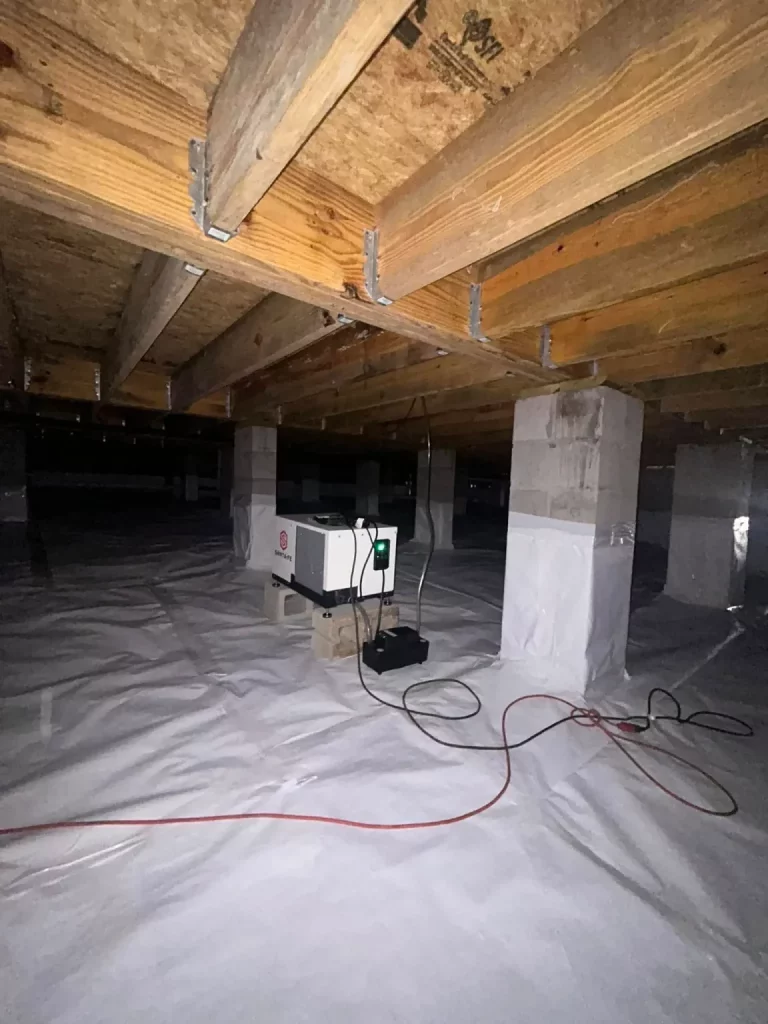
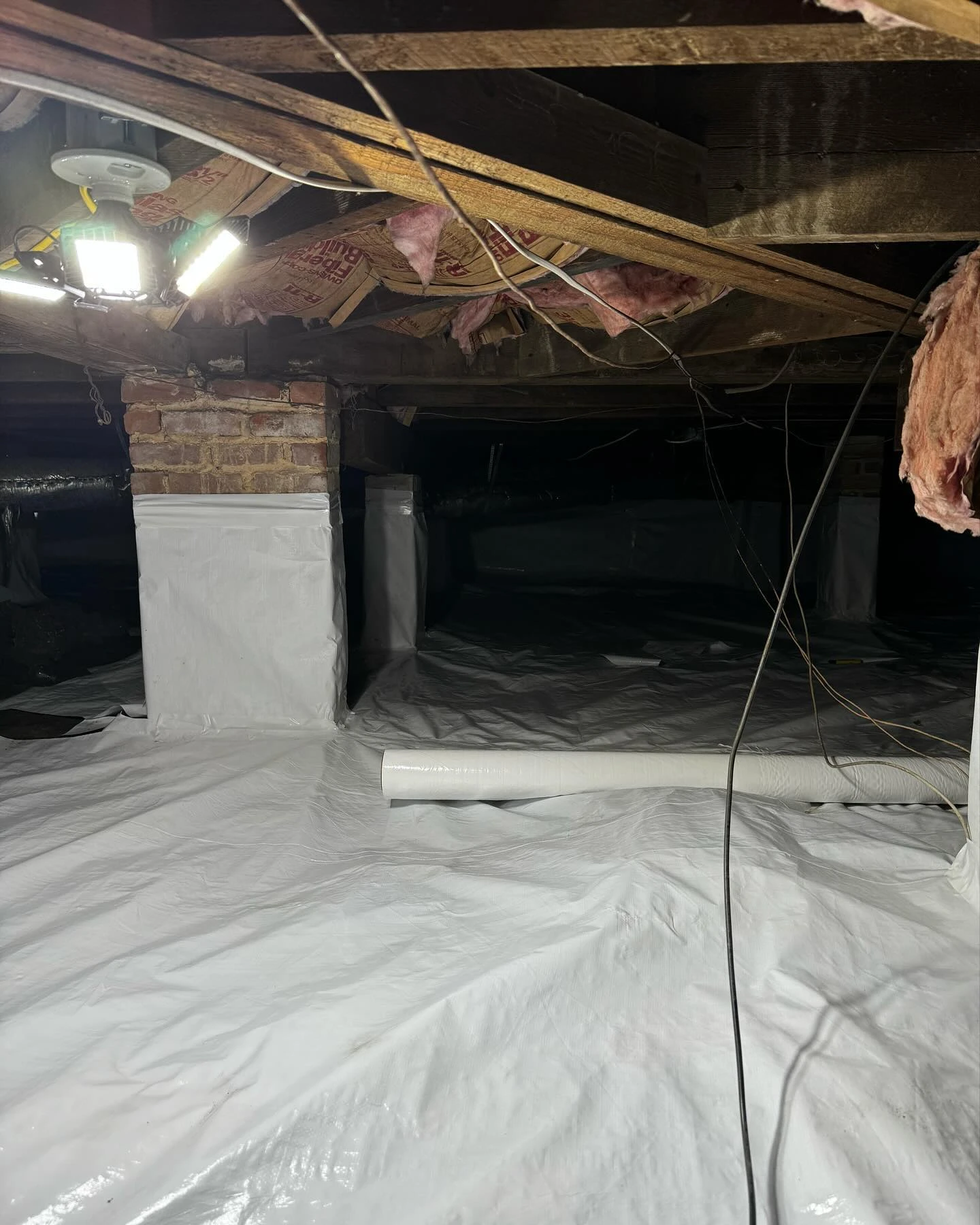
Planning crawl space encapsulation requires careful attention to detail to avoid costly mistakes that can compromise your home’s foundation and indoor air quality. The six most common errors include poor moisture assessment, selecting inadequate vapor barriers, improper sealing techniques, neglecting drainage solutions, overlooking ventilation requirements, and attempting DIY installation without proper knowledge. Each mistake can lead to mold growth, structural damage, and wasted money on ineffective solutions. This guide provides detailed insights based on years of experience helping homeowners create dry, healthy crawl spaces that protect their property investment.
Poor Moisture Assessment
The foundation of any successful encapsulation project starts with understanding exactly where moisture originates. Many homeowners jump straight to installation without first identifying whether water comes from groundwater seepage, surface runoff, plumbing leaks, or high humidity. Skipping this diagnostic step means treating symptoms rather than addressing root causes.
Groundwater issues often require sump pump installation before any barrier materials go down. Surface drainage problems need grading corrections or gutter system repairs first. According to EPA research, more than 45% of homes in humid climates experience moisture problems from multiple sources. Simply wrapping a wet crawl space without solving these issues traps moisture against foundation walls, accelerating deterioration.
Things to Consider Before Making a Decision: Conduct a year-round moisture assessment. Measure humidity levels during different seasons, check for water stains on foundation walls, and monitor after heavy rainfall. Professional moisture mapping costs $300-800 but prevents thousands in repairs from ineffective encapsulation.
Inadequate Vapor Barrier Selection
Not all plastic sheeting creates effective vapor barriers. Many homeowners mistakenly use standard 4-mil polyethylene from hardware stores, which tears easily and allows moisture transmission. Proper encapsulation requires minimum 10-mil thickness, with 20-mil providing superior durability for high-traffic areas or gravel floors.
The material choice depends on crawl space conditions. Low-traffic, clean concrete floors might work with 10-mil reinforced polyethylene, while rough dirt crawl spaces with sharp rocks demand 20-mil or thicker materials. Additionally, barriers should meet ASTM E1745 standards for Class A, B, or C vapor retarders.
Bonus Tip: Look for barriers with antimicrobial treatments if your crawl space has existing mold issues. These materials resist mold growth on the surface and help prevent future colonization.
Ignoring Proper Sealing Techniques
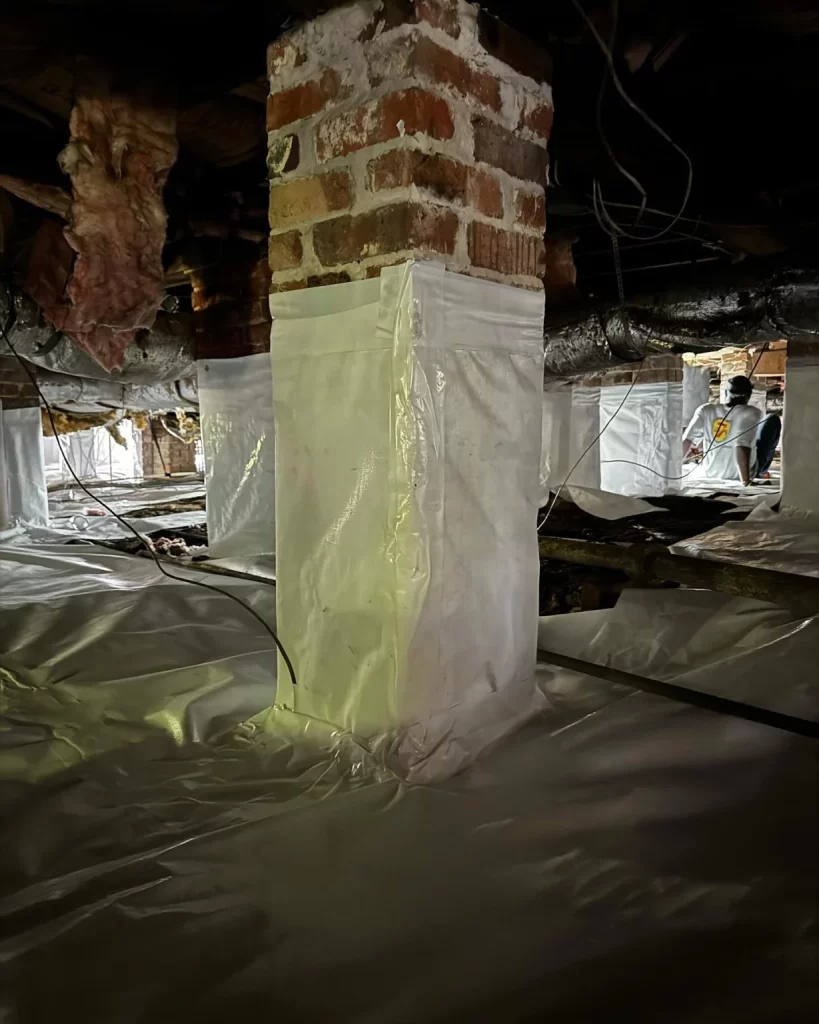
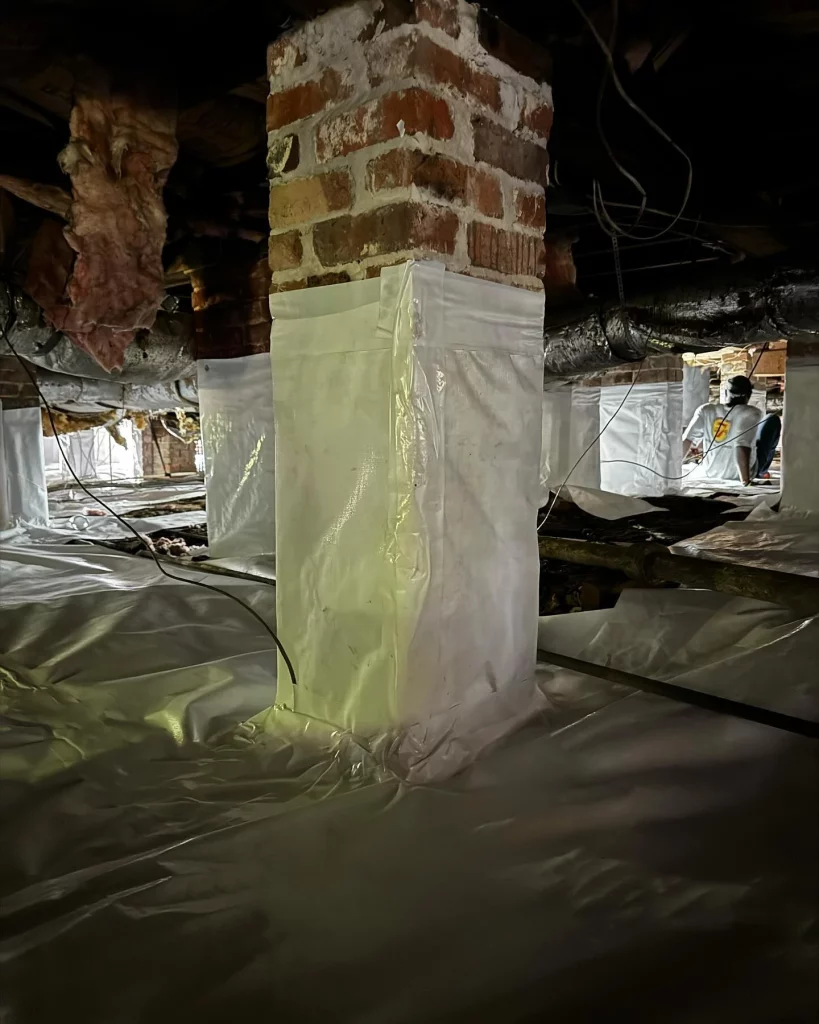
Even the thickest vapor barrier fails when seams, edges, and penetrations aren’t properly sealed. Common mistakes include using duct tape instead of specialized foundation tape, leaving gaps around pipes and piers, and failing to seal the barrier to foundation walls. These openings allow moisture bypass, rendering the system ineffective.
Proper sealing requires overlapping seams by at least 12 inches and sealing with foundation-specific tape. All penetrations need thorough sealing with appropriate sealants. The barrier should extend 6 inches up foundation walls and be mechanically fastened with foundation-compatible fasteners or mastic. According to Building Science Corporation, improper sealing accounts for over 60% of encapsulation failures.
Vapor Barrier Thickness Comparison:
| Thickness | Best For | Durability |
|---|---|---|
| 6 mil | Temporary solutions | 2-3 years |
| 10 mil | Basic encapsulation, low traffic | 5-8 years |
| 12 mil | Standard residential use | 10-15 years |
| 20 mil | High traffic, rough surfaces | 20+ years |
Neglecting Drainage Solutions
Encapsulation doesn’t eliminate the need for proper drainage. Standing water beneath vapor barriers creates hydrostatic pressure, leading to material failure and moisture wicking into foundation walls. Many installers overlook interior drainage systems, especially in areas with high water tables or poor exterior drainage.
Effective drainage might include French drains, perimeter trench systems, or sump pump installations. The drainage system should address both groundwater intrusion and plumbing leaks. Energy Star recommends that encapsulated crawl spaces include proper drainage to manage water intrusion and prevent moisture accumulation.
Bonus Tip: Install a drainage mat under the vapor barrier in very wet crawl spaces. These dimpled mats create air gaps that allow water movement to drainage points while keeping the barrier dry.
Overlooking Ventilation Requirements
Modern building science has changed views on crawl space ventilation. While old recommendations suggested cross-ventilation, most experts now agree that vented crawl spaces in humid climates actually increase moisture problems. However, completely sealed spaces still need some air exchange mechanism.
Climate-appropriate solutions vary by region. In humid areas (zones 1-3), completely sealed crawl spaces with conditioned air work best. In mixed climates, limited venting with automated controls might be appropriate. The International Residential Code (IRC) provides guidelines based on climate zones that help determine optimal ventilation strategies.
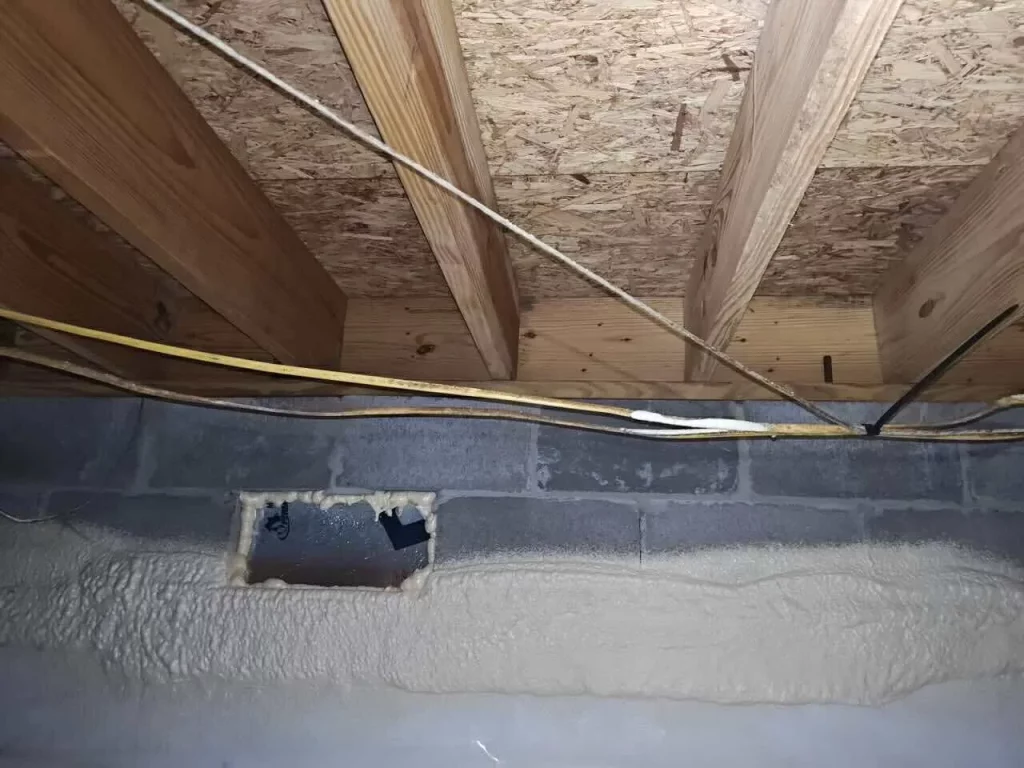
Bonus Tip: If converting from a vented to sealed system, properly seal existing vents with insulation board and spray foam. Leaving vents open defeats the purpose of encapsulation and creates air exchange with humid outside air.
DIY Installation Without Proper Knowledge
Professional encapsulation requires specific knowledge of building science, material compatibility, and local code requirements. DIY attempts often fail due to improper seam sealing, inadequate preparation, or missing components. Additionally, many areas require permits for encapsulation work, especially when affecting the home’s thermal envelope.
The installation process involves more than laying plastic. It requires cleaning and preparing the surface, inspecting and repairing foundation cracks, installing drainage systems, properly sealing all penetrations, and sometimes adding insulation or conditioning systems. Improper installation can create hidden moisture problems that aren’t visible until significant damage occurs.
Premier Insulation recommends getting professional assessments before starting any encapsulation project to avoid these common pitfalls.
Final Considerations
Successful crawl space encapsulation requires addressing moisture sources before installation, using appropriate materials, proper sealing techniques, adequate drainage, climate-appropriate ventilation, and professional installation knowledge. Rushing through planning or cutting corners creates expensive problems that outweigh any initial savings.
Evaluate your specific crawl space conditions, climate challenges, and long-term home maintenance goals before deciding on encapsulation. Consider a professional assessment to identify hidden issues and ensure the solution matches your home’s needs. A properly executed encapsulation project protects your foundation, improves indoor air quality, and increases energy efficiency for decades.
Contact for Professional Assessment
For homeowners considering crawl space encapsulation, a professional evaluation helps avoid costly mistakes. Premier Insulation provides comprehensive moisture assessments and encapsulation planning services. Contact the team at premierinsulationga@gmail.com or call (229) 554-3939 to schedule an evaluation. The consultation includes moisture mapping, material recommendations, and detailed project planning specific to your home’s conditions and local climate requirements.
FAQS
How long does crawl space encapsulation take to complete?
Professional installation typically takes 2-5 days, depending on crawl space size, condition, and whether additional work like drainage or insulation is needed. DIY projects often take much longer due to learning curves and equipment limitations.
Will encapsulation lower my energy bills?
Yes, but the savings vary. Research from the Advanced Energy Corporation shows average energy savings of 15-18% in hot-humid climates, with some homeowners reporting 20% or more reduction in heating and cooling costs.
Do I need to encapsulate my entire crawl space at once?
Partial encapsulation can address specific moisture problems but may lead to moisture migration to untreated areas. For best results, complete the entire crawl space during one project to avoid creating new problem zones.
What maintenance does an encapsulated crawl space require?
Encapsulated spaces need annual inspections of the vapor barrier integrity, checking seals around penetrations, testing sump pumps if installed, and monitoring humidity levels. Most maintenance involves simple visual checks.
Sources
- EPA – Environmental Protection Agency’s comprehensive guide to mold prevention and moisture control in residential structures
- Building Science Corporation – Research-based best practices for crawl space design and moisture management
- Energy Star – Energy efficiency guidelines for home sealing including crawl space encapsulation
- Advanced Energy Corporation – Independent research on energy savings and performance benefits of dry crawl space systems