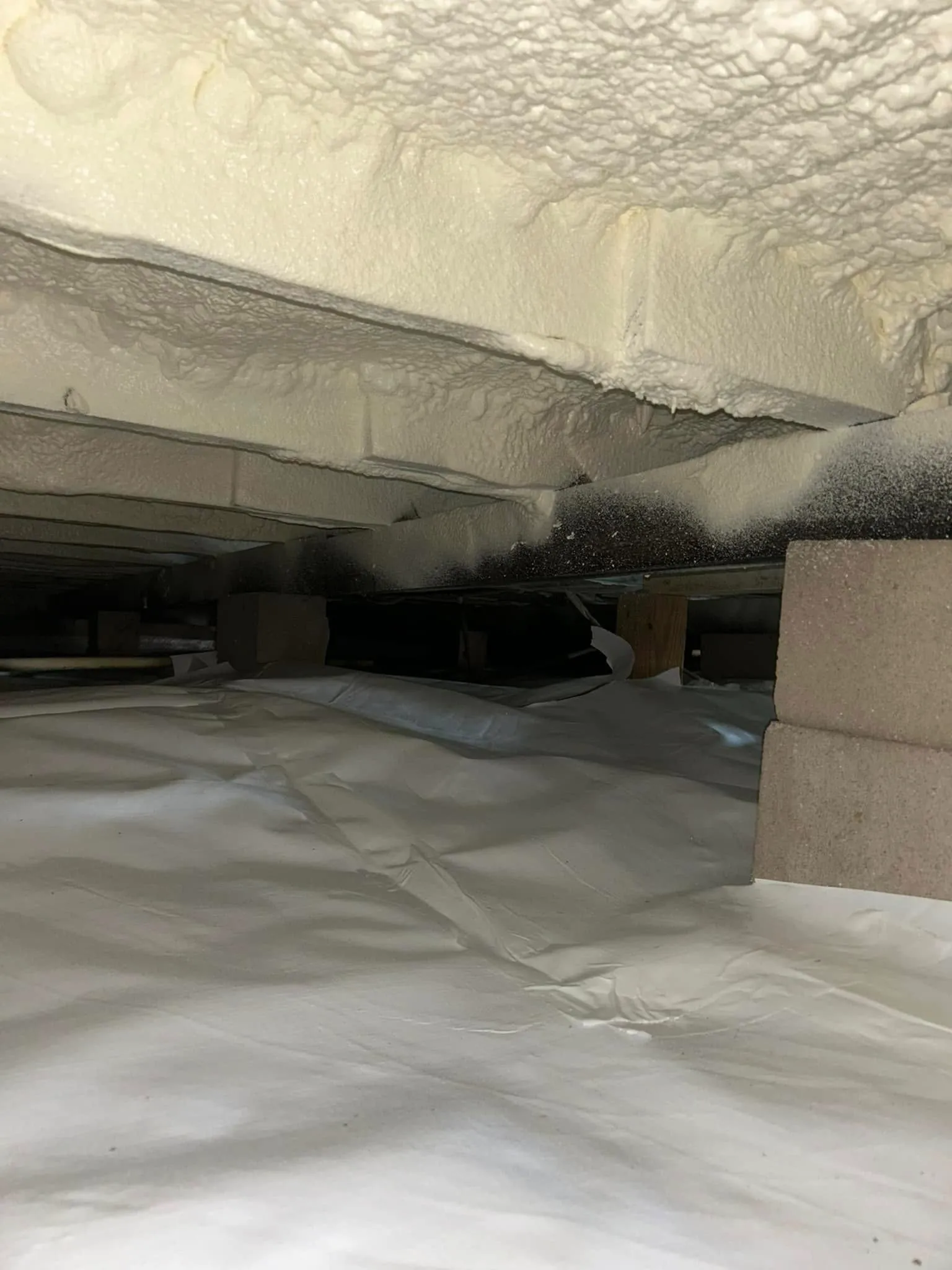
Pest control becomes significantly easier after encapsulation because the process removes the moisture and shelter that pests need to survive. By sealing the crawl space and controlling humidity, the environment becomes inhospitable to insects and rodents, which forces them to look elsewhere for food and water. This lack of resources means existing pest populations die off or leave, while new infestations are naturally deterred without the need for constant chemical intervention.
Understanding why this works requires looking at how local climates affect homes. In the Bainbridge area, the high water table and humid air create a perfect storm underneath houses. Premier Insulation has seen firsthand how vented crawl spaces act as pest breeding grounds. This article will explain exactly how encapsulation changes that dynamic, what to expect during the process, and why it leads to long-term pest management success.
The Local Climate Problem
Bainbridge experiences long, hot summers with high humidity levels. This atmospheric moisture seeps into open crawl spaces through foundation vents. When humid air meets the cooler ground surface in the crawl space, condensation forms, creating a constant water source.
The soil in South Georgia often contains heavy clay that holds water. If drainage is poor, standing water can remain under the house for weeks. This combination of wet soil and humid air attracts pests like termites, carpenter ants, and roaches. These creatures do not just tolerate moisture. They thrive in it.
Encapsulation addresses this specific regional issue by sealing the exterior and the ground. Without that constant influx of humid air, the space dries out. The pests lose their primary reason for being there.
Moisture is the Primary Attractor
Most homeowners assume pests enter a home looking for food. While food is a factor, water is often the bigger draw. A crawl space offers a reliable water source that pests cannot find easily in a dry, landscaped yard. Termites, specifically subterranean termites, require contact with moist soil to survive. They build mud tubes to maintain that humidity connection while they travel.
Rodents like rats and mice seek shelter from the heat and predators. A damp, cluttered crawl space filled with fallen insulation provides excellent cover. Once they move in, they reproduce rapidly, creating a problem that spreads to the living area above.
When encapsulation removes the moisture, it breaks this cycle. A dry crawl space feels like a desert to a moisture-loving pest. They either move on or perish.
Common Pests and Moisture Needs
Different pests react to environmental changes in different ways. Understanding these reactions helps explain why pest control efforts are more effective after the space dries out.
| Pest Type | Primary Attraction in Crawl Spaces | Behavior After Encapsulation |
|---|---|---|
| Subterranean Termites | Moist soil contact, wet wood | Habitat becomes unsuitable; foraging moves elsewhere |
| Cockroaches | Condensation on pipes, damp organic matter | Population decreases due to lack of water sources |
| Rodents | Clutter, warmth, cover | Entry becomes harder; cover is reduced; often leave |
| Spiders | Other insects (prey) | Food source dwindles as other pests leave |
| Carpenter Ants | Wet, rotting wood | Stop boring into dry wood; colony may relocate |
How Encapsulation Changes the Environment
Encapsulation involves more than just laying plastic on the dirt. It is a system designed to alter the crawl space climate permanently.
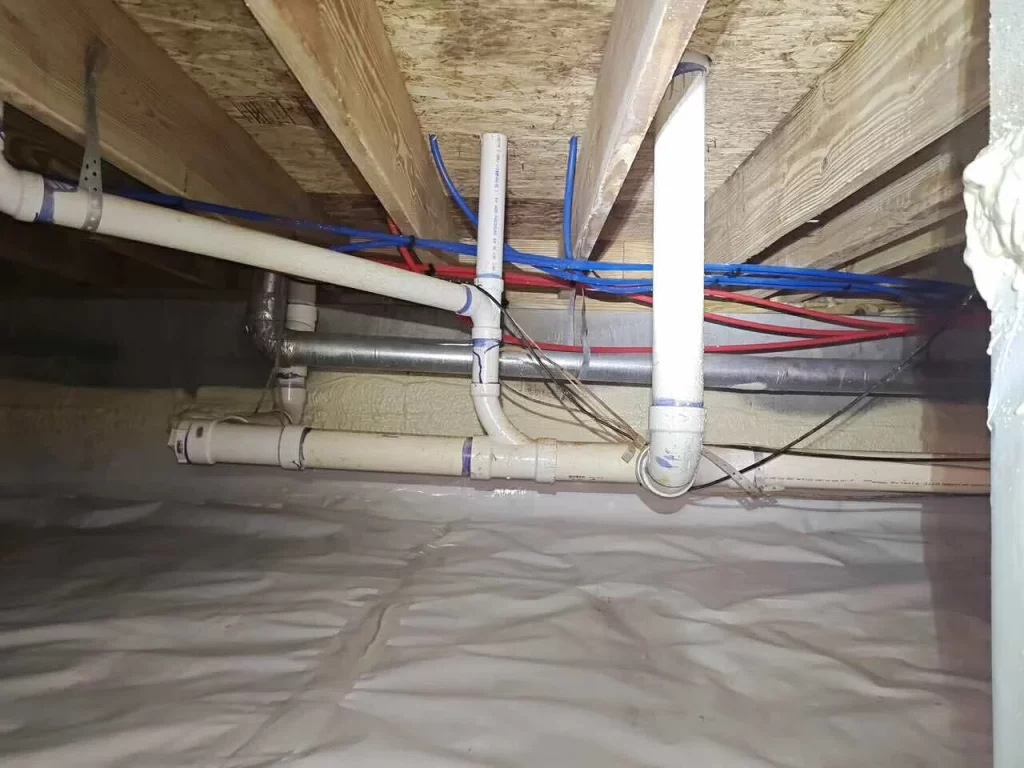
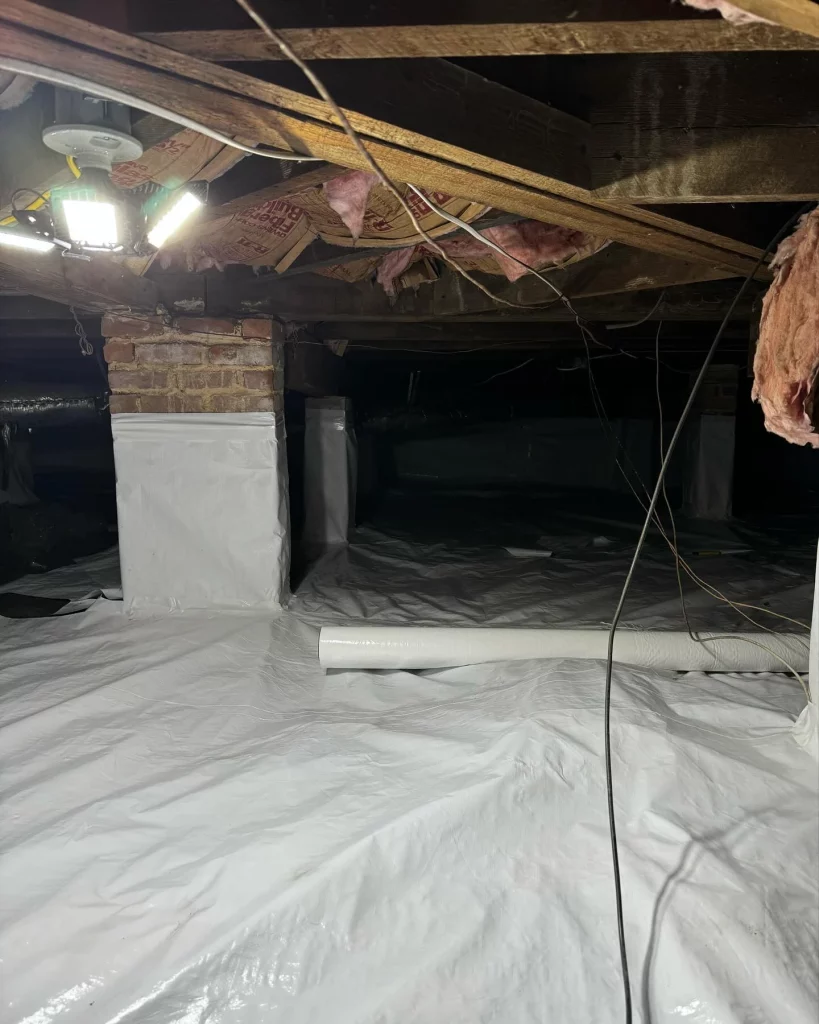
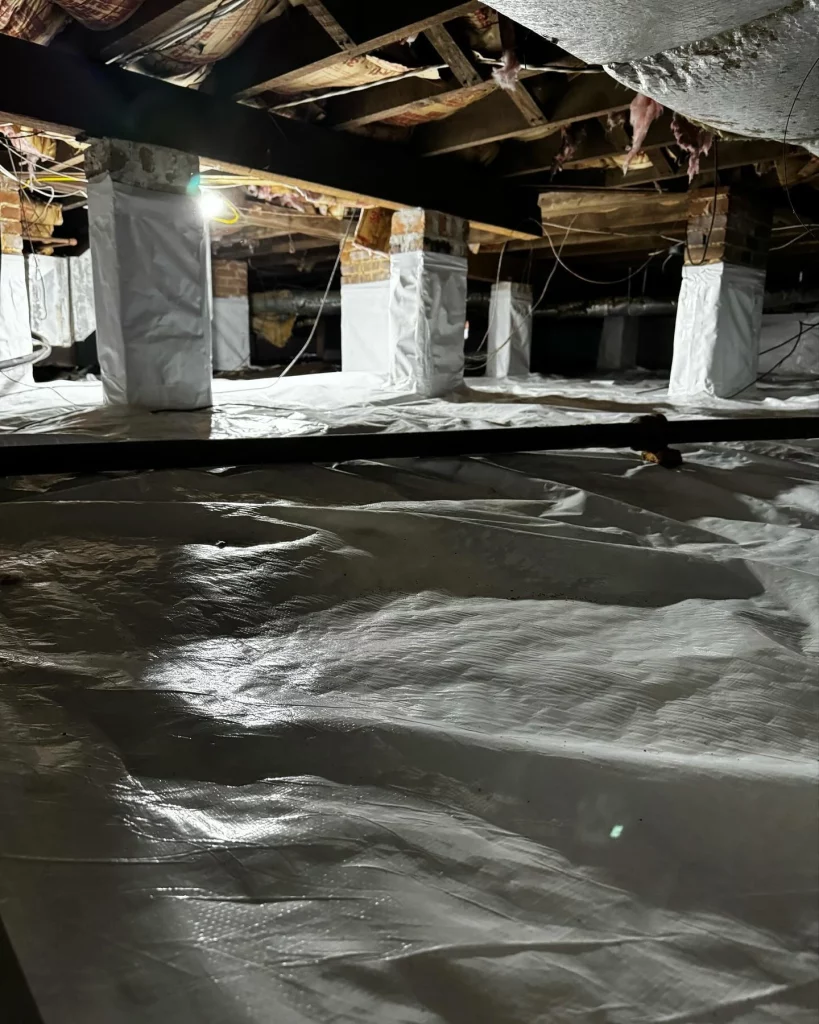
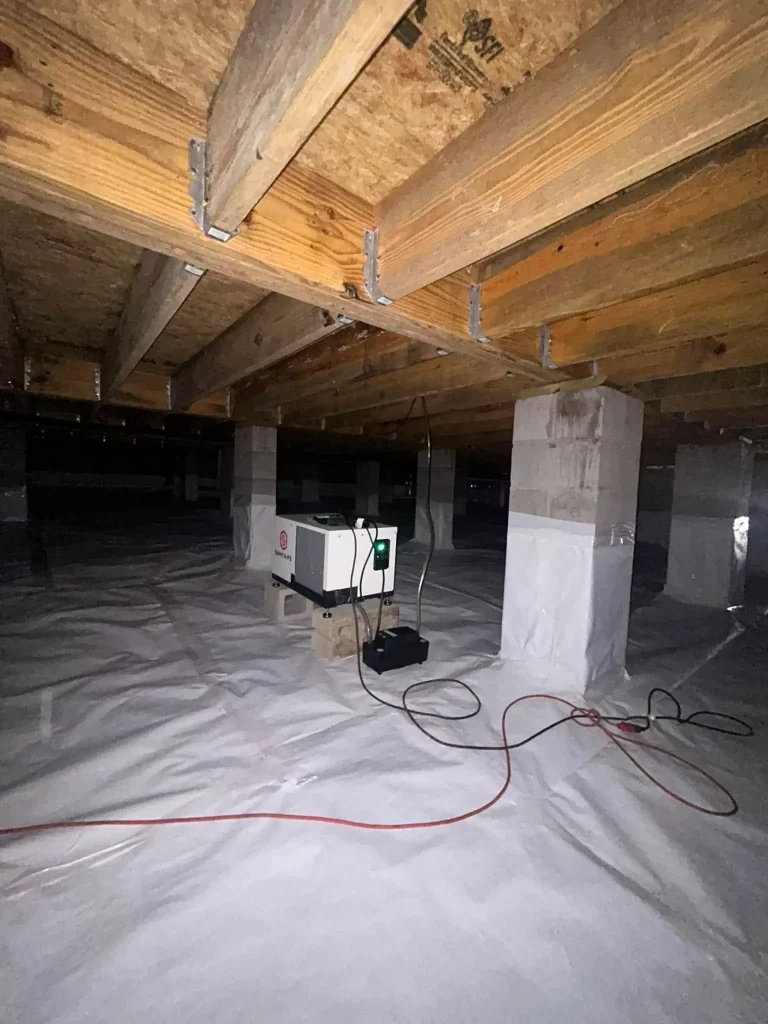
Vapor Barrier Installation A heavy-duty polyethylene liner, usually 10 to 20 mils thick, covers the entire ground floor. This liner is sealed at all seams and wrapped around piers and pipes. It stops ground moisture from evaporating into the air.
Sealing the Vents Foundation vents are closed off. This prevents humid outdoor air from entering. It also stops pests from having an easy open door to walk right in.
Dehumidification A commercial-grade dehumidifier is often installed to keep the relative humidity below 60%. According to the Environmental Protection Agency, keeping indoor humidity below 60% reduces the likelihood of mold growth and dust mites, which also discourages insect activity.
With these three elements in place, the crawl space becomes a conditioned space similar to the inside of the home. Pests lose their advantage.
Things to Consider Before Making a Decision
Encapsulation is a major home improvement. It is not a quick fix. Before starting this project, several factors need evaluation.
Drainage Issues Encapsulation will not fix a drainage problem. If rainwater pools against the foundation, that water must be diverted first. Installing a sump pump or exterior french drains might be necessary before sealing the space.
Existing Structural Damage If termites or rot have already damaged the floor joists, sealing the space will not repair the wood. A structural engineer or pest professional should inspect the framing first. Premire Insulation recommends addressing structural integrity before encapsulation to ensure the envelope seals correctly.
Plumbing Leaks Active plumbing leaks must be fixed. Sealing a crawl space with a leaking pipe will trap moisture under the liner, leading to mold growth and potential flooring issues.
Ventilation Standards Local building codes have historically required crawl space vents. While modern codes allow for conditioned crawl spaces, permits are often required. Ensure the project meets current Bainbridge and Decatur County regulations.
Bonus Tips from Experience
Check the Downspouts One of the biggest contributors to wet crawl spaces is roof runoff. If gutters dump water right next to the foundation, that water will eventually find its way underneath. Extend downspouts at least ten feet away from the house.
Don’t Store Cardboard Never store cardboard boxes or paper in a crawl space. Even after encapsulation, these items can attract silverfish and roaches if any moisture event occurs. Use plastic bins for any necessary storage.
Insulate the Rim Joist Insulating the perimeter where the foundation meets the house framing is a critical step. This prevents thermal bridging and condensation. Sealing these gaps also blocks small bugs like ants and spiders from sneaking in behind the siding.
Final Thoughts
Crawl space encapsulation offers a permanent solution to a persistent problem. By controlling the environment, homeowners remove the conditions that allow pests to flourish. This makes pest control easier, cheaper, and less reliant on chemicals.
For those in Bainbridge dealing with recurring infestations or high humidity, encapsulation provides a logical first step. It attacks the root cause rather than just the symptoms. A dry, sealed crawl space protects the structure of the home and creates a healthier living environment above.
Homeowners should assess their current crawl space conditions, fix any drainage issues, and consult with professionals to design a system that fits their specific needs.
Contact Premier Insulation
Evaluating a crawl space requires a professional eye. Premier Insulation can provide a thorough assessment of moisture levels, structural integrity, and encapsulation options. Homeowners can reach out via email at premierinsulationga@gmail.com or call (229) 554-3939 to schedule an inspection and discuss a plan for a drier, pest-free home.
Frequently Asked Questions
Does encapsulation help with flea control?
Encapsulation helps indirectly. Fleas thrive in high humidity. By drying out the crawl space, flea eggs and larvae are less likely to survive. This breaks the life cycle if pets are not the primary source of the infestation.
How long does the vapor barrier last?
High-quality encapsulation systems typically last 20 to 25 years. The material is resistant to tearing and UV degradation since it is installed underground.
Can encapsulation lower energy bills?
Yes. Data from Advanced Energy, a building science research organization, shows that conditioned crawl spaces can reduce total home energy use by 15% to 18%, depending on the climate and HVAC system. This happens because the ductwork and floors are no longer fighting extreme heat or cold.
Will the dehumidifier run up the electric bill?
Dehumidifiers use electricity, but HVAC savings usually offset the cost. Modern crawl space dehumidifiers are energy-efficient and run only when humidity rises above a set point.
Is encapsulation tax-deductible?
Encapsulation is generally considered a home repair or maintenance task, so it is not typically tax-deductible for residential purposes. However, it may add value to the home basis, which could be relevant upon sale.
Sources
- Environmental Protection Agency – Provides guidelines on controlling indoor moisture and mold prevention.
- Advanced Energy – A non-profit organization providing research and data on building science, including crawl space efficiency.
- University of Georgia Extension – Offers region-specific advice on pest management and home maintenance in the Southeast.