
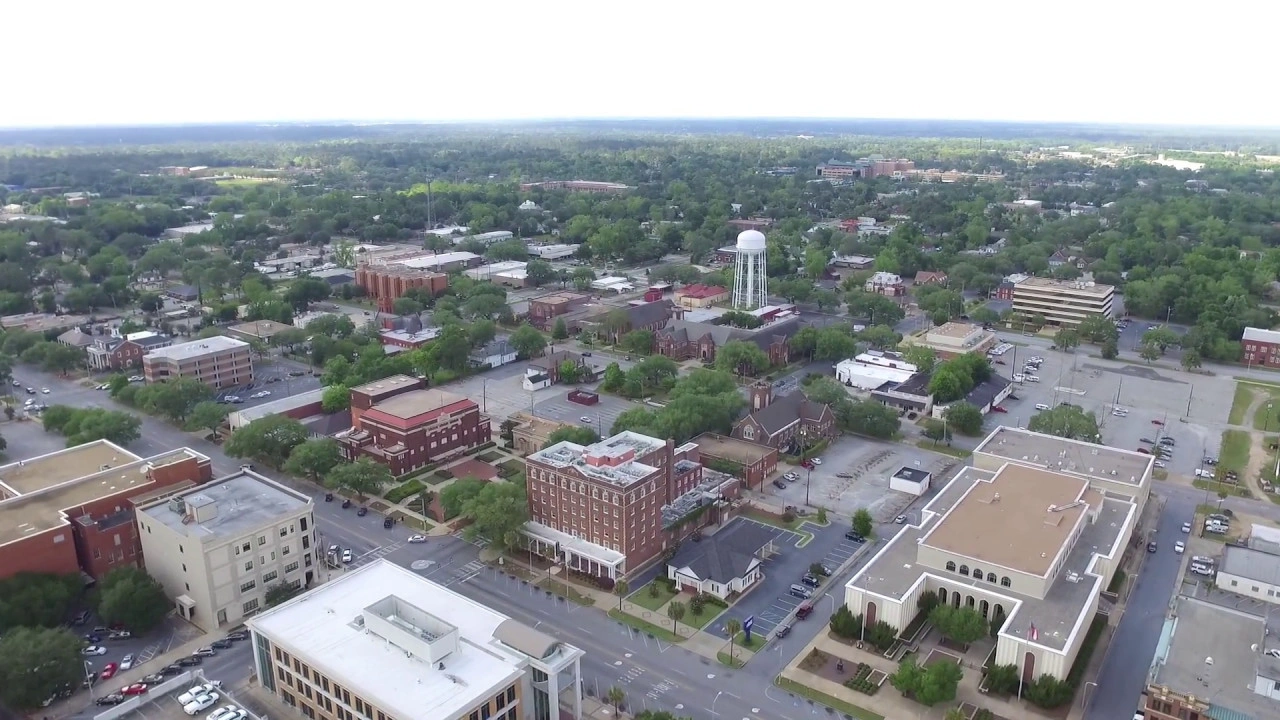
Albany sits along the Flint River in southwest Georgia and has served as a regional hub for commerce, agriculture, and culture since its founding in the 1830s. The city played a notable role in the Civil Rights Movement, and landmarks like the Albany Civil Rights Institute draw visitors from across the state. With a population of roughly 70,000, it balances small-town character with the amenities of a mid-sized regional center. Southwest Georgia’s hot, humid climate defines daily life here for much of the year. Summers are long and muggy, with average highs in the low 90s and humidity levels that regularly climb above 80 percent. That kind of moisture load doesn’t just make people uncomfortable; it creates the exact conditions where mold thrives underneath homes.
That musty smell rising from your floors isn’t something to ignore. In a climate like Albany’s, crawl space mold remediation in Albany, GA, is often the difference between a healthy home and one that’s quietly damaging your family’s health and your property value. Premier Insulation delivers professional crawl space mold remediation that goes beyond surface treatment to eliminate the root cause of mold growth, protecting your air quality, your structure, and your peace of mind for years to come.
Our process starts with a thorough inspection of the crawl space to identify moisture sources, the extent of mold contamination, and any structural concerns. We use moisture meters and visual assessments to map out exactly what needs to be addressed before any work begins.
Once we have a clear picture, our technicians apply EPA-registered antimicrobial treatments, remove contaminated materials, and address the ventilation and moisture control issues that allowed mold to take hold in the first place. According to the Environmental Protection Agency, controlling indoor moisture is the single most effective way to limit mold growth in any building.
Not all mold remediation companies take the same approach. Some treat the surface and leave, which means the mold comes back as soon as humidity spikes again. Our residential crawl space mold removal services focus on long-term elimination by combining cleanup with moisture management.
The Centers for Disease Control and Prevention notes that mold exposure can cause nasal stuffiness, throat irritation, coughing, and eye irritation, even in people without allergies. Ignoring the problem doesn’t make it go away.
We’ve built our process around clarity and results. Every project follows the same structured approach, so nothing gets missed and you always know where things stand.
Step | What Happens | Timeframe |
|---|---|---|
Inspection | Full crawl space assessment and moisture mapping | 1-2 hours |
Containment | Sealing the area to prevent spore spread | 30 minutes |
Treatment | Antimicrobial application and material removal | 1-3 hours |
Prevention | Moisture barrier and ventilation corrections | 2-4 hours |
Verification | Final inspection and moisture readings | 30 minutes |
This kind of systematic approach is what separates professional crawl space mold remediation from a quick cleanup that leaves the door open for mold to return.

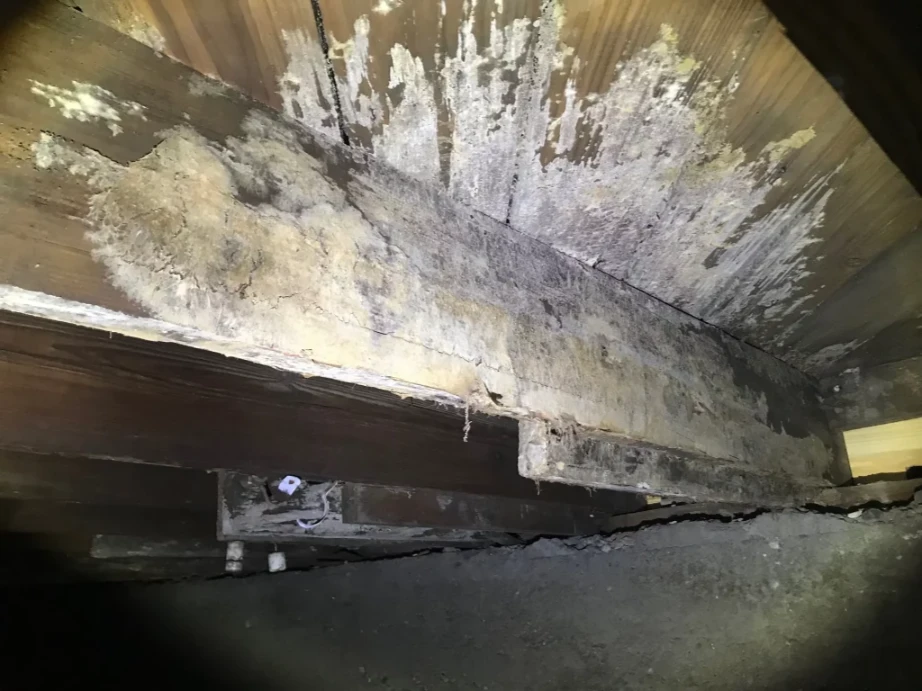
Mold in a crawl space doesn’t stay in the crawl space. Spores travel through floor gaps, ductwork, and wall cavities, entering the living space every time the HVAC system runs. Our residential crawl space mold removal services address the full scope of the problem, not just the visible growth.
According to the U.S. Department of Energy, crawl spaces with proper moisture control and insulation can reduce energy costs by 15 to 20 percent in humid climates. Fixing the mold issue often means lower utility bills as an added benefit.
Albany averages around 52 inches of rainfall per year, and the water table in parts of Dougherty County sits close to the surface. That combination means ground moisture constantly pushes up through crawl space soils, especially after heavy rains or during prolonged wet spells. Open foundation vents, which were standard construction practice for decades, actually pull that humid air directly into the crawl space during the summer months.
Our experience working in Albany homes has shown that the majority of crawl space mold problems stem from this exact cycle: ground moisture rises, humid air enters through vents, condensation forms on wood joists and subflooring, and mold follows within days. The Georgia Department of Public Health identifies high indoor humidity as a primary contributor to mold growth in residential settings. Fixing it requires sealing the space, managing the moisture, and treating the existing contamination.
A homeowner near downtown Albany noticed a persistent musty odor and worsening allergy symptoms over several months. Our inspection revealed extensive black mold on floor joists and failing fiberglass insulation throughout the crawl space. We removed all contaminated materials, treated the wood structure with antimicrobial solutions, installed a 20-mil vapor barrier over the ground, and sealed the foundation vents. Within two weeks, the homeowner reported the smell was completely gone, and allergy symptoms had noticeably improved.
If you suspect mold in your crawl space, don’t wait for it to get worse. Call Premier Insulation at (229) 843-6767 or email premiereinsulationga@gmail.com to schedule a thorough inspection and get a clear plan for eliminating the problem.
Visible discoloration on wood, a persistent musty smell, and increased allergy symptoms are the most common signs. A professional inspection can confirm it.
Most residential projects in Albany are completed within a single day, though severe cases may require additional time for material removal and drying.
In most cases, no. The work is contained in the crawl space, and we use minimal-disruption methods throughout the remediation.
When the underlying moisture problem is properly addressed during remediation, mold return is very unlikely. That’s why we always include moisture control as part of our process.
Yes. The CDC states that indoor mold exposure can cause respiratory symptoms, allergic reactions, and worsen existing asthma conditions.