
Mold remediation addresses soft floor joists by eliminating the fungal growth that actively consumes the wood’s structural fibers. Remediation stops the biological decay process. However, solving the problem permanently requires more than just killing the mold. It necessitates identifying the moisture source that allowed the mold to grow, drying the structural components, and reinforcing the wood where it has lost strength. Without controlling the humidity and water intrusion, the wood will remain susceptible to future decay. This guide explains the mechanical link between mold and soft joists, outlines the remediation process, and details the necessary steps to restore structural integrity based on field experience.
The Link Between Mold and Structural Decay
Soft floor joists indicate that the wood has been affected by fungal decay, commonly known as dry rot or wet rot. Mold itself is often a symptom of the conditions that cause rot, though some molds can decay wood directly. The fungus breaks down cellulose and lignin, the fibers that give wood its stiffness. As these fibers deteriorate, the wood loses its load-bearing capacity. It becomes soft, spongy, or crumbly to the touch.
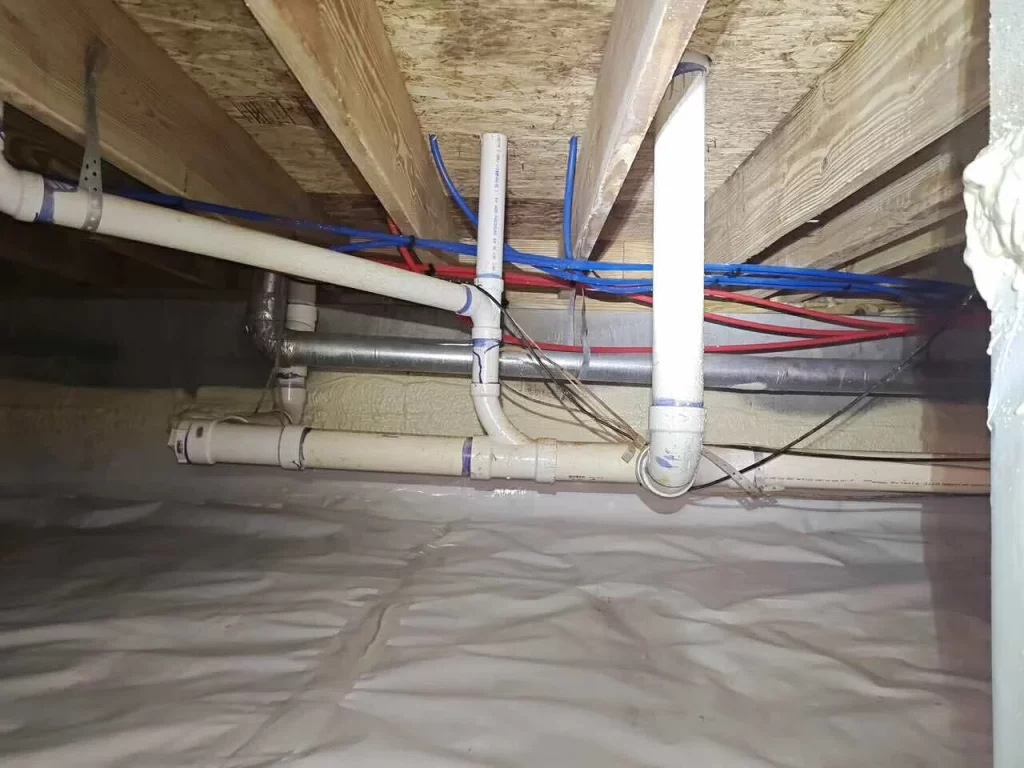
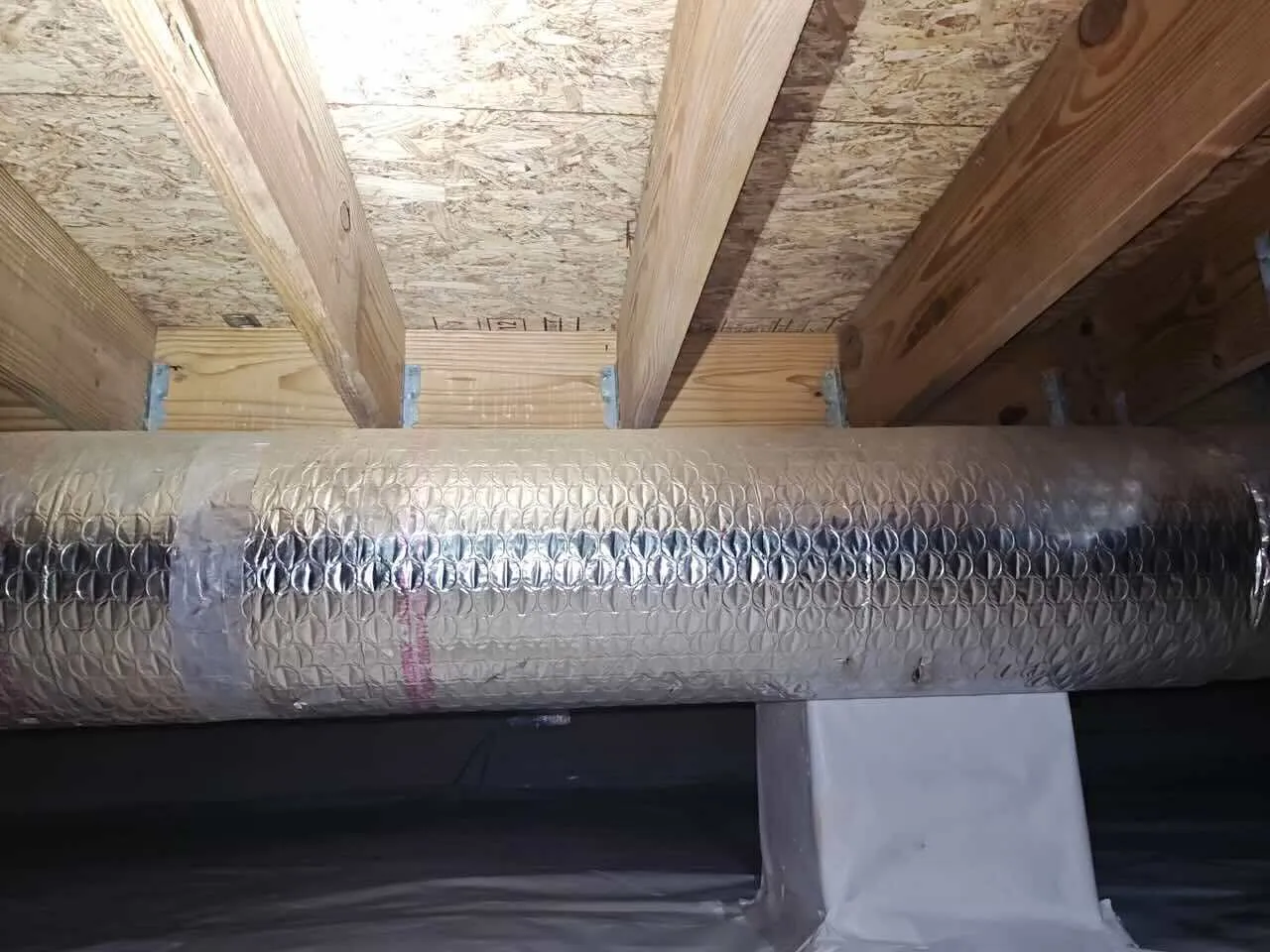
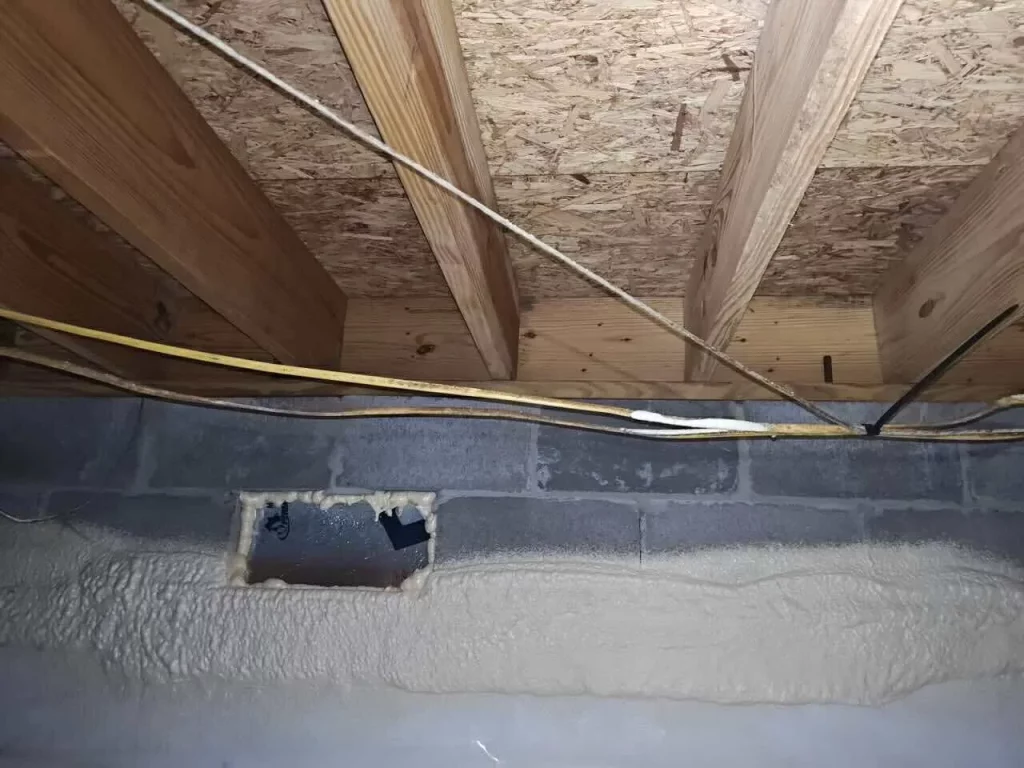
Moisture creates the environment for this to happen. When the moisture content of wood exceeds 28 percent for an extended period, fungal spores germinate and grow. The problem often starts unnoticed in a crawl space. Poor ventilation, uncovered dirt floors, or plumbing leaks raise the relative humidity. This moisture transfers to the floor joists and subflooring above. Once the wood gets soft, the structural integrity of the entire flooring system is compromised. The floor may sag, bounce, or eventually fail if left untreated.
The Remediation Process Explained
Effective remediation follows a specific sequence to ensure the mold is removed and the structure is stabilized. Simply spraying bleach or a biocide on the surface does not solve the problem of soft wood. The remediation process must address the joists’ condition.
Assessment and Containment
Technicians first inspect the extent of the damage. This often involves using a moisture meter to map wet areas and a probe to test the wood’s density. If the mold is localized, the area is contained using plastic sheeting to prevent spores from spreading to the rest of the home or HVAC system.
Removal and Cleaning
Porous materials like rotted wood cannot always be cleaned. Surface mold on structurally sound timber can be sanded or wire-brushed away. However, if the joist is soft due to decay, the compromised wood must often be removed or reinforced. According to guidelines from the EPA, the goal of remediation is to clean or remove damaged materials to prevent human exposure and further damage.
Structural Reinforcement
This step directly solves the issue of soft joists. After removing the active fungus, contractors often “sister” the joists. This involves securing a new, pressure-treated board alongside the existing soft joist. The new board carries the structural load. In cases where the damage is less severe but the wood is punky, a wood hardener or epoxy resin might be applied to bind the remaining fibers together.
- Bonus Tip: Always use pressure-treated lumber when sistering joists in a crawl space. The treatment protects the new wood from future moisture and termite damage, extending the life of the repair significantly.
Why Moisture Control Is Mandatory
Remediation fails without moisture control. If the crawl space remains damp after the repairs are done, the mold will return, and the new wood will eventually rot. The CDC states that controlling moisture is the key to controlling mold indoors.
Dehumidification and Encapsulation
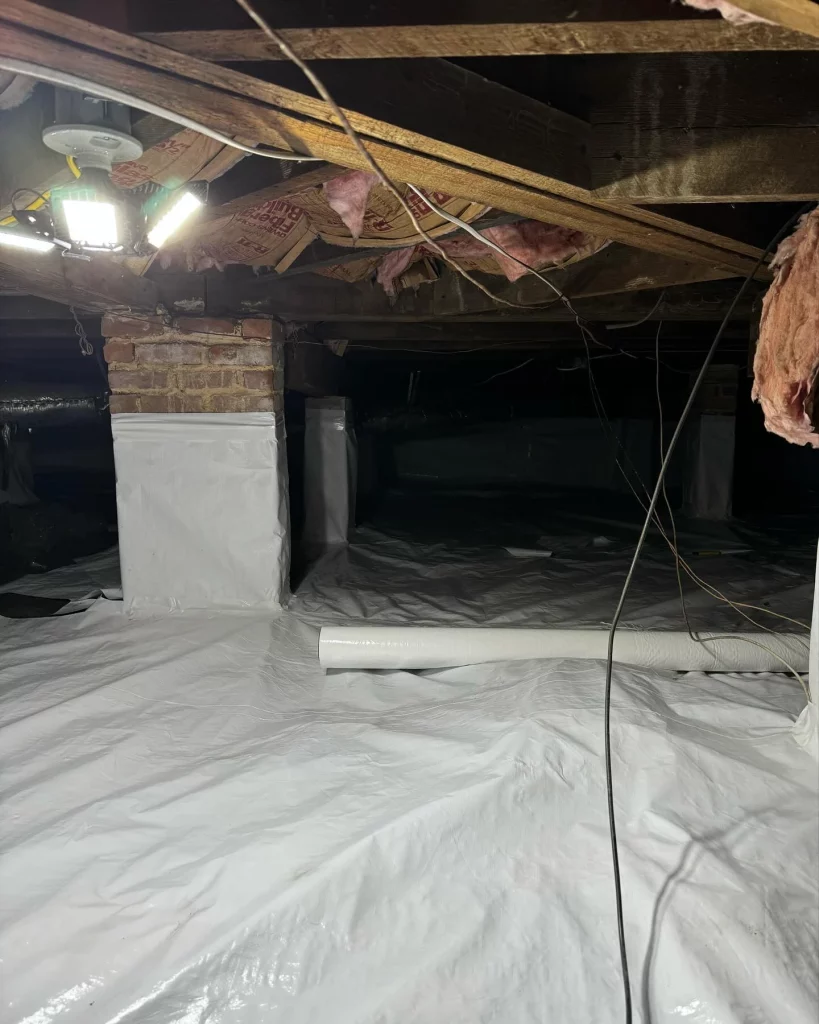
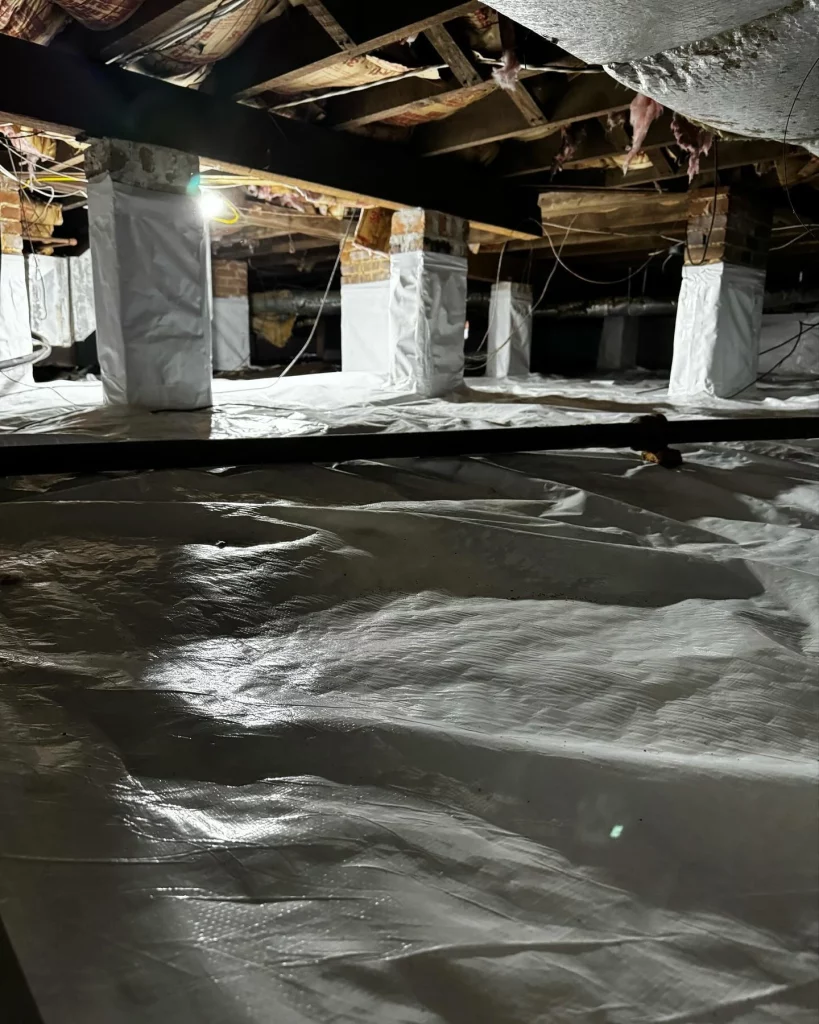
Installing a commercial-grade dehumidifier maintains the humidity below 50 percent, a level that inhibits fungal growth. Encapsulation involves covering the dirt floor and foundation walls with a heavy-duty polyethylene vapor barrier. This barrier stops ground moisture from evaporating into the air and saturating the wood structure.
Regional Climate Considerations
In the Southeast, high humidity is a constant challenge. Summers bring prolonged periods of high relative humidity. Open crawl space vents often make the problem worse by pulling in hot, moist air that condenses on the cooler wood surfaces. Closing these vents and conditioning the crawl space is the modern standard for preventing soft floor joists in this region.
Cost vs. Value Comparison
Data from the real estate and construction industry suggests that ignoring crawl space health can be expensive. A report from InterNACHI, the International Association of Certified Home Inspectors, notes that mold can significantly impact property value and livability. The cost of full remediation and structural repair is generally far lower than the cost of replacing an entire floor system or dealing with a failed home inspection.
- Bonus Tip: Check your gutters and downspouts. They must discharge water at least five to ten feet away from the foundation. Roof runoff is a leading cause of crawl space flooding that leads to soft joists.
Remediation Steps and Structural Solutions
Understanding the specific tools and techniques used helps clarify how the problem gets solved.
| Solution Step | Purpose | Application Method |
|---|---|---|
| Wire Brushing / Sanding | Removes surface mold growth | Physical abrasion on solid wood |
| Antimicrobial Application | Kills remaining spores and roots | Spraying or fogging biocides |
| Sistering Joists | Restores load-bearing capacity | Bolting new lumber parallel to the old joist |
| Sill Plate Repair | Fixes the rotted base of the structure | Replacing treated lumber on a concrete wall |
| Vapor Barrier | Stops ground moisture evaporation | 20-mil plastic sheeting over soil |
| Dehumidifier | Lowers relative humidity | Mechanical unit draining to the sump pump |
Things to Consider Before Making a Decision
Before starting any work on a crawl space, property owners should evaluate several factors to ensure the solution lasts.
Extent of Damage If the softness affects more than 50 percent of the joist width, replacement is usually safer than reinforcement. A professional can assess whether the wood stringers (the beams running perpendicular to the joists) are also damaged.
Air Quality Concerns Mold spores can enter the living space through the subfloor. If occupants experience allergies or respiratory issues, air scrubbers may be necessary during the work to maintain air quality.
Long Term Protection Remediation is an opportunity to upgrade the space. Adding a sump pump or a drainage system can prevent future flooding. Consider whether the encapsulation system includes a battery backup pump for power outages.
Final Thoughts on Structural Health
Solving the problem of soft floor joists requires a two-pronged approach. Remediation removes the biological agent, destroying the wood. Structural repairs, like sistering, restore the physical strength needed to hold up the house. Finally, moisture control ensures the problem does not return. Ignoring soft joists can lead to sagging floors and costly repairs later. Property owners should inspect their crawl spaces annually for signs of moisture, musty odors, or wood softness to catch problems early.
Professional Assessment and Repair
Determining the exact cause of soft floor joists requires a thorough inspection. Premier Insulation provides detailed evaluations to identify mold growth and structural weaknesses. The team can recommend the right combination of remediation, encapsulation, and structural reinforcement. Contact the experts to schedule an inspection and protect the home’s foundation. Call Premier Insulation at (229) 554-3939 or email premierinsulationga@gmail.com for a consultation.
Frequently Asked Questions
Can I stay in my home during crawl space remediation?
Yes, remediation in the crawl space usually does not require leaving the home. The work area is contained, and plastic barriers isolate the dust. However, if the HVAC system is in the crawl space, it may need to be turned off during the process to prevent spore circulation.
How long does the remediation process take?
Most residential projects take between one and five days. The timeline depends on the size of the crawl space and the severity of the structural damage. Sistering joists takes longer than simple surface cleaning.
Does encapsulation stop all mold?
Encapsulation drastically reduces the risk of mold by controlling humidity. However, it does not stop plumbing leaks. Regular inspections are still necessary to ensure water pipes do not leak under the barrier.
What is a wood hardener?
Wood hardener is a liquid resin that penetrates soft, rotted wood and hardens to create a solid base. It is useful for joists that are not severely compromised but need stabilization before sistering.
How do I know if the joists are load bearing?
Floor joists in a crawlspace are almost always load bearing as they support the floor above. A structural engineer or experienced contractor should verify the load path before any alterations are made.
Sources
- EPA – Guidelines on mold remediation in buildings and cleanup methods.
- CDC – Information on dampness and mold in indoor environments and health effects.
- InterNACHI – Inspection standards and statistics regarding mold in residential properties.