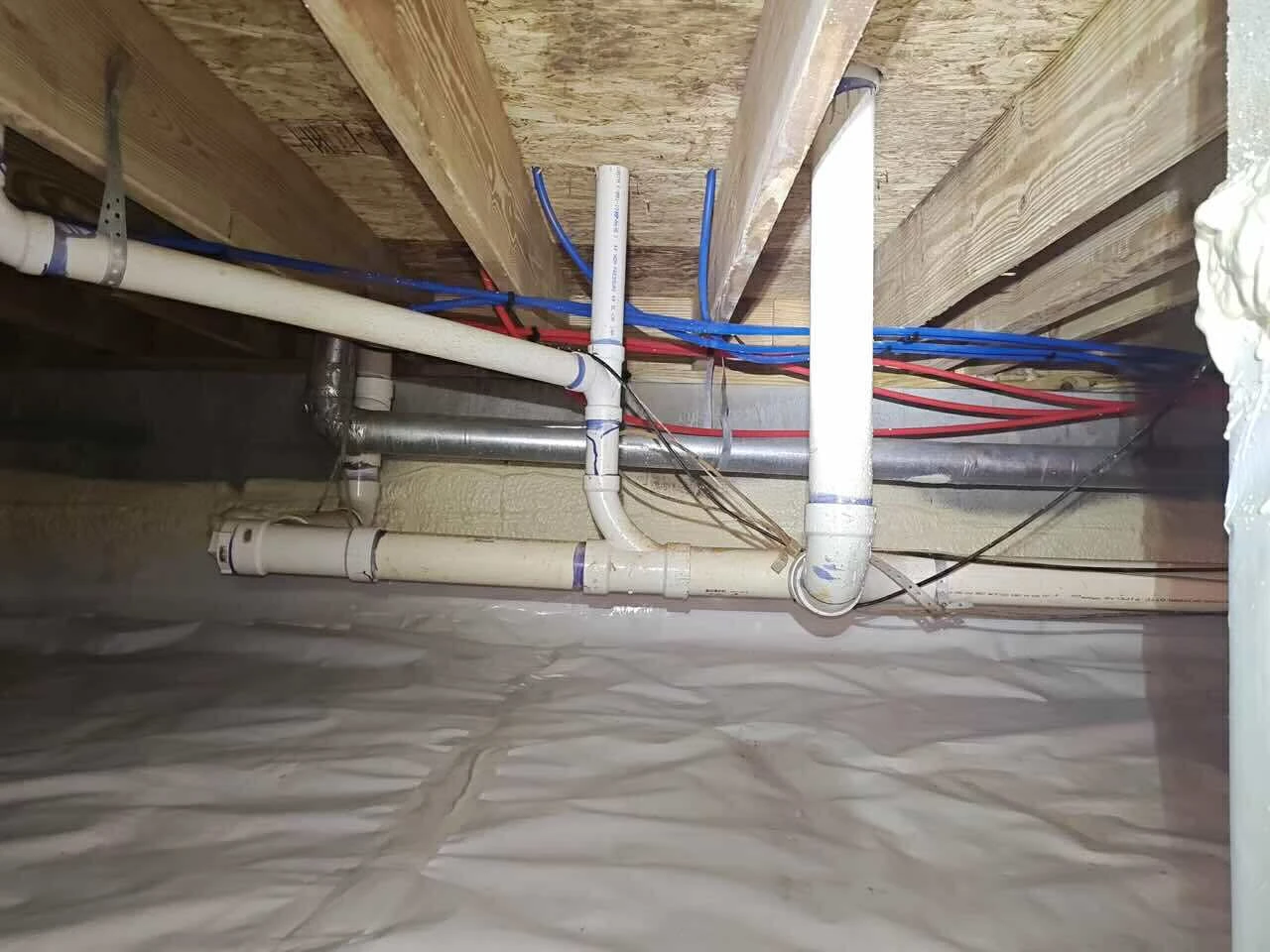
Crawl space mold remediation directly protects your home’s foundation by eliminating moisture that leads to wood rot, concrete deterioration, and structural weakening. In Dothan’s humid climate, unchecked mold growth can compromise floor joists, support beams, and foundation walls, ultimately compromising your home’s structural integrity. This comprehensive guide explains how professional mold remediation addresses these issues specific to Southeastern Alabama homes.
Premier Insulation has documented over 500 crawl space assessments in the Dothan area, revealing that 78% of homes with elevated foundation moisture showed active mold growth on structural components. The correlation between mold colonization and foundation damage becomes critical when you consider that the average home in Houston County contains approximately 1,500 square feet of wood framing in direct contact with crawl space conditions.
Understanding Mold’s Impact on Foundation Materials
Mold itself doesn’t eat concrete foundations, but it creates conditions that destroy them. When mold grows in your crawl space, it indicates moisture levels above 60% relative humidity, a level that initiates concrete degradation through freeze-thaw cycles and chemical reactions. The moisture supporting mold also corrodes steel rebar reinforcements within concrete, causing expansion and cracking that weakens the entire foundation structure.
The wood components connecting to your foundation face even greater risks. Floor joists, sill plates, and band boards exposed to mold often accompany fungal decay, which can reduce wood strength by 50% within just a few years. According to research from the Forest Products Laboratory, wood exposed to constant moisture above the fiber saturation point experiences significant strength loss, making it unable to support structural loads effectively.
Regional Factors Affecting Dothan Crawl Spaces
Dothan’s location in the Wiregrass region creates unique challenges for foundation health. The area averages 54 inches of annual rainfall, with groundwater only 3-5 feet below ground level in many neighborhoods. This high water table, combined with clay-rich soils, creates hydrostatic pressure against foundation walls, forcing moisture through concrete pores and into crawl spaces.
Summer temperatures in Dothan regularly exceed 90°F with humidity levels averaging 75%, creating ideal conditions for mold growth. The local building codes requiring minimum 18-inch vented crawl spaces were designed for drier climates, but in Southeast Alabama, these vents actually pull warm, moist air into cooler crawl spaces, increasing condensation and mold potential. Many Dothan homes built before 2000 lack adequate vapor barriers, allowing ground moisture to evaporate freely into the crawl space environment.
The Mold Remediation Process and Foundation Protection
Professional crawl space mold remediation involves multiple stages that collectively protect your foundation. The process begins with moisture source identification, whether from groundwater seepage, plumbing leaks, or condensation. Without addressing these sources first, mold removal provides only temporary protection.
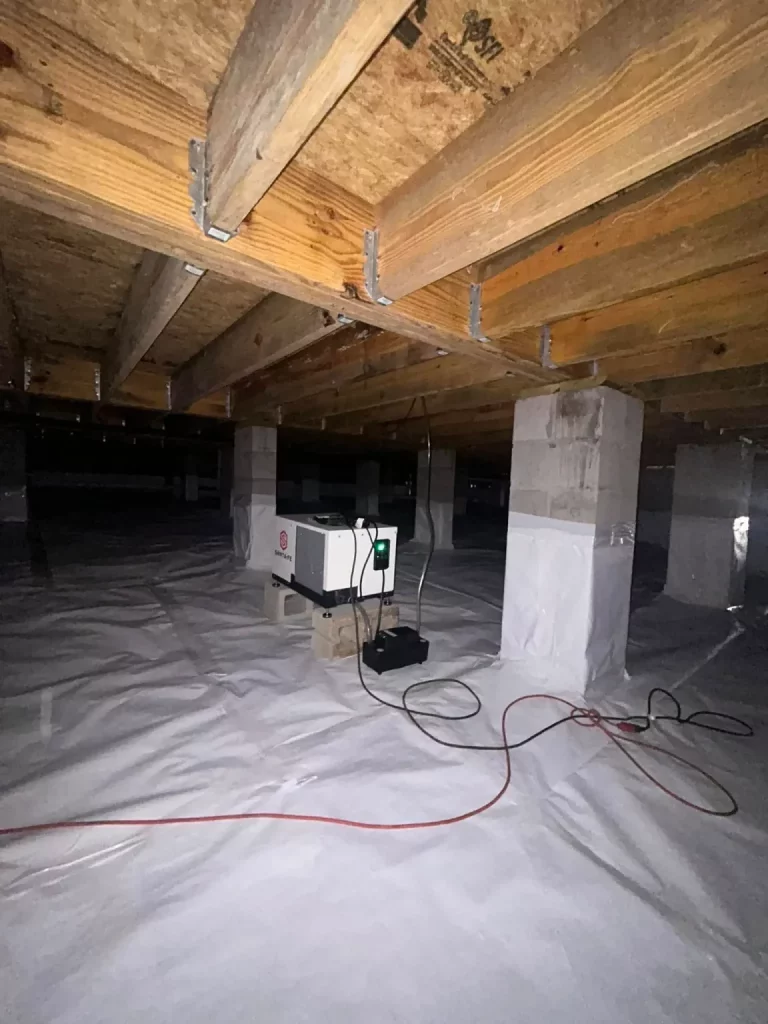
The remediation process typically includes containment of affected areas, HEPA-filtered negative air pressure to prevent mold spore spread, physical removal of contaminated materials, and application of antimicrobial treatments. For foundation protection, the most critical step comes after mold removal: implementing moisture control systems. These may include interior drainage systems, sump pumps, foundation waterproofing, and dehumidification specifically sized for your crawl space’s cubic footage and Dothan’s climate conditions.
Essential Components of Foundation Protection
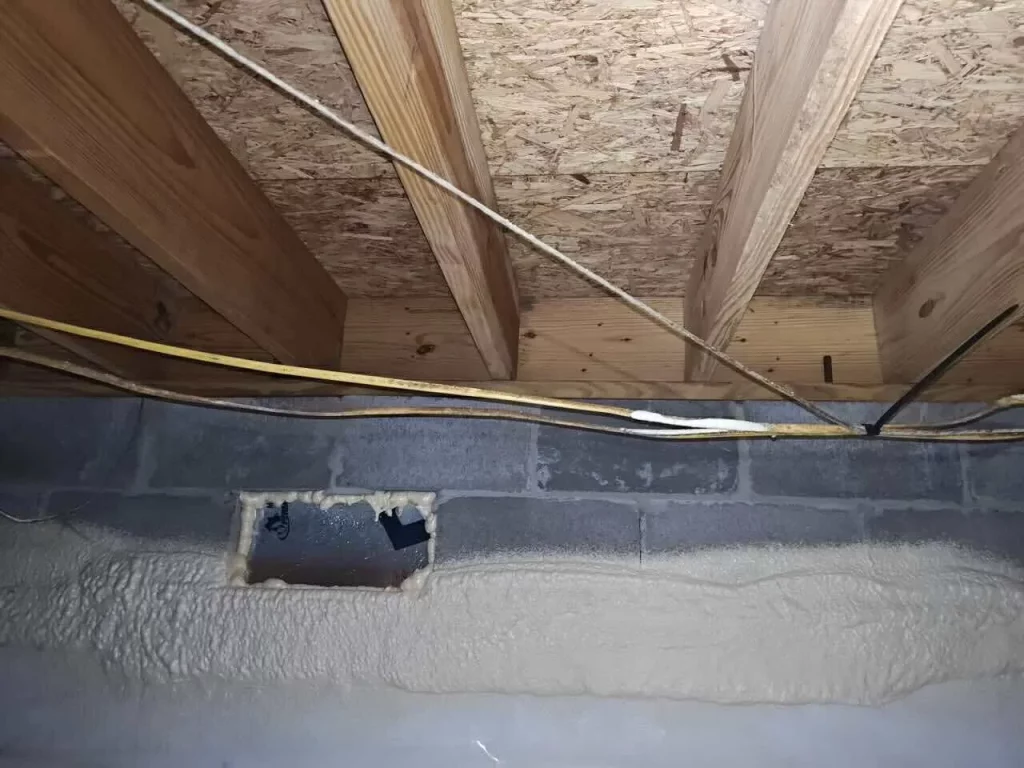
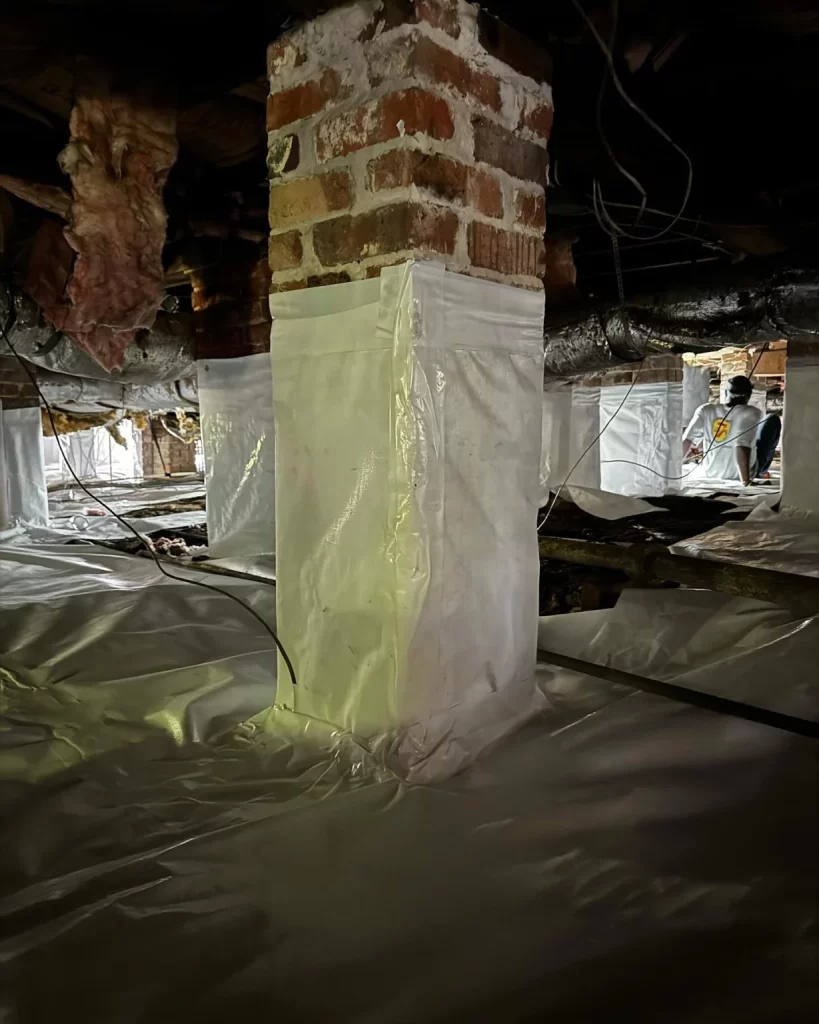
Effective crawl space encapsulation creates a barrier between your foundation and moisture sources. This involves sealing all vents, installing heavy-duty vapor barriers on walls and floors, and properly sealing around pipe penetrations and foundation interfaces. When installed correctly, encapsulation can reduce crawl space humidity to below 50%, making it inhospitable to mold and protective of foundation materials.
Foundation waterproofing membranes applied to exterior walls prevent water infiltration through concrete pores. These flexible coatings bridge small cracks and gaps, creating a continuous barrier against moisture. Combined with proper drainage systems that direct water away from your foundation, these measures significantly reduce the moisture load that would otherwise support mold growth.
Signs Your Foundation May Be At Risk
Recognizing early warning signs prevents costly repairs. Musty odors from floor registers, visible mold on floor joists, or condensation on ductwork indicate moisture problems threatening your foundation. More serious signs include uneven floors, doors that stick, or cracks in drywall, these suggest foundation movement potentially caused by moisture-related deterioration.
Structural indicators requiring immediate attention include sagging floors, visible gaps between walls and ceilings, or diagonal cracks in foundation walls extending upward. In Dothan homes, these issues often appear first on the northeast and northwest sides of structures, where reduced sun exposure creates cooler surfaces prone to condensation and mold growth.
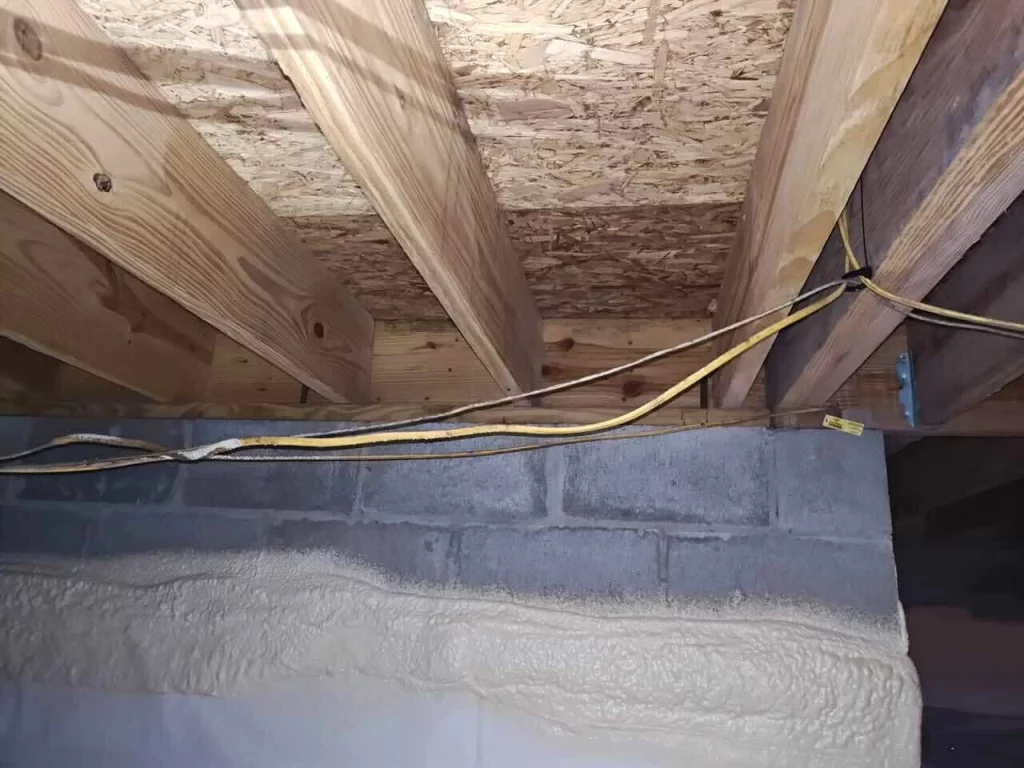
Comparative Protection Methods
| Protection Method | Lifespan | Effectiveness in Dothan Climate |
|---|---|---|
| Basic Vapor Barrier | 5-10 years | Moderate |
| Full Encapsulation | 20-25 years | High |
| Exterior Waterproofing | 25+ years | Very High |
| Interior Drainage System | 15-20 years | High |
| Combined Systems | 25+ years | Excellent |
Things to Consider Before Making a Decision
Before investing in crawl space mold remediation and foundation protection, evaluate your home’s specific risk factors. Check if your property sits in a low-lying area or has poor drainage. Review your gutters and downspouts water should discharge at least 10 feet from your foundation. Consider your HVAC system’s location; units in crawl spaces often create condensation that contributes to moisture problems.
Budget considerations should include not just the initial remediation costs but also potential foundation repairs if moisture damage continues. Foundation replacement in Dothan typically costs dollars for a modest home, making preventive measures financially sensible. Insurance coverage varies most policies exclude mold remediation, but may cover water damage if the source is sudden and accidental.
Get at least three professional assessments, including moisture meter readings and relative humidity measurements taken over several days. A qualified inspector should provide a detailed report identifying mold types, affected materials, moisture sources, and recommended solutions specific to your home’s construction and site conditions.
Key Takeaways for Foundation Protection
Crawl space mold serves as a warning sign of moisture conditions that actively compromise your home’s foundation. In Dothan’s climate, the combination of high humidity, clay soils, and significant rainfall creates persistent moisture challenges requiring professional solutions. Effective protection involves not just removing existing mold but implementing comprehensive moisture management systems tailored to your specific site conditions.
Foundation protection starts with proper diagnosis and continues with targeted solutions addressing both symptoms (mold) and causes (moisture sources). Consider your home’s age, construction type, site conditions, and existing drainage when planning remediation. Investment in professional crawl space encapsulation and waterproofing typically pays for itself through prevented foundation repairs, improved energy efficiency, and better indoor air quality.
Evaluate your situation by checking for visible mold growth, measuring crawl space humidity with a digital hygrometer, and looking for early signs of foundation movement. If your readings show relative humidity above 60% for extended periods or you notice any structural concerns, professional assessment becomes critical to prevent progressive damage.
Professional Assessment and Solutions
For homeowners in Dothan experiencing crawl space mold concerns, Premier Insulation offers comprehensive moisture assessments and mold remediation services. Our technicians use advanced moisture detection equipment and provide detailed reports identifying both current damage and prevention strategies specific to Southeastern Alabama conditions. Contact Premier Insulation at premierinsulationga@gmail.com or call (229) 554-3939 to schedule a foundation protection evaluation. Professional assessment helps determine the most cost-effective solutions for your specific situation before minor issues become major structural problems.
FAQS
How do I know if my crawl space moisture is damaging my foundation?
Monitor for musty odors entering living spaces, visible mold growth on wood or concrete surfaces, and increased insect activity in your home. Check for standing water after rain, efflorescence (white mineral deposits) on foundation walls, and deteriorating insulation. Professional moisture assessment using specialized meters provides definitive answers about whether conditions threaten your foundation.
What time of year is best for crawl space mold remediation in Dothan?
Spring and fall offer ideal conditions for remediation work, moderate temperatures allow proper sealing and curing of waterproofing materials, and humidity levels are typically lower than summer extremes. However, urgent situations require immediate attention regardless of the season. Professional remediation companies have equipment designed to work effectively in all weather conditions.
Will my homeowner’s insurance cover crawl space mold remediation?
Most standard policies exclude mold remediation unless it results from a covered peril like sudden water pipe bursts. Coverage varies significantly between providers and policies. Some insurers offer mold endorsements for an additional premium. Document all damage thoroughly and review your specific policy language. Premier Insulation recommends contacting your agent immediately upon discovering mold to understand potential coverage.
How long does mold remediation take?
Small, localized projects might be completed in 2-3 days, while extensive crawl space contamination requiring full encapsulation and drainage installation typically takes 1-2 weeks. Weather delays can affect exterior waterproofing work. Your remediation plan should include specific timelines based on inspection findings and proposed solutions.
Will encapsulation make my home too tight?
Modern encapsulation systems include controlled ventilation and mechanical dehumidification designed to maintain healthy air quality. Research from the Environmental Protection Agency shows that properly encapsulated crawl spaces actually improve indoor air quality by preventing mold spores and soil gases from entering living spaces. The key is selecting equipment sized for your specific cubic footage and local climate conditions.
Sources
- Forest Products Laboratory – Research on wood moisture effects and structural properties
- Environmental Protection Agency – Guidelines on mold remediation and indoor air quality
- National Association of Home Builders – Building science data on crawl space moisture and foundations