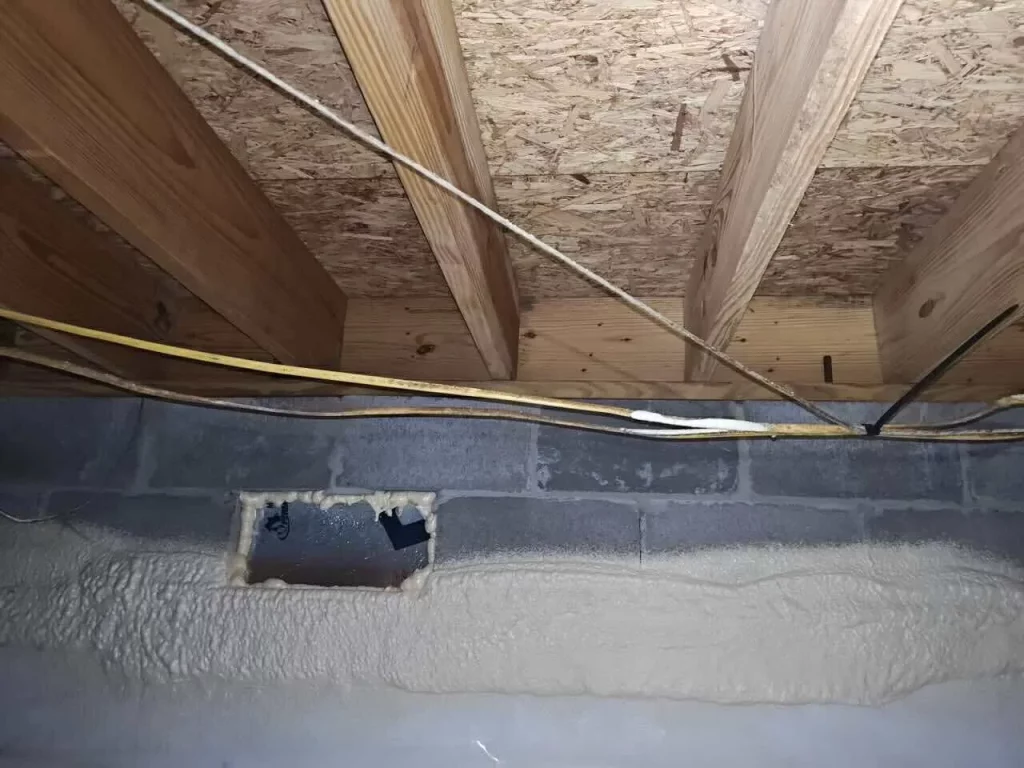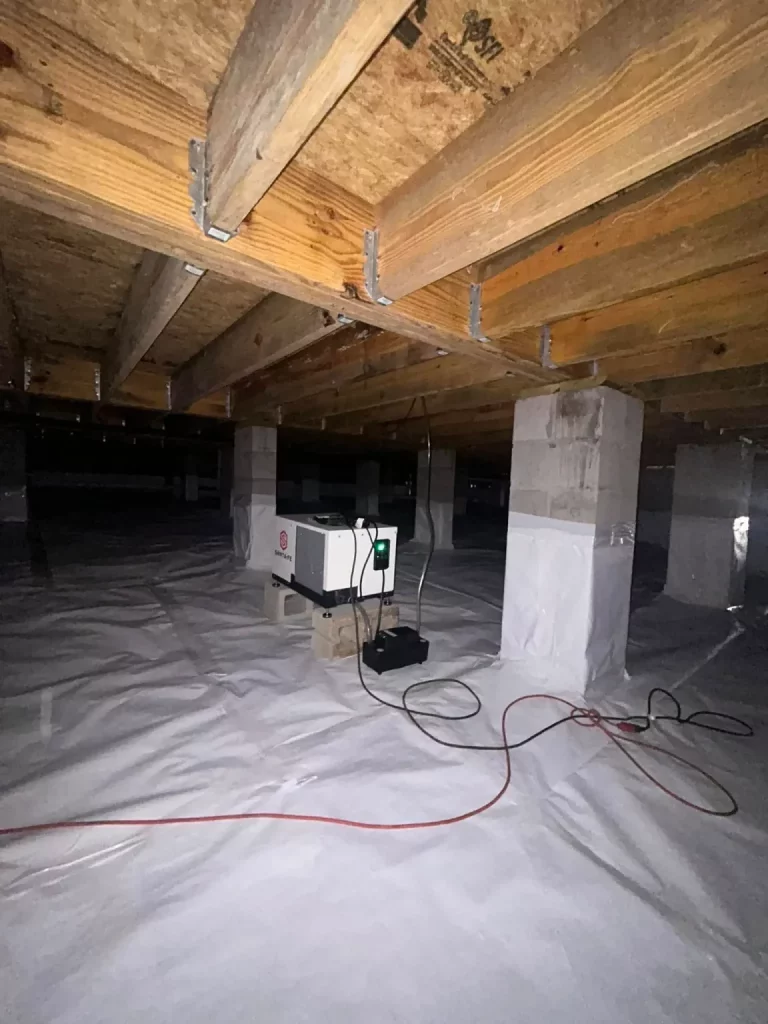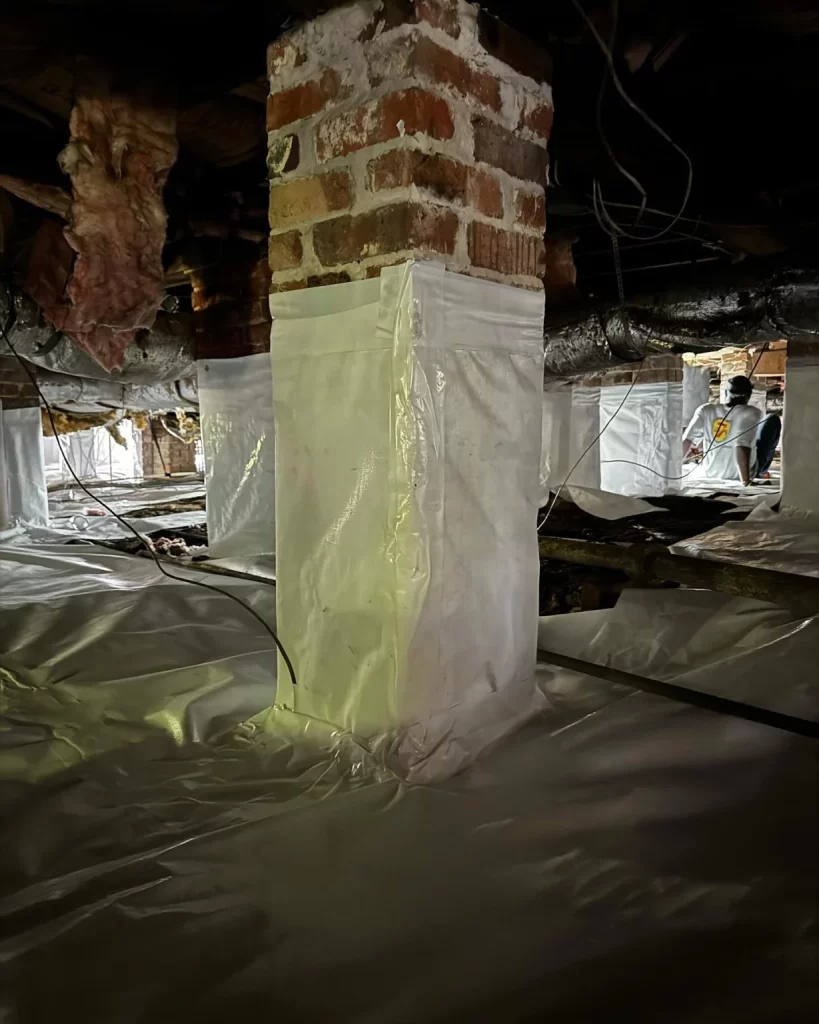
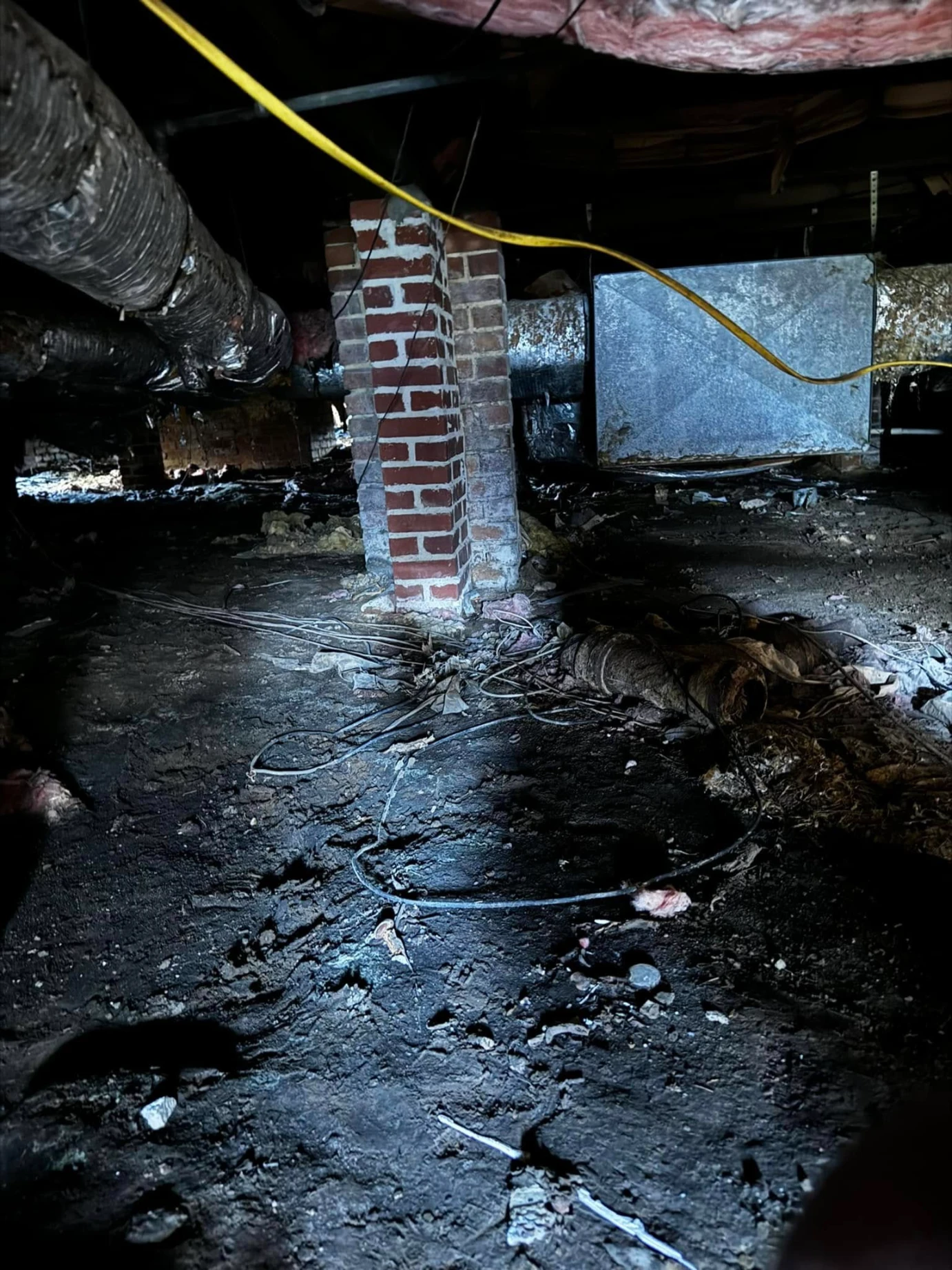
Crawl space mold remediation saves money by preventing structural wood rot and reducing monthly utility expenses. In the humid climate of Boston, Georgia, mold can consume organic materials like floor joists and subflooring, eventually requiring extensive structural repairs. Removing mold and managing moisture allows insulation to function correctly, reducing the strain on heating and cooling systems and lowering energy bills.
Addressing mold early prevents the need for whole-home air purification and reduces expenses associated with poor indoor air quality. Because air from the crawl space naturally rises into the home’s living areas, keeping this space clean is a financial necessity for long-term property maintenance. Premier Insulation provides these details to help homeowners understand the economic advantages of maintaining a dry foundation.
Preventing Structural Decay and Repair Expenses
Mold is a biological organism that feeds on the wooden components of a home. When mold persists on floor joists for long periods, it softens the wood and reduces its load-bearing capacity. If left unaddressed, this decay leads to sagging floors and compromised structural integrity. Repairing these issues often requires lifting the home and replacing primary support beams.
Information from Angi shows that professional remediation stops this process by removing the fungi and treating the wood to prevent future growth. By choosing remediation at the first sign of growth, homeowners avoid the massive labor and material requirements of a complete structural restoration. Preserving the original materials is always more budget-friendly than replacing them.
Comparing Impact Levels of Neglect
This table outlines how different stages of crawl space issues affect a home and the scale of work required to fix them.
| Condition Level | Required Action | Structural Risk | Energy Efficiency Impact |
|---|---|---|---|
| Surface Mold | Cleaning and moisture control | Low | Minimal if caught early |
| Widespread Growth | Intensive sanitation and duct cleaning | Moderate | Heavy damp insulation |
| Wood Decay | Joist reinforcement and floor leveling | High | Major heat loss |
| Structural Failure | Foundation stabilization and full gut | Critical | Complete loss of climate control |
Improving Energy Efficiency and Utility Savings
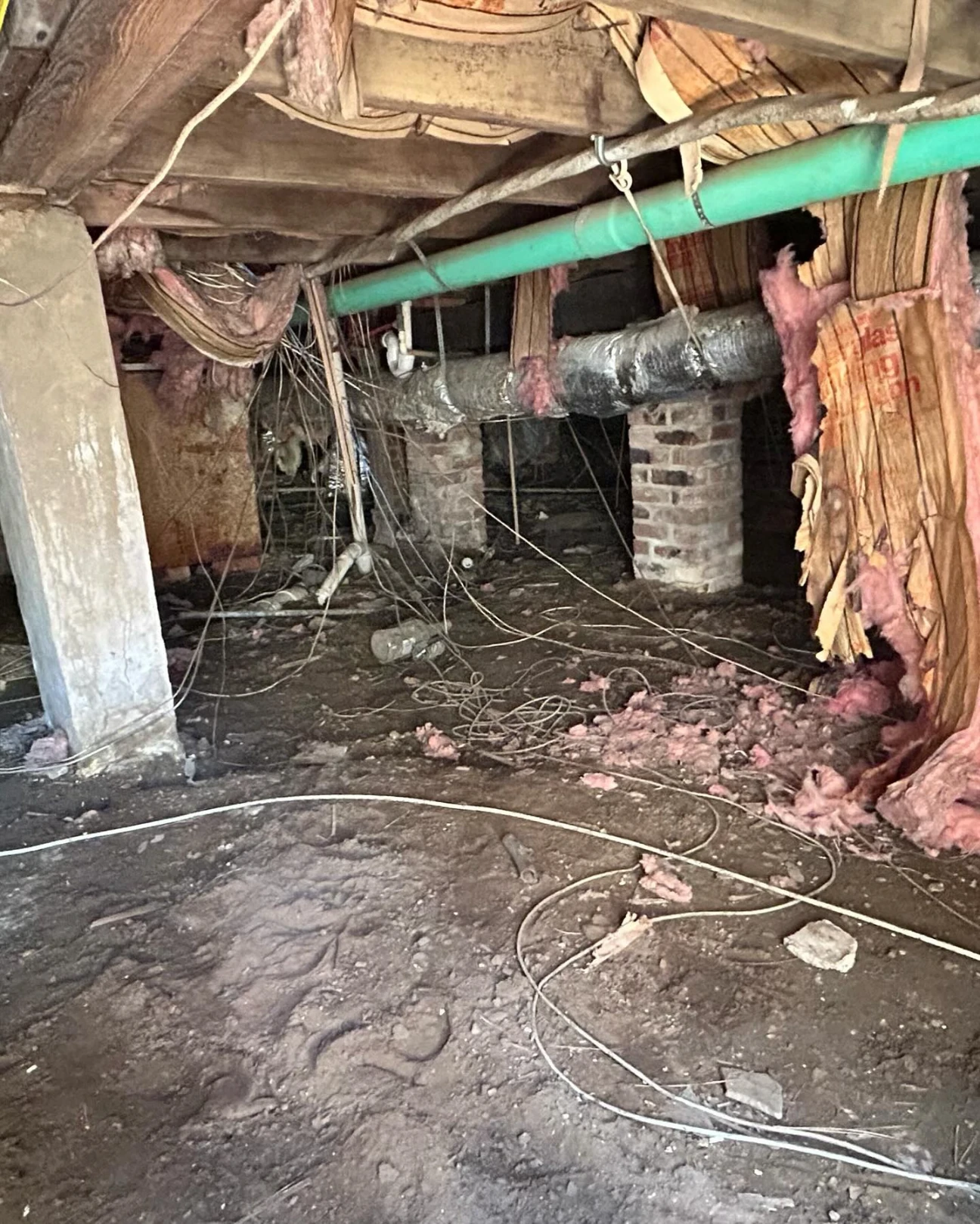
Many residents in Boston, Georgia, notice high cooling bills during the summer months. Excessive moisture in the crawl space often causes mold and ruins the performance of floor insulation. When fiberglass insulation absorbs moisture from the air, it becomes heavy and sags away from the subfloor. This creates gaps that allow cold air to escape and hot air to enter the home.
A report from the Environmental Protection Agency indicates that moisture control is the most effective way to maintain building durability and efficiency. Dry air is easier for an HVAC system to cool than damp air. By remediating the mold and sealing the crawl space, the HVAC unit runs shorter cycles, extending the life of the equipment and reducing monthly energy consumption.
Bonus Tip: Check the crawl space for standing water after heavy rainstorms in Georgia. Diverting water away from the foundation is a simple way to prevent the high moisture levels that lead to both mold and energy loss.
Avoiding Secondary Health and Air Quality Costs
The physics of a building creates a process called the stack effect, in which air moves from the bottom to the top. This means that a significant portion of the air breathed in the living area originated in the crawl space. If the crawl space contains active mold growth, spores and microbial gases are pulled upward through floor penetrations and utility gaps.
Data shared by the National Institute of Environmental Health Sciences links damp indoor environments to increased respiratory issues. For homeowners, this can translate into more frequent medical visits or the need for expensive high-efficiency air filtration systems. Remediation addresses the root of the air quality issue, protecting occupants and preventing the need for secondary air-cleaning solutions.
Things to Consider Before Making a Decision
Before proceeding with remediation, evaluate these factors to ensure the project provides the best long-term value.
- Moisture Source Identification: Remediation is only effective if the water source is stopped. Look for plumbing leaks, high humidity, or poor exterior drainage.
- Insulation Integrity: Moldy or wet insulation must be removed. Leaving contaminated material under the home allows mold to return quickly.
- Vapor Barrier Quality: A thin, loose plastic sheet is often insufficient. Consider the thickness and coverage of the vapor barrier to ensure it effectively blocks ground moisture.
- Airflow Management: Determine if the crawl space requires better ventilation or complete sealing. In Georgia, sealing vents often provides better moisture control than traditional venting.
Bonus Tip: Use a hygrometer to track humidity levels. Keeping the crawl space below 55 percent relative humidity effectively prevents mold growth, regardless of the temperature outside.
Summary of Financial Benefits
Remediation is a protective measure for a homeowner’s most significant investment. By removing mold and controlling humidity, property owners prevent the high expenses of structural wood replacement and keep their HVAC systems running efficiently. The reduction in energy use and the prevention of air quality issues provide immediate and long-term financial relief. Premier Insulation suggests that regular inspections and early action are the most effective ways to maintain a home’s foundation’s health and value. Evaluate the crawl space today to identify any signs of moisture or growth before they escalate into expensive repairs.
Direct Assistance for Foundation Maintenance
Taking action on crawl space issues protects the longevity of a home and the health of its residents. For those in the Georgia area looking for professional guidance on insulation and moisture control, Premier Insulation is available to help. Contact the team via email at premierinsulationga@gmail.com or call (229) 554-3939 to discuss maintenance needs. Professional support ensures that the crawl space remains dry and that the home’s structure stays secure for years to come.
Frequently Asked Questions Regarding Foundation Health
Does remediation require moving out of the home?
Remediation usually occurs entirely under the house. Since the work area is separated from the living space, residents can typically remain in the home while the process is completed. Professionals use negative air machines to ensure that spores do not enter the living quarters during the cleaning process.
Will the mold return after professional cleaning
Mold will not return if the moisture levels remain controlled. Remediation is a two-part process: removing the existing growth and fixing the environment that allowed it to grow. As long as the crawl space remains dry, the wood will stay protected.
Is it possible to clean the mold without removing the insulation
If mold is growing on the paper backing or within the fiberglass insulation fibers, the material must be replaced. Cleaning the wood surface while leaving contaminated insulation behind is ineffective, as the insulation will continue to release spores.
How do I know if the remediation was successful?
A successful project is marked by clean, bright wood and the absence of musty odors. Many professionals also offer air sampling tests that compare indoor spore counts to outdoor levels, demonstrating that the indoor environment is safe and clean.
Sources
- Angi – Explains the necessity of professional remediation and the risks associated with structural neglect.
- Environmental Protection Agency – Provides authoritative guidelines on controlling moisture to prevent mold and maintain building durability.
- National Institute of Environmental Health Sciences – Details the relationship between damp indoor environments and resident health concerns.