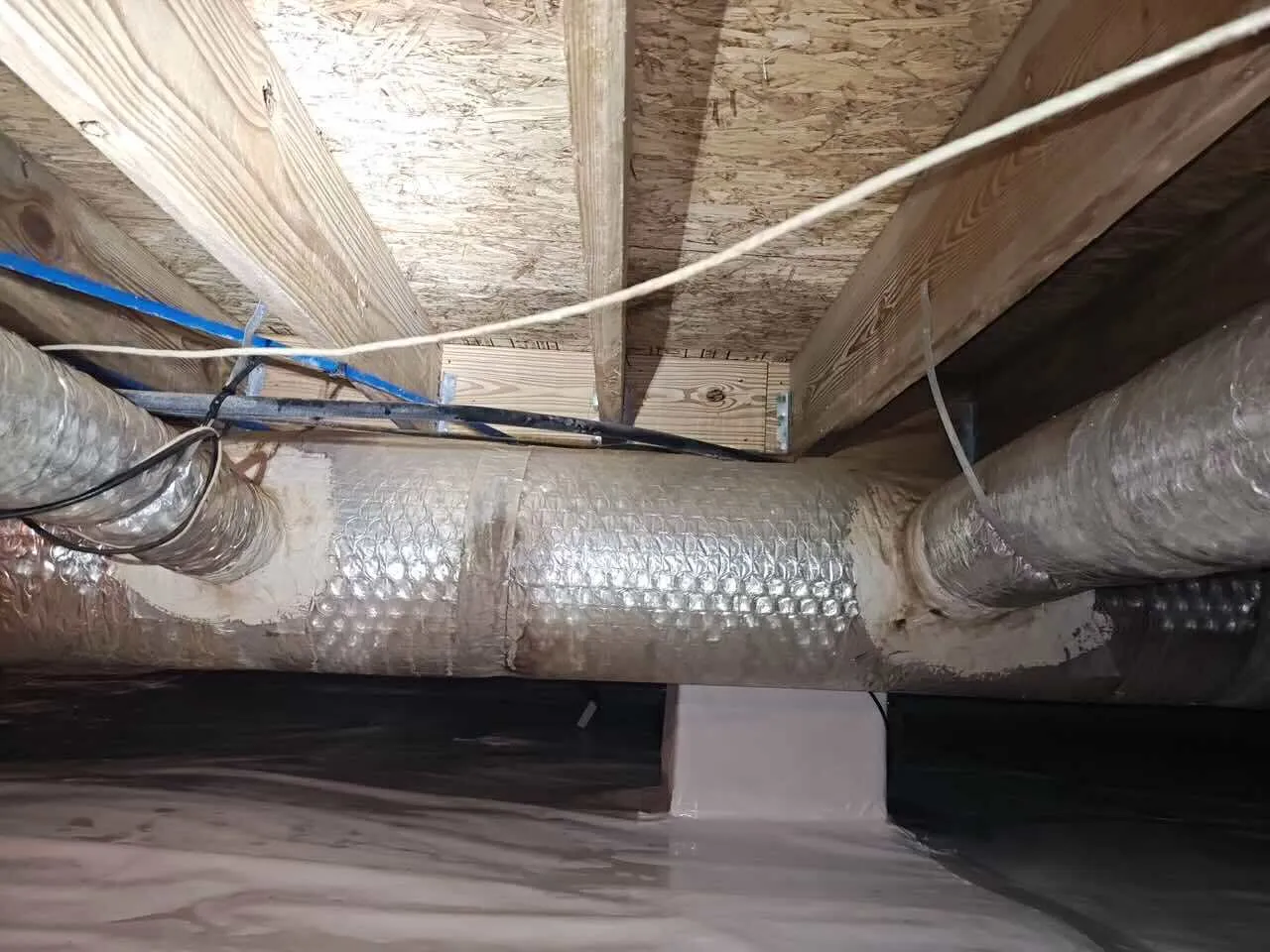
Effective mold remediation in crawl spaces demands strict adherence to Personal Protective Equipment (PPE) standards. The minimum required gear includes a NIOSH-approved respirator with a P100 or N95 filter, disposable coveralls, nitrile or rubber gloves, and goggles designed to seal against dust. This equipment creates a necessary barrier between the remediator and hazardous mold spores, mycotoxins, and the harsh cleaning agents often used in treatment.
Mold releases microscopic spores that become airborne when disturbed. Without proper protection, these spores can settle in the lungs or on the skin, leading to allergic reactions, respiratory issues, and other health problems. Premier Insulation emphasizes that PPE is not optional for anyone entering a contaminated crawl space, even for a short inspection. The following breakdown details the specific gear required, why it matters, and how to use it correctly.
Respiratory Protection
Respirators act as the primary defense against inhaling mold spores. A simple dust mask found at a hardware store is insufficient for remediation work. Professionals use either a half-face air-purifying respirator with P100 cartridges or an N95 disposable respirator. The P100 filter captures 99.97 percent of particles, ensuring the highest level of protection available in a non-powered respirator.
The Environmental Protection Agency (EPA) states that respirators must fit properly to provide protection. An improper seal allows spores to bypass the filter and enter the respiratory system. Users must perform a fit check every time they put on the mask. This involves covering the filter cartridges and inhaling deeply to ensure the mask seals tightly against the face. Beards or facial hair often prevent a proper seal, so workers must be clean-shaven where the mask contacts the skin.
Bonus Tip: Always keep spare filters on hand. Filters clog quickly in the dusty environment of a crawl space, making it harder to breathe and reducing the respirator’s effectiveness.
Skin and Body Protection
Mold spores stick to clothing and skin, traveling out of the crawl space and into the living area above. To prevent cross-contamination, workers must wear disposable coveralls. These suits should feature elastic cuffs at the wrists and ankles, along with a hood to cover hair and the neck. This creates a physical barrier that keeps spores off the skin and street clothes.
The material of the coveralls matters. Tyvek or similar breathable yet impermeable fabrics are ideal because they repel water and spores while allowing some air circulation to reduce heat stress. In the tight, confined space of a crawl space, heat exhaustion is a real risk. Duct taping the cuffs of the coveralls over the tops of boots and gloves ensures total coverage.
Hand Protection
Gloves protect the hands from direct contact with mold and the harsh cleaning chemicals. Mold remediation often involves using biocides or strong detergents that can irritate or burn the skin. Long, thick nitrile or rubber gloves are standard. The gloves should extend at least halfway up the forearm to prevent exposed skin when reaching or crawling.
Workers should inspect gloves for tears or punctures before entering the space. If a glove rips during work, the worker must stop immediately, wash their hands, and replace the glove before continuing.
Eye Protection
Safety goggles are non-negotiable. Mold spores irritate the eyes, causing redness, itching, and watering. More dangerously, the cleaning solutions sprayed during remediation can splash and cause severe chemical burns. Standard prescription glasses do not offer adequate protection because they leave gaps around the sides where debris can enter.
Goggles must fit snugly against the face and feature indirect venting to prevent fogging while blocking dust entry. A face shield offers additional protection when using high-pressure sprayers or scrubbing overhead joists, but it does not replace the need for goggles underneath.
Regional Climate Considerations
In humid regions like the Southeast, crawl spaces present unique challenges. High humidity levels outside the crawl space often mirror the conditions inside, making the work environment hotter and more stifling. This increases the risk of heat stress while wearing full PPE.
Workers must monitor themselves and others for signs of heat exhaustion, such as dizziness, nausea, or excessive sweating. Taking frequent breaks in a cool, ventilated area is essential. Hydration is also critical, but workers must remove their respirators to drink water. They should exit the containment area completely, remove their gloves, and wash their hands before touching their face or a water bottle.
Equipment Comparison Table
Different levels of contamination require different levels of protection. The table below outlines the appropriate gear based on the affected area’s size.
| Gear Type | Small Area (Less than 10 sq ft) | Medium Area (10-100 sq ft) | Large Area (More than 100 sq ft) |
|---|---|---|---|
| Respirator | N95 or better | Half-face P100 respirator | Full-face P100 respirator or PAPR |
| Coveralls | Disposable paper suit | Tyvek or similar liquid-proof suit | Full Tyvek suit with hood and booties |
| Gloves | Disposable nitrile | Heavy-duty rubber gloves | Heavy-duty rubber gloves with taped cuffs |
| Eye Protection | Safety goggles | Indirect-vented goggles | Goggles + Face shield |
Things to Consider Before Making a Decision
Deciding whether to tackle mold remediation personally involves assessing risks and capabilities. Consider these factors before starting work.
Health Sensitivity Individuals with asthma, allergies, or immune system disorders should never enter a contaminated area. The Centers for Disease Control and Prevention (CDC) warns that people with these conditions are at higher risk for severe reactions even with PPE.
Extent of Growth If the mold covers more than 10 square feet, the EPA recommends hiring a professional. Large infestations often indicate hidden moisture problems, such as plumbing leaks or drainage issues, that require expertise beyond standard cleaning.
Containment Capability Remediation requires isolating the work area to prevent spores from spreading to the rest of the home. This involves plastic sheeting and negative pressure. If a homeowner cannot set up proper containment, the mold problem will likely spread to other areas of the house during the cleaning process.
Bonus Tips for Safety
Establish a Decontamination Zone Set up a specific area just outside the crawl space entrance for removing gear. This prevents spores from being tracked through the house. Have a bag ready for immediate disposal of coveralls and a container for washing goggles.
Avoid Touching Your Face It is a natural instinct to adjust glasses or wipe sweat, but this transfers spores from the PPE to the mucous membranes of the eyes, nose, or mouth. Be conscious of this urge and resist it until your hands are thoroughly washed.
Communicate Clearly Working in a crawl space can be isolating. If working alone, ensure someone knows the location and expected return time. Check in regularly. If a respirator malfunctions or breathing becomes difficult, exit the area immediately.
Final Thoughts
Safety gear is the only defense against the health risks associated with mold remediation. Respirators, coveralls, gloves, and goggles work together to ensure the work does not result in illness. While the gear may feel cumbersome, the consequences of skipping it are far more severe. Every homeowner must evaluate their ability to source this equipment and follow strict safety protocols before beginning work. If the required gear feels too expensive or the safety protocols too complex, calling a professional is the safest and most practical choice.
Contact Premier Insulation
Evaluating the safety requirements for mold remediation is the first step toward a healthier home. If the scope of the work or the required safety gear feels overwhelming, professional help ensures the job is done correctly. Premier Insulation provides expert assessment and remediation services for crawl spaces. To discuss specific needs or schedule an evaluation, contact the team at premierinsulationga@gmail.com or call (229) 554-3939.
Frequently Asked Questions
Is mold remediation dangerous?
The process involves handling biological contaminants and often using strong chemicals. Without proper safety gear, there is a significant risk of respiratory distress and skin irritation. According to OSHA, exposure to mold can cause symptoms ranging from mild allergic reactions to serious lung infections.
What kind of gloves are best for mold removal?
Thick rubber or nitrile gloves are best. They protect against both mold spores and the caustic cleaning solutions used to kill them. Latex gloves are generally too thin and can break easily.
Do I need a full-face respirator?
For most small residential jobs, a half-face respirator with P100 cartridges provides sufficient protection. Full-face respirators offer additional eye protection and are typically used for larger jobs or when using harsh chemicals that produce fumes.
Can I wash mold off clothes?
Clothes worn during mold remediation should be treated as contaminated. If mold spores settle on street clothes, they can be washed in hot water with detergent. However, disposable coveralls are preferred to prevent spores from entering the washing machine and contaminating other laundry.
How long should I wear the gear after cleaning?
PPE must remain on until the worker has exited the containment area and passed through the decontamination zone. Only after the coveralls are sealed in a bag and hands are washed, should the respirator be removed.
Sources
- Environmental Protection Agency (EPA) – A brief guide to mold, moisture, and your home, providing official recommendations on cleanup and PPE.
- Centers for Disease Control and Prevention (CDC) – Facts about Stachybotrys chartarum and other molds, detailing health effects and exposure risks.
- Occupational Safety and Health Administration (OSHA) – Guidelines and standards regarding worker safety during mold remediation and hazard communication.