
Direct Answer
Professionals handle crawl space mold remediation in Valdosta, GA, through a systematic process that includes moisture control, professional remediation, and preventive insulation solutions like spray foam. Given the region’s high humidity and subtropical climate, experts recommend addressing both existing mold and the underlying moisture problems that cause it, with spray foam insulation serving as a powerful barrier against future mold growth.
TLDR / Key Takeaways
- Mold in Valdosta crawl spaces is primarily driven by the region’s average annual humidity of 65-70% and frequent rain exposure
- Professional remediation costs range from $500 to $6,000, depending on severity, with average jobs around $2,200
- Spray foam insulation can reduce crawl space moisture by up to 90% when properly installed
- The remediation process must address both visible mold and hidden moisture sources to prevent recurrence
- Health risks from crawl space mold include respiratory issues, allergies, and aggravated asthma symptoms
- DIY remediation is only appropriate for areas under 10 square feet; larger infestations require professional intervention
- Regular inspections and maintaining proper ventilation are critical for long-term mold prevention
Understanding the Mold Problem in Valdosta Crawl Spaces
Valdosta’s geographic location in South Georgia creates unique challenges for homeowners and contractors dealing with crawl space mold. The city sits in a humid subtropical climate zone, experiencing hot, humid summers and mild winters. According to the Georgia Environmental Protection Division, the state’s average relative humidity hovers around 65-70%, with summer months frequently exceeding 80%. This persistent moisture creates ideal conditions for mold growth, particularly in enclosed spaces like crawl areas.
Crawl spaces represent one of the most vulnerable areas in a home’s structure. These spaces typically feature dirt floors, exposed soil, and limited ventilation, making them susceptible to moisture accumulation from groundwater seepage, plumbing leaks, and humid outdoor air. When warm outdoor air enters a cooler crawl space, it condenses on surfaces, creating the persistent dampness that mold spores need to thrive.
The Centers for Disease Control and Prevention notes that mold requires only three elements to grow: spores, a food source (such as wood or drywall), and moisture. In Valdosta’s climate, eliminating the moisture element proves a challenging aspect of mold prevention, which is why professional contractors focus heavily on moisture control strategies.
Health and Structural Risks of Crawl Space Mold
Mold in crawl spaces extends far beyond a cosmetic issue. The health implications can affect entire households, particularly those with pre-existing respiratory conditions or compromised immune systems.
Health Risks
Exposure to mold spores released from crawl spaces can trigger various health problems, including respiratory irritation, coughing, wheezing, and allergic reactions. The Environmental Protection Agency warns that mold exposure can exacerbate asthma symptoms and lead to chronic sinus infections in sensitive individuals. Children and elderly family members are particularly vulnerable to these health effects.
The Harvard School of Public Health has conducted extensive research on indoor air quality, finding that prolonged mold exposure can lead to chronic respiratory conditions and weakened immune response, particularly in damp environments common to the southeastern United States.
Structural Damage
Beyond health concerns, mold compromises the structural integrity of homes. Mold feeds on organic materials like wood, drywall, and insulation, weakening load-bearing components over time. The Federal Emergency Management Agency reports that mold can begin damaging building materials within 24-48 hours of water exposure. Left untreated, mold can cause wood rot, compromise foundation integrity, and lead to costly repairs.
The Professional Remediation Process
Professional mold remediation in Valdosta follows a systematic approach that addresses both immediate mold removal and underlying causes. Our experienced team evaluates each situation individually, but the general process follows industry standards established by the Institute of Inspection, Cleaning, and Restoration Certification (IICRC).
Step 1: Inspection and Assessment
Professionals begin with a thorough inspection of the crawl space, identifying all affected areas and determining the extent of mold growth. This assessment includes moisture mapping to identify problem areas, documentation with photographs, and air quality testing to determine spore concentrations.
Step 2: Containment
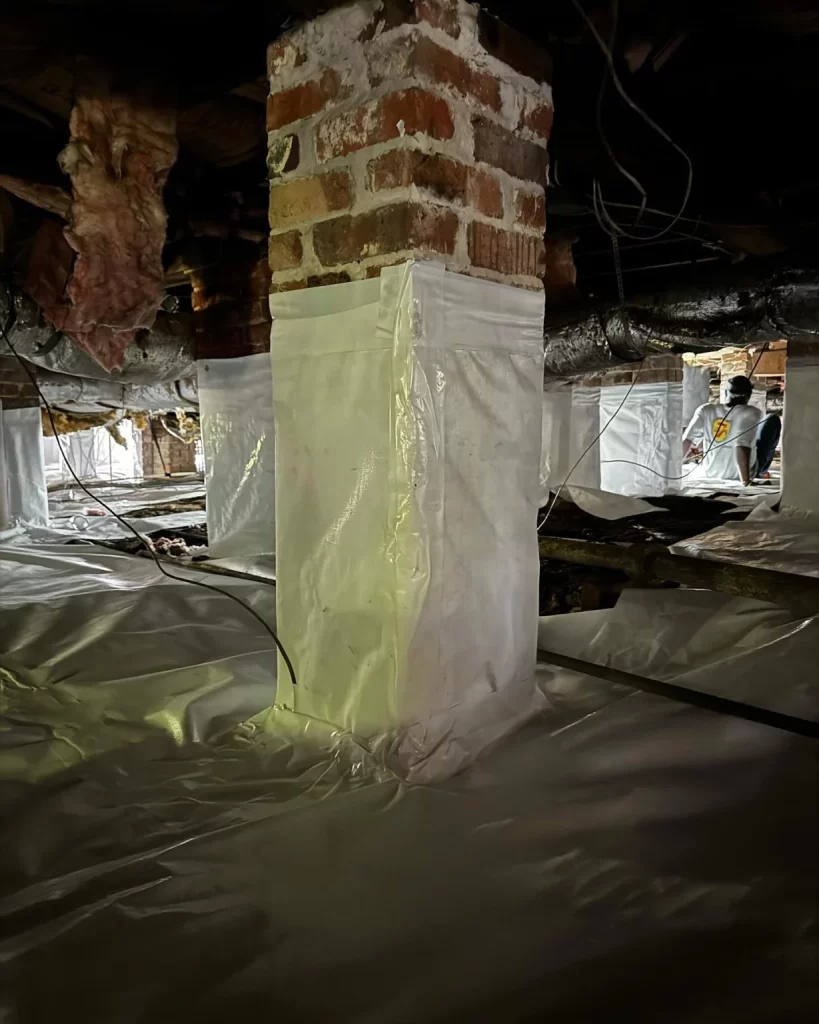
To prevent mold spores from spreading to living areas, professionals establish negative pressure containment using heavy-duty plastic sheeting and specialized equipment. This containment zone ensures that disturbed mold spores are captured before they can circulate through the home.
Step 3: Mold Removal
Remediation technicians use various techniques depending on the severity of the infestation. For minor growth, scrubbing with EPA-approved fungicides may suffice. For extensive contamination, our team may recommend removal and replacement of affected materials like insulation, wood framing, or drywall.
Step 4: Drying and Dehumidification
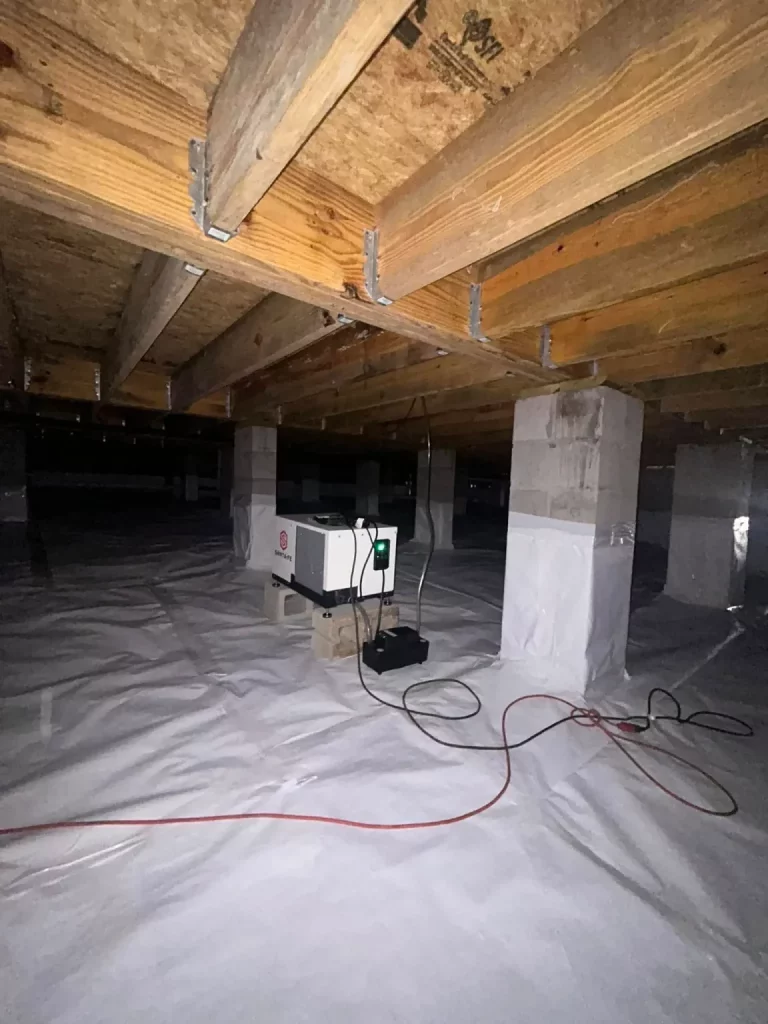
Professional-grade dehumidifiers and air movers dry the crawl space to moisture levels below 16%, which prevents future mold growth. This step often requires several days of continuous operation to achieve proper moisture levels.
Step 5: Restoration and Prevention
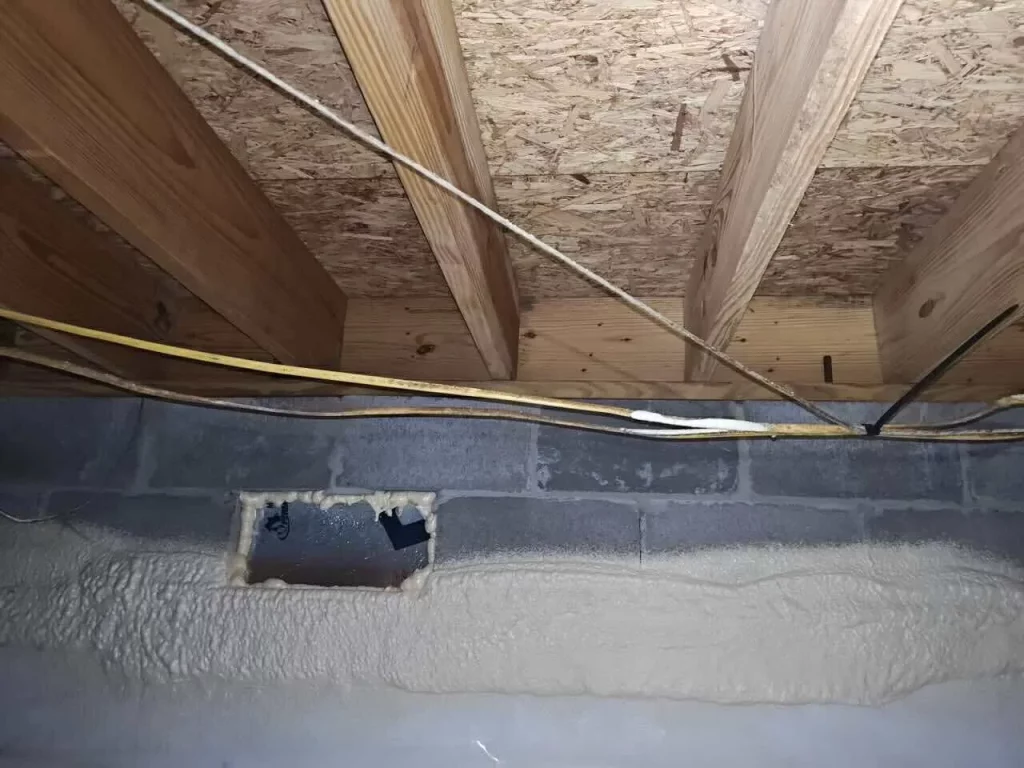
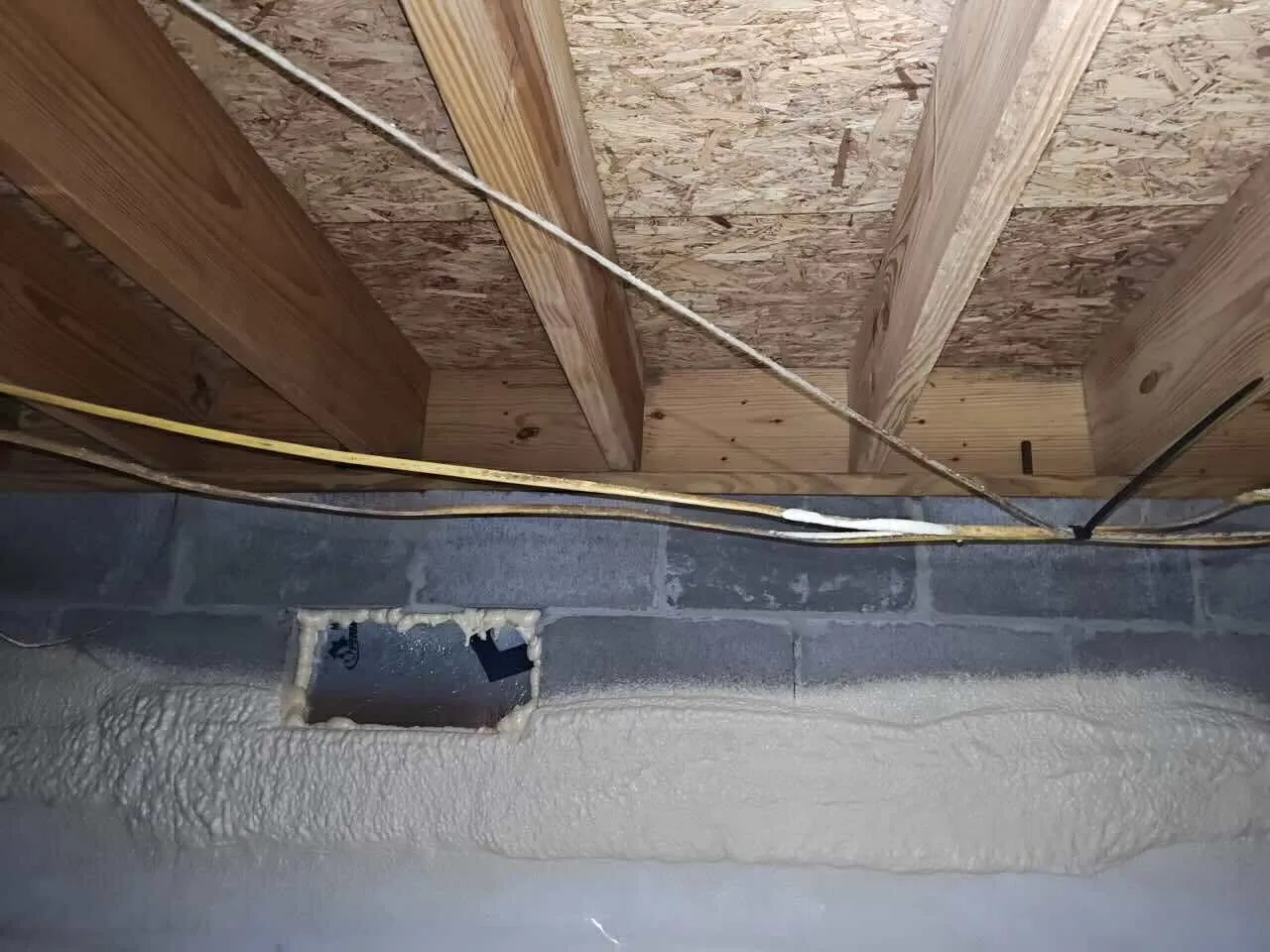
The final step involves restoring the crawl space and implementing preventive measures. This is where spray foam insulation proves particularly valuable, creating an effective moisture barrier that protects the space long-term.
Why Spray Foam Insulation Prevents Mold Growth
Spray foam insulation has emerged as one of the most effective solutions for preventing crawl space mold in Valdosta’s challenging climate. Unlike traditional insulation materials that can absorb moisture and provide food for mold, closed-cell spray foam creates a seamless moisture barrier.
Key Benefits of Spray Foam
| Benefit | Impact on Mold Prevention |
|---|---|
| Moisture Barrier | Blocks moisture migration from exterior soil and air |
| Seamless Application | Eliminates gaps where mold can establish colonies |
| Non-Organic Material | Provides no food source for mold spores |
| Long-Term Performance | Maintains effectiveness for 30+ years without degradation |
The U.S. Department of Energy notes that spray foam insulation can reduce air infiltration by up to 90% compared to traditional fiberglass insulation. This dramatic reduction in air exchange means humid outdoor air cannot penetrate the crawl space, dramatically reducing the conditions that foster mold growth.
Actionable Strategies for Contractors
Insulation contractors serving Valdosta homeowners can differentiate their services by offering comprehensive mold prevention alongside insulation installation. Here are strategies our team implements successfully.
Strategy 1: Offer Free Moisture Assessments
Position your company as a problem solver by providing free crawl space inspections. Use moisture meters to identify problem areas and document findings with photographs. This builds trust and demonstrates expertise while identifying upselling opportunities.
Strategy 2: Educate Homeowners on Ventilation
Many Valdosta homeowners don’t understand how crawl space ventilation affects mold growth. Explain that traditional vented crawl spaces allow humid air to enter and condense, while sealed crawl spaces with spray foam insulation maintain consistent moisture levels. Provide before-and-after comparisons to illustrate the difference.
The American Society of Heating, Refrigerating, and Air-Conditioning Engineers (ASHRAE) recommends maintaining crawl space relative humidity below 70% to prevent mold growth, a standard that spray foam encapsulation consistently achieves.
Strategy 3: Partner with Remediation Specialists
Develop relationships with local mold remediation companies. When you discover significant mold during insulation assessments, having a trusted referral partner ensures homeowners receive proper treatment while positioning your company as a comprehensive service provider.
Strategy 4: Highlight Long-Term Cost Savings
Help homeowners understand that investing in proper crawl space encapsulation and spray foam insulation reduces long-term costs associated with repeated remediation, structural repairs, and health care expenses related to mold exposure.
Strategy 5: Document Results with Testimonials
After completing spray foam installations in mold-prone crawl spaces, follow up with homeowners after six months and one year to document the results. These testimonials become powerful marketing tools that demonstrate real-world effectiveness.
Real-World Example: Valdosta Homeowner Success
Consider a recent project our team completed in Valdosta’s Quail Ridge neighborhood. A homeowner had experienced recurring mold problems despite two previous remediation attempts. Our inspection revealed that traditional fiberglass insulation in the crawl space was absorbing moisture from the soil below, creating persistent dampness even after professional remediation.
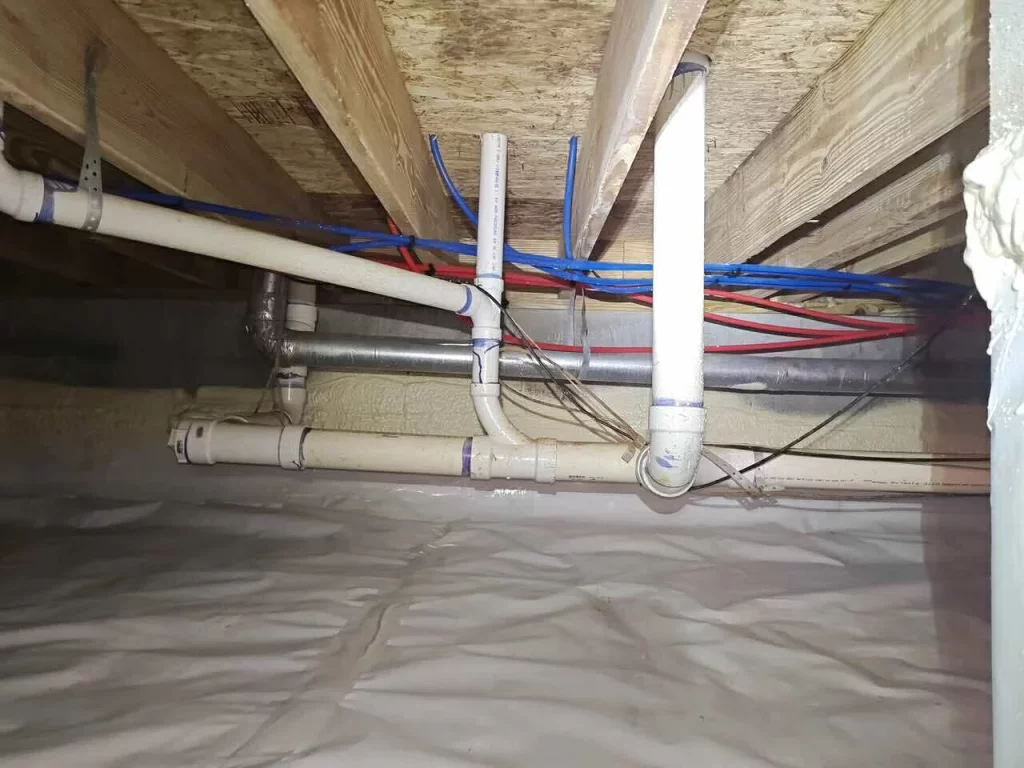
We recommended a comprehensive solution, including spray foam insulation application to the crawl space walls and floor, installation of a vapor barrier over the dirt floor, and proper sealing of all entry points. The total project cost was $3,200, which the homeowner considered an investment rather than an expense.
Six months post-installation, our follow-up inspection showed no mold recurrence. The homeowner reported improved air quality throughout the home and eliminated the musty odor that had persisted for years. The spray foam encapsulation effectively addressed the root cause of the mold problem rather than simply treating the symptoms.
Comparison: Remediation vs. Prevention Approach
| Factor | Reactive Remediation | Proactive Prevention |
|---|---|---|
| Average Cost | $500 – $6,000 per occurrence | $2,500 – $4,500 one-time |
| Frequency | Recurring without addressing the cause | Single investment |
| Time Required | 3-7 days per remediation | 1-2 days for installation |
| Long-term Effectiveness | Temporarily addresses symptoms | Prevents recurrence |
| Health Protection | Addresses existing exposure | Eliminates future exposure |
Protect Your Valdosta Home from Crawl Space Mold
Mold in your crawl space doesn’t have to be a recurring problem. Our team at Premier Insulation specializes in comprehensive solutions that address both existing mold issues and the underlying moisture problems that cause them. As experienced spray foam contractors, we understand Valdosta’s unique climate challenges and provide tailored solutions that protect your home for decades.
Whether you’re dealing with active mold growth or want to prevent future problems, our certified technicians can assess your situation and recommend the most effective solution. We combine industry-leading spray foam products with proven installation techniques to deliver lasting results.
Don’t wait until mold becomes a major problem. Contact us today to schedule your crawl space evaluation and learn how spray foam insulation can transform your home’s protection.
Frequently Asked Questions
How do I know if my Valdosta home has mold in the crawl space?
Common signs include musty odors in the home, visible mold on foundation walls or floor joists, warped wooden floors, and increased allergy symptoms among family members. A professional inspection can confirm the presence and extent of mold growth.
Can I remediate crawl space mold myself?
DIY remediation is only appropriate for areas smaller than 10 square feet. Larger infestations require professional equipment, containment procedures, and expertise to ensure complete removal without spreading spores to living areas.
How long does professional crawl space mold remediation take?
Most residential projects require 3-5 days, including drying time. The duration depends on the extent of contamination, the size of the crawl space, and the severity of moisture problems.
Will spray foam insulation eliminate existing mold?
Spray foam does not kill existing mold. Active mold must be professionally remediated before insulation installation. Spray foam then prevents future growth by creating a moisture barrier.
How often should I inspect my crawl space for mold in Valdosta’s climate?
We recommend bi-annual inspections, preferably in spring and fall, to catch moisture problems before they lead to significant mold growth. After heavy rains or flooding, immediate inspection is advisable.
Ready to address your crawl space mold issues?
Our team is standing by to help Valdosta homeowners protect their properties and families.
Call now: (229) 554-3939
Email: premiereinsulationga@gmail.com
Sources
- Georgia Environmental Protection Division – Climate and Environmental Data
- Centers for Disease Control and Prevention – Mold and Health Guidelines
- Environmental Protection Agency – Mold Remediation Resources
- Federal Emergency Management Agency – Mold Cleanup Guidelines
- Institute of Inspection, Cleaning and Restoration Certification – Industry Standards
- U.S. Department of Energy – Spray Foam Insulation Benefits
- Harvard School of Public Health – Indoor Air Quality Research
- American Society of Heating, Refrigerating and Air-Conditioning Engineers – Building Standards