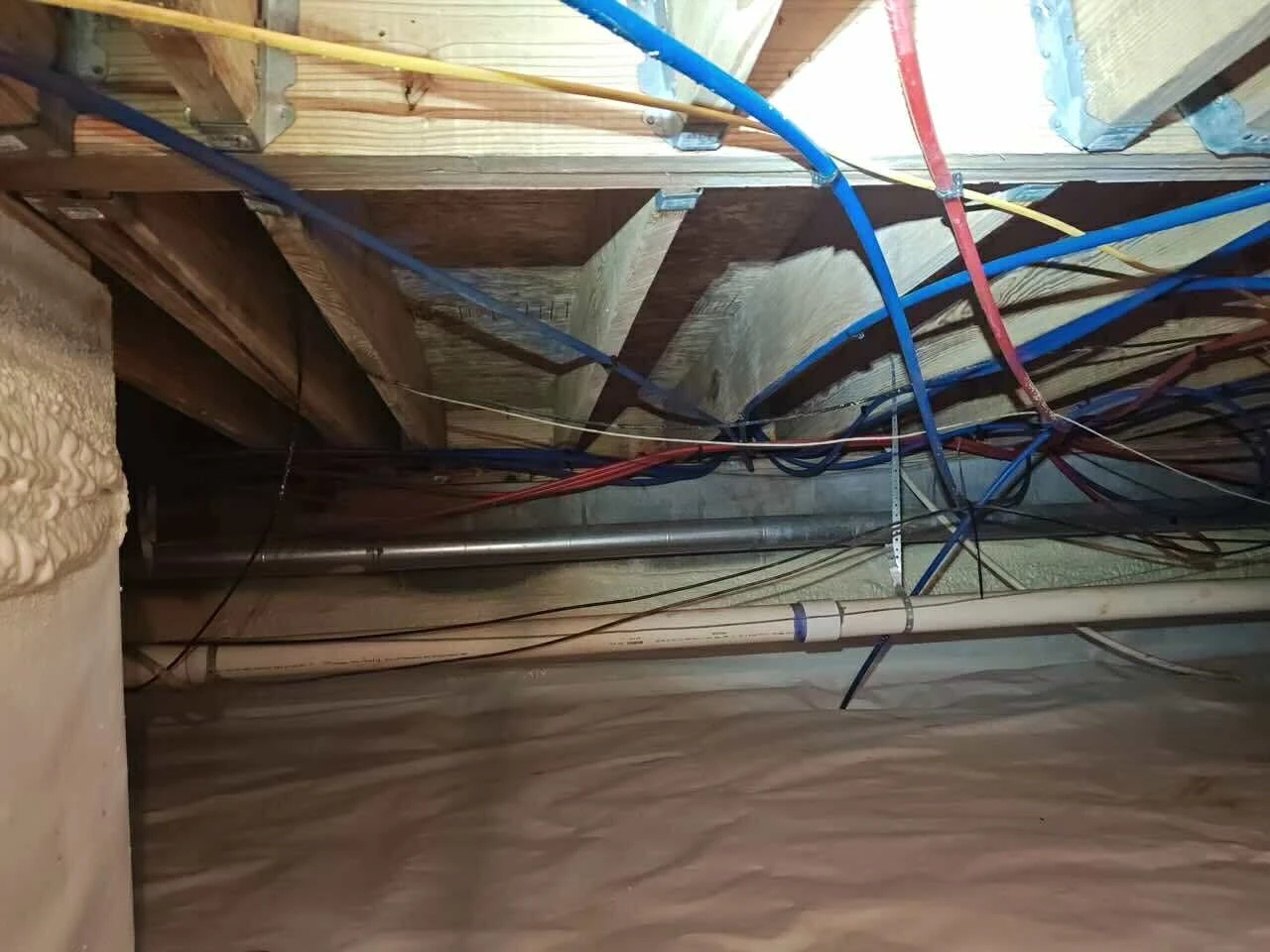
Crawl space mold remediation and encapsulation are interconnected solutions that address moisture problems at their source. Remediation removes existing mold growth, while encapsulation prevents future moisture intrusion that causes mold to return. When performed together correctly, they create a permanent solution that protects both the home’s structure and indoor air quality. This comprehensive approach eliminates mold colonies and seals the crawl space from moisture, making it impossible for mold to regrow under normal conditions.
Understanding Crawl Space Mold Problems
Mold in crawl spaces develops when moisture combines with organic materials like wood framing or insulation. The dark, enclosed environment creates perfect conditions for mold spores to thrive and multiply. Many homeowners don’t realize their crawl space has mold until they notice musty odors upstairs or see visible mold growth during an inspection.
According to the Environmental Protection Agency, mold can begin growing within 24-48 hours of moisture exposure. In humid climates like Georgia’s, the natural moisture level in the air alone can support mold growth in unconditioned crawl spaces. The problem compounds when groundwater seeps through foundation walls or when plumbing leaks add additional moisture sources.
Mold species commonly found in crawl spaces include Stachybotrys (black mold), Aspergillus, and Penicillium. These fungi release microscopic spores that travel through air currents into the living space above. Research from the Centers for Disease Control and Prevention links indoor mold exposure to various health issues, including allergic reactions, asthma attacks, and respiratory infections.
Signs of Crawl Space Mold Problems
Visible mold growth appears as black, green, or white patches on wood surfaces, insulation, or foundation walls. Musty odors often represent the first indicator homeowners notice. Other warning signs include:
- Peeling paint or warped wood flooring upstairs
- Increased allergy symptoms that improve when away from home
- Visible water stains or efflorescence on foundation walls
- Condensation on ductwork or pipes in the crawl space
- Pest infestations are attracted to damp conditions
The Mold Remediation Process
Proper mold remediation involves more than simply cleaning visible mold growth. The process requires containing affected areas, removing contaminated materials, treating surfaces, and addressing the moisture source. Skipping any step increases the likelihood of mold returning.
The remediation process begins with a thorough inspection to determine the extent of mold growth. Moisture meters help identify hidden moisture within wood framing. Air sampling may be necessary to assess spore levels and identify mold species. This assessment creates the roadmap for effective treatment.
Remediation professionals establish containment barriers using plastic sheeting to prevent mold spores from spreading during removal. Negative air pressure machines with HEPA filtration capture airborne spores. Workers wear personal protective equipment, including respirators, gloves, and disposable suits.
Removal and Treatment Methods
Different mold growth situations require different removal approaches:
- Surface mold on non-porous materials gets cleaned with EPA-registered antimicrobial solutions
- Mold on porous materials like wood requires wire brushing, sanding, or sandblasting
- Severely contaminated materials like insulation and drywall require complete removal and disposal
- Hard surfaces receive encapsulation treatments after cleaning to inhibit future growth
Premier Insulation recommends treating all wood framing surfaces with borate-based solutions after physical mold removal. These treatments penetrate deep into wood fibers, creating lasting protection against mold and wood-destroying insects.
Understanding Crawl Space Encapsulation
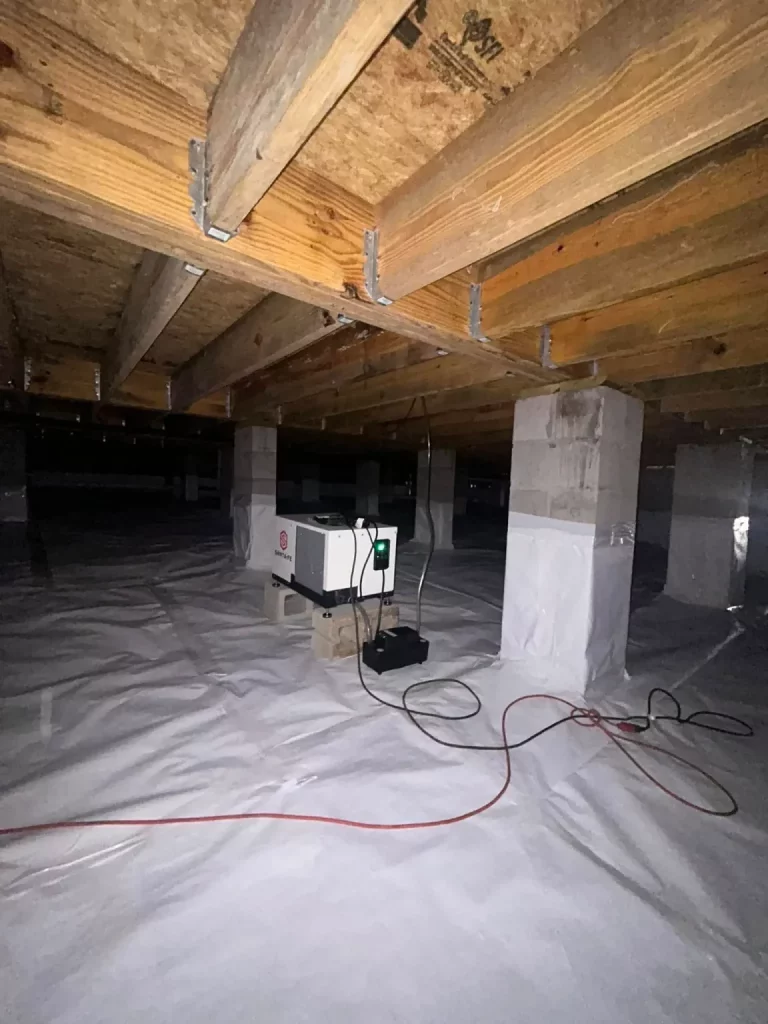
Encapsulation creates a continuous moisture barrier that completely seals the crawl space from ground moisture and outside air. The process involves installing heavy-duty vapor barriers on floors and walls, sealing foundation vents, and often adding a dehumidification system. This transforms the crawl space into a semi-conditioned space that controls moisture levels year-round.
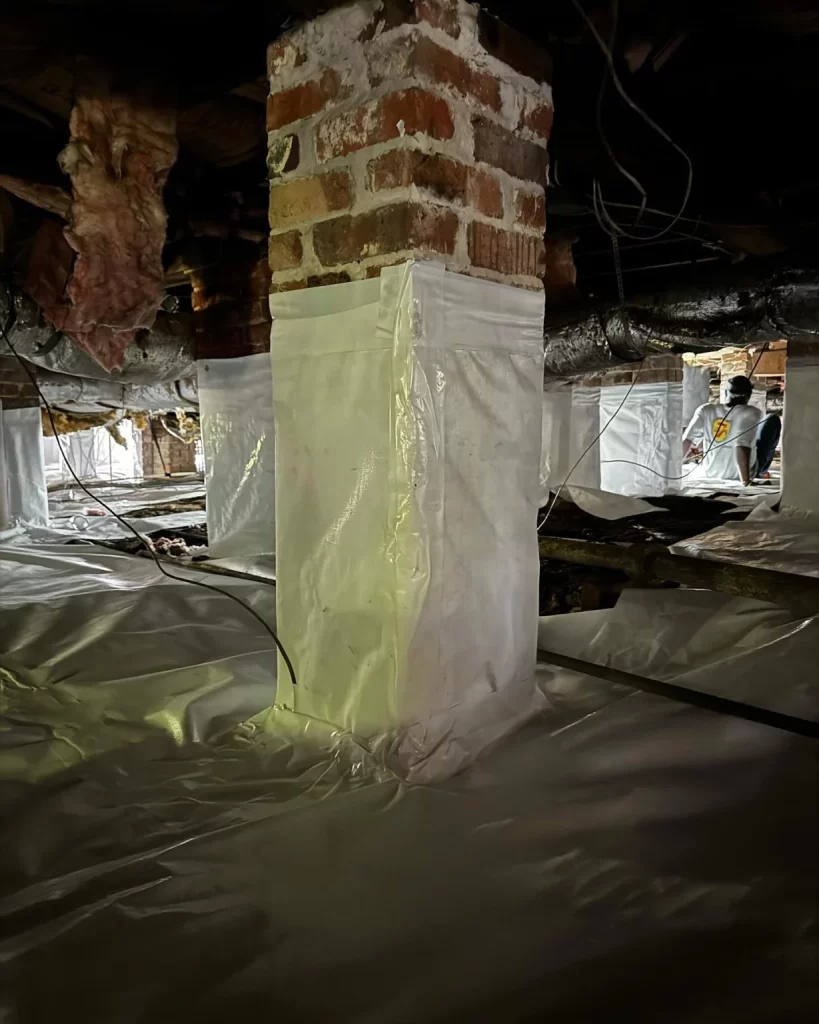
Quality encapsulation systems use reinforced polyethylene vapor barriers of at least 10-mil thickness. The barrier material extends up foundation walls and is mechanically fastened to prevent sagging. All seams overlap at least 12 inches and are sealed with specialized tape. Columns and piers get individually wrapped and sealed before the floor barrier is installed.
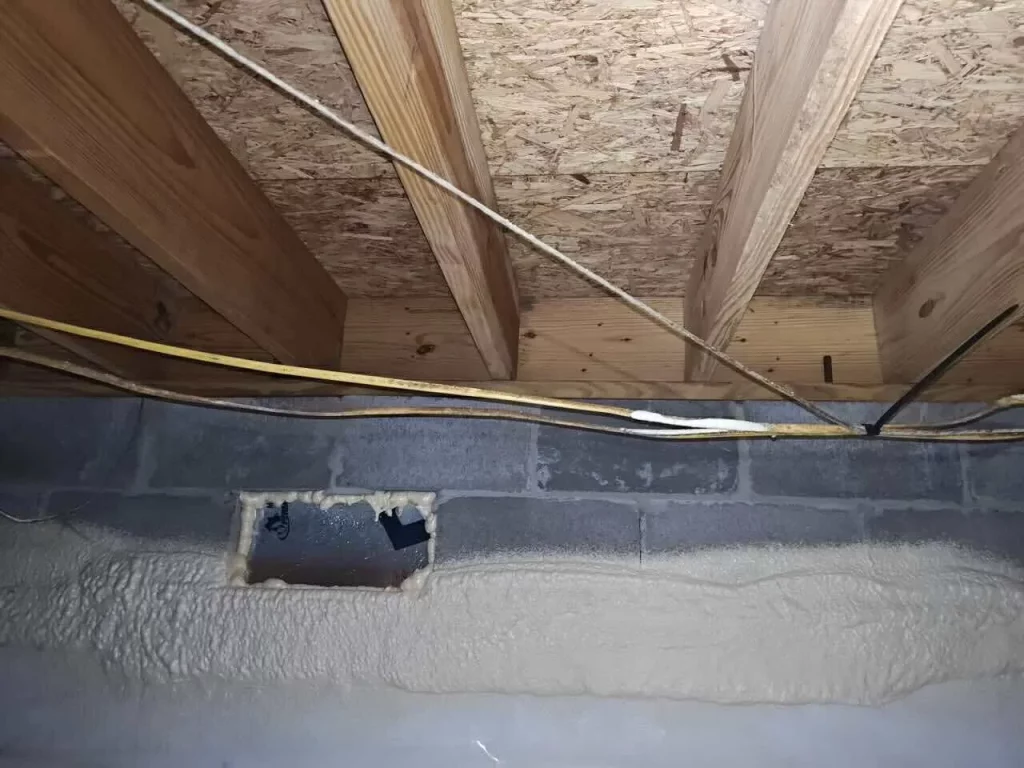
Professional encapsulation also includes sealing foundation vents permanently and air sealing rim joists with spray foam insulation. This stops outside humid air from entering the crawl space. In most cases, a properly sized dehumidifier maintains relative humidity below 50%, which prevents mold growth.
How Remediation and Encapsulation Work Together
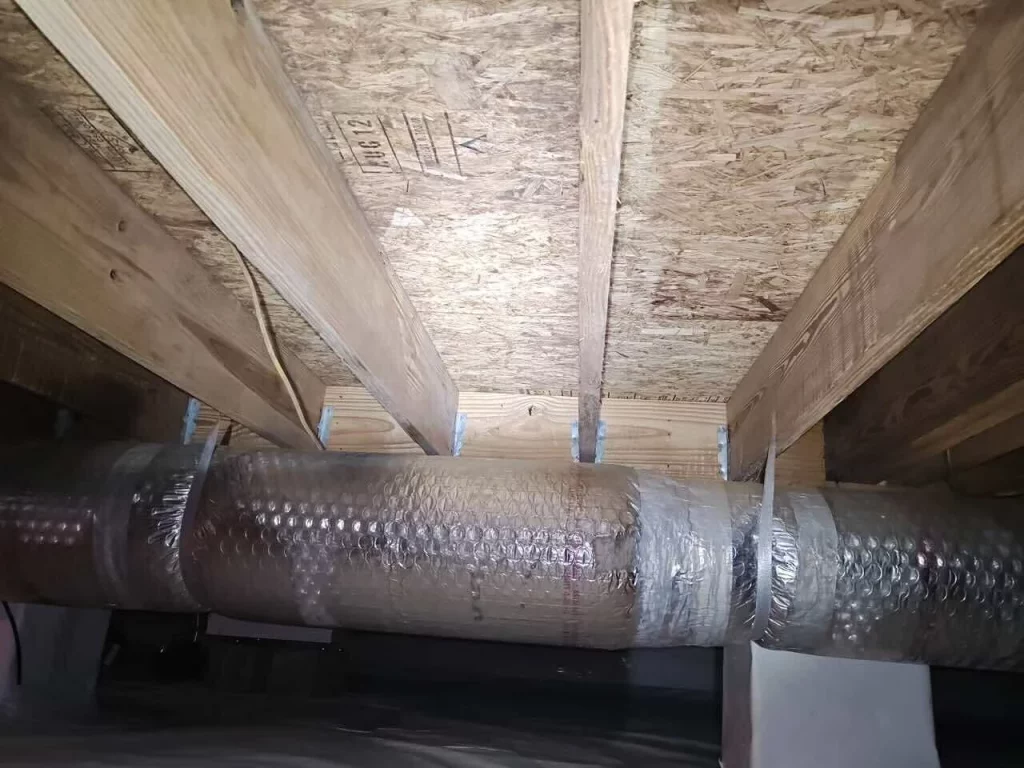
Remediation without encapsulation addresses only current mold growth, leaving the underlying moisture problem unresolved. The mold will likely return within months. Conversely, encapsulation without proper remediation traps existing mold spores and moisture underneath the vapor barrier, potentially creating worse conditions.
The correct approach combines both processes in sequence. First, remediation eliminates existing mold colonies and treats wood surfaces. Then, encapsulation prevents future moisture intrusion. This one-two punch addresses both the symptom and the cause of crawl space mold problems.
Research from Advanced Energy Corporation shows that homes with properly encapsulated crawl spaces experience average energy savings of 15-18% compared to homes with vented crawl spaces. The sealed space also reduces humidity levels throughout the entire house, decreasing the load on air conditioning systems.
Cost-Benefit Analysis
The investment in combined remediation and encapsulation varies based on crawl space size, accessibility, and mold contamination extent. Most homeowners recoup costs through energy savings, prevented structural repairs, and improved health outcomes.
| Service Component | Lifespan | Key Benefits |
|---|---|---|
| Mold Remediation | Immediate | Removes health hazards, stops wood decay |
| Vapor Barrier | 20+ years | Blocks ground moisture, creates usable storage space |
| Dehumidifier Installation | 5-10 years | Controls humidity, prevents future mold |
| Foundation Vent Sealing | Permanent | Stops outside moisture infiltration |
A study by the Building Science Corporation found that crawl space encapsulation provides an average return on investment of 14.6% when factoring in energy savings alone. This doesn’t include the avoided costs of mold-related health issues or structural repairs.
Things to Consider Before Making a Decision
Several factors influence whether crawl space mold remediation and encapsulation make sense for your specific situation. Understanding these considerations helps ensure you choose the most appropriate solution for your home.
Climate plays a significant role in determining the right approach. Homes in humid regions benefit more from encapsulation than those in arid climates. The soil type around your foundation also matters. Clay soils retain more moisture and create more significant hydrostatic pressure against foundation walls than sandy soils.
Bonus Tip: Before investing in encapsulation, check your home’s grading. The ground should slope away from foundation walls at least 6 inches over the first 10 feet. Improper grading often causes drainage issues that overwhelm even the best encapsulation systems.
Your home’s construction method affects the recommended approach. Homes with HVAC ductwork in the crawl space benefit more from encapsulation because sealed ducts in a controlled space operate more efficiently. The age of your home also matters—older homes may need additional structural repairs before encapsulation.
Bonus Tip: Consider the condition of your foundation walls. Significant cracks or active water infiltration require foundation repair before encapsulation. Sealing moisture behind a vapor barrier can cause structural issues and trap water against concrete.
Local building codes and requirements vary by jurisdiction. Some areas require specific encapsulation standards or permit processes. Working with knowledgeable professionals ensures your project complies with local regulations and qualifies for any available energy efficiency rebates or incentives.
Bonus Tip: If you have standing water issues, consider installing an interior French drain system along with a sump pump before encapsulation. This addresses sub-surface water that vapor barriers can’t stop.
Final Considerations
Crawl space mold remediation and encapsulation represent complementary solutions that address both current problems and future prevention. This comprehensive approach protects your home’s structural integrity and your family’s health while providing significant energy efficiency benefits.
Before making any decision, evaluate your specific situation carefully. Consider your climate, home construction, moisture sources, and budget. Professional assessments help identify the full scope of issues and create targeted solutions that address your unique needs.
The investment in proper crawl space treatment pays dividends through improved home performance, reduced maintenance costs, and better indoor air quality. By understanding the connection between remediation and encapsulation, you can make informed choices that protect your home for years to come.
Get Professional Assessment
For homeowners in Georgia experiencing crawl space moisture or mold issues, Premier Insulation offers comprehensive evaluations to determine the most effective solutions for your specific situation. Contact the team at premierinsulationga@gmail.com or call (229) 554-3939 to schedule a thorough crawl space inspection and receive detailed recommendations for both remediation and encapsulation options.
Frequently Asked Questions
Does insurance cover crawl space mold remediation?
Most standard homeowners policies exclude mold coverage unless it results from a covered peril like a burst pipe. Check your specific policy language and consider mold remediation endorsements if you live in a humid region.
How long does encapsulation last?
Quality encapsulation systems last 20+ years when installed properly. Vapor barriers degrade slowly but maintain effectiveness for decades. Dehumidifiers typically need replacement every 8-10 years with regular maintenance.
Will encapsulation increase my property value?
Yes. Appraisers increasingly recognize encapsulated crawl spaces as valuable upgrades. The energy efficiency benefits and moisture protection make homes more attractive to buyers, potentially increasing resale value by 5-10%.
Can I encapsulate my crawl space myself?
While DIY encapsulation materials are available, professional installation ensures proper techniques and long-term performance. Mistakes in sealing, taping, or dehumidifier sizing can lead to moisture problems that defeat the entire system’s purpose.
Is encapsulation worth the cost for older homes?
Older homes often benefit most from encapsulation because they typically have less effective moisture barriers and more air leakage. The energy savings and structural protection deliver significant returns, especially for homes with pier-and-beam foundations.
Sources
- Environmental Protection Agency – Guidelines for mold prevention and remediation in residential properties
- Centers for Disease Control and Prevention – Health effects of mold exposure and damp indoor environments
- Advanced Energy Corporation – Research data on crawl space encapsulation and energy savings in residential buildings