Direct Answer
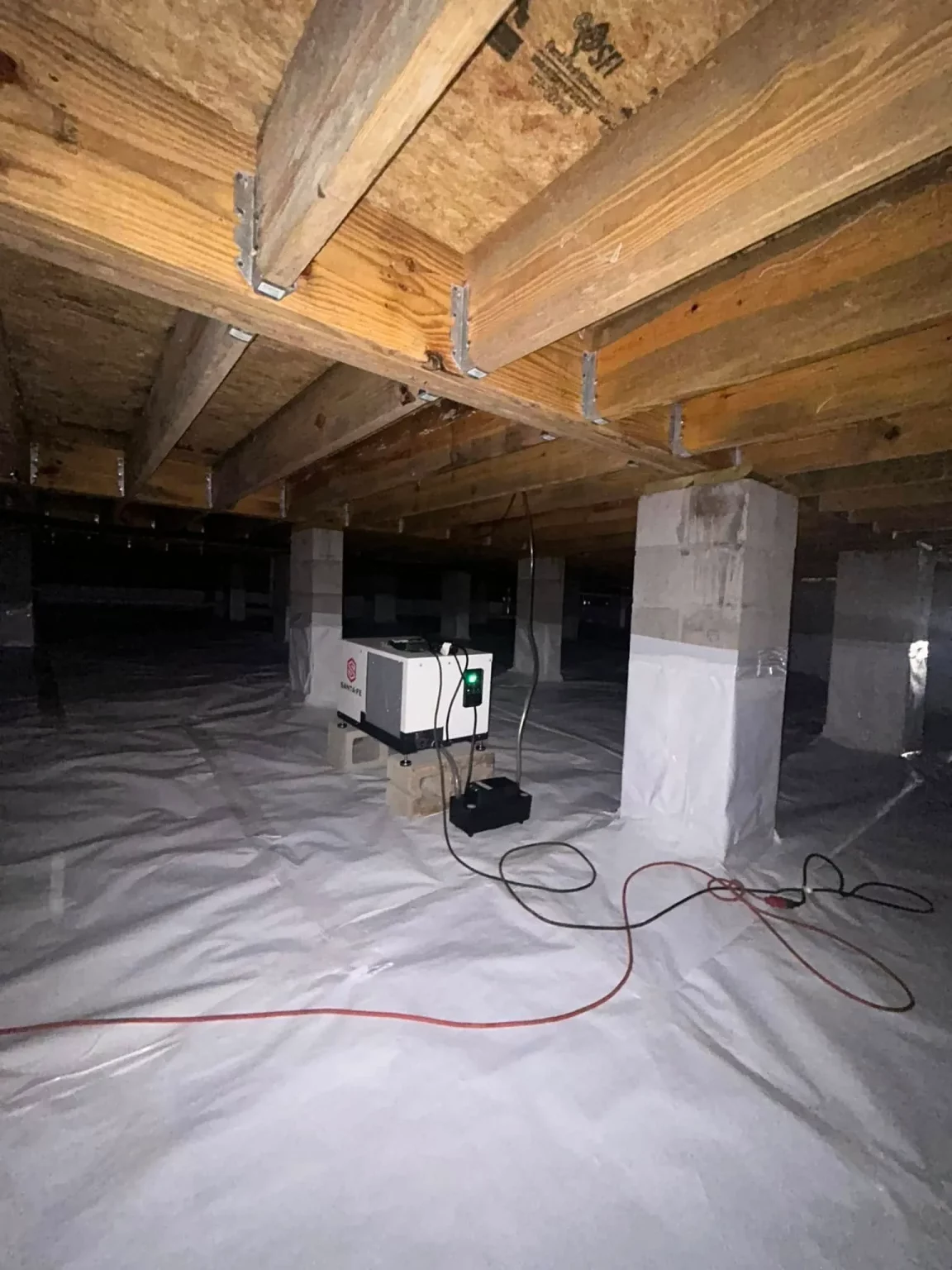
Your crawl space feels wet year-round because moisture from the ground evaporates continuously, especially in humid climates like Georgia, creating persistent damp conditions that standard ventilation rarely addresses. The solution involves sealing the crawl space from ground moisture using spray foam insulation and vapor barriers, rather than relying on traditional vented approaches that simply exchange humid outside air with interior air. Professional encapsulation with spray foam creates a thermal and moisture barrier that eliminates the conditions allowing mold, rot, and allergen proliferation throughout your home.
TLDR / Key Takeaways
- Ground moisture evaporates constantly, making vented crawl spaces perpetually damp, regardless of season
- Spray foam encapsulation stops moisture at the source by sealing the ground and walls completely
- Traditional venting actually worsens the problem in humid climates by bringing in moisture-laden air
- Mold growth in crawl spaces can reduce home value by 10-25% and cause health issues
- Professional encapsulation typically costs $3,000-$8,000 but provides ROI within 5-7 years through energy savings
- Annual moisture-related damage costs U.S. homeowners billions in repairs and health costs
- The best time to address crawl space moisture is during new construction or major renovations
Understanding Why Crawl Spaces Stay Wet
If you have ever walked into your crawl space and felt that unmistakable damp, musty smell hitting you in the face, you are not imagining things. That wet feeling is not something that happens only during rainy seasons or humid summers. For many homeowners, particularly in the southeastern United States, crawl spaces remain damp throughout the entire year, and the reasons go far beyond simple water intrusion.
The fundamental issue lies in how moisture behaves in enclosed spaces beneath homes. The earth beneath your crawl space never truly dries out because it sits at or near the water table in many areas, and groundwater constantly wicks upward through concrete, soil, and foundation walls. According to the U.S. Department of Energy, moisture movement through foundations accounts for a significant portion of humidity problems in homes, with evaporation rates from bare soil reaching several gallons per day in humid climates.
What makes this worse is that traditional building practices assumed that venting the crawl space would solve the problem. The idea was that allowing outside air to circulate would dry out the space. However, in regions where humidity stays above 50% most of the year, vents actually introduce more moisture than they remove. The warm, humid air enters the crawl space, cools down near the cooler foundation walls, and the moisture condenses on surfaces, creating the perfect environment for mold growth and wood rot.
Common Causes of Year-Round Crawl Space Moisture
Understanding the specific causes helps you target the right solutions. Here are the primary factors contributing to persistent crawl space dampness:
- Ground Moisture Evaporation: The soil beneath your home acts like a constant moisture reservoir. Even without visible water intrusion, water molecules continuously evaporate from the soil surface, rising through the crawl space air and condensing on cooler surfaces like wooden beams, ductwork, and insulation materials. This process happens 365 days a year because the ground temperature remains relatively stable compared to air temperature fluctuations.
- Inadequate Vapor Barriers: Many older homes either lack vapor barriers entirely or have been installed with thin, perforated plastic sheeting that tears easily and provides minimal protection. Standard 6-mil polyethylene, while better than nothing, often develops gaps, rips, and deterioration that compromise its effectiveness within just a few years.
- Foundation Cracks and Gaps: Hairline cracks in foundation walls, gaps around utility penetrations, and spaces where different building materials meet all provide pathways for moisture-laden air to enter the crawl space. These seemingly minor openings can account for significant moisture intrusion.
- Improper Grading and Drainage: When the ground slopes toward your home rather than away from it, rainwater and groundwater naturally flow toward the foundation, increasing the moisture load your crawl space must handle. Poor gutter systems and missing downspout extensions compound this problem.
- Plumbing Leaks: Leaking water supply lines, drain pipes, or HVAC condensate lines in the crawl space add ongoing moisture sources that overwhelm normal dehumidification efforts. These leaks often go unnoticed for months or years, creating extensive damage.
The Health and Structural Risks of Ignoring Crawl Space Moisture
The implications of a perpetually wet crawl space extend far beyond an unpleasant smell. Research from the Environmental Protection Agency indicates that mold growth in home foundations can release spores throughout the entire house via the stack effect, where warm air rises and pulls air from the crawl space upward through the living areas.
Health consequences include increased allergy symptoms, asthma triggers, respiratory irritation, and, in severe cases, toxic mold exposure. The Centers for Disease Control and Prevention notes that mold exposure can cause nasal stuffiness, throat irritation, coughing, wheezing, and skin irritation, particularly in individuals with allergies or asthma.
Structurally, wood rot weakens floor joists, support posts, and subflooring. The Federal Emergency Management Agency reports that moisture-related structural damage accounts for billions of dollars in homeowner claims annually. Beyond immediate damage, persistent dampness attracts wood-destroying insects like termites, which thrive in moist environments and can cause catastrophic structural failure if left untreated.
From a financial perspective, homes with documented moisture problems in crawl spaces typically sell for 10-25% less than comparable dry homes, according to Spray Foam Magazine. Additionally, energy costs increase significantly because moisture-saturated insulation performs poorly, forcing HVAC systems to work harder to maintain comfortable temperatures.
Professional Solutions: What Works in 2026
Building Science Corporation has conclusively shown that sealing crawl spaces works far better than venting them, particularly in humid climates. Spray foam insulation has emerged as the gold standard for crawl space encapsulation because it provides both thermal resistance and an effective air barrier in a single application.
| Solution | Effectiveness | Cost Range | Best For |
|---|---|---|---|
| Spray Foam Encapsulation | Excellent (95%+ moisture reduction) | $3,000-$8,000 | Complete, long-term solution |
| Thick Vapor Barrier Only | Good (60-80% reduction) | $1,500-$3,000 | Budget-conscious homeowners |
| Dehumidifier + Venting | Moderate (40-60% reduction) | $500-$1,500 + ongoing electricity | Temporary or minor problems |
| Traditional Venting | Poor (often worsens humidity) | $500-$2,000 | Not recommended for humid climates |
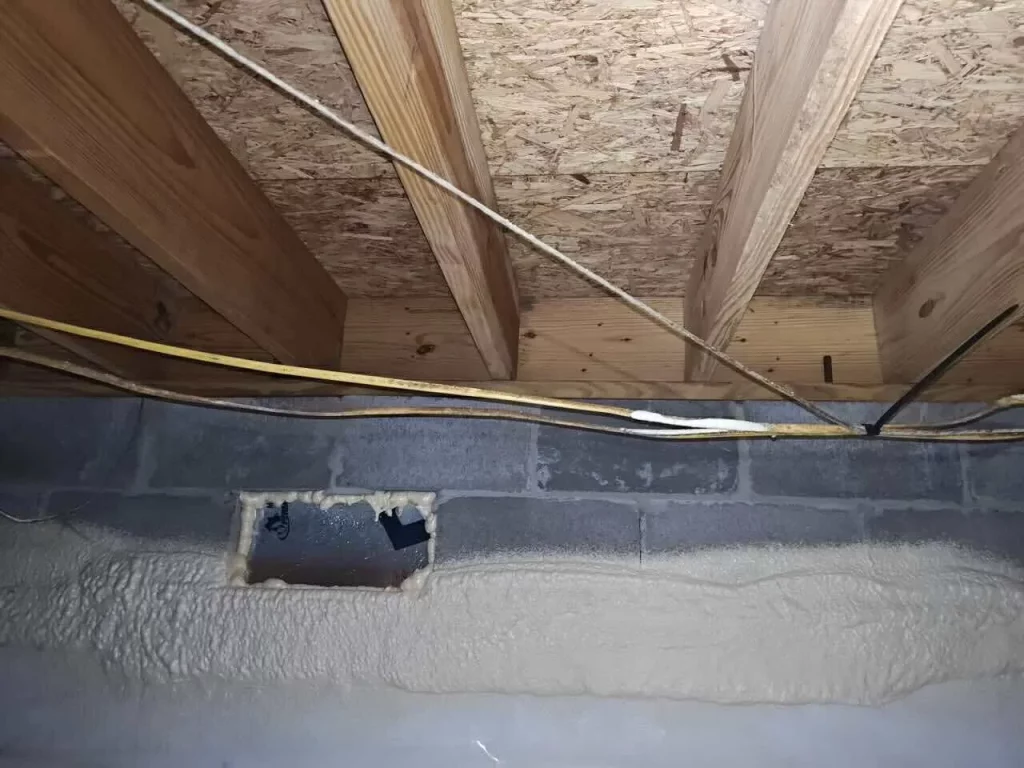
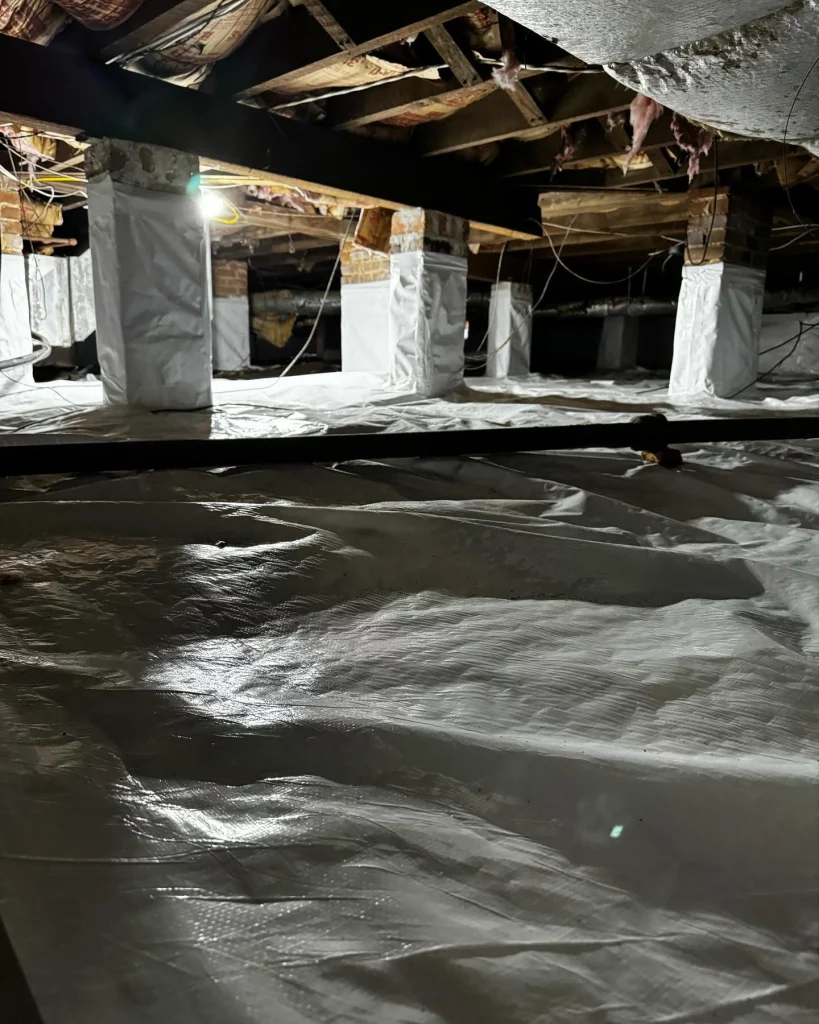
Spray foam creates a seamless thermal envelope that adheres directly to foundation walls, floor joists, and rim joists. Closed-cell spray foam, in particular, provides a vapor retarder itself, meaning you eliminate the need for separate vapor barrier installation. The foam expands to fill cracks and gaps, creating an airtight seal that prevents moisture-laden air from entering while also providing superior insulation performance.
Our experienced team evaluates each crawl space situation individually, considering factors like foundation type, existing moisture levels, climate zone, and budget to determine the optimal encapsulation approach. We use commercial-grade spray foam products designed specifically for below-grade applications, ensuring long-term performance in challenging environments.
When to Call a Professional
While some homeowners attempt DIY vapor barrier installation, professional encapsulation provides significant advantages that justify the investment. Our certified technicians understand building science principles that ensure proper installation, including adequate ventilation for any existing appliances, correct foam thickness for thermal performance, and careful attention to moisture management details that DIYers often overlook.
Red flags indicating you need professional intervention include visible mold growth, persistent musty odors that worsen with closed windows, warped or buckled flooring above the crawl space, higher-than-normal utility bills, and pest activity in the crawl space area.
Actionable Steps Homeowners Can Implement Today
While professional encapsulation provides the most complete solution, several immediate steps can reduce crawl space moisture while you plan for permanent improvements:
- Extend all downspouts at least 10 feet from your foundation to direct water away from the home
- Grade the soil so it slopes away from the foundation at least 6 inches over 10 feet
- Seal gaps around plumbing, electrical, and HVAC penetrations using expanding spray foam or caulk
- Remove organic debris like leaves, wood scraps, and cardboard that provide food for mold
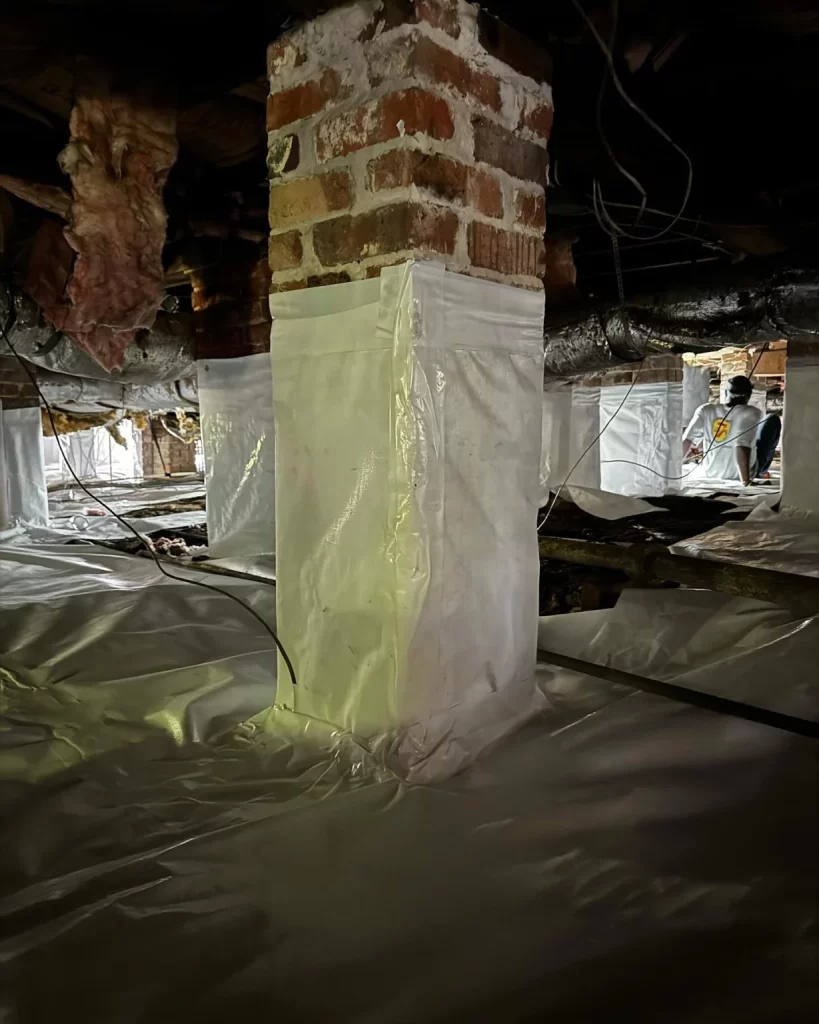
- Install a thick vapor barrier over bare soil if professional encapsulation is not immediately affordable
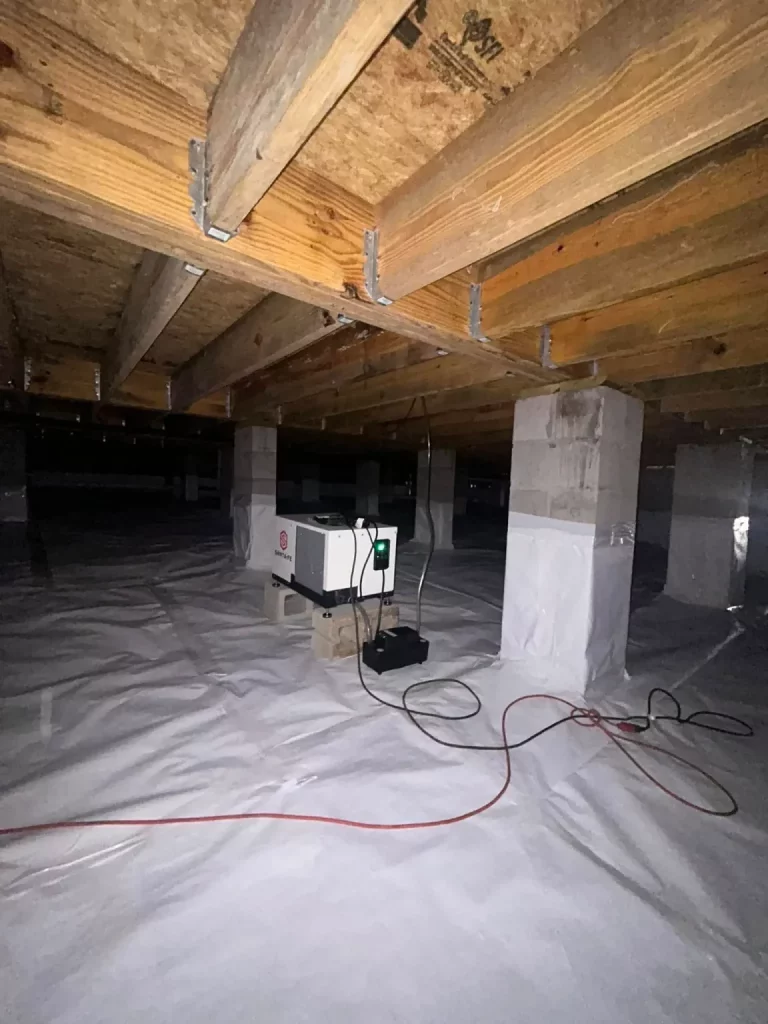
- Run a dehumidifier in the crawl space during humid months, setting it to maintain 50-55% relative humidity
- Check gutters regularly and clean them at least twice yearly to prevent overflow that saturates foundations
These measures provide meaningful moisture reduction, but they address symptoms rather than causes. For a permanent solution that eliminates crawl space moisture problems for decades, professional spray foam encapsulation delivers the best return on investment.
Frequently Asked Questions
How do I know if my crawl space moisture problem is serious enough to require professional help?
If you see visible mold, notice persistent musty odors in your home, have wood that feels soft or shows signs of rot, or have measured humidity levels above 70% in the crawl space, it is time to call a professional U.S. Census Bureau. These indicators suggest the problem has progressed beyond what simple DIY fixes can address.
Can I encapsulate my crawl space myself to save money?
While DIY vapor barrier installation is possible, spray foam encapsulation requires specialized equipment, training, and safety precautions. Improper installation can create new problems like moisture trapped between materials or inadequate air sealing. Professional installation ensures the warranty-backed results that protect your investment.
How long does spray foam crawl space encapsulation last?
Properly installed spray foam insulation lasts 20-30 years or longer without any degradation in performance. Unlike traditional fiberglass insulation, spray foam does not settle, sag, or absorb moisture, making it ideal for crawl space applications.
Will encapsulating my crawl space help with energy bills?
Yes, encapsulation significantly reduces energy costs by eliminating the thermal bridging and moisture damage that make HVAC systems work harder. Most homeowners see a 15-30% reduction in heating and cooling costs after proper crawl space encapsulation.
What is the best time of year to encapsulate a crawl space?
Crawl space encapsulation can be performed year-round, but spring and fall often provide optimal conditions with moderate humidity levels. However, professional contractors adjust their techniques seasonally to ensure proper installation regardless of when you schedule the work.
Ready to transform your crawl space into a dry, energy-efficient part of your home?
Contact us today for a free evaluation of your crawl space. Our knowledgeable team will assess your specific situation, explain all available options, and provide a detailed proposal tailored to your home and budget.
Call now: (229) 554-3939
Email: premiereinsulationga@gmail.com
Sources
- U.S. Department of Energy – Building Technologies Office: Moisture Control in Buildings
- Environmental Protection Agency – Mold and Moisture in Homes
- Centers for Disease Control and Prevention – Mold and Health
- Federal Emergency Management Agency – Flood Damage and Moisture
- U.S. Census Bureau – Housing Characteristics and Construction Data
- Spray Foam Magazine – Industry Standards and Best Practices
- Building Science Corporation – Research on Crawl Space Performance