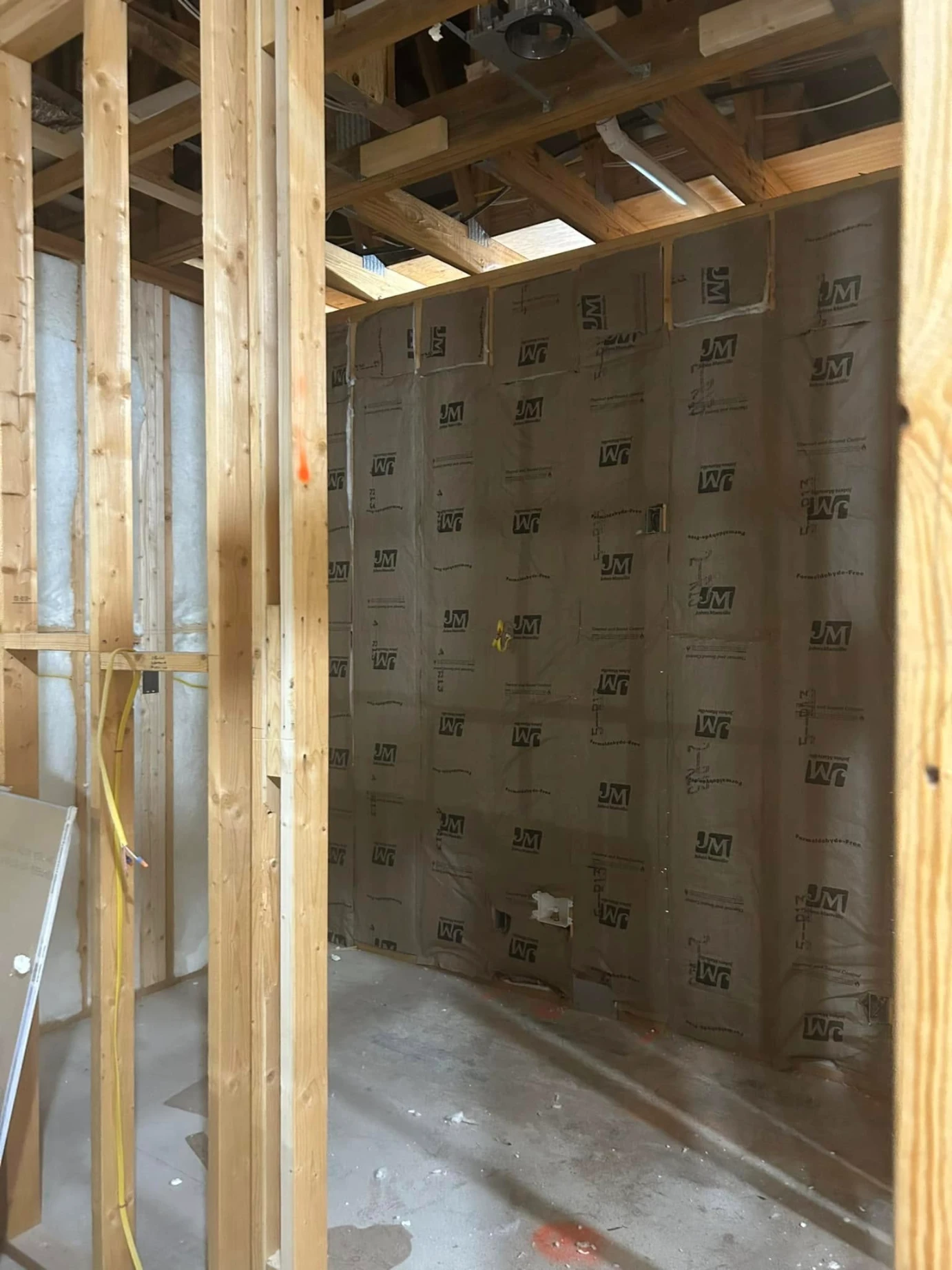
Homeowners need to inspect insulation every few years to confirm that the material still meets thermal performance standards and remains undamaged. Periodic checks identify issues such as material settling, moisture accumulation, and pest infestations that significantly reduce energy efficiency. Regular evaluations prevent minor problems from escalating into costly energy losses or mold remediation projects. Premier Insulation provides these assessments to maintain home comfort and structural integrity. Expert knowledge in building science confirms that insulation effectiveness varies with age and environment.
Maintaining a consistent thermal barrier is the primary way to control indoor temperatures and limit utility expenses. While many people assume insulation lasts forever, factors like attic ventilation, roof leaks, and simple gravity can change the material’s density and coverage. By verifying the condition of these materials at least every three years, residents ensure their homes remain protected against extreme outdoor temperatures.
Indicators of Insulation Performance Decline
Temperature fluctuations between rooms are often the first sign that insulation needs attention. If the living room stays cool while a bedroom feels stifling, the thermal barrier likely has gaps or thin spots. These variations suggest that the material has shifted or was never distributed evenly. Monitoring these changes helps catch problems before they lead to excessive wear on heating and cooling systems.
High energy bills often stem from degraded insulation. According to the Environmental Protection Agency, homeowners save an average of 15% on heating and cooling costs by air sealing and adding insulation in attics and crawl spaces. When bills spike without a change in usage habits, the insulation is likely failing to stop heat transfer.
Drafts near baseboards, outlets, or light fixtures indicate that the surrounding insulation is no longer providing an airtight seal. Over time, materials like fiberglass or cellulose can pull away from the framing. This creates paths for air to bypass the barrier, making the HVAC system work harder to maintain a set temperature.
Common Physical Damage and Material Settling
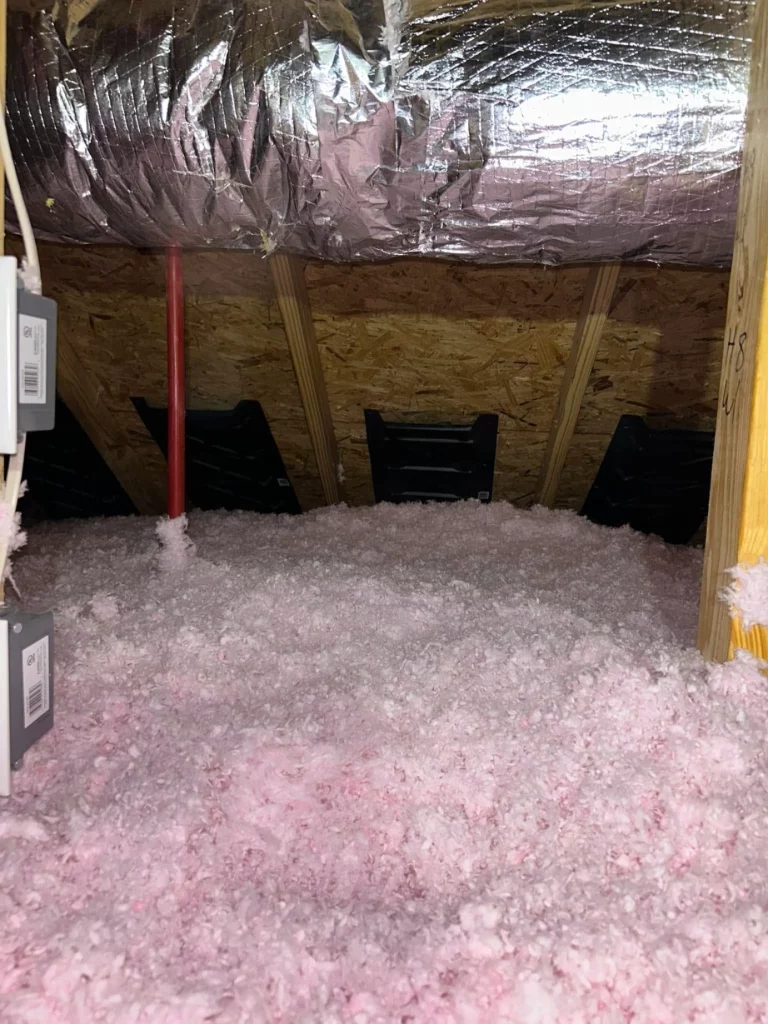
Loose-fill insulation is prone to settling due to gravity and vibrations from the house. As the material packs down, it loses the air pockets required to slow heat transfer. This reduction in volume directly lowers the R-value, a measure of thermal resistance. Checking the depth against a ruler every few years makes it easy to track this compression.
Moisture remains one of the biggest threats to insulation longevity. Roof leaks, even small ones, can saturate large sections of material. Once wet, most types of insulation lose their ability to trap heat and often become a breeding ground for mold. Data from the Department of Energy suggests that wet insulation should usually be replaced because moisture causes the fibers to permanently mat together.
Pests such as rodents and birds often use attic insulation for nesting. They create tunnels and leave waste that destroys the material’s structure and creates health hazards. Regular checks help identify these intruders early. Droppings or compressed “runways” in the insulation are clear signs that the barrier is compromised and potentially contaminated.
Bonus Tip: Keep a permanent ruler attached to a central attic joist. This makes it easy to see at a glance if the insulation level has dropped over the last several years without needing to crawl into tight corners.
Thermal Resistance and Regional Standards
Insulation effectiveness is measured by its R-value, and these requirements vary significantly by local climate. A home built twenty years ago likely met the standards of that time, but those requirements have since increased. Research from the North American Insulation Manufacturers Association indicates that 90% of existing U.S. homes are under-insulated.
Upgrading insulation to meet current codes is often one of the most cost-effective home improvements. If a check reveals that the attic has less than 10 to 14 inches of insulation, it is likely below the recommended levels for most regions. Staying up to date on these standards ensures the home remains competitive in the real estate market and remains comfortable for occupants.
| Insulation Material | Estimated Lifespan | Common Issues | Inspection Frequency |
|---|---|---|---|
| Fiberglass Batts | 60 to 80 years | Gaps, moisture, pests | Every 3 years |
| Cellulose (Blown-in) | 20 to 30 years | Settling, dust, moisture | Every 2 years |
| Spray Foam | 80+ years | Shrinkage, cracking | Every 5 years |
| Mineral Wool | 70+ years | Compression, sagging | Every 4 years |
Structural Health and Air Quality Benefits
Insulation does more than just regulate temperature; it also protects the building’s structure. In cold climates, poor attic insulation leads to ice dams. These occur when heat escapes into the attic, melts snow on the roof, and causes water to refreeze at the gutters. This cycle can tear off gutters and push water under shingles, leading to rot in the roof deck.
Indoor air quality is also tied to the state of the insulation. Old, dusty, or moldy material can allow particulates to enter the living space through recessed lights or attic hatches. Checking the condition of the barrier helps ensure the air circulating through the HVAC system remains clean. If insulation appears discolored or has a musty odor, it is likely affecting the household’s health.
Checking the perimeter of the attic during an inspection reveals if soffit vents are blocked. These vents are necessary for airflow, which prevents heat and moisture buildup. If insulation has been blown over these vents, the attic will overheat in the summer and trap moisture in the winter.
Bonus Tip: Look for dark spots on the insulation surface. This often indicates “air washing,” where air is leaking from the house, and the insulation acts as a filter, trapping dirt and dust. This is a sign that air sealing is needed.
Things to Consider Before Making a Decision
Before deciding to replace or add to existing insulation, homeowners should evaluate several factors. The age of the home is a significant consideration, as older homes may contain hazardous materials, such as asbestos in vermiculite insulation. If the house was built before 1990 and has pebble-like insulation, a professional test is necessary before touching it.
The roof’s current condition is another factor. Adding new insulation under a leaky roof is a waste of resources. Any structural repairs or roof replacements should happen before insulation upgrades. Similarly, if plans are to upgrade the electrical wiring in the attic, it is easier to do so before adding more layers of material.
Budget and long-term residency plans also play a role. If the plan is to stay in the home for many years, higher-end options like spray foam might offer better returns through energy savings. For those planning to move soon, topping off existing fiberglass or cellulose might be the more practical choice to ensure the home passes a buyer’s inspection.
Identifying Problems During a Home Check
Performing a basic check does not require specialized tools, just a flashlight and a ruler. Start by looking for areas where the floor joists are visible. If the insulation is level with or below the joists, the home needs more. The material should be distributed evenly across the entire space without deep valleys or high peaks.
Inspect the areas around chimneys, pipes, and light fixtures. These are common points for heat loss. If the insulation is pulled back from these areas, it creates a “chimney effect” that allows warm air to escape rapidly. Ensure that any material near heat-producing fixtures is rated for that specific use to prevent fire hazards.
Summary of Maintenance Needs
Regularly checking insulation is a fundamental part of home ownership. It ensures the thermal envelope remains intact, protecting the house from energy loss, structural damage, and poor air quality. By spending a few minutes every few years to measure depth and look for signs of moisture or pests, homeowners can save thousands of dollars in long-term repairs and utility costs. The focus should always be on maintaining a consistent, dry, and adequately thick barrier that meets modern standards. Evaluators should pay close attention to settling and air bypasses to keep the home running efficiently.
Contact Premier Insulation
For professional evaluations and assistance with maintaining an efficient home environment, reach out to the experts. Premier Insulation offers thorough inspections and practical solutions for residential thermal management. Contact the team at premierinsulationga@gmail.com or call (229) 554-3939 to discuss your specific needs. Expert advice ensures that every home remains comfortable and cost-effective year-round.
Frequent Questions About Attic Safety
What is the ideal R-value for an attic?
The ideal R-value depends on the location. Most regions in the United States require between R-38 and R-60 for attics. This usually equates to about 12 to 20 inches of material, depending on the type used.
Does insulation help with soundproofing?
Yes, insulation significantly reduces noise transfer between the outside and the interior. Denser materials like mineral wool or cellulose are particularly effective at dampening sounds from traffic or rain.
Is it safe to walk in the attic during an inspection?
Only walk on the wooden ceiling joists or installed walkways. Stepping between the joists will result in falling through the ceiling drywall in the room below.
Why does my insulation look black in some spots?
Black spots usually indicate air leaks from the living space. The insulation is acting as a filter for the air escaping the house. These spots highlight exactly where air sealing is needed with foam or caulk.
Sources
- Environmental Protection Agency – Data regarding average energy savings from proper insulation and air sealing.
- Department of Energy – Official guidelines on insulation types, R-values, and moisture management.
- North American Insulation Manufacturers Association – Research showing the prevalence of under-insulated homes in the United States.