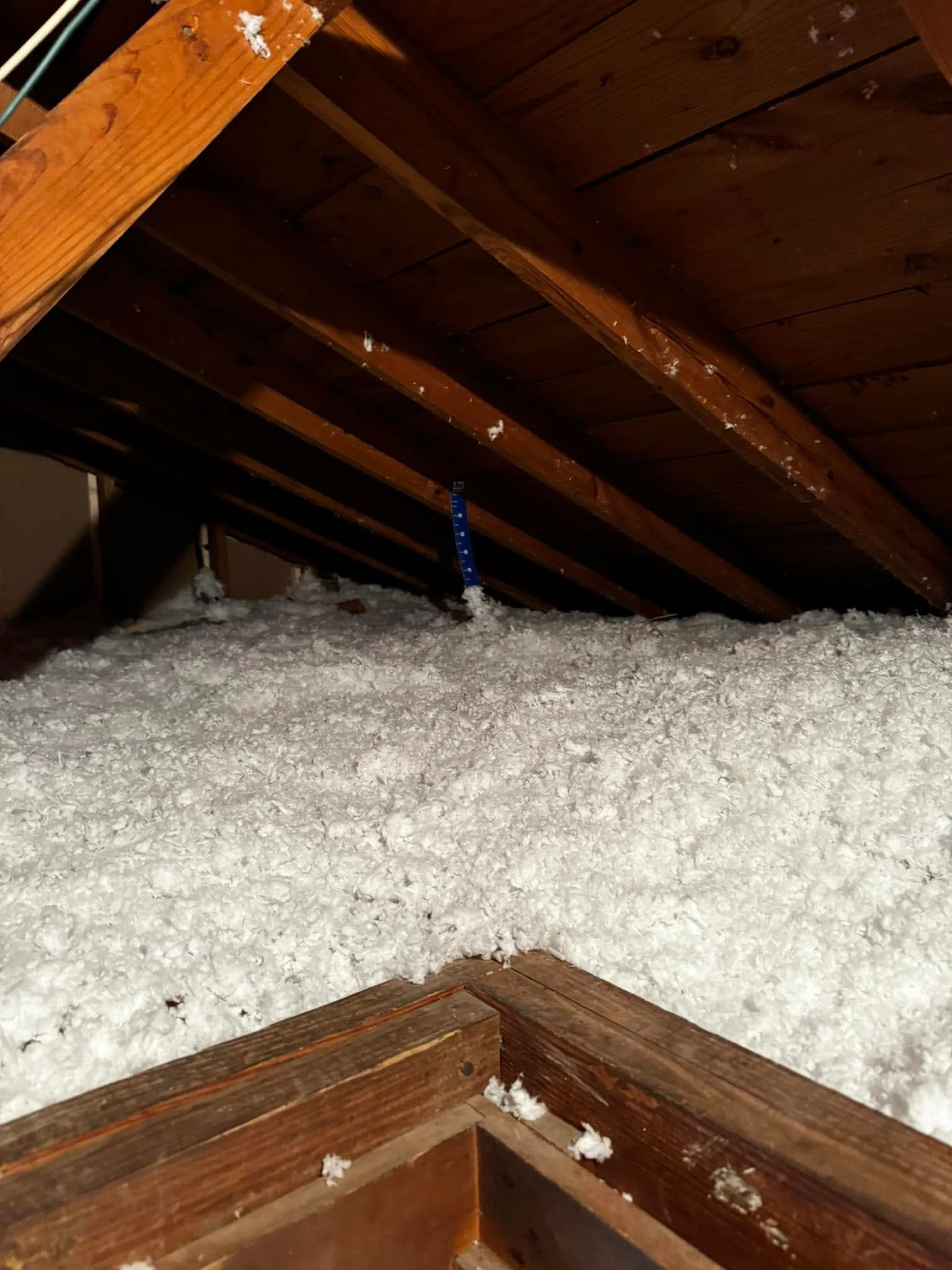
Proper insulation acts as a thermal barrier that maintains consistent indoor temperatures despite Moultrie’s seasonal extremes. During scorching summer months, insulation blocks heat transfer from outside, keeping your home cooler with less air conditioning. In winter, it prevents heat from escaping, reducing heating needs. The result is year-round comfort and significant energy savings regardless of weather fluctuations. This article provides detailed guidance on insulation solutions specifically suited to Moultrie’s climate, helping homeowners make informed decisions for optimal thermal protection and energy efficiency.
Understanding Moultrie’s Climate Challenges
Moultrie experiences a humid subtropical climate with distinct seasonal challenges that demand specific insulation approaches. Summer temperatures regularly climb into the 90s with oppressive humidity, while winter brings occasional freezing temperatures. According to Weather Spark, Moultrie’s temperature typically varies from 41°F to 92°F throughout the year, creating a substantial comfort range that your insulation must manage.
The high humidity levels present year-round compound these temperature challenges. Moisture control becomes just as important as thermal protection. Poor insulation can lead to condensation issues, mold growth, and reduced insulation effectiveness. Local homeowners must address both heat transfer and moisture management for complete protection against seasonal swings.
Types of Insulation for Moultrie Homes
Different insulation materials offer varying levels of protection suitable for Moultrie’s climate demands. The choice depends on your home’s construction, budget, and specific needs.
Spray Foam Insulation
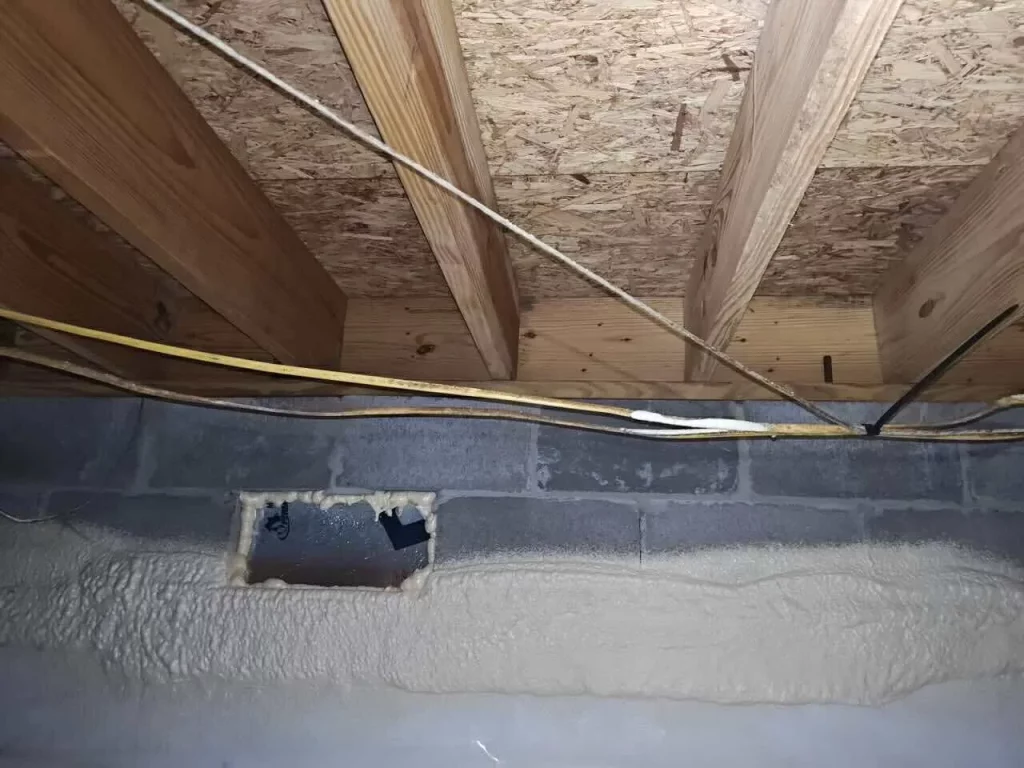
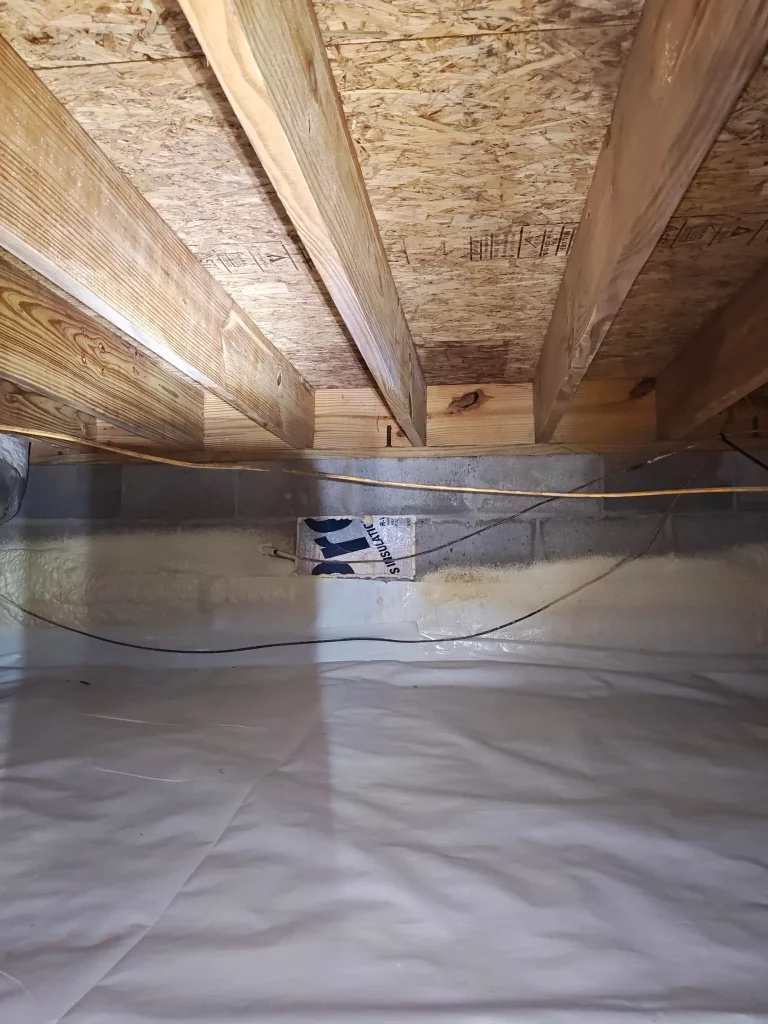
Spray foam provides superior air sealing and moisture resistance, making it ideal for Moultrie’s humid conditions. It expands to fill gaps and cracks completely, eliminating air leaks that compromise efficiency. Closed-cell spray foam offers the highest R-value per inch and adds structural strength to your home. Premier Insulation recommends spray foam, particularly for attics and crawl spaces where moisture control is critical.
Fiberglass Insulation
Traditional fiberglass batts remain popular due to their cost-effectiveness. Modern fiberglass products include moisture-resistant facing options that work better in humid climates. When properly installed without compression, fiberglass provides reliable thermal protection at budget-friendly prices.
Cellulose Insulation
Blown cellulose offers excellent coverage in existing walls and attics. It’s treated with borates to resist pests and fire, though moisture can reduce its effectiveness over time in humid environments like Moultrie. Professional installation ensures proper density for maximum performance.
Bonus Tip: For maximum protection in Moultrie’s climate, consider using different insulation types in various areas of your home. Spray foam works best in attics and crawl spaces, while walls might benefit from spray foam or high-density cellulose, depending on existing construction.
Insulation Requirements by Home Area
Different sections of your home require specific R-values for optimal performance in Moultrie’s climate:
| Home Area | Recommended R-Value | Common Installation Method | Key Considerations |
|---|---|---|---|
| Attic | R-49 to R-60 | Blown-in or spray foam | Ventilation needs, moisture barriers |
| Walls | R-13 to R-21 | Batts, spray foam, or blown | Vapor barrier placement |
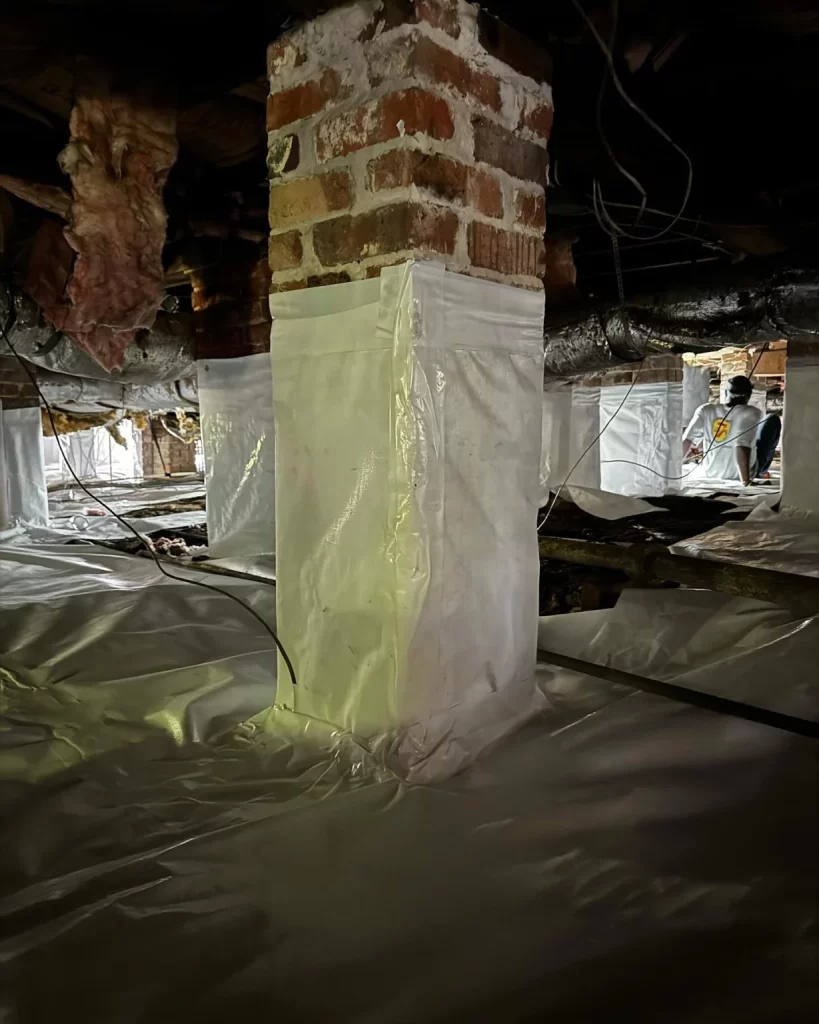
| Crawl Space | R-19 to R-30 | Spray foam or rigid boards | Ground vapor seal, encapsulation |
| Floors | R-25 to R-30 | Batts or rigid foam | Air sealing, moisture protection |
These recommendations align with Energy Star guidelines for Zone 3, which includes Moultrie, GA. Proper installation is crucial – even the best materials underperform if installed incorrectly.
Things to Consider Before Making a Decision
Several factors influence the optimal insulation choice for your Moultrie home. First, assess your existing insulation levels and condition. Many older homes in the area have insufficient insulation by current standards. An energy audit can identify specific problem areas and prioritize improvements.
Budget considerations affect material selection, but remember that insulation upgrades typically pay for themselves through energy savings. The U.S. Department of Energy reports that homeowners can save up to 20% on heating and cooling costs by adding insulation and air sealing.
Bonus Tip: Check for available rebates and incentives from Georgia Power and federal programs. These can significantly offset the cost of insulation upgrades, making higher-performance materials more affordable.
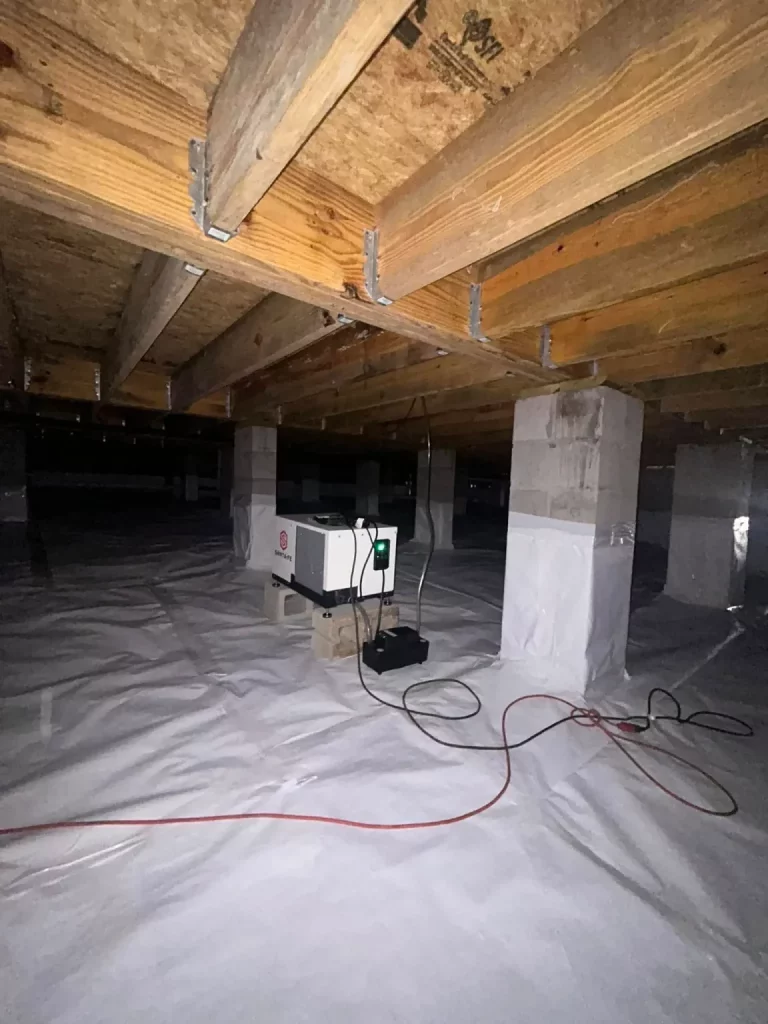
Moisture control deserves special attention in Moultrie’s humid climate. Consider the entire building envelope – insulation must work with vapor barriers, proper ventilation, and air sealing. Sometimes additional dehumidification becomes necessary for optimal comfort, regardless of insulation levels.
Bonus Tip: Install a smart thermostat alongside insulation upgrades to maximize energy savings. These devices work with improved insulation to optimize heating and cooling cycles based on actual conditions rather than assumptions.
Moving Forward with Your Insulation Project
Proper insulation provides year-round protection against Moultrie’s seasonal temperature swings while reducing energy costs and improving comfort. The right insulation system addresses both thermal transfer and moisture management, specific to this region’s climate challenges.
Start by evaluating your current insulation levels and identifying problem areas. Consider a professional assessment to determine the most cost-effective upgrades for your specific situation. Remember that insulation works as a system – combining proper materials, air sealing, and moisture control delivers the best results.
Energy savings alone often justify insulation upgrades, with most Moultrie homeowners recouping costs through reduced utility bills within 5-7 years. The improved comfort and indoor air quality provide additional value that extends beyond simple energy efficiency.
Take time to research available incentives and rebates that can make premium insulation options more affordable. Whatever path you choose, investing in proper insulation protects your home against Moultrie’s seasonal extremes for years to come.
Get Professional Insulation Guidance
Premier Insulation offers comprehensive insulation solutions tailored to Moultrie’s climate conditions. Our experienced team helps homeowners evaluate options and implement the right insulation strategy for maximum comfort and energy savings. Contact: premierinsulationga@gmail.com or call (229) 554-3939 for a professional assessment of your home’s insulation needs.
FAQS
What R-value do I need for my attic?
Moultrie homes in Climate Zone 3 should have attic insulation between R-49 and R-60. This typically means about 16-20 inches of blown cellulose or 12-15 inches of fiberglass. Spray foam requires fewer inches due to a higher R-value per inch.
Is spray foam worth the extra cost?
For Moultrie’s humid climate, spray foam provides superior moisture control and air sealing benefits that justify the higher initial cost. The payback period typically ranges from 5-10 years, depending on energy prices and home characteristics.
Should I insulate my crawl space?
Absolutely. Crawl space insulation significantly improves comfort and energy efficiency in Moultrie homes. Encapsulation with spray foam creates a conditioned space that prevents moisture problems and reduces heat transfer.
Can insulation cause moisture problems?
Improperly installed insulation can indeed create moisture issues. Vapor barriers must be placed correctly for Moultrie’s climate – typically on the warm side of the insulation. Professional installation prevents these problems.
How do I know if I need more insulation?
Signs include high energy bills, uneven temperatures between rooms, drafts, and HVAC systems running constantly. Many Moultrie homes built before 2000 have insufficient insulation by current standards.
Sources
- Weather Spark – Comprehensive climate data for Moultrie, GA, including temperature ranges and humidity patterns
- Energy Star – Recommended insulation R-values by climate zone and application
- U.S. Department of Energy – Information about insulation types, installation, and potential energy savings