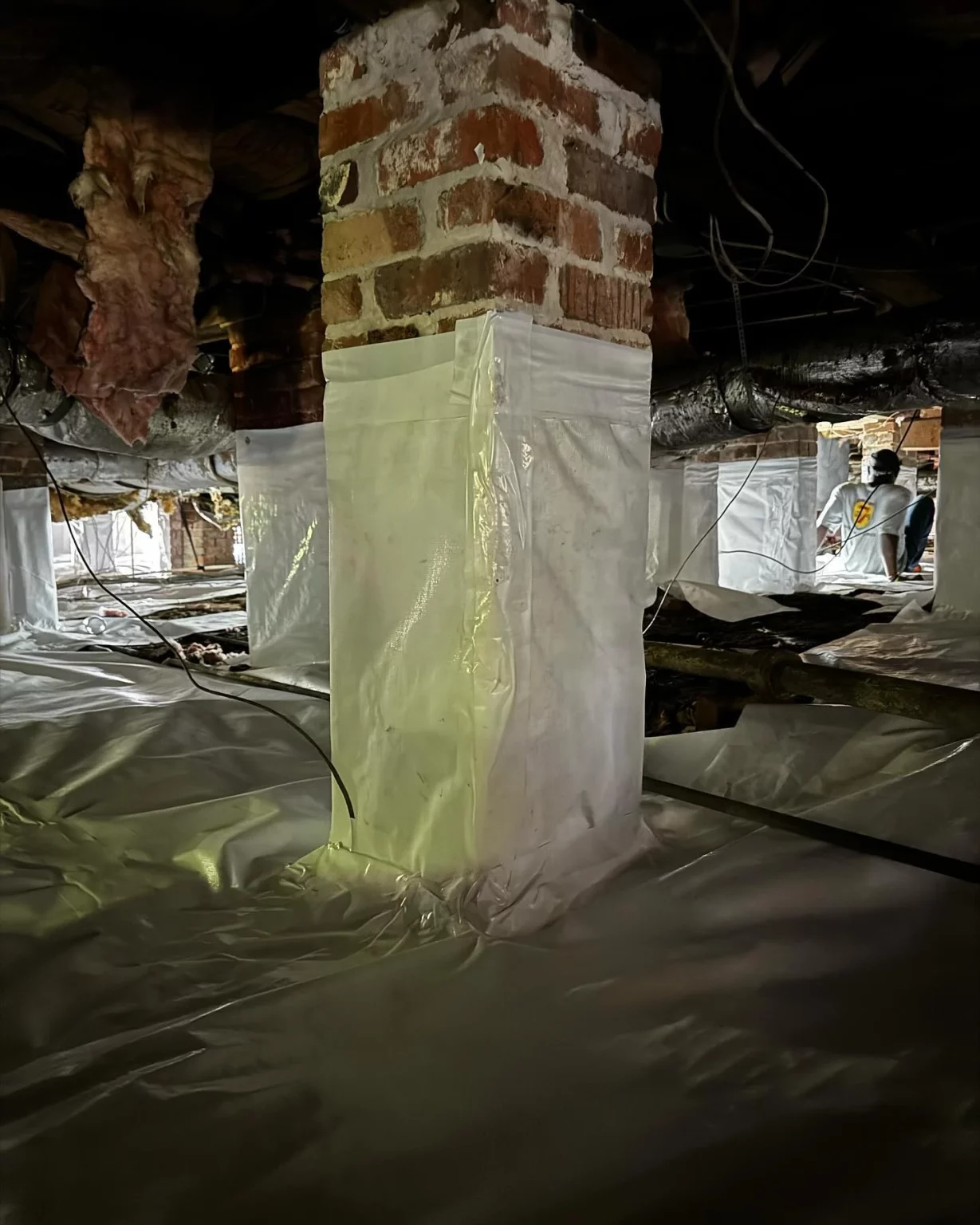
If pests like rodents, insects, and termites have invaded your crawl space, encapsulation offers the most effective long-term solution. This process involves sealing the entire crawl space with a heavy-duty vapor barrier and insulation system that eliminates the dark, moist environment pests need to survive. For homeowners in Thomasville, GA, crawl space encapsulation not only eliminates existing infestations but also prevents future problems while improving energy efficiency and indoor air quality. Unlike temporary pest control treatments that require repeated applications, encapsulation provides a permanent barrier that addresses the root cause of pest infestations beneath your home.
TLDR / Key Takeaways
- Crawl space encapsulation eliminates pest infestations by removing the moisture and shelter that attracts rodents, insects, and termites to your home’s foundation
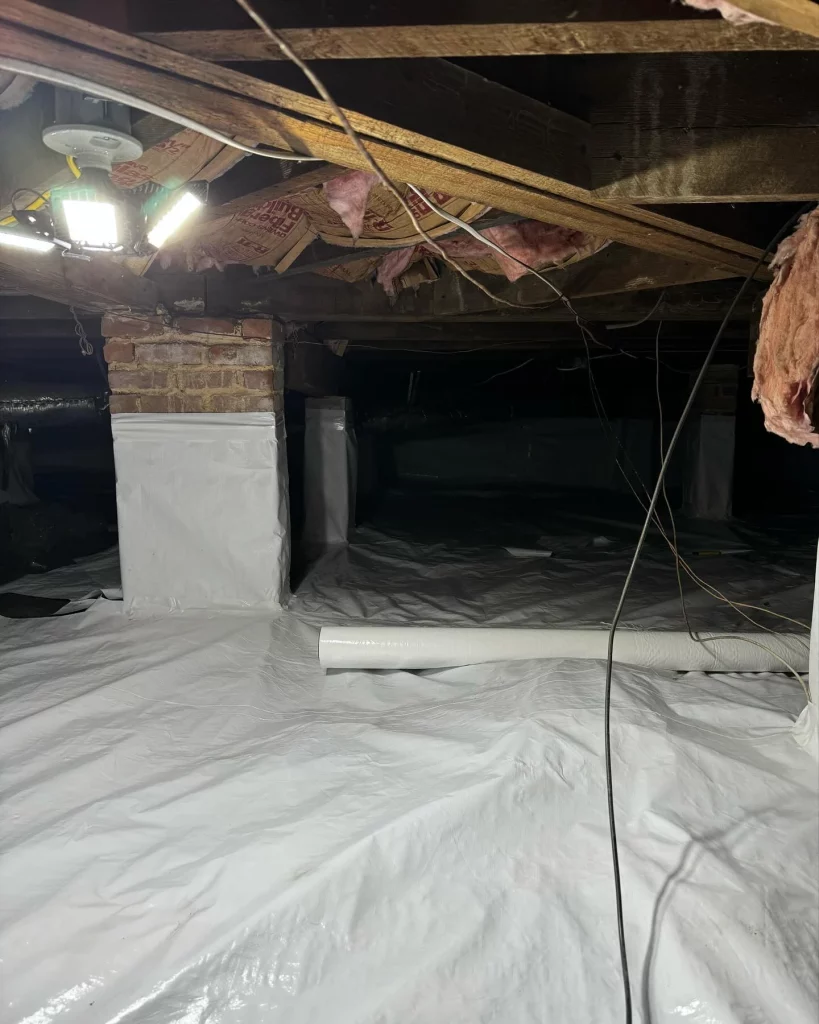
- The process involves installing a thick vapor barrier across the floor and walls, sealing vents, and insulating the space to create an unusable environment for pests
- Homes with encapsulated crawl spaces see a 50-80% reduction in pest-related issues, according to industry research
- Thomasville’s humid climate makes encapsulation particularly valuable, as the process reduces moisture levels that attract pests year-round
- Professional encapsulation can increase property value by 5-10% while reducing energy costs by 15-25%
- The investment typically pays for itself within 3-5 years through combined pest control savings, energy efficiency, and reduced maintenance
- DIY encapsulation often fails because it lacks proper sealing of critical entry points that professionals identify and address
Understanding Crawl Space Pest Problems in Thomasville
The crawl space beneath your Thomasville home creates a perfect storm for pest infestations. This dark, often damp area provides shelter, food sources, and ideal breeding conditions for multiple pest species. Research from the National Pest Management Association indicates that over 70% of homes in the Southeastern United States experience some level of pest activity in crawl spaces, with subterranean termites causing the most significant structural damage.
Thomasville’s climate presents unique challenges for homeowners. The combination of high humidity, mild winters, and abundant vegetation creates an environment where pests thrive. According to the University of Georgia Extension Service, the region’s climate allows pest populations to remain active throughout most of the year, unlike northern climates, where cold temperatures provide natural pest control.
Common pests that invade Thomasville crawl spaces include:
- Subterranean termites, which cause billions of dollars in damage annually across the United States
- Rodents, including mice and rats, that nest in insulation and chew through electrical wiring
- Cockroaches, particularly German and American varieties that reproduce rapidly in moist environments
- Spiders and centipedes that feed on other insects
- Fungal-feeding insects that indicate moisture problems
- Fire ants that establish colonies in soil-contact areas
The problem extends beyond simple inconvenience. Pests in your crawl space can damage insulation, compromise structural wood, create health hazards through droppings and allergens, and decrease your home’s value. The Environmental Protection Agency reports that pest infestations in crawl spaces can contribute to poor indoor air quality throughout the entire home.
How Crawl Space Encapsulation Works
Crawl space encapsulation creates a complete physical barrier that seals your crawl space from the ground up. This systematic approach addresses every potential entry point and condition that attracts pests.
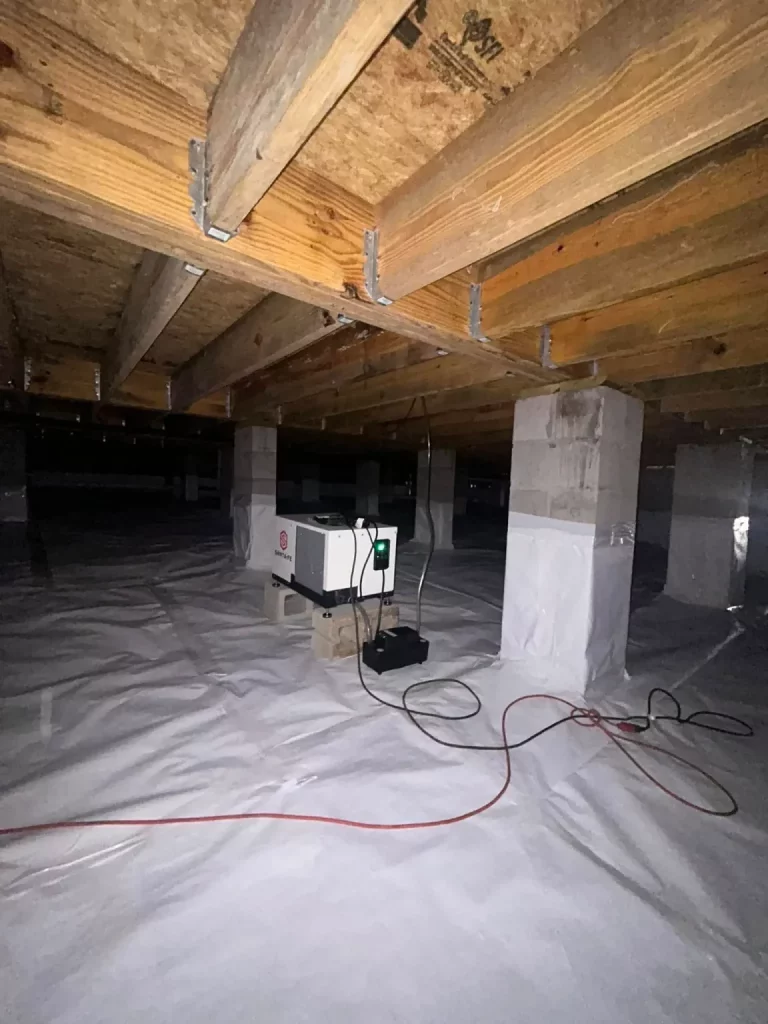
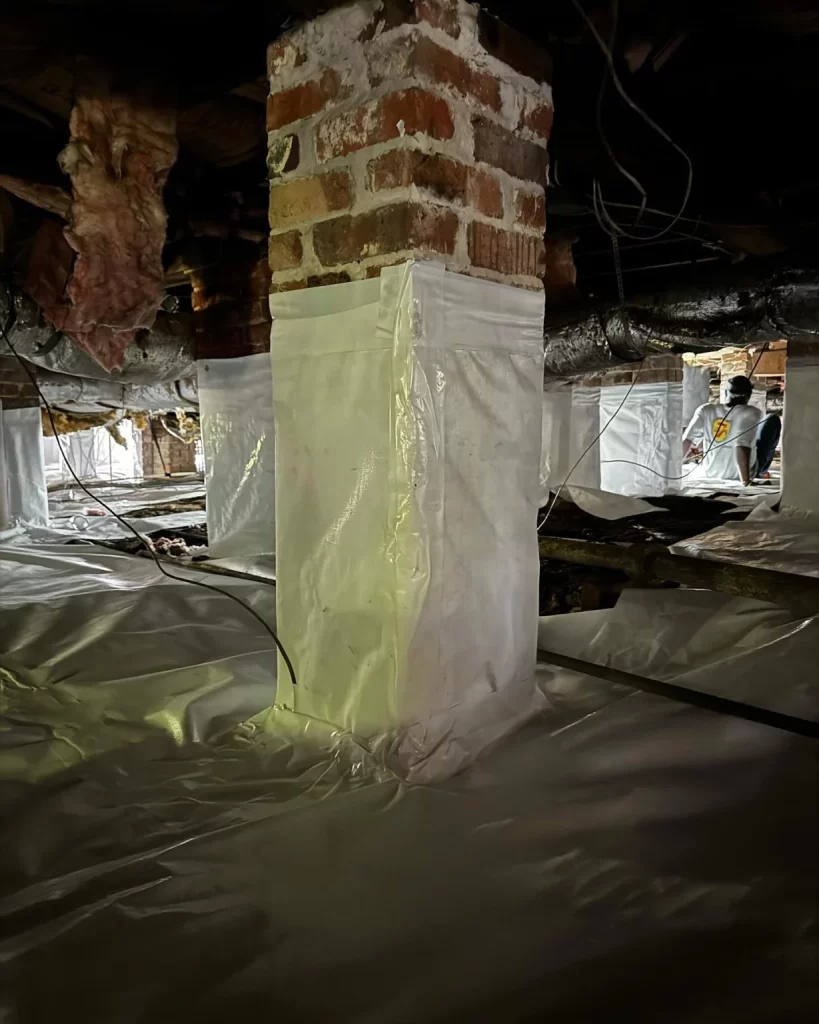
The encapsulation process includes several critical components that work together to create an impenetrable environment:
- Vapor Barrier Installation: A thick polyethylene barrier, typically 10-20 mil in thickness, covers the entire crawl space floor and extends up the walls. This material prevents moisture from evaporating from the soil into your crawl space air, eliminating the damp conditions pests need. Building Science Corporation.
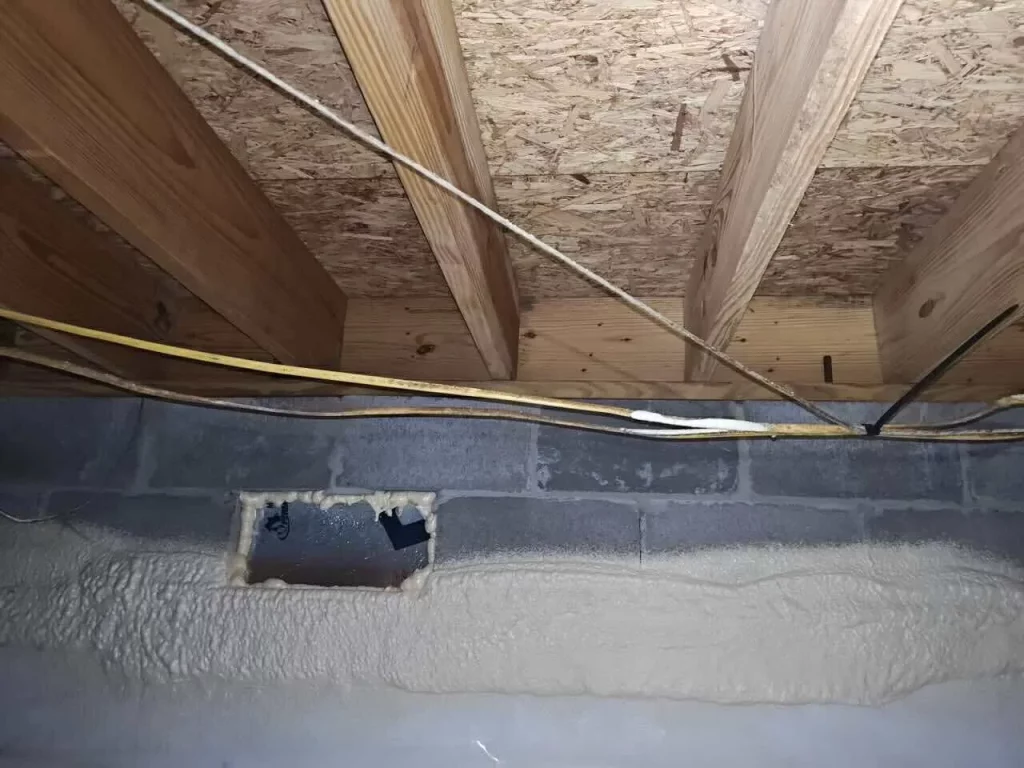
- Wall Insulation: Insulation panels applied to the crawl space walls create an additional barrier while improving energy efficiency. Spray foam insulation works particularly well in this application because it seals gaps and adheres directly to surfaces.
- Vent Sealing: While building codes traditionally required crawl space vents, research has shown that vented crawl spaces actually increase moisture problems and pest access. According to the U.S. Department of Energy, sealing these vents eliminates a primary entry point for pests while allowing the encapsulation system to control humidity.
- Dehumidification: Professional encapsulation systems include proper drainage and often incorporate dehumidifiers to maintain optimal humidity levels below 50%, which prevents both pest activity and mold growth.
- Sealing of Utility Entry Points: Pipes, electrical wiring, and ductwork that penetrate the crawl space walls create gaps that pests can exploit. Professional installers seal these openings with appropriate materials.
Benefits Beyond Pest Control
While pest elimination drives most homeowners to pursue encapsulation, the benefits extend significantly beyond pest control. Understanding these additional advantages helps you make a compelling case for this investment.
- Energy Efficiency Improvements: The U.S. Department of Energy reports that crawl spaces account for 15-25% of total energy loss in typical homes. Encapsulation eliminates this loss by creating a thermal boundary that reduces heating and cooling costs.
- Improved Indoor Air Quality: Crawl space air inevitably rises into your living spaces through the stack effect. When that air contains mold spores, pest droppings, and allergens, your family’s health suffers. Encapsulation eliminates these contaminants at their source.
- Structural Protection: Moisture in crawl spaces causes wood rot, rust on metal components, and deterioration of concrete foundations. By controlling humidity, encapsulation extends the life of your home’s structural components.
- Increased Property Value: Real estate professionals report that homes with encapsulated crawl spaces command 5-10% higher prices than comparable homes with traditional crawl spaces, according to data from the National Association of Realtors.
Encapsulation vs Traditional Pest Control: A Comparison
| Factor | Traditional Methods | Crawl Space Encapsulation |
|---|---|---|
| Initial Cost | $300-$1,500 annually | $3,000-$15,000 one-time |
| Treatment Frequency | Quarterly or monthly | Once (permanent solution) |
| Effectiveness | 30-50% reduction | 80-95% reduction |
| Moisture Control | None | Comprehensive |
| Energy Impact | No change | 15-25% savings |
| Long-term Value | No impact | 5-10% property value increase |
| Health Benefits | Limited | Significant improvement |
| Warranties | 1-year typical | 10-25 years |
This comparison demonstrates why encapsulation represents the smarter long-term investment for homeowners dealing with persistent pest problems. While traditional pest control requires ongoing expenses and provides only temporary relief, encapsulation creates a permanent solution that pays dividends through multiple channels.
Implementation Strategies for Contractors
For insulation contractors in Thomasville and surrounding areas, offering crawl space encapsulation services represents a significant business opportunity. The following strategies help maximize success:
- Comprehensive Assessments: Before proposing solutions, conduct thorough evaluations that identify all pest entry points, moisture sources, and structural issues. Use thermal imaging to detect hidden problems that aren’t visible to the naked eye.
- Education-First Sales: Homeowners often don’t understand how encapsulation works or why it’s necessary. Provide educational materials, demonstrations, and references that help customers understand the long-term value of the investment.
- Financing Options: Many homeowners can’t afford high upfront costs. Partner with financing companies to offer payment plans that make encapsulation accessible.
- Quality Warranties: Stand behind your work with substantial warranties. This assurance differentiates professional installation from DIY attempts that often fail within a few years.
- Referral Programs: Satisfied customers represent your best advertising. Implement referral programs that reward customers who recommend your services to friends and family.
Real-World Examples
Consider a typical Thomasville home built in the 1980s with a vented crawl space. Prior to encapsulation, homeowners reported regular mouse activity, musty odors throughout the house, and utility bills that seemed unnecessarily high. After professional encapsulation, the mouse problem disappeared entirely within weeks, musty odors cleared within a month as the vapor barrier dried the space, and energy bills decreased by approximately 20% annually.
Another case involved a home with a history of termite treatments. The homeowner had spent over $3,000 annually on quarterly termite inspections and treatments. After encapsulation eliminated the moisture that attracts subterranean termites, the annual termite service contract became unnecessary, saving money while providing better protection.
Cost Considerations and ROI
While encapsulation requires a significant upfront investment, the return on investment becomes clear when you consider all the benefits. Most homeowners recover their investment within 3-5 years through combined energy savings, eliminated pest control costs, and avoided structural repairs. The 10-25 year lifespan of professional encapsulation systems means decades of benefits after the payback period.
The exact cost depends on your crawl space size, existing conditions, and whether additional repairs are needed before encapsulation. Obtain detailed estimates from qualified contractors who can assess your specific situation.
Protect Your Thomasville Home with Professional Encapsulation
Pest problems in your crawl space won’t resolve themselves. The longer you wait, the more damage occurs, and the more expensive the repairs become. Crawl space encapsulation provides a permanent solution that protects your home, your family’s health, and your financial investment.
Premier Insulation specializes in crawl space encapsulation systems designed specifically for Thomasville homes. Our experienced team assesses your specific situation, identifies all problem areas, and installs comprehensive solutions that eliminate pests permanently while improving your home’s energy efficiency and value.
Don’t let pests continue to damage your home from beneath. Contact us today to schedule your comprehensive crawl space evaluation and learn how encapsulation can transform your property.
Frequently Asked Questions
How long does crawl space encapsulation take to complete?
Most residential encapsulation projects are completed within 2-5 days, depending on crawl space size and any repairs needed beforehand.
Will encapsulation fix my musty basement smell?
Yes, by eliminating moisture that causes mold and mildew, encapsulation typically eliminates musty odors within 2-4 weeks after installation.
Can I encapsulate my crawl space myself to save money?
While DIY kits exist, professional installation typically provides better results because experts identify and seal critical entry points that homeowners miss. Poorly done encapsulation can actually make problems worse.
Does encapsulation require ongoing maintenance?
Minimal maintenance is needed beyond occasional inspection and ensuring the dehumidifier (if installed) remains functional. Annual inspections help catch any issues early.
Will encapsulation prevent all future pest problems?
Encapsulation eliminates the environment that attracts pests to crawl spaces. While occasional incidental entry may occur, the lack of moisture and shelter means pests cannot establish colonies.
Ready to eliminate pests and improve your home?
Call (229) 554-3939 or email premiereinsulationga@gmail.com to schedule your consultation.
Sources
- National Pest Management Association – Termite Statistics – Industry data on pest prevalence and termite damage costs in the United States.
- University of Georgia Extension Service – Pest Management – Regional pest activity and climate considerations for Georgia homeowners.
- Environmental Protection Agency – Indoor Air Quality – Health impacts of crawl space conditions on whole-home air quality.
- Building Science Corporation – Vapor Barriers – Technical guidance on vapor barrier specifications and installation.
- U.S. Department of Energy – Crawl Space Ventilation – Research on vented vs. encapsulated crawl spaces and energy performance.
- U.S. Department of Energy – Energy Efficiency – Statistics on energy loss through crawl spaces and encapsulation benefits.
- National Association of Realtors – Home Features and Value – Data on how home features, including crawl space condition, affect property values.