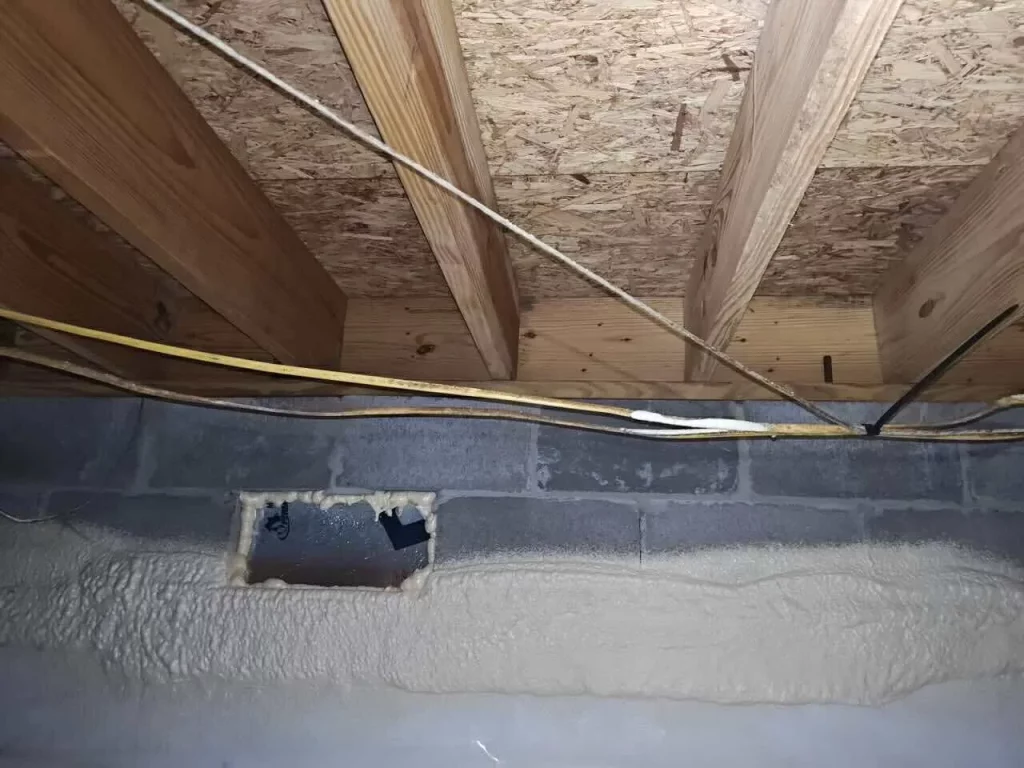
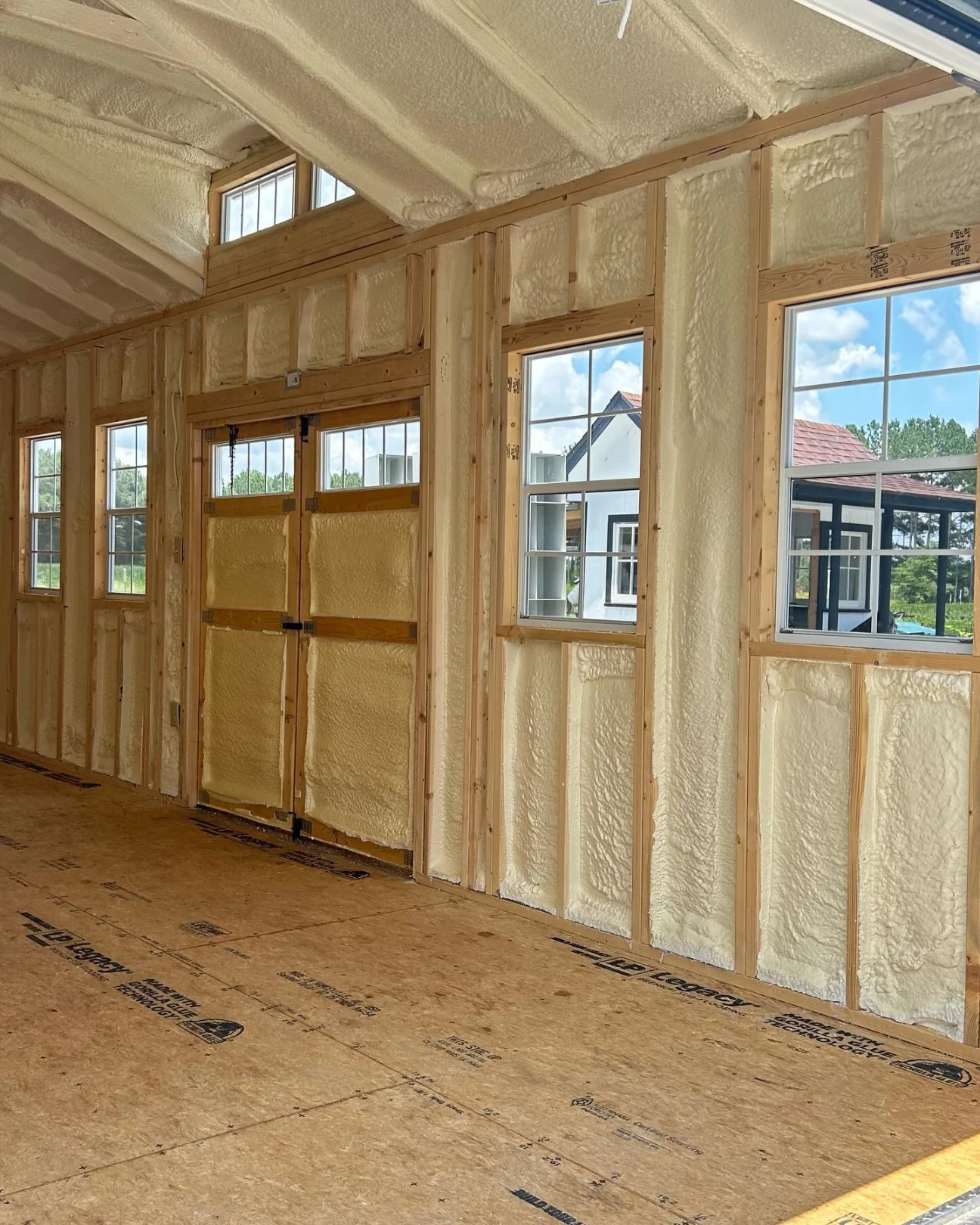
Spray foam insulation provides a continuous air barrier and high thermal resistance that remains stable under severe environmental stress. Unlike traditional fiberglass batts that sag or lose efficiency when wet or windy, spray foam expands to fill every crack, creating a custom fit seal. This performance is due to its chemical composition, which allows the material to act as both an insulator and an air sealant in a single application.
You can rely on this material because it maintains its physical shape and insulating properties even under high humidity, freezing temperatures, or intense heat. Extensive field experience from Premier Insulation shows that the success of a building envelope in harsh climates depends on the insulation’s ability to prevent air movement and resist moisture. This guide explains the technical reasons why spray foam is the most dependable choice for extreme weather.
Thermal Resistance During Temperature Spikes
Thermal resistance, measured as an R-value, determines how well a material resists heat transfer through walls and ceilings. In extreme heat or bitter cold, traditional materials often allow air to bypass the insulation, which reduces the effective R-value. Spray foam maintains its R-value because it prevents convective heat transfer.
Closed-cell foam offers a higher R-value per inch than open-cell foam. This makes it a better choice for small spaces where you need maximum protection against the elements. When the sun beats down on a roof, the foam prevents the attic from becoming a heat trap. In winter, the same seal keeps warm air from escaping through the top of the house.
Bonus Tip: Always verify the cured thickness of the foam. Even a small gap can create a thermal bridge, allowing outside temperatures to seep into your living space.
Wind and Structural Integrity in Severe Storms
During high-wind events like hurricanes or tornadoes, buildings are subjected to immense pressure. This pressure can pull the roof sheathing away from the rafters. Closed-cell spray foam acts as a glue, bonding the roof deck to the internal structure. This bonding effect significantly increases the force required to blow a roof off.
Data from the National Institute of Building Sciences shows that spray foam can increase a roof’s wind uplift resistance by a substantial margin. By filling the space between the roof deck and the supports, the foam distributes the pressure more evenly across the entire structure. This reduces the risk of localized failure during a storm.
Managing Moisture and Flood Risk
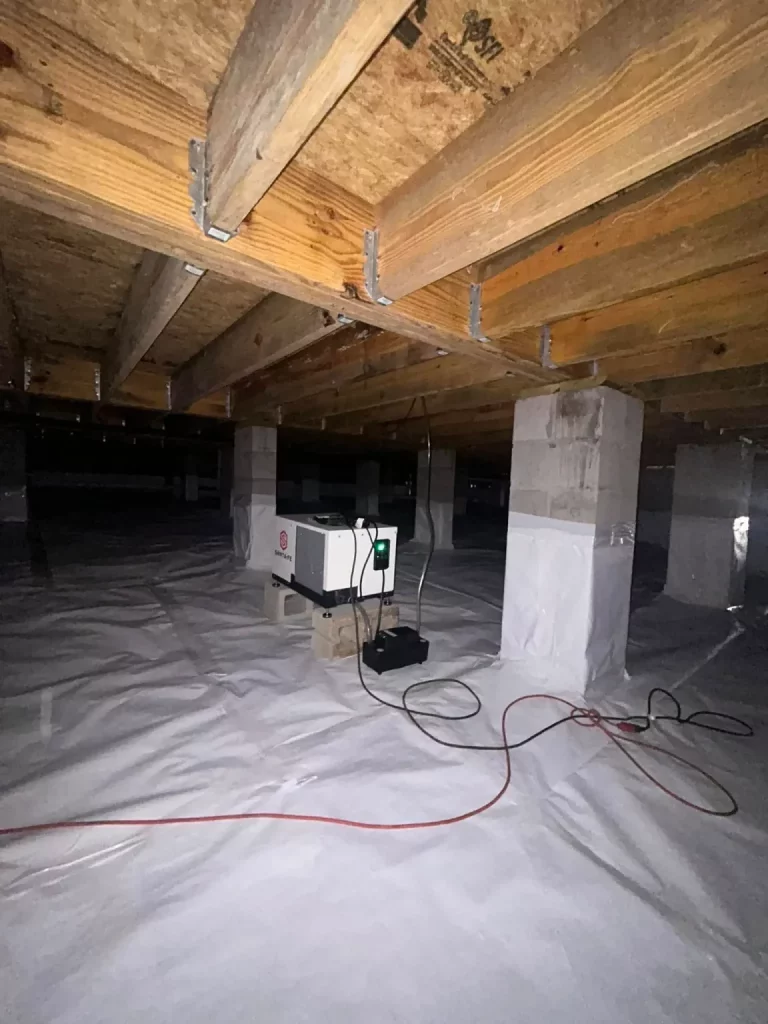
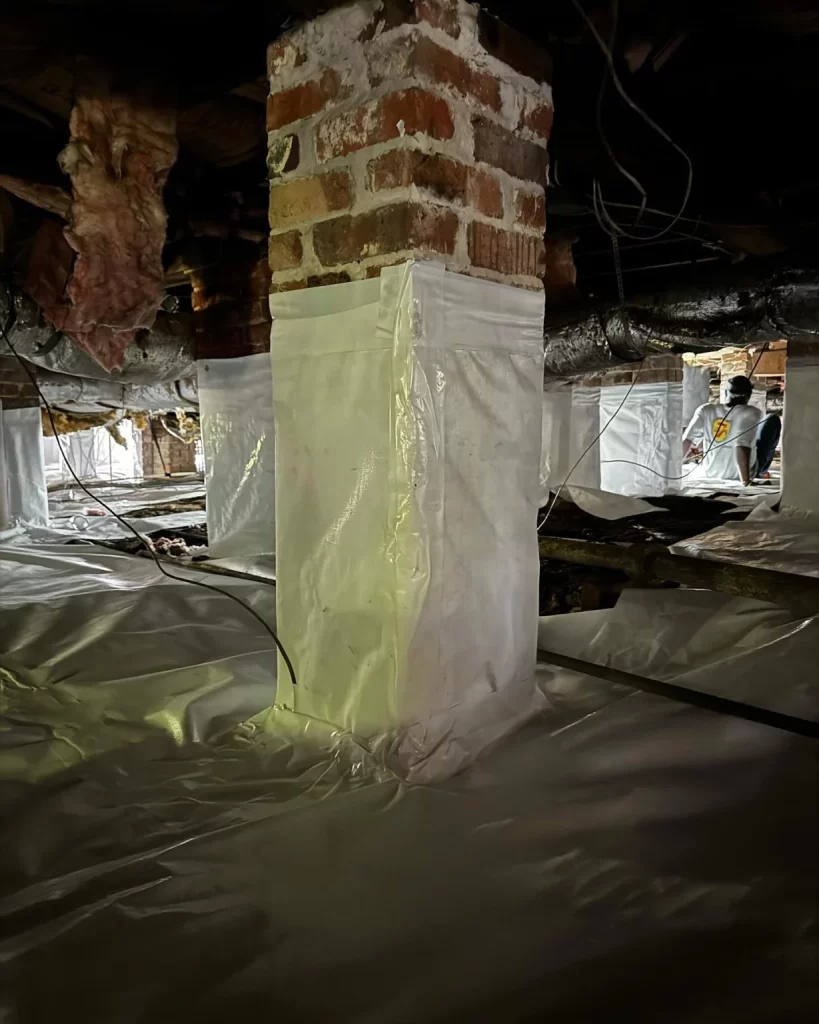
Extreme weather often brings heavy rain and flooding. Standard insulation materials like cellulose or fiberglass act like a sponge when they get wet. Once saturated, these materials lose their insulating power and must be removed to prevent mold growth. Closed-cell spray foam is different because it is non-porous.
According to FEMA, closed-cell spray foam is a Class 5 flood-resistant material. This means it can survive contact with floodwater for up to 72 hours without needing replacement. Because it does not absorb water, it helps prevent the wooden components of your walls from rotting after a storm. It also blocks the humid air that can lead to condensation and mold in your wall cavities.
Air Sealing and Energy Efficiency
Most energy loss in a home happens through small gaps and cracks that you cannot see. During extreme weather, these leaks are magnified as the pressure difference between the inside and outside increases. Spray foam expands up to 30 to 100 times its original volume, forcing the liquid into every crevice before it hardens.
The Environmental Protection Agency reports that sealing air leaks and adding insulation can save homeowners up to 15% on heating and cooling costs. This air seal is especially helpful during heatwaves when your air conditioner struggles to keep up. By stopping the “stack effect,” where warm air rises and pulls in cold air from the bottom of the house, spray foam keeps the indoor climate stable.
Performance Comparison for Weather Extremes
| Feature | Open-Cell Foam | Closed-Cell Foam |
|---|---|---|
| R-Value per Inch | Approx. 3.5 to 3.8 | Approx. 6.0 to 7.0 |
| Water Resistance | Permeable and absorbs water | Non-permeable and rejects water |
| Structural Strength | Flexible and soft | Rigid and high-density |
| Air Sealing | Effective for gaps | Effective for gaps and cracks |
| Best Environment | Temperate climates | Flood zones and high-wind areas |
Things to Consider Before Making a Decision
Before you choose a type of spray foam, you must evaluate your local climate and your building’s specific needs. If you live in a coastal area prone to hurricanes, the structural benefits of closed-cell foam are a priority. In a dry, mountainous region, you might focus more on the high R-value for winter protection.
You also need to think about the age of your structure. Older homes may have wiring or plumbing that require a specific type of foam to prevent damage during expansion. Consulting with experts at Premier Insulation can help you determine the right thickness and density for your particular goals.
Bonus Tip: Always check the manufacturer’s specifications for the “service temperature” of the foam. Most high-quality foams are rated to perform over a temperature range from minus 40 degrees to over 200 degrees Fahrenheit.
Professional Application for Maximum Reliability
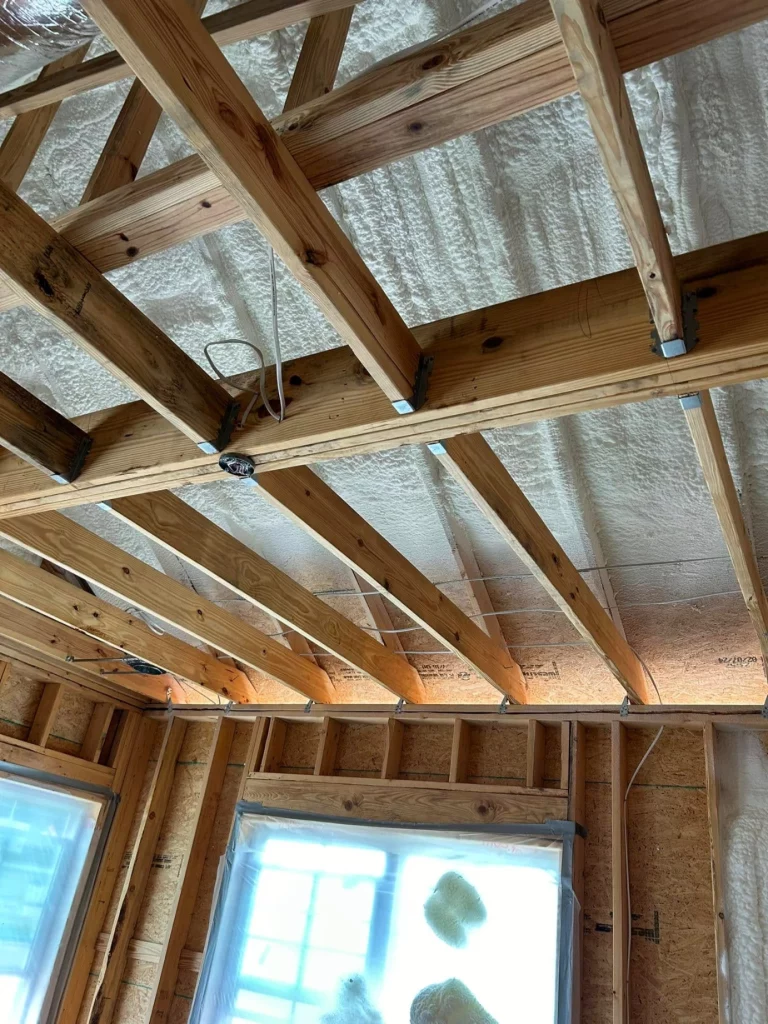
The reliability of spray foam in extreme weather depends heavily on how it is installed. The chemicals must be mixed at the correct temperature and pressure to ensure the foam cures properly. If the mix is off, the foam may not stick to the surfaces or might not reach its full R-value.
Technicians must also ensure the surfaces are clean and dry before application. Moisture on a stud can prevent the foam from forming a perfect seal. This is why professional installation is a requirement for anyone looking to protect their property from the elements.
Summary of Extreme Weather Benefits
Spray foam insulation offers a level of protection that other materials cannot match. It combines thermal resistance, air sealing, and structural reinforcement into a single product. By choosing a material that does not sag, does not absorb water, and does not allow air to pass through, you ensure your home or building remains comfortable and safe regardless of the weather outside. You should evaluate your specific climate risks and long-term energy goals to choose the proper foam density for your property.
Contact Information for Insulation Experts
Professional guidance ensures your insulation project meets local building codes and performance standards. If you need assistance determining the best insulation strategy for your property, contact Premier Insulation. You can reach the team via email at premierinsulationga@gmail.com or call (229) 554-3939 to discuss your specific needs. Getting the correct information early helps you make a choice that protects your investment for years to come.
FAQs About Spray Foam and Weather
Does spray foam degrade when exposed to high heat for long periods
High-quality spray foam is designed to withstand the intense heat found in attics during the summer. It does not melt or lose its shape. However, you should protect it from direct sunlight and UV rays, as these can degrade the foam’s surface over time.
Can spray foam help prevent ice dams in the winter
Yes, spray foam is excellent for preventing ice dams. Ice dams form when heat from your house melts the snow on your roof. The water then refreezes in the gutters. By sealing the attic floor or roof deck with spray foam, you keep the heat inside and the roof cold.
Is spray foam fire-resistant during extreme heat events
Spray foam contains flame retardants that help it resist ignition. Most building codes require a thermal barrier, such as drywall, over the foam in living spaces. This provides an extra layer of protection during a fire.
How does spray foam handle humidity in tropical climates
Spray foam acts as a vapor retarder. In high-humidity areas, it prevents moisture-laden air from entering your walls and condensing on cold surfaces. This keeps your indoor air dry and reduces the load on your dehumidifier.
Sources
- FEMA – Official guidelines on flood-damage-resistant materials for building owners and contractors.
- Department of Energy – A comprehensive resource on insulation types and their roles in energy efficiency and weather protection.
- National Institute of Building Sciences – Technical data regarding the structural and thermal benefits of polyurethane foam in various environments.