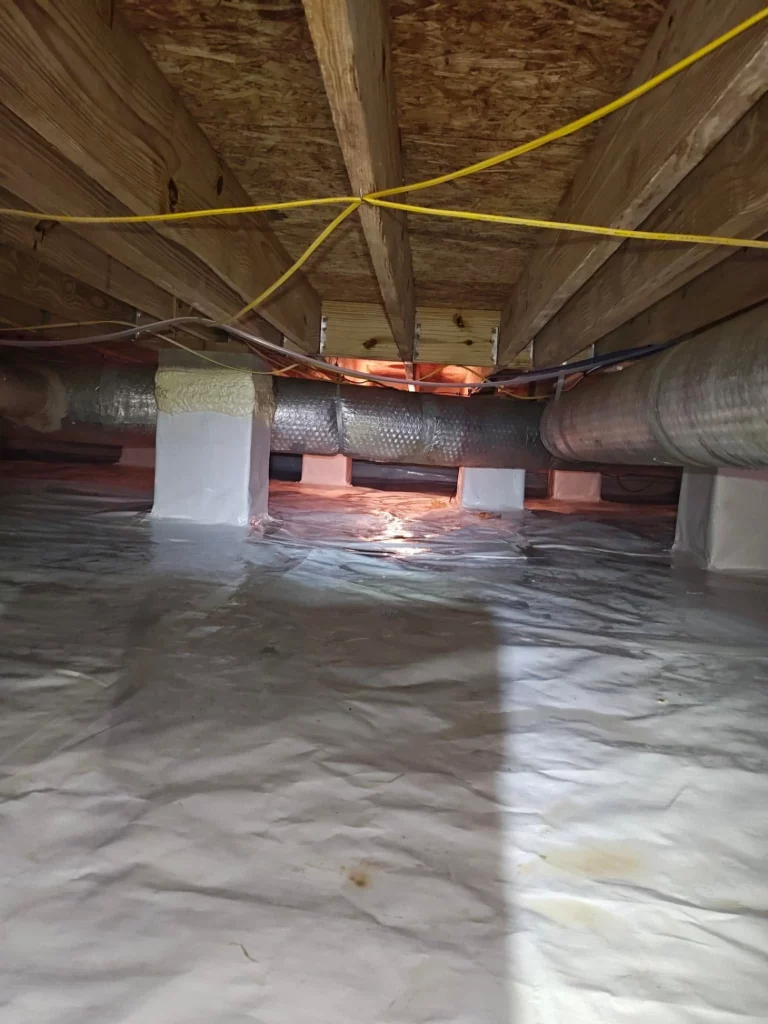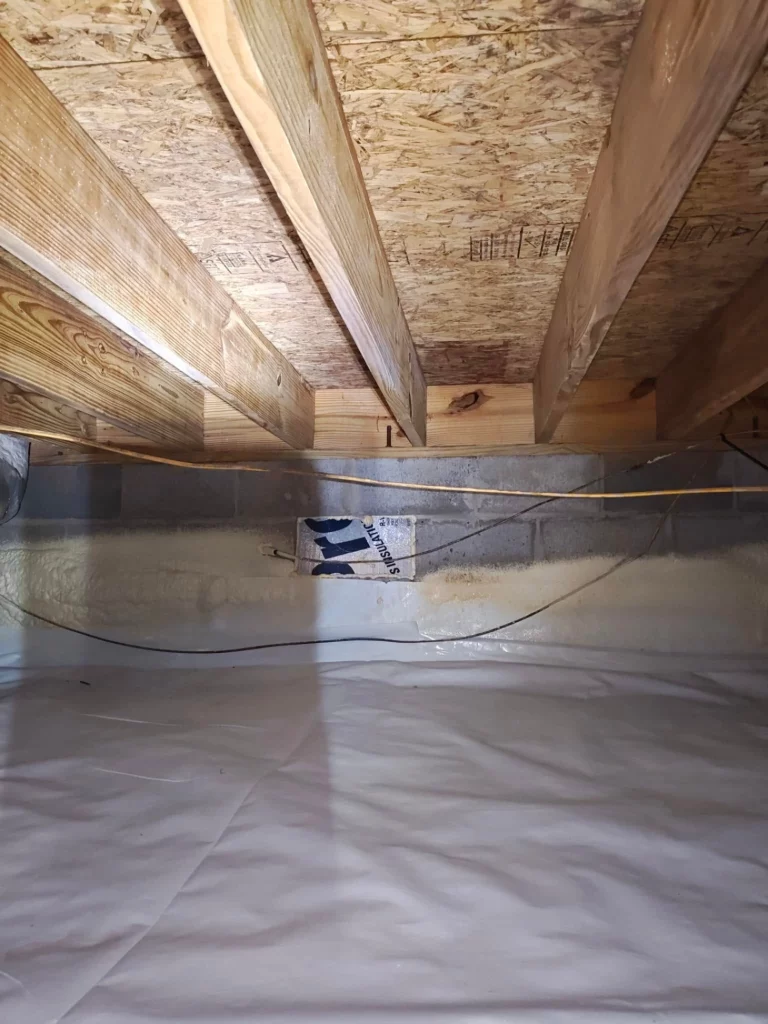
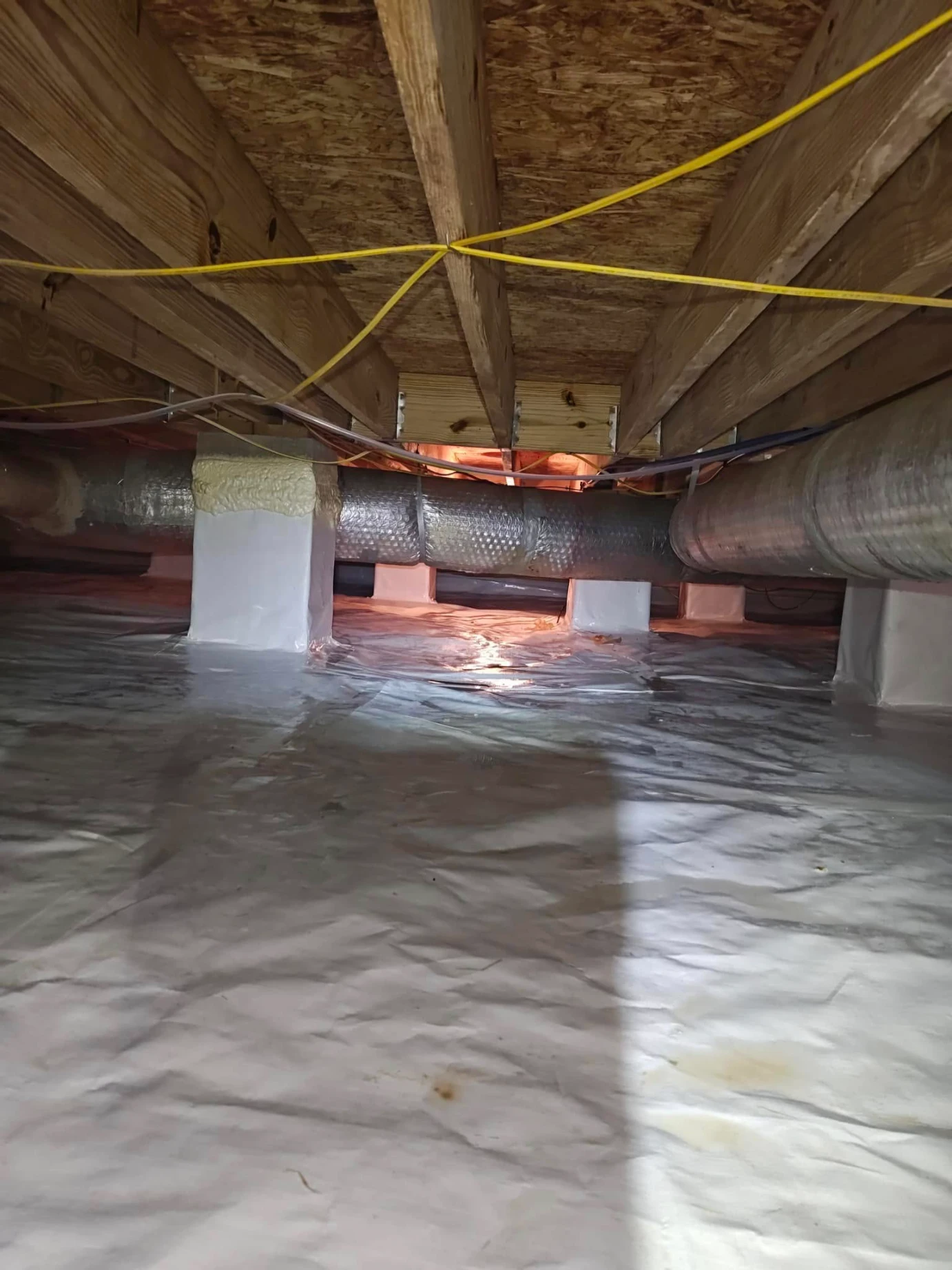
Yes, crawl space encapsulation does add measurable value to homes in Valdosta, GA, and the reasons are specific to this region’s climate. Valdosta sits in a hot, humid subtropical zone where summers bring oppressive heat and sticky air that seeps into vented crawl spaces. Research funded by the U.S. Department of Energy has shown that properly sealed crawl spaces stay substantially drier and reduce energy consumption for heating and cooling by 15% or more compared to traditional wall-vented designs. For homeowners in South Georgia, that combination of moisture control and energy efficiency translates directly into real estate value, lower operating costs, and a home that stands out to buyers in a competitive market. Following a crawl space improvement guide can help homeowners maximize these long-term benefits.
TLDR: Key Takeaways
- Field research in the southeastern U.S. confirmed that sealed crawl spaces reduce space conditioning energy use by 15% or more on average
- Valdosta’s humid, wet climate makes encapsulation especially effective at controlling moisture, mold, and wood rot
- ENERGY STAR and the Building America Solution Center both recommend sealed, insulated crawl spaces for humid climates
- Energy-efficient home upgrades have been shown to recoup cost at resale, with insulation projects returning more than their investment in many markets
- Encapsulation protects structural integrity, HVAC equipment, and indoor air quality, all factors that influence appraised value
- A proper installation includes a vapor barrier, wall insulation, vent sealing, and conditioning, not just plastic on the floor
Why Valdosta’s Climate Makes Encapsulation Different
Valdosta experiences long, hot summers with average relative humidity peaking above 75% in late summer. The area receives roughly 53 inches of rain annually, and temperatures regularly climb into the 90s from June through September. That combination of heat and moisture is exactly the environment where vented crawl spaces fail.
In a humid climate, foundation vents do not dry out a crawl space. Instead, they pull warm, moisture-laden outdoor air inside, where it condenses on cooler floor joists, ductwork, and plumbing. The U.S. Department of Energy’s Building America Solution Center explicitly states that in warm, humid climates, vents actually encourage condensation, mold growth, and wood rot rather than preventing them. Sealing the crawl space and conditioning it reverses that dynamic entirely, helping homeowners fix wet crawl space problems before they lead to more serious structural issues.
For Valdosta homeowners, this is not a theoretical concern. Homes built on crawl space foundations in this region routinely develop moisture problems within the first few years if left unsealed. The question is not whether moisture will cause damage, but when and how much.
What the Research Says About Energy Savings and Home Value
The connection between crawl space encapsulation and home value runs through three measurable channels: energy savings, structural protection, and indoor air quality.
Energy savings. A landmark field study funded by the DOE through Oak Ridge National Laboratory tested twelve matched homes in the Southeast. Researchers compared vented and sealed crawl spaces with identical envelopes, mechanical, and architectural designs. The homes with sealed crawl spaces reduced annual energy use for space heating and cooling by 15% or more. That finding has been replicated in subsequent research, including a technical report published through OSTI.GOV confirming that closed crawl spaces stay substantially drier during humid conditions while delivering consistent energy savings.
Home value implications. Research published by Rocky Mountain Institute analyzed data from Remodeling magazine’s Cost vs. Value Report and found that insulation projects, including attic insulation that functions on similar principles, delivered a 166% return on investment at resale when averaged nationally. Energy-efficient home features have been shown to increase selling prices in multiple studies, with premiums ranging from 1% to 9% depending on the market and the scope of improvements. For Valdosta homeowners, encapsulation checks multiple boxes that appraisers and buyers recognize: lower energy bills, better moisture management, and a healthier living environment.
Structural and health protection. An encapsulated crawl space prevents the conditions that lead to wood rot, mold growth, and pest infiltration. By keeping humidity below 60%, sealed crawl spaces eliminate the moisture that feeds these problems. ENERGY STAR recommends sealing and insulating crawl spaces as part of a comprehensive home performance strategy, noting that the benefits extend well beyond energy bills to include improved durability and air quality.
Encapsulation vs. Vented Crawl Spaces: A Direct Comparison
| Factor | Vented Crawl Space | Encapsulated Crawl Space |
|---|---|---|
| Moisture control | Humid air enters freely through vents; condensation forms on wood and ducts | Continuous vapor barrier and sealed vents block moisture entry; humidity stays below 60% |
| Energy efficiency | HVAC ducts in unconditioned spaces lose energy through leakage and conduction | Ducts and floor system operate in a semi-conditioned environment; up to 15% energy savings |
| Mold risk | High, especially during humid summer months | Low, with stable humidity preventing mold growth |
| Pest access | Open vents provide easy entry points | Sealed perimeter limits pest and insect access |
| Structural durability | Moisture exposure accelerates wood rot and decay on joists and subfloor | Dry conditions preserve wood framing and floor system integrity |
| Homebuyer appeal | May raise red flags during inspection | Signals proactive maintenance and energy-conscious ownership |
What a Proper Encapsulation Includes
Not all crawl space treatments are equal. A true encapsulation system involves several coordinated steps that work together. According to the Building America Solution Center and ENERGY STAR guidance, a complete installation should include:
- A continuous vapor barrier of at least 6-mil polyethylene covering the entire floor and extending up the foundation walls, with 12-inch overlaps at seams sealed with adhesive and tape
- Rigid foam insulation on the interior perimeter walls, with a thickness appropriate for the climate zone
- Vent sealing using cut-to-fit rigid foam pieces, sealed in place with spray foam or caulk
- Air sealing at the rim joist and band joist areas using spray foam or rigid foam
- A conditioning strategy, such as a small supply of conditioned air from the HVAC system or a dedicated dehumidifier, to maintain dry conditions
- Access door insulation and weather stripping to prevent air leakage at the entry point
Skipping any of these elements undermines the system. A vapor barrier without wall insulation and vent sealing is not encapsulation. It is a partial fix that may still allow moisture to accumulate.
Which Valdosta Homeowners Benefit Most
Encapsulation makes sense for almost every home with a crawl space foundation in South Georgia, but certain situations make it particularly urgent and valuable.
Older homes with vented crawl spaces. Homes built before modern building science recognized the problems with vented crawl spaces are the strongest candidates. These homes have been accumulating moisture damage for years, often without visible signs from the living area.
Homes with HVAC equipment or ductwork in the crawl space. When your heating and cooling system lives in a damp, unconditioned space, it works harder and loses efficiency through duct leakage and conduction losses. Sealing the crawl space protects that equipment and improves overall system performance.
Homes planning to sell within 5 to 10 years. Encapsulation is a documented, verifiable improvement that shows up on home inspections and appraisals. Buyers in humid climates increasingly expect sealed crawl spaces, and an encapsulated system can differentiate a property during listing.
Homes with known moisture issues. If you can see standing water, smell musty odors, or notice condensation on ductwork during the summer months, encapsulation addresses the root cause rather than just treating symptoms.
Signs You Have Found the Right Encapsulation Contractor
Choosing the right team matters as much as choosing to encapsulate. A well-installed system will perform for decades. A poorly installed one can create worse problems than it solves. Here is what separates a quality installation from a rushed job, especially when evaluating crawl space encapsulation services in Valdosta, GA.
- They assess before quoting. A thorough contractor inspects the crawl space for existing damage, moisture levels, drainage issues, and pest activity before recommending a solution. They do not quote a price sight unseen.
- They explain the full system. They walk you through every component, from vapor barrier thickness to insulation R-value to the conditioning method. They do not treat encapsulation as a one-product fix.
- They follow building science guidelines. Their approach aligns with the recommendations published by ENERGY STAR, the Building America Solution Center, and leading research organizations, not just manufacturer marketing materials.
- They provide documentation. After installation, you receive photos of the completed work, material specifications, and any warranty information. This documentation supports future appraisals and resale.
- They address drainage first. If standing water is present, they recommend resolving the water source before encapsulating. Encapsulation over a drainage problem traps moisture rather than eliminating it.
Get Expert Encapsulation in Valdosta, GA
Premier Insulation provides professional crawl space encapsulation services tailored to the specific demands of South Georgia’s climate. Our team follows building science-backed methods to seal, insulate, and condition your crawl space for lasting moisture control and energy efficiency. We assess every project individually, recommend the right system for your home, and stand behind our work with thorough documentation.
Reach us at (229) 843-6767 or premiereinsulationga@gmail.com to discuss your home’s needs with our team.
Frequently Asked Questions
How long does crawl space encapsulation last in Valdosta’s climate?
A properly installed encapsulation system with a 20-mil vapor barrier can last 20 years or more with no degradation, making it a long-term investment in your home’s durability and value.
Will encapsulation eliminate musty smells in my home?
Most musty odors originate from moisture in the crawl space. Sealing the space and controlling humidity typically resolves those odors, though existing mold on framing should be addressed during installation.
Does encapsulation affect my home’s resale value immediately?
Encapsulation creates a documented, verifiable improvement that supports higher appraisals and makes the home more attractive to buyers, though the exact return depends on market conditions and how the improvement is presented.
Can I encapsulate my crawl space if it has standing water?
Standing water must be resolved before encapsulation. A qualified contractor will identify the water source and recommend drainage solutions as the first step, since sealing over standing water traps moisture inside.
Do I still need a dehumidifier after encapsulation?
Most sealed crawl spaces in humid climates need some form of conditioning, whether that is a small air supply from the HVAC system or a dedicated dehumidifier, to maintain humidity below 60% year-round.
Sources
- ENERGY STAR – Basement & Crawlspace Air Sealing and Insulating Project – Comprehensive guidance from the EPA’s ENERGY STAR program on sealing and insulating crawl spaces, including recommended materials and methods for enclosed crawlspaces.
- Building America Solution Center – Unvented, Insulated Crawlspaces – DOE-funded technical resource detailing how to construct sealed, insulated crawl spaces, including climate-specific guidance for humid regions.
- OSTI.GOV – Closed Crawl Space Performance: Proof of Concept in the Production Builder Marketplace – Peer-reviewed technical report documenting DOE-funded field research showing sealed crawl spaces reduce energy use by 15% or more and stay substantially drier in humid climates.
- Rocky Mountain Institute – Increasing Home Value Through Home Energy Upgrades – Analysis of resale value data showing insulation projects deliver strong returns and energy-efficient features command premiums in real estate markets.
- Advanced Energy – Crawl Spaces Research Hub – Non-profit research organization providing technical reports, design guides, and field study data on closed crawl space performance in the southeastern United States.