
Preparing for crawl space encapsulation in Valdosta, GA, requires an accurate assessment of local humidity, existing structural moisture, and proper material selection to ensure long-term home protection. While the ideal approach depends heavily on your property’s age, foundation type, and current moisture levels, effective planning typically involves site cleanup, pest evaluation, and choosing between standard vapor barriers and advanced closed-cell spray foam insulation. By strategically evaluating these factors upfront, homeowners can prevent costly mid-project surprises, optimize indoor air quality, and secure a solution that effectively combats South Georgia’s demanding, high-humidity climate with the help of a detailed crawl space insulation guide.
TLDR / Key Takeaways
- Climate Adaptation: Valdosta’s average summer humidity frequently exceeds 70%, making comprehensive moisture mapping a mandatory first step before applying encapsulation materials.
- Cost and Investment: Professional encapsulation typically requires an investment ranging from $3,000 to $8,000, depending heavily on crawl space size, cleaning requirements, and chosen insulation materials.
- Energy Efficiency: A properly sealed crawl space can yield up to a 15% to 20% reduction in heating and cooling costs by stabilizing the home’s thermal envelope.
- Implementation Speed: Standard projects take 2 to 4 days; however, pre-existing water damage or extensive fungal growth can extend timelines by up to a week.
- Common Pitfalls: Failing to address negative grading or active plumbing leaks before installing a vapor barrier traps moisture inside, accelerating wood rot.
- Strategic Advantage: Utilizing closed-cell spray foam on foundation walls creates both an air seal and a thermal barrier, outperforming traditional fiberglass batting in humid environments.
Step 1: Conduct a Comprehensive Moisture and Mold Assessment
Before booking encapsulation services, it is critical to determine the current state of your crawl space. South Georgia’s environment constantly pushes moisture upward into homes through the stack effect. We recommend starting with a professional moisture reading of the wood joists. If the wood moisture content exceeds 20%, encapsulation cannot proceed until the area is dried out. Identifying active fungal growth is equally critical. According to the U.S. Environmental Protection Agency (EPA), controlling moisture is the only effective way to prevent mold growth indoors, meaning any active leaks must be entirely resolved before sealing the space.
Step 2: Address Grading, Drainage, and Plumbing Issues
Encapsulation traps the environment exactly as it is. If water pools under your home after heavy Valdosta rains, a vapor barrier alone will not fix the issue. Evaluate the exterior grading to ensure water flows away from the foundation. Inspect all HVAC ductwork and plumbing lines for condensation or slow drips. Installing a French drain or a sump pump may be a necessary prerequisite step. Securing the perimeter prevents exterior ground moisture from undermining the encapsulation investment.
Step 3: Clear Debris and Prepare the Ground
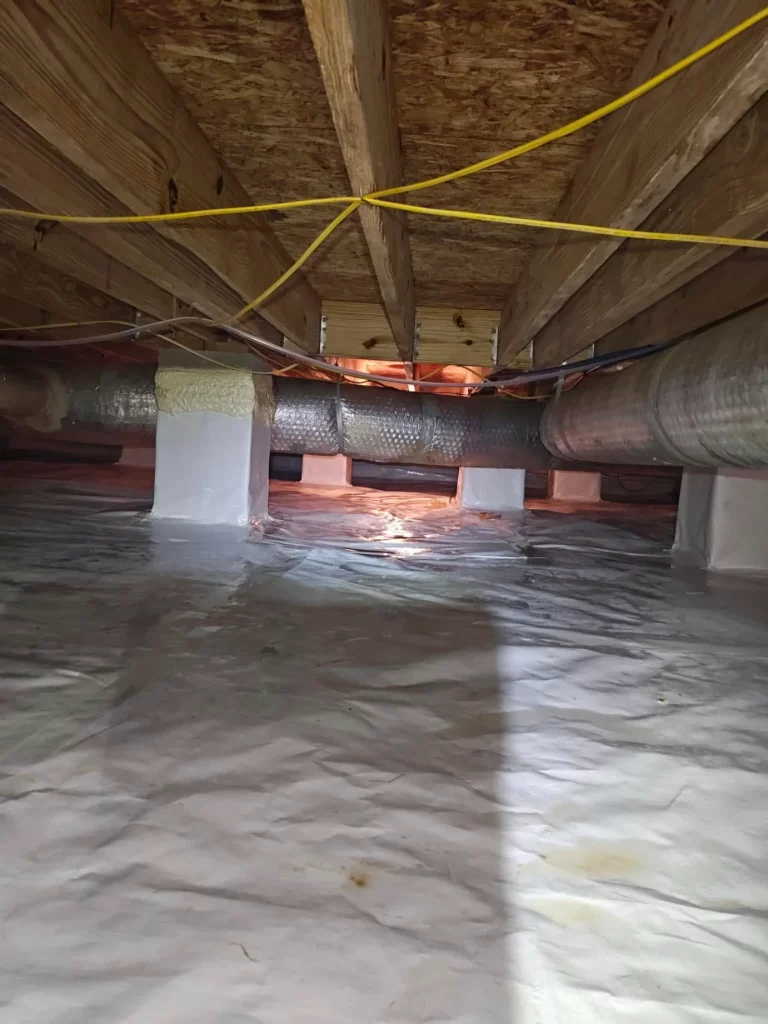
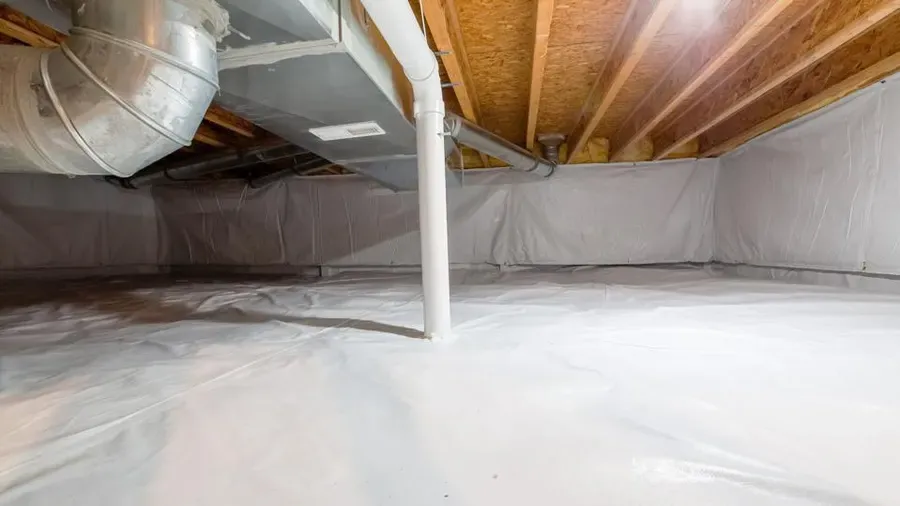
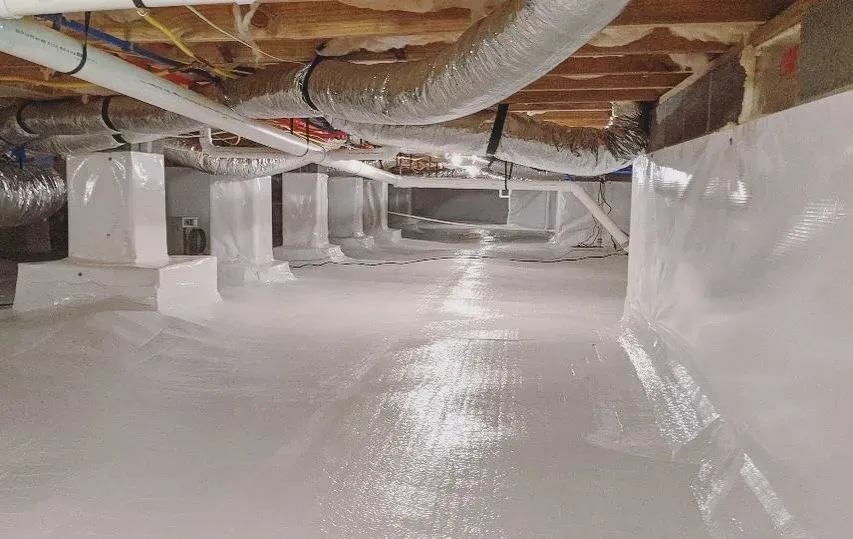
A pristine working environment dictates the success of the encapsulation. Old plastic, fallen insulation, construction debris, and sharp rocks must be removed. These objects not only hinder the installation process but can also puncture the new vapor barrier, rendering it ineffective. We approach this step meticulously to ensure the ground is entirely level and clear. Taking the time to properly prep the soil surface guarantees that the heavy-duty polyethylene barrier will sit flush and maintain a complete, unbroken seal against ground vapor, helping homeowners avoid common crawl space encapsulation mistakes that lead to moisture failure.
Step 4: Select the Right Insulation and Barrier Materials
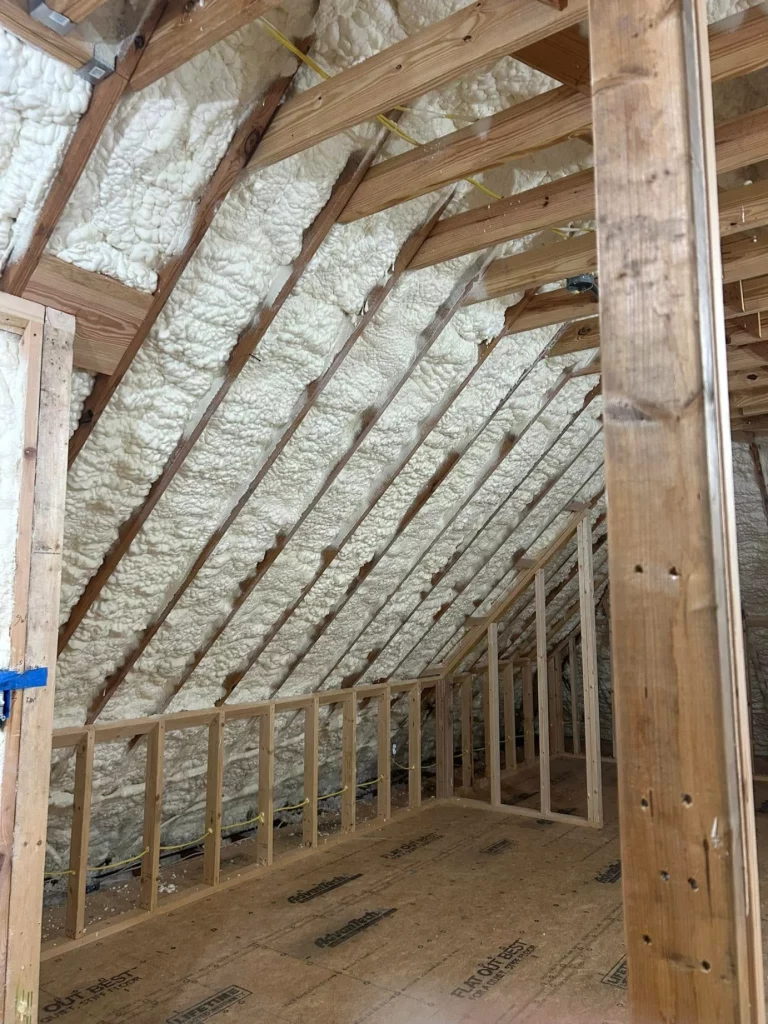
Choosing the correct materials defines the project’s long-term success. You must decide on the thickness of the vapor barrier, typically ranging from 12-mil to 20-mil, and the type of insulation applied to the foundation walls. The U.S. Department of Energy (DOE) states that properly insulating a crawl space requires rigid foam board or spray foam rather than fiberglass, which absorbs moisture. At Premier Insulation, we specialize in high-performance spray foam that acts as both a thermal and moisture barrier, tightly sealing rim joists and foundation walls against Valdosta’s humid air.
Step 5: Plan for Active Dehumidification
Sealing the crawl space cuts off passive outside air, meaning the internal air must be actively managed to prevent stagnation. An encapsulation system is rarely complete without a commercial-grade crawl space dehumidifier. The Centers for Disease Control and Prevention (CDC) notes that keeping indoor humidity levels below 50% is crucial for preventing dampness-related structural issues and health risks. Planning for electrical access and proper drainage lines for a dehumidifier ensures the sealed space remains permanently dry and conditioned.
Step 6: Establish a Realistic Timeline and Budget
Finally, set clear expectations for the financial and temporal scope of the work. Costs fluctuate based on material quality, square footage, and required pre-work. Data from Statista regarding the home improvement market indicates that homeowners are increasingly investing in energy-efficiency upgrades, with encapsulation offering one of the highest ROIs for structural preservation. Outline a timeline that accounts for debris removal, mold remediation (if necessary), sealing, insulation application, and final equipment installation.
Material Comparison Table
| Strategy / Material Type | Best For | Key Tactics | Expected Outcomes | Limitations |
|---|---|---|---|---|
| Fiberglass Batting | Dry, well-ventilated climates | Placed between floor joists | Minimal initial cost | Sags, holds moisture, ineffective in humid Valdosta conditions. |
| Rigid Foam Board | Flat foundation walls | Glued/fastened to walls | Good thermal resistance | Hard to fit around pipes; requires manual sealing of seams. |
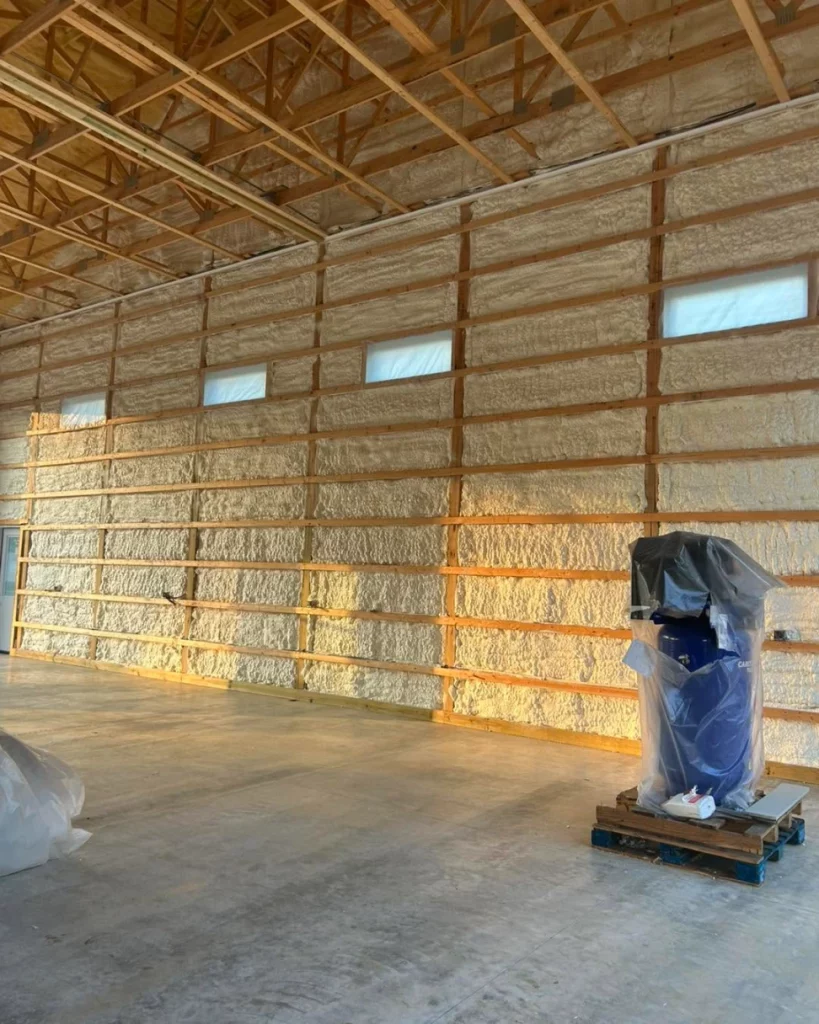
| Closed-Cell Spray Foam | High humidity areas, uneven surfaces | Sprayed on foundation walls/rim joists | Maximum air seal, high R-value, blocks moisture | Higher initial investment compared to traditional materials. |
Project Planning Timelines
| Project Phase | Recommended Approach | Key Notes | Expected Timeline |
|---|---|---|---|
| Inspection & Prep | Full moisture mapping and debris clearing | Fix active leaks before proceeding | 1 – 2 Days |
| Barrier Installation | 20-mil poly barrier on floor and pillars | Overlap and tape all seams securely | 1 – 2 Days |
| Insulation Application | Closed-cell spray foam on perimeter walls | Seal all rim joists completely | 1 Day |
| Dehumidification | Install a commercial unit with auto-drain | Plumb drainage to the exterior | Half Day |
Recommendations by Audience
For Owners of Historic Homes in Valdosta: Older homes often feature uneven foundations, minimal sub-floor protection, and delicate wood joists. We recommend avoiding standard fiberglass completely. A heavy 20-mil vapor barrier combined with closed-cell spray foam is critical, as spray foam expands to fill irregular cavities that rigid boards cannot cover, adding structural rigidity to aging floors.
For New Construction Projects: Planning encapsulation during the building phase is highly cost-effective. Contractors do not have to navigate tight spaces around existing HVAC ducts or handle years of accumulated debris. A direct application of perimeter spray foam and a proactive vapor barrier ensures the home starts its lifespan with maximum energy efficiency and zero mold risk.
For Homes Near Lakes or High Water Tables: If your property is prone to saturated ground, standard encapsulation must be paired with extensive water management. We strongly suggest trenching the interior perimeter and installing an active sump pump system before laying the vapor barrier. Bypassing this step guarantees that hydrostatic pressure will eventually push water above the protective lining.
Signs You’ve Found the Right Approach
You will know the planning phase is successful when the proposed solution is highly customized to your specific sub-floor conditions rather than a generic, one-size-fits-all package. The right approach involves transparent communication, clear pre-project moisture readings, and a detailed breakdown of how exterior drainage, vapor barriers, insulation, and dehumidification will work together. We ensure that our processes are fully documented so you clearly understand the distinct phases of site preparation, material application, and long-term humidity management during a professional crawl space encapsulation in Valdosta, GA.
Transform Your Home with Premier Insulation
Investing in crawl space encapsulation requires precision, expert material knowledge, and a team dedicated to long-lasting results. It is the expert solution for ensuring your insulation and encapsulation projects are executed flawlessly. We connect property owners with elite building science strategies designed to lower energy bills, improve indoor air quality, and permanently resolve moisture issues in high-humidity climates.
Contact details: PHONE NO: (229) 554-3939 Email Address: premiereinsulationga@gmail.com
Take control of your home’s structural health and comfort today.
Frequently Asked Questions
Do I really need a dehumidifier after encapsulation?
Yes. Sealing the crawl space cuts off outside ventilation, which means the trapped air needs active conditioning. A commercial dehumidifier prevents the relative humidity from creeping up and causing condensation on your floor joists.
How long does a heavy-duty vapor barrier last in Valdosta?
When properly installed, a high-quality 12-mil to 20-mil polyethylene vapor barrier will typically last 20 to 25 years. Keeping the space free of pests and maintaining the dehumidifier extends the lifespan of the entire system.
Will encapsulation fix my sagging floors?
Encapsulation stops the progression of wood rot by removing the moisture that softens wood, but it will not magically straighten already warped joists. You may need supplemental structural supports installed during the preparation phase.
Can I store items in an encapsulated crawl space?
Absolutely. Once the area is fully sealed, conditioned, and protected from pests, it transforms into a clean, dry environment. It is ideal for storing weather-resistant bins, seasonal items, and tools without fear of mold or rust.
Why is closed-cell spray foam better than fiberglass in crawl spaces?
Fiberglass easily absorbs ambient humidity, causing it to sag, lose its R-value, and harbor mold over time. Closed-cell spray foam provides a permanent, impermeable barrier that blocks moisture, seals air leaks, and will not degrade in damp environments.
Sources