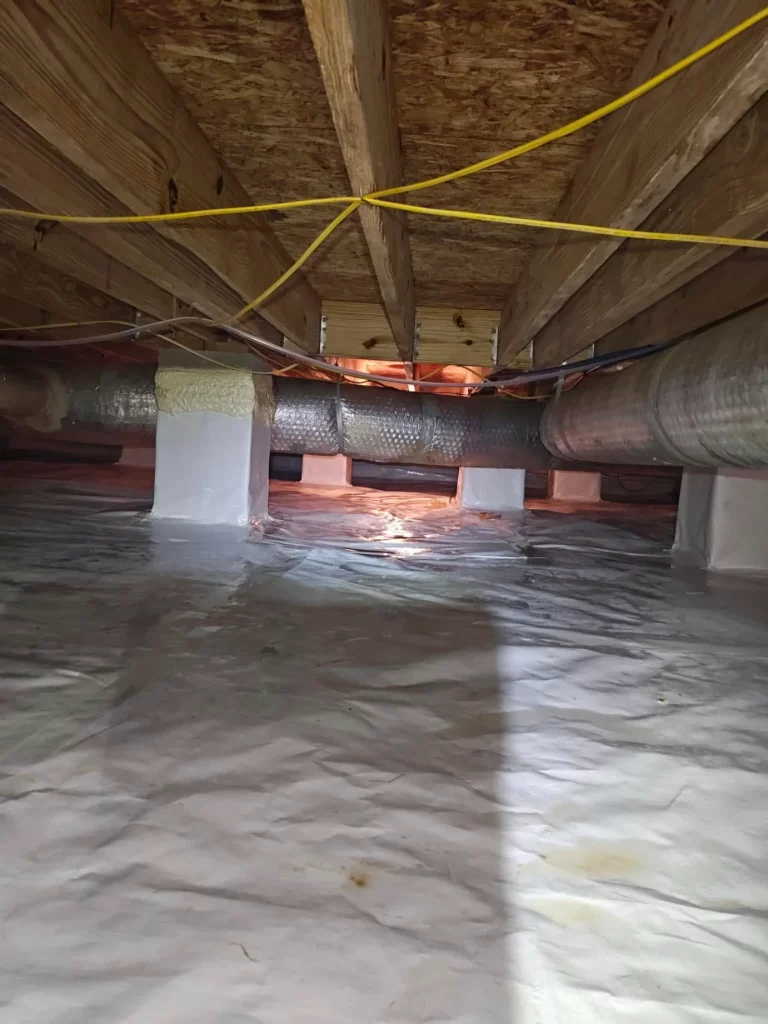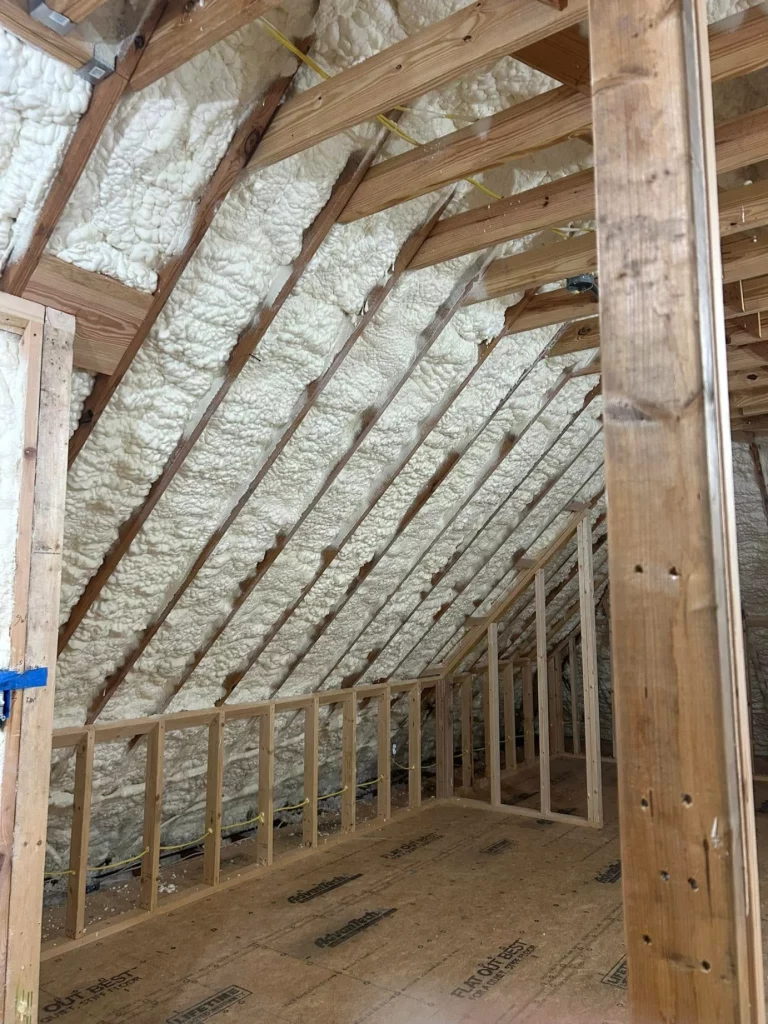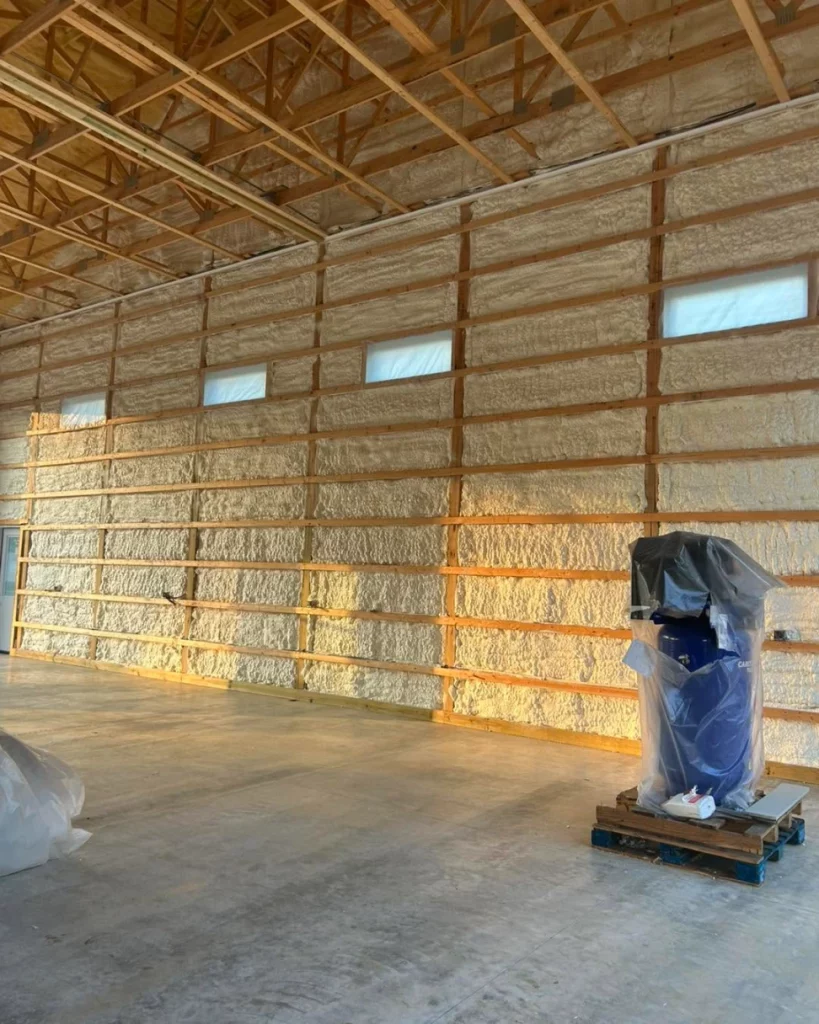
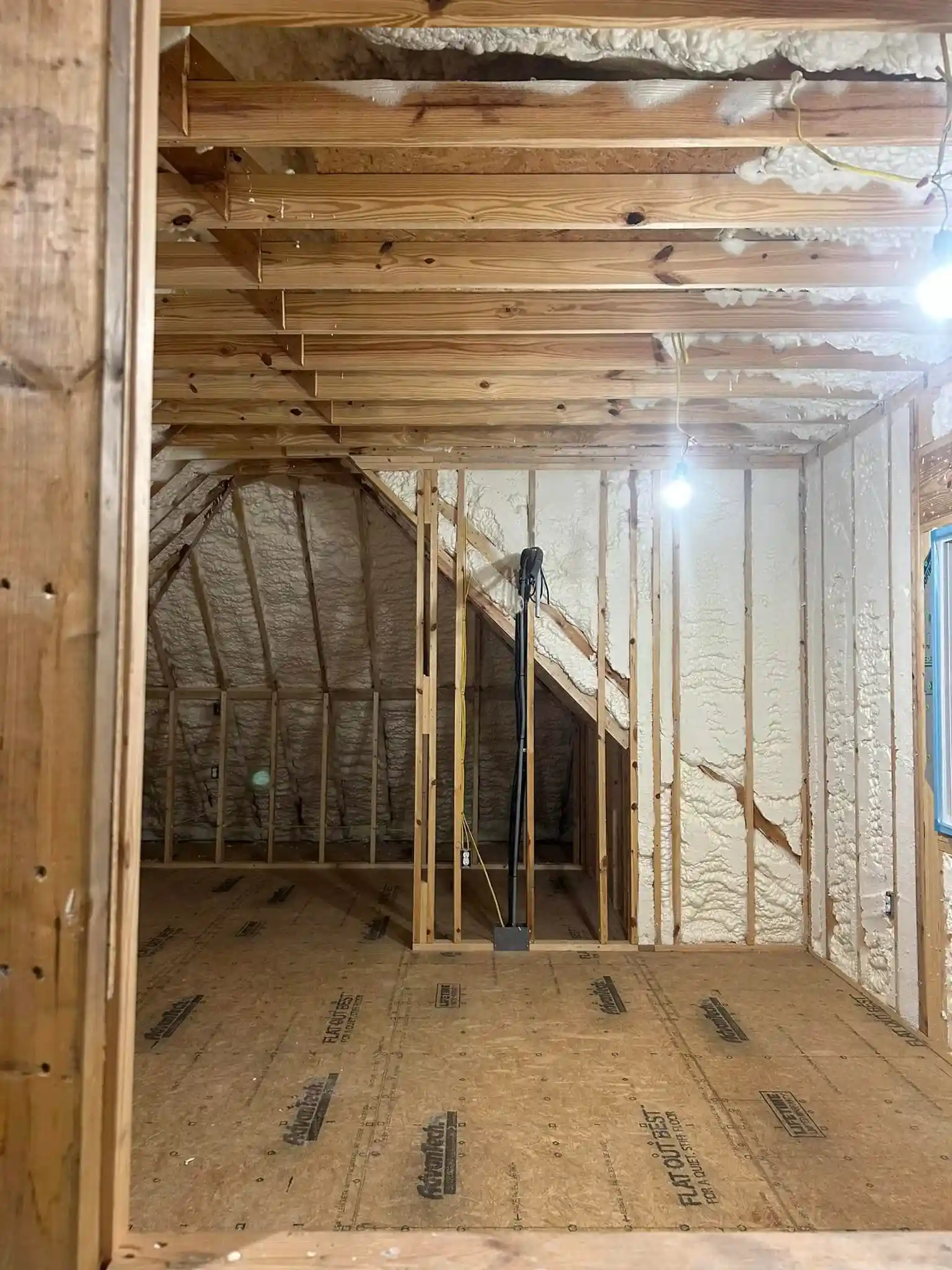
Property owners and builders constantly seek upgrades that yield the highest return on investment. Open-cell spray foam insulation significantly enhances long-term property value by drastically reducing energy consumption, improving indoor air quality, and offering superior acoustic dampening. However, whether it provides the optimal value depends on your specific climate, budget, and structural needs. While open-cell foam is highly cost-effective and expands rapidly to seal complex wall cavities, it is best deployed in interior walls, attics, and above-grade applications rather than moisture-heavy basements. Transitioning to a strategic building envelope plan requires understanding how this low-density material serves distinct architectural goals, ensuring your upfront investment translates into decades of structural integrity and premium resale value through a well-planned open-cell spray foam insulation strategy.
TLDR / Key Takeaways
- Significant Energy Savings: Open-cell spray foam typically reduces HVAC energy consumption by up to 30%, directly lowering utility bills and boosting a property’s market appeal.
- Accessible Initial Investment: Material and installation costs generally range from $0.50 to $1.20 per board foot, making it a highly cost-effective entry point for comprehensive whole-house air sealing.
- Superior Acoustic Benefits: The spongy, expansive structure of open-cell foam acts as an exceptional sound barrier, a trait highly valued in multi-family residential units and commercial office buildings.
- Rapid Implementation Speed: The chemical mixture expands up to 100 times its liquid volume in mere seconds, drastically reducing labor time compared to installing traditional fiberglass batts.
- Common Pitfalls: Open-cell is vapor-permeable. Applying it in high-moisture subterranean areas without a proper vapor retarder can lead to long-term moisture accumulation and structural damage.
- Accelerated Long-Term ROI: The combination of lowered heating and cooling costs and enhanced acoustic comfort frequently yields a full return on investment within 3 to 5 years, permanently elevating property appraisal values.
Understanding the Mechanics of Open-Cell Insulation
To evaluate property value accurately, we must first examine how open-cell foam interacts with a building’s architecture. Unlike high-density alternatives, the cells inside open-cell spray foam are intentionally left unsealed. This creates a softer, more flexible material that moves seamlessly with the natural settling and shifting of a building’s framing over time.
At Premier Insulation, we leverage this flexibility to ensure that critical air seals remain unbroken even decades after the initial application. According to guidelines published by the U.S. Department of Energy, establishing a continuous air barrier is one of the most critical and cost-effective strategies for improving a building’s overall HVAC efficiency. Traditional insulation materials, such as fiberglass and cellulose, allow conditioned air to escape through gaps, forcing heating and cooling systems to work overtime. Open-cell foam expands completely into every structural crevice, eliminating drafts and locking in thermal comfort.
How Superior Air Sealing Impacts Property Valuation
A property’s long-term value is intrinsically tied to its operational overhead. Today’s real estate market heavily favors “green” or energy-efficient buildings, often attaching a premium to homes and commercial spaces that boast low utility costs. By installing open-cell spray foam, we effectively upgrade a structure from a standard build to a high-performance envelope.
Furthermore, a well-sealed building protects against outdoor pollutants, allergens, and dust. The Environmental Protection Agency actively notes that effectively sealing a home’s exterior envelope plays a pivotal role in preventing outdoor pollutants from compromising indoor air quality. Clean air and consistent interior temperatures are major selling points that prospective buyers and tenants prioritize, leading to higher asking prices and reduced time on the market.
The Underrated Value of Soundproofing
While thermal resistance (R-value) is the primary metric most buyers look at, acoustic comfort is a hidden driver of long-term value. Because of its low density and high expansion rate, open-cell foam absorbs sound waves exceptionally well. When applied to interior partition walls, between floor joists, or in theater rooms, it drastically reduces sound transmission between rooms, making proper installation and avoiding common open-cell spray foam repair issues important for maintaining long-term performance.
This is especially critical in modern open-concept homes or mixed-use commercial buildings where noise pollution can diminish the occupant experience. By investing in open-cell spray foam for sound attenuation, property owners instantly create a more private, premium feel that appraisers and buyers notice the moment they step inside.
Market Trends and Long-Term Growth
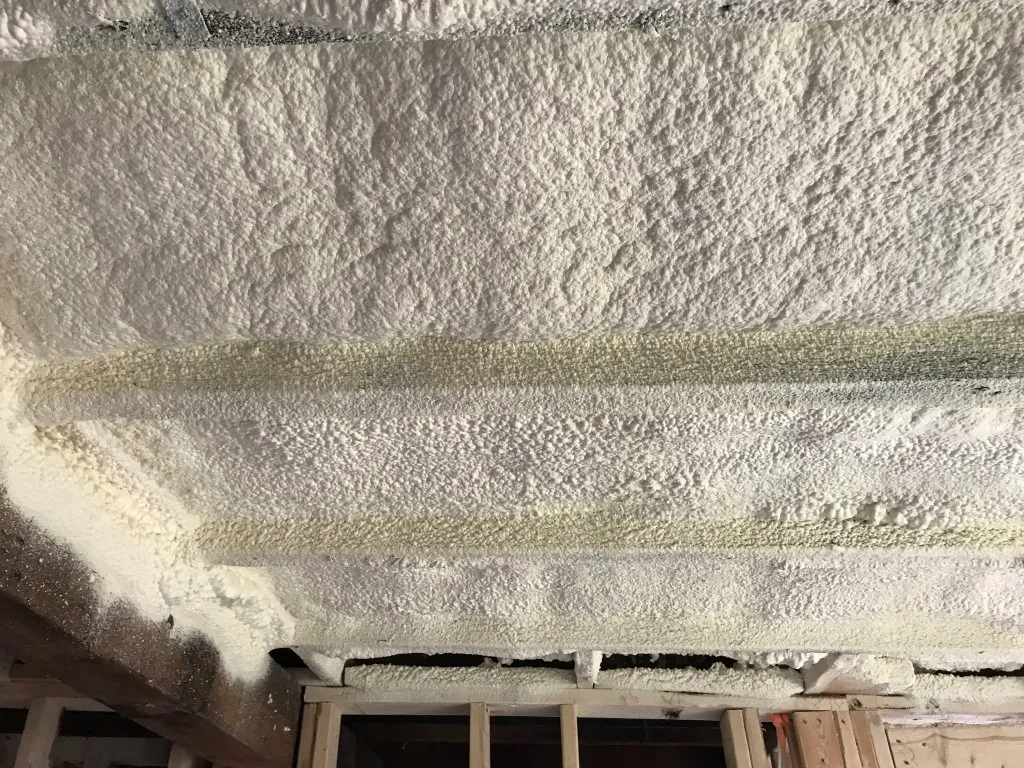
The demand for advanced insulation is not a passing trend. Market data from Statista shows a steady upward trajectory in the global spray foam market, driven primarily by rising global energy costs and stricter building codes. Buyers expect modern homes to be efficient. Failing to meet these modern energy standards can lead to accelerated depreciation of property value.
Additionally, research from Harvard University highlights how improved indoor environmental quality, heavily influenced by high-performance building envelopes, significantly boosts overall occupant health and productivity. When we upgrade your insulation, we are not just spraying foam; we are future-proofing the property against rising utility rates and shifting market expectations. If you have questions about your specific project, you can always reach us at Premier Insulation by calling (229) 554-3939 or emailing premiereinsulationga@gmail.com.
Tables for Strategic Decision Making
Strategy Type: Open-Cell vs. Closed-Cell Insulation
| Strategy Type | Best For | Key Tactics | Expected Outcomes | Limitations |
|---|---|---|---|---|
| Open-Cell Spray Foam | Interior walls, attics, ceilings, and custom homes. | Spraying between studs to maximize sound deadening and air sealing. | High acoustic comfort, complete air sealing, and lower upfront cost. | Vapor permeable; not suitable for exterior or below-grade use. |
| Closed-Cell Spray Foam | Basements, crawlspaces, exterior walls, pole barns. | Creating rigid moisture barriers and adding structural integrity. | Superior R-value per inch, total moisture control, and added wall strength. | With higher material costs, a rigid structure can crack if the framing shifts significantly. |
| Hybrid Approach | Whole-house high-performance builds. | Closed-cell on the exterior envelope, open-cell on interior partitions. | Ultimate balance of moisture control, thermal resistance, and acoustics. | Requires precise project management and higher initial capital investment. |
Property Value ROI by Audience / Context
| Audience / Context | Recommended Approach | Key Notes | Expected ROI |
|---|---|---|---|
| Residential Homeowners | Open-cell in attic and exterior walls (above grade). | Drastically cuts heating/cooling bills; improves comfort. | High; full payback in 3-5 years via utility savings. |
| Real Estate Flippers | Open-cell in key drafty areas (roof decks). | Provides a marketable “Energy Efficient” selling feature. | Moderate to High; fast installation keeps renovation timelines short. |
| Commercial Developers | Open-cell in demising walls and between floors. | Focuses heavily on soundproofing between tenant spaces. | High allows for premium lease rates due to superior privacy and comfort. |
Recommendations by Audience
Different properties require uniquely tailored insulation strategies. Here is how we adapt our approach based on your specific real estate goals:
For the Long-Term Residential Homeowner
If you plan to live in your home for decades, open-cell foam applied to the unvented attic assembly (roof deck) is the optimal strategy. By bringing your HVAC ductwork into the conditioned space, you prevent extreme temperature fluctuations from straining your equipment. This extends the lifespan of your expensive HVAC unit, adding significant unseen value to your property.
For the Real Estate Investor or Flipper
When turning over a property quickly, budget and timeline are paramount. Because open-cell foam expands so rapidly, we can typically insulate an entire home in a fraction of the time it takes to cut and hang fiberglass batts. Highlighting “Brand New Spray Foam Insulation” in your real estate listing is a massive differentiator that justifies a higher asking price and assures buyers the home is thoroughly modernized.
For Commercial and Multi-Family Developers
In the commercial sector, occupant complaints about noise are a leading cause of tenant turnover. We highly recommend specifying open-cell spray foam for all interior demising walls and sub-floors. The incredible Sound Transmission Class (STC) ratings achieved by open-cell foam provide a luxury, quiet environment that keeps high-paying tenants satisfied long-term.
Signs You’ve Found the Right Approach
Evaluating an insulation strategy is about more than just looking at the final invoice. How do you know the approach will actually secure long-term property value? Look for these qualitative indicators:
- Diagnostic Testing: We rely on data, not guesswork. A proper approach involves pre- and post-installation Blower Door Tests to quantify exactly how much air leakage has been eliminated.
- Transparent Moisture Strategies: A flawless strategy clearly dictates where open-cell is appropriate and where it isn’t. If the plan accounts for vapor retarders in specific climate zones, you are looking at a structurally sound approach.
- Detailed Scope of Work: The strategy should specify exact foam depths, targeted R-values, and specific preparation steps to protect your existing property finishes from overspray.
- Long-Term Warranties: Confidence in the product is key. An approach backed by robust lifetime material warranties guarantees that the insulation will not sag, settle, or degrade over the life of the building.
Ready to Upgrade Your Property Value?
Introducing premier insulation as the expert solution for scaling your property upgrades and growing your business efficiency. Whether you are navigating building codes or looking to maximize the return on your structural investments, achieving the perfect building envelope requires precision and proven expertise. We combine cutting-edge materials with unparalleled installation knowledge to secure your property’s value for the future.
Contact Details:
Company: Premier Insulation
Phone: (229) 554-3939
Email: premiereinsulationga@gmail.com
Stop letting your hard-earned money leak through the walls. Secure your property’s comfort and long-term value today.
Frequently Asked Questions
Is open-cell spray foam insulation worth the higher upfront cost?
Yes, while the initial investment is higher than traditional fiberglass, the immediate reduction in energy bills and the permanent increase in property appraisal value typically offset the costs within a few years.
Will open-cell insulation cause wood rot in my walls?
No, open-cell foam is vapor-permeable, meaning it allows the wooden structure of your home to breathe and dry out naturally. However, it should not be used in high-moisture subterranean areas without a proper vapor barrier.
How does open-cell foam affect indoor air quality?
Creating a seamless air seal, it drastically reduces the infiltration of outdoor allergens, dust, and pollutants. It also prevents the entry of pests, creating a cleaner, healthier indoor environment.
Can open-cell spray foam be applied over existing insulation?
In most high-performance upgrades, we recommend removing old, degraded fiberglass or cellulose before applying foam. This ensures the foam adheres directly to the substrate for a perfect, unbroken air seal.
Does spray foam insulation lose its R-value over time?
Unlike standard fiberglass that sags and settles, open-cell spray foam maintains its shape, structural integrity, and R-value for the entire lifespan of the building.