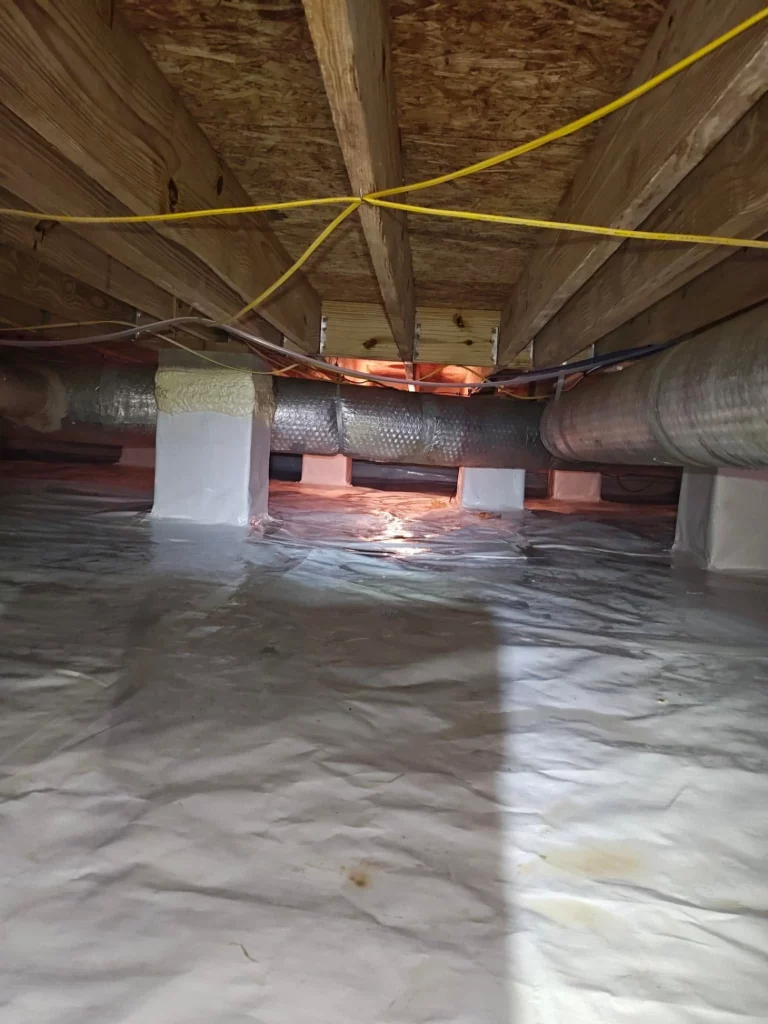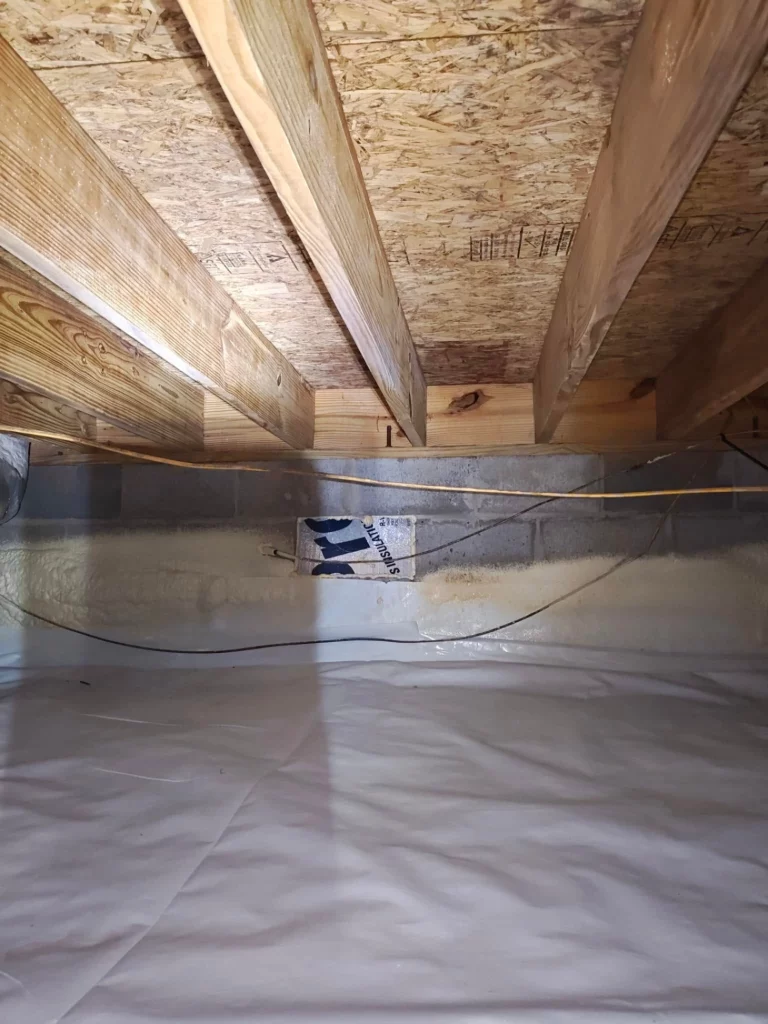
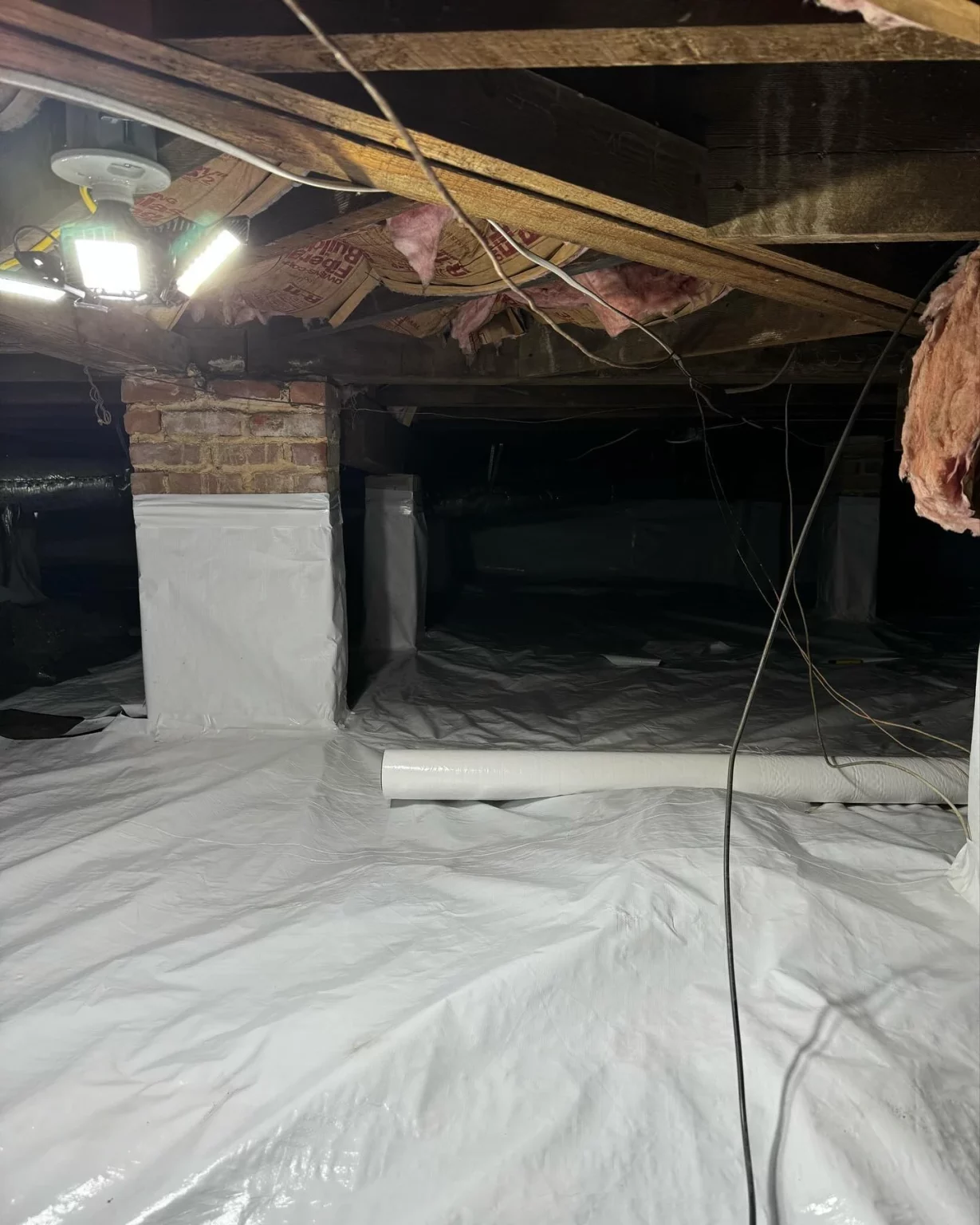
Crawl space encapsulation delivers consistently better moisture control than venting in Tallahassee’s hot, humid climate. Building science research from the Department of Energy confirms that sealed, conditioned crawlspaces remain drier than vented ones in humid climates, and the EPA’s own guidance recommends keeping indoor relative humidity below 60 percent to prevent mold growth. Venting a crawl space in Tallahassee actually pulls warm, moisture-heavy outdoor air into a cooler space, which causes condensation and accelerates wood rot, mold, and structural damage. Encapsulation seals the crawl space with a heavy-duty vapor barrier, seals foundation vents, and often includes a dehumidifier to maintain stable humidity levels year-round, making crawl space encapsulation solutions a critical upgrade for long-term home protection.
TLDR / Key Takeaways
- Building Science Corporation research confirms conditioned, sealed crawlspaces outperform vented ones across safety, health, comfort, durability, and energy consumption in all climates
- The EPA recommends maintaining indoor humidity below 60 percent RH, ideally between 30 and 50 percent, to prevent mold growth in crawl spaces
- Vented crawl spaces in Tallahassee introduce warm, humid outdoor air that condenses on cooler structural surfaces, accelerating moisture damage
- Encapsulation involves sealing vents, installing a heavy-duty vapor barrier on floors and walls, and typically adding a dehumidifier for ongoing humidity management
- Crawl space encapsulation costs range from $5,000 to $15,000, depending on square footage, while vented crawlspaces cost less upfront but lead to significantly higher repair costs over time
- The U.S. Department of Energy Building America program found that unvented, insulated crawlspaces remain drier in humid climate zones like Tallahassee
- A properly encapsulated crawl space also improves indoor air quality by blocking ground moisture and soil gases from entering the living space
How Each Approach Works
Vented Crawl Spaces
Traditional crawl spaces use open foundation vents to allow outside air to circulate beneath the home. The idea dates back to older building codes that assumed outdoor air movement would dry out the space. Vents typically follow the 1 square foot of ventilation for every 150 square feet of crawl space floor area ratio specified in legacy building codes.
In practice, venting works in dry climates where the outdoor air is less humid than the air inside. In Tallahassee, however, average summer humidity routinely exceeds 70 to 80 percent. When that warm, humid outdoor air enters a cooler crawl space, it hits ductwork, pipes, and wood framing where condensation forms rapidly. This creates the ideal environment for mold, wood rot, and pest infestation, as noted in a comparative study of vented and sealed crawlspaces, ORNL Comparative Study, which strongly supports the use of crawl space encapsulation systems in humid climates.
Encapsulated Crawl Spaces
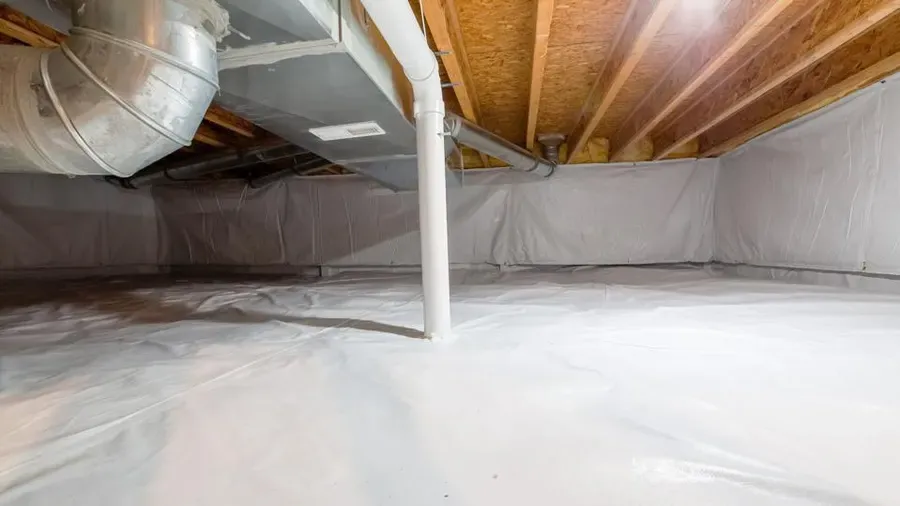
Encapsulation treats the crawl space as part of the home’s conditioned envelope. The process includes sealing all foundation vents, installing a continuous vapor barrier (typically 20-mil polyethylene sheeting) across floors and up walls, sealing rim joists, and often adding mechanical dehumidification. Ductwork is insulated and air-sealed to prevent energy waste, which contributes to overall home energy efficiency, according to the DOE Home Insulation Guide.
According to Building Science Corporation, conditioned crawl spaces perform better than vented crawl spaces in terms of safety, health, comfort, durability, and energy consumption. The crawl space temperatures, dew points, and relative humidities track those of the house, which keeps them warmer and drier than vented alternatives.
Why Tallahassee Makes Venting Ineffective
Tallahassee sits in USDA Hardiness Zone 8b, with an average annual humidity around 74 percent and summer readings that frequently hit 80 to 90 percent. This climate makes vented crawl spaces particularly problematic, an issue detailed in research on moisture behavior in these zones, the HUD Moisture Report.
When outside air enters through foundation vents during Tallahassee’s long, hot summers, it encounters cooler surfaces inside the crawl space. Condensation forms on ductwork, floor joists, and plumbing. The EPA’s mold prevention guidelines explicitly warn that humidity above 60 percent relative humidity leads to condensation and mold growth, making vented crawl spaces a liability in this market.
Additionally, Tallahassee’s frequent thunderstorms dump large amounts of rain, and sandy soils drain slowly. Water accumulates under homes regardless of ventilation, making the moisture source internal rather than something that outdoor air can solve. In fact, venting during and after rainstorms actively pulls more moisture into the crawl space, which is why Tallahassee, FL crawl space conditions require sealed moisture control strategies.
Head-to-Head Comparison
| Factor | Vented Crawl Space | Encapsulated Crawl Space |
|---|---|---|
| Moisture Control | Poor in humid climates like Tallahassee | Superior in all climates |
| Mold Risk | High condensation leads to mold growth | Controlled humidity keeps mold at bay |
| Energy Efficiency | Loses conditioned air through the floor in winter | Reduces energy waste, improves HVAC efficiency |
| Indoor Air Quality | Ground moisture and soil gases enter living space | Sealed barrier blocks radon and soil gases |
| Pest Control | Open vents allow easy pest access | Sealed perimeter deters rodents and insects |
| Upfront Cost | Low, often just adding vents | Higher, typically $5,000 to $15,000 |
| Long-Term Cost | High, due to mold, rot, and energy loss | Lower, fewer repairs over time |
| Building Code Compliance | Legacy code compliant | Accepted under modern IRC codes |
| Lifespan | Degrades faster in humid climates | Extends structural lifespan |
Real-World Scenarios in Tallahassee
| Scenario | Property Type | Problem | Recommended Option | Estimated Cost |
|---|---|---|---|---|
| 1960s ranch off Centerville Rd | 1,200 sq ft crawl space | Chronic mold, floor rot, pest damage from open vents | Full encapsulation with dehumidifier | $8,500 |
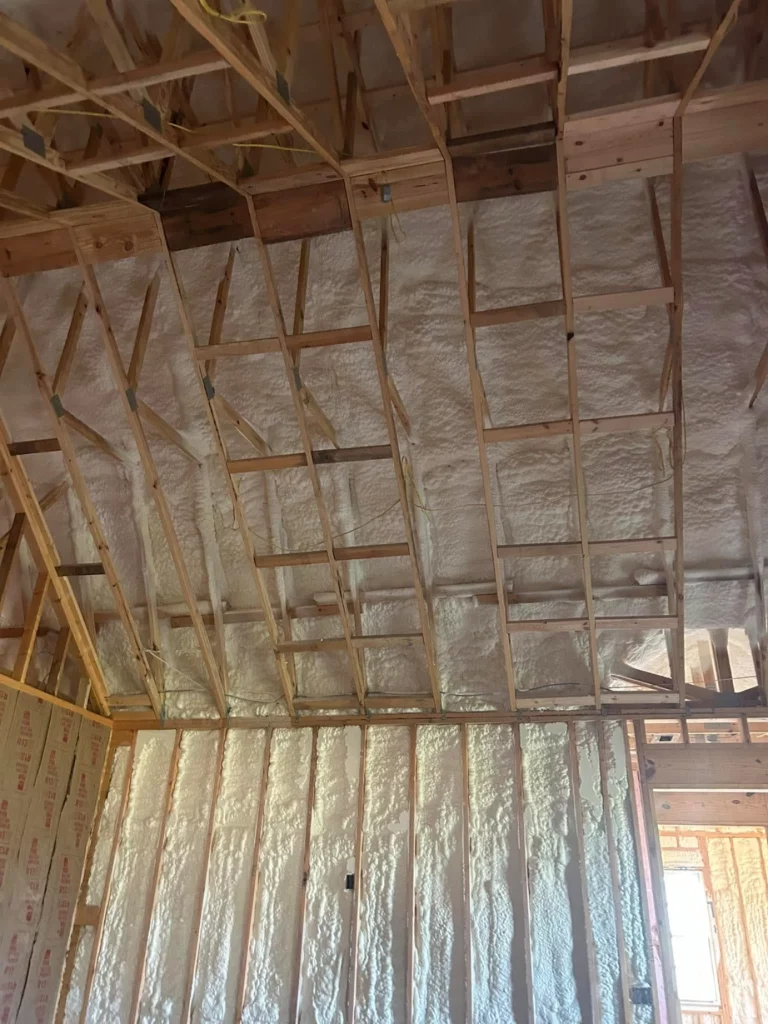
| New construction near SouthWood | 1,500 sq ft crawl space | Code compliance and long-term durability | Encapsulation from build | $12,000 |
| 1970s home near Killearn | 800 sq ft crawl space | Musty odor, high humidity, condensation on ductwork | Encapsulation with a sump pump | $6,000 |
| Lakefront home near Lake Jackson | 1,800 sq ft crawl space | Standing water, flooding during storms, and high humidity | Encapsulation with flood vents | $14,000 |
| Townhome near Midtown | 600 sq ft crawl space | Shared moisture issues, pest entry, and energy waste | Full encapsulation | $5,500 |
Factors That Influence the Decision
Several variables determine whether encapsulation or venting makes the most sense for a specific property:
- Climate zone: Tallahassee is in a mixed-humid zone, where encapsulation is overwhelmingly the better choice for moisture control
- Property age: Older homes with existing vented crawl spaces often have accumulated moisture damage that must be addressed during encapsulation
- Soil conditions: Sandy soils around Tallahassee drain well, but clay areas retain water and require additional drainage solutions
- Existing damage: Mold, rot, or structural issues found during inspection should be remediated before encapsulation
- Budget: Limited budgets may require phased approaches, starting with vapor barrier installation and adding dehumidification later
- HVAC system: Homes with ductwork running through the crawl space benefit most from encapsulation through energy savings
- Flood risk: Properties in flood-prone areas need encapsulation with specialized flood vents that open automatically
Who Encapsulation Is Right For
- Homeowners experiencing persistent crawl space moisture problems, mold, or musty odors
- Contractors and builders working on new construction or major renovations in humid climates
- Property owners looking to improve indoor air quality and reduce energy bills
- Anyone preparing to sell a home where crawl space issues could lower the appraisal value
- Real estate investors flipping older homes in the Tallahassee market
Who Encapsulation Is NOT Right For
- Properties with insufficient height to work comfortably in the crawl space during installation
- Homes with active structural foundation problems that must be fixed first
- Budgets that cannot accommodate at least a basic vapor barrier installation
- Homes in flood zones where standing water requires specialized drainage systems beyond encapsulation alone
Get a Professional Crawl Space Assessment
Deciding between encapsulation and venting is not something you should guess at. Our team at Premier Insulation has helped hundreds of Tallahassee homeowners and contractors resolve crawl space moisture problems with proven, science-backed solutions. We evaluate your specific crawl space conditions, recommend the right approach, and handle the full installation from start to finish.
Call us at (229) 554-3939 or email premiereinsulationga@gmail.com to get started. A more comfortable home is closer than you think.
Frequently Asked Questions
What is the ideal humidity level for a crawl space?
The EPA recommends keeping indoor humidity below 60 percent relative humidity, ideally between 30 and 50 percent. Encapsulation with a dehumidifier is the most reliable way to maintain these levels in Tallahassee’s climate.
How long does crawl space encapsulation last?
A properly installed encapsulation system with a quality vapor barrier and dehumidifier can last 15 to 20 years before the vapor barrier may need replacement. Annual inspections keep the system performing at its best.
Can I encapsulate my crawl space myself?
Basic steps like laying a vapor barrier can be done by experienced DIYers, but full encapsulation requires sealing all vents, air sealing rim joists, insulating walls, and installing a dehumidifier. Improper installation leads to moisture problems that are worse than the original condition.
Does the building code in Florida allow sealed crawl spaces?
Yes. The International Residential Code has adopted provisions for conditioned, unvented crawl spaces. Modern Florida building codes recognize encapsulation as code-compliant when properly executed with the required vapor barrier, drainage, and air sealing.
Is a dehumidifier always necessary with encapsulation?
Not always, but it is strongly recommended in Tallahassee’s climate. Without a dehumidifier, an encapsulated crawl space can still experience humidity spikes during the summer months when ground moisture and residual humidity build up. A dehumidifier provides active, year-round control.
Sources
- Building Science Corporation – Conditioned Crawlspace Construction, Performance and Codes – Research on conditioned vs vented crawlspaces showing superior performance across safety, health, comfort, durability, and energy metrics.
- U.S. Department of Energy – Unvented Crawlspace Code Adoption – Building America program findings that unvented, insulated crawlspaces remain drier in humid climate zones.
- HUD – Moisture Problems in Hot, Humid Climates – Research on moisture behavior in hot-humid climates, including Tallahassee-specific climate data.