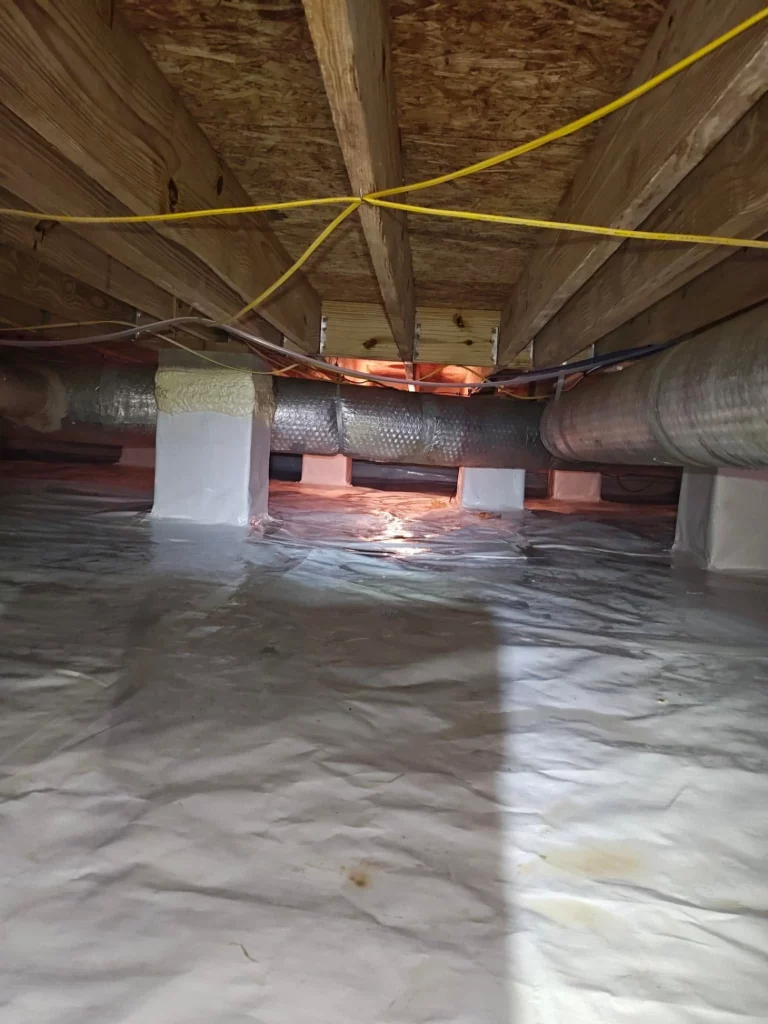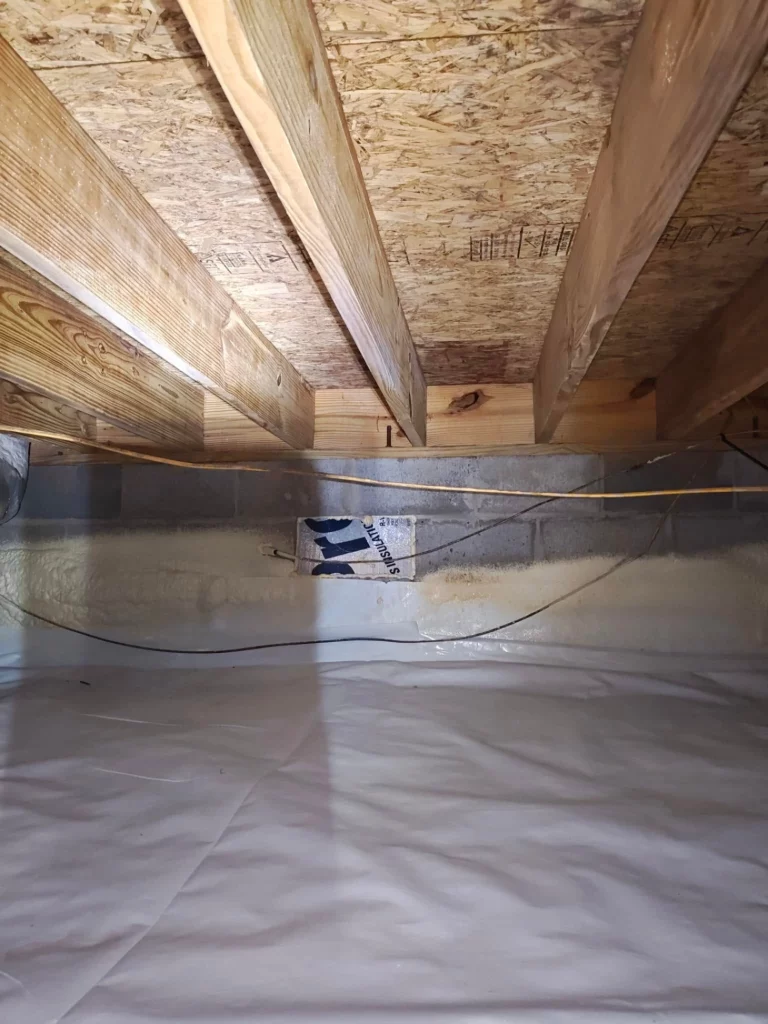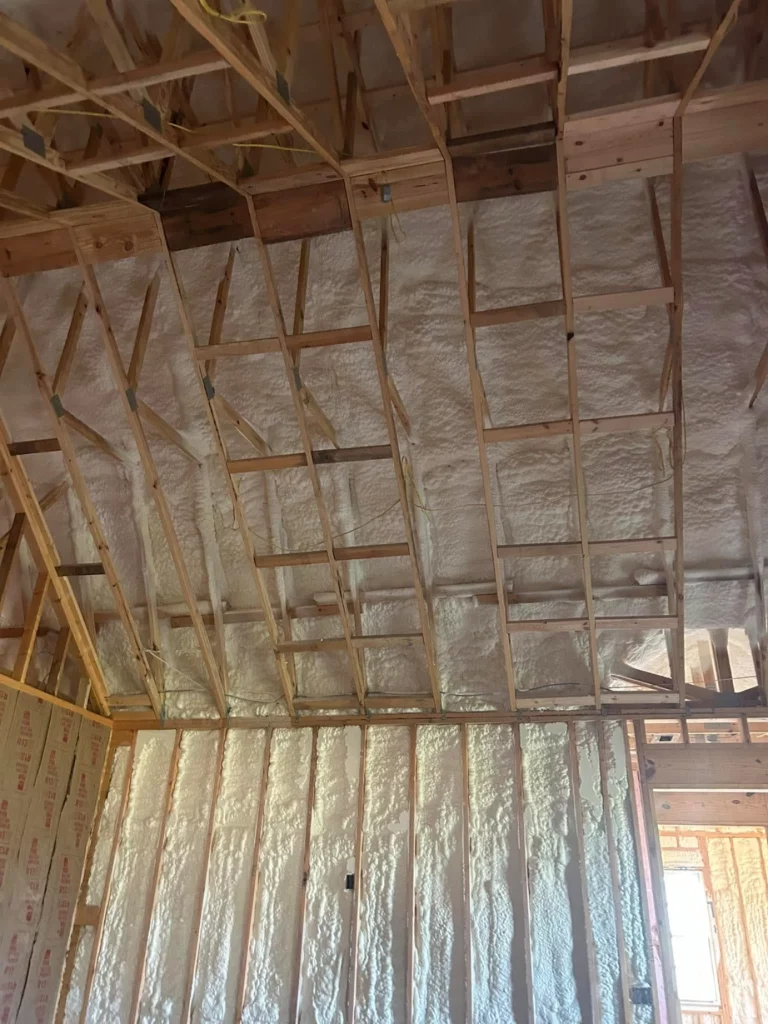
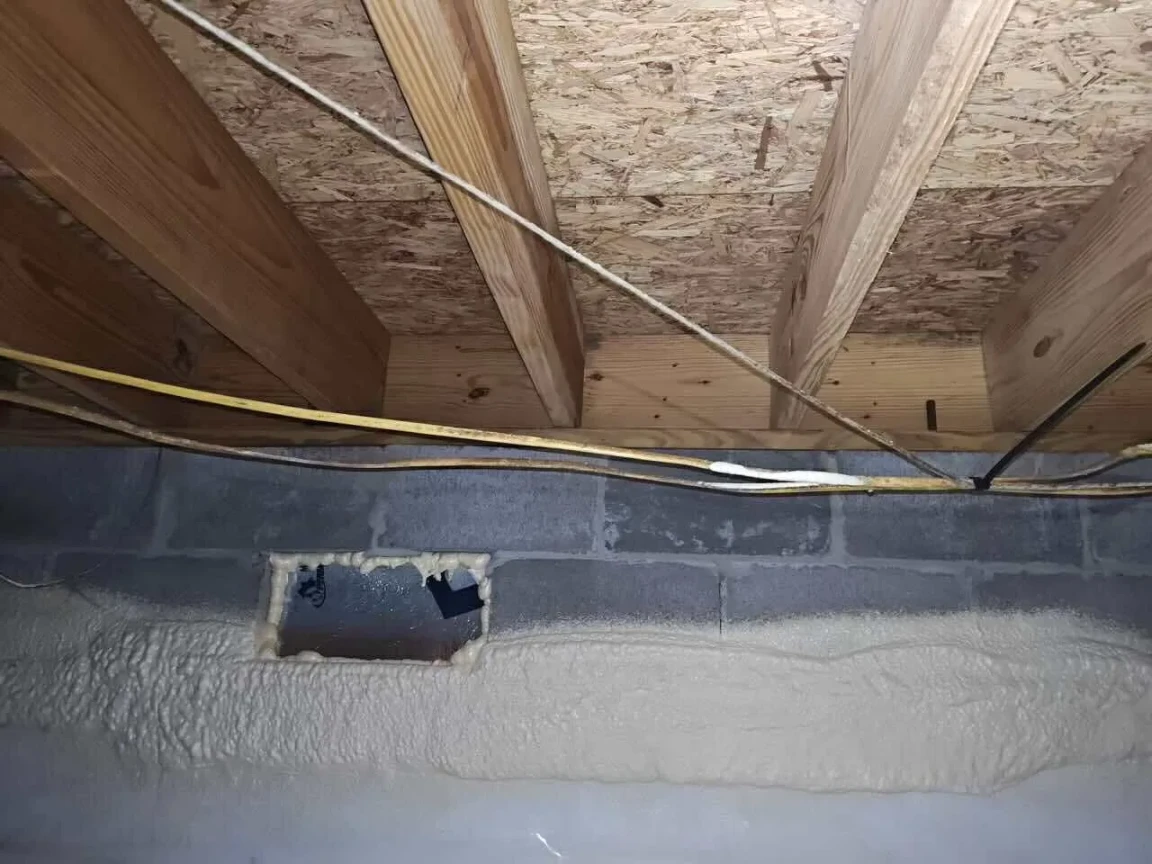
Ignoring a crawl space mold inspection in Valdosta is one of the most expensive mistakes a homeowner can make. In a region where high humidity, frequent rainfall, and warm temperatures create ideal conditions for mold growth year-round, what starts as a small, invisible colony behind your floor joists can quickly escalate into structural decay, health complications for your family, and a sharp decline in your property value. A professional inspection catches these problems early, before they spread into living areas and demand far more costly remediation. Whether you are a longtime homeowner, a first-time buyer, or preparing to sell, understanding why crawl space mold inspections matter in South Georgia is the first step toward protecting your investment and the air you breathe every day. Knowing the difference between crawl space mold remediation and encapsulation can help homeowners choose the right long-term solution.
TLDR / Key Takeaways
- Georgia ranks in the top 10 states for mold risk nationwide due to its humid subtropical climate, making crawl space inspections a priority for Valdosta homeowners
- The EPA notes that mold produces allergens, irritants, and potentially toxic mycotoxins, and the CDC confirms a direct link between indoor mold exposure and upper respiratory symptoms, asthma attacks, and other health problems
- Airborne mold spores from crawl spaces travel upward into living areas through the stack effect, contaminating the air your family breathes daily
- Mold feeds on organic building materials like wood joists and insulation, gradually weakening the structural supports beneath your home
- Homes with documented mold history can lose 20 to 37 percent of their resale value, according to real estate research
- Professional inspections identify hidden mold in confined spaces that homeowners rarely or never see, catching problems long before visible damage appears
- The EPA recommends hiring professionals for mold growth exceeding 10 square feet and emphasizes that moisture control, not just surface cleaning, is the key to lasting prevention
Why Valdosta Homes Are Especially Vulnerable to Crawl Space Mold
Valdosta sits squarely within Georgia’s humid subtropical climate zone, which means long summers, heavy seasonal rainfall, and average humidity levels that regularly exceed 65 percent. These conditions are not occasional inconveniences. They are persistent, year-round risk factors that keep moisture levels elevated in dark, poorly ventilated crawl spaces, creating ideal conditions for crawl space mold problems.
According to Valdosta Today, Georgia ranks among the top 10 states most at risk of mold in homes. The article cites a mold index study that scored states based on average rainfall, temperature, humidity, and home age, giving Georgia a mold index score of 35.73 out of 40, placing it seventh nationally. That ranking reflects the reality that South Georgia homes face elevated mold risk from multiple converging factors: warm temperatures, frequent storms, high groundwater tables, and an aging housing stock.
Many homes in the Valdosta area were built decades ago with vented crawl spaces, a construction approach that was standard for its time. Vented crawl spaces were designed to let outside air circulate underneath the house, but in humid climates like ours, that design backfires. During summer months, warm, moisture-laden air enters the crawl space through foundation vents, hits cooler surfaces, and condenses. That condensation soaks into wood framing, insulation, and dirt floors, creating an ideal breeding ground for mold spores that exist naturally in every environment.
How Crawl Space Mold Affects Your Family’s Health
Mold is not just a cosmetic nuisance. The CDC states that exposure to damp and moldy environments can cause a range of health effects, from mild irritation to serious respiratory complications. Symptoms include a stuffy nose, a sore throat, coughing, wheezing, burning eyes, and a skin rash. People with asthma or mold allergies may experience severe reactions, and individuals with compromised immune systems or chronic lung disease can develop lung infections from mold exposure.
In 2004, the Institute of Medicine found sufficient evidence to link indoor mold exposure with upper respiratory tract symptoms, coughing, and wheezing in otherwise healthy individuals. The CDC also notes that recent studies suggest a connection between early mold exposure and the development of asthma in some children.
The EPA reinforces these findings, noting that molds produce allergens, irritants, and in some cases, mycotoxins. Inhaling or touching mold spores can trigger allergic reactions, including sneezing, a runny nose, red eyes, and skin dermatitis. Molds can also cause asthma attacks in people with asthma who are allergic to mold, and exposure can irritate the eyes, skin, nose, throat, and lungs of both allergic and non-allergic individuals.
The specific danger with crawl space mold is that it operates out of sight. Most homeowners spend zero time in their crawl spaces, so they never see the growth. But that does not mean they are not exposed. Mold spores are microscopic and easily become airborne. Through a process called the stack effect, warm air rises through the home from the lowest levels, pulling crawl space air, along with mold spores and musty odors, up through floor gaps, ductwork, and wall cavities into the living areas above. Your family breathes that air every day.
Structural Damage: What Mold Does to Your Home’s Foundation
Mold does not just sit on surfaces. It feeds on them. In a crawl space, the primary food sources are organic building materials: wooden floor joists, sill plates, subflooring, and sometimes older insulation. Over time, mold growth breaks down and weakens these materials.
The American Lung Association identifies basements, attics, and crawl spaces as common problem areas for moisture buildup and mold growth, noting that excessive indoor mold indicates there is too much moisture in the building. When mold colonizes crawl space framing, it accelerates wood rot and decay. Floor joists lose their load-bearing strength, subflooring softens, and the wooden sill plates that anchor the house to its concrete foundation begin to deteriorate.
Visible signs that mold has already caused structural damage include sagging or uneven floors, creaking floorboards, doors that no longer close properly, and a persistent musty smell throughout the house. By the time these symptoms appear above ground, the damage underneath has typically been progressing for months or even years.
How a Professional Inspection Differs from a Quick Look
Many homeowners assume that if they do not see mold or smell it, there is nothing to worry about. That assumption is wrong. Mold frequently grows in concealed areas of a crawl space: behind vapor barriers, under insulation batts, on the underside of subflooring, and in corners where moisture collects but light never reaches.
According to InterNACHI, the International Association of Certified Home Inspectors, crawl spaces are host to a large number of conditions that can harm the house, and since they are mostly unmonitored, hazards can develop unchecked for long periods. InterNACHI notes that mold and fungus grow rapidly in crawl spaces, that they are both a health concern and a cause of wood decay, and that airborne mold spores can enter the living space from the crawl space. The organization also states that homes infected with mold and fungus are much more difficult to sell and often require costly remediation before a closing can proceed.
A professional crawl space mold inspection goes beyond what a homeowner can accomplish with a flashlight. Our technicians are trained to identify early warning signs that untrained eyes miss: discoloration on wood surfaces, elevated moisture readings, condensation patterns on ductwork, and the early stages of wood rot. We use moisture meters, borescopes, and visual assessment protocols to map the full extent of any mold presence and the moisture sources feeding it.
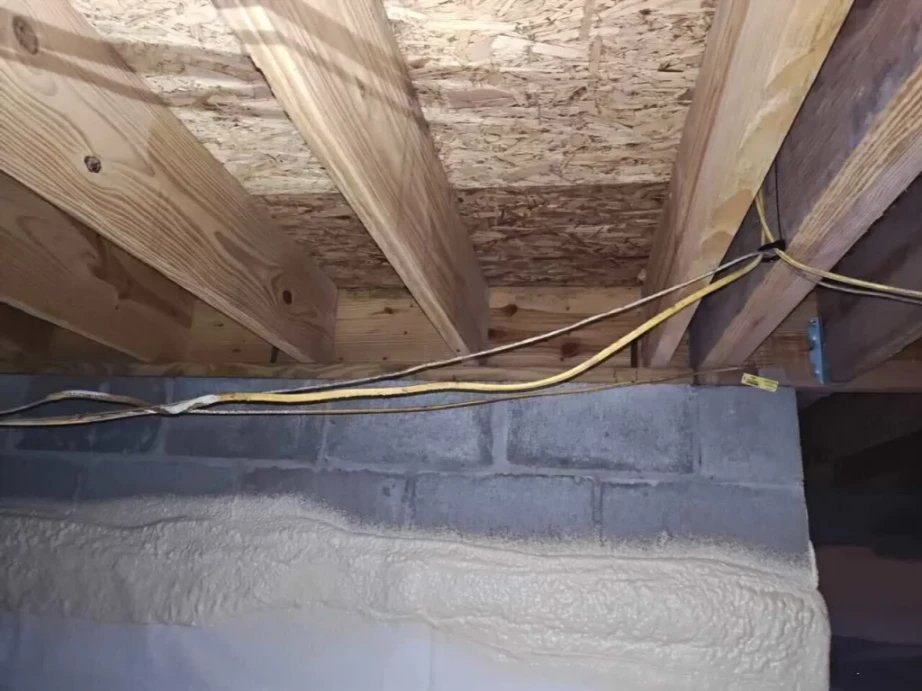
What Homeowners in Valdosta Should Know About Mold and Property Value
The financial consequences of ignoring crawl space mold extend well beyond remediation expenses. Real estate research consistently shows that documented mold problems significantly reduce a home’s market value. According to the Valdosta Today report, 47 percent of homes in the United States have shown signs of some form of mold, and mold can reduce home resale value by 20 to 37 percent. The stigma attached to a mold history can persist even after professional remediation, making it harder to sell and reducing your negotiating position.
In a competitive real estate market, a buyer’s home inspection that uncovers crawl space mold is one of the most common deal-breakers. Sellers who have ignored regular crawl space inspections find themselves scrambling to complete remediation under the pressure of a closing timeline, often accepting lower offers or paying for costly emergency work. Investing in crawl space encapsulation services in Valdosta, GA, can help prevent these issues and protect long-term property value.
Crawl Space Mold Risk by Scenario
| Homeowner Scenario | Mold Risk Level | Recommended Action | Reason |
|---|---|---|---|
| Older home (pre-1985) with vented crawl space | High | Schedule immediate inspection | Older construction, vented design, and aged materials create multiple risk factors in humid climates |
| Newer home with sealed crawl space | Moderate to low | Annual inspection recommended | Encapsulation reduces risk but moisture can still enter through plumbing leaks or foundation cracks |
| Home with recent plumbing leaks or water damage | High | Inspect within 48 hours of water event | The EPA emphasizes drying wet materials within 24 to 48 hours to prevent mold growth |
| Home being prepared for sale | Critical | Full inspection before listing | Undisclosed mold is a top reason deals fall through and can trigger legal liability |
| Homeowner with family members who have asthma or allergies | Critical | Immediate professional inspection | The CDC warns that mold-sensitive individuals face severe reactions, including asthma attacks |
| Home with a persistent musty odor | High | Inspect promptly, regardless of visible mold | Musty smell indicates active mold growth even when colonies are not yet visible |
Signs You Need a Crawl Space Mold Inspection Right Now
Not every homeowner knows when it is time to call a professional. Here are the indicators that should prompt an immediate inspection:
- Persistent musty or earthy odor in your home, especially near floor registers or in lower levels
- Visible mold growth on any surface in or around the crawl space access point
- Standing water or damp soil visible in the crawl space, even after dry weather
- Condensation on ductwork, pipes, or foundation walls beneath the house
- Unexplained allergy symptoms in family members that worsen when spending time at home
- Sagging or uneven floors, warping, or doors that stick
- Recent water intrusion events, including plumbing leaks, heavy storms, or HVAC condensate overflow
- House built before 1990 with an unsealed, vented crawl space in Valdosta’s climate zone
What a Professional Crawl Space Mold Inspection Covers
A thorough inspection from our team addresses every factor that contributes to mold growth in your crawl space. We evaluate moisture sources, existing mold colonies, structural integrity, ventilation conditions, and insulation status. Here is what to expect:
- Moisture mapping: We measure humidity levels and moisture content in wood framing across the entire crawl space to identify problem areas
- Visual mold assessment: We examine all accessible surfaces, including joists, subflooring, sill plates, insulation, and vapor barriers, for visible mold growth and discoloration
- Structural evaluation: We check for wood rot, termite damage, and compromised framing that mold may have caused or accelerated
- Source identification: We locate plumbing leaks, groundwater seepage, condensation points, and ventilation failures that feed moisture into the space
- Detailed report with recommendations: You receive a clear, written assessment of findings with prioritized recommendations for remediation and moisture control
Get Your Crawl Space Inspected by Premier Insulation
Protecting your home and your family from the hidden dangers of crawl space mold starts with a single phone call. Our team at Premier Insulation has the experience, training, and equipment to thoroughly inspect your crawl space, identify mold problems early, and provide effective remediation and moisture control solutions tailored to Valdosta’s unique climate conditions. We serve homeowners throughout the Valdosta area with professional inspections that deliver honest, actionable results.
Reach out to us today at (229) 843-6767 or email premiereinsulationga@gmail.com to schedule your crawl space mold inspection.
FAQs
How often should I have my crawl space inspected for mold in Valdosta?
A: We recommend annual inspections for homes with vented crawl spaces and biennial inspections for sealed or encapsulated spaces. After heavy storms or plumbing incidents, an immediate inspection is warranted.
Can I inspect my crawl space for mold myself?
You can look for obvious signs like visible growth or standing water, but professional inspections use moisture meters, borescopes, and trained assessment protocols that detect hidden mold and moisture sources a homeowner would miss.
Does mold in a crawl space really affect the air inside my living areas?
Yes. The CDC confirms that mold spores travel through indoor air. In crawl spaces, the stack effect draws air upward through floor gaps and ductwork, carrying mold spores and musty odors into the rooms where your family sleeps and spends time.
Will a crawl space inspection disrupt my daily routine?
A standard crawl space inspection typically takes one to two hours and requires no interior access to your home. Our technicians work entirely from the crawl space exterior access point and not disrupt your schedule.
What happens if the inspection finds mold in my crawl space?
We document the full extent of the problem, identify moisture sources, and provide a clear remediation plan. Depending on severity, solutions range from moisture control improvements and targeted cleaning to full mold remediation and crawl space encapsulation.
Sources
- EPA – A Brief Guide to Mold, Moisture and Your Home – Comprehensive EPA guidance on mold health risks, cleanup protocols, moisture control, and when to hire professional help for mold remediation.
- CDC – Mold Health Effects and Prevention – CDC overview of mold exposure symptoms, health risks for sensitive populations, prevention strategies, and cleanup guidelines.
- American Lung Association – Indoor Air Pollutants: Mold – American Lung Association resource covering mold health impacts, moisture sources, cleanup procedures, and EPA collaboration guidelines.
- Valdosta Today – Georgia Ranks in Top 10 States Most at Risk of Mold – Local Valdosta news reporting on Georgia’s national mold risk ranking, including mold index data and the 47 percent prevalence of mold in U.S. homes.
- InterNACHI – Crawlspace Hazards and Inspection – InterNACHI inspection standards article covering common crawl space hazards, including mold, structural risks, pest activity, and the connection between crawl space conditions and indoor air quality.