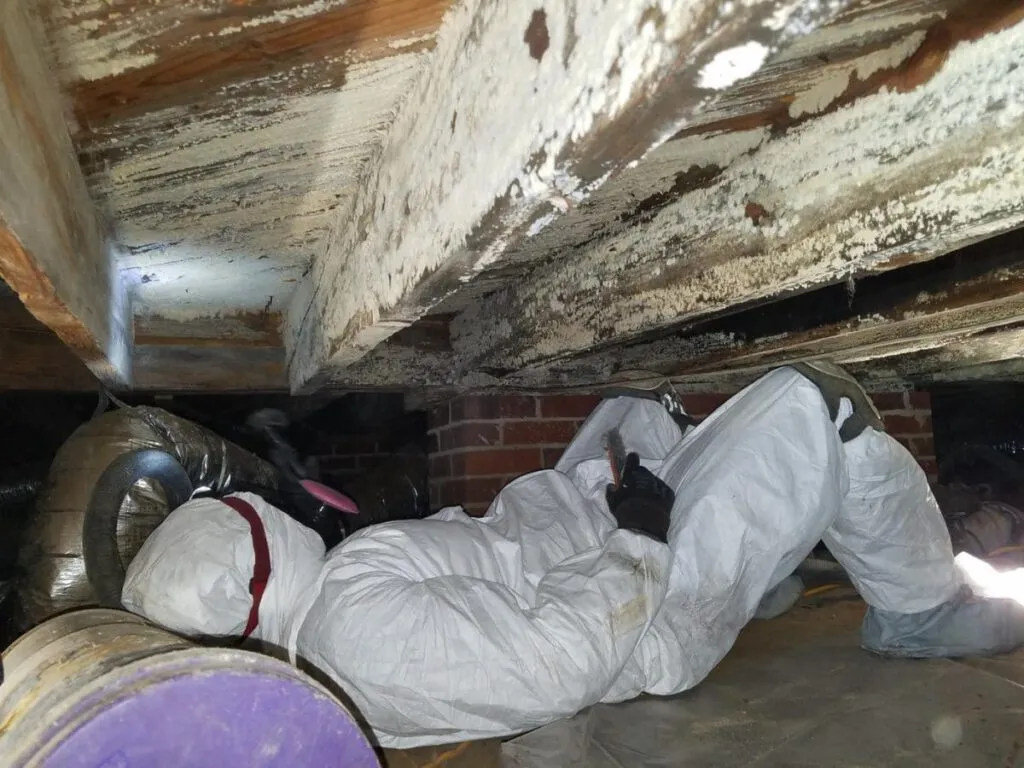
Ignoring crawl space mold does not just mean an out-of-sight problem. Left unchecked, mold silently eats away at the wooden support structures beneath your home while releasing millions of spores into the air your family breathes every day. The result is a dual threat that compounds over time: weakened floor joists and support beams that compromise your home’s structural integrity, combined with deteriorating indoor air quality that triggers respiratory issues, allergic reactions, and asthma symptoms. With 2026 bringing stricter building codes and greater awareness around indoor environmental health, addressing crawl space mold early is no longer optional. It is a practical decision that protects both your property investment and the health of everyone living inside, especially when dealing with crawl space mold issues.
TLDR / Key Takeaways
- Crawl spaces with exposed dirt floors release moisture continuously, creating ideal conditions for mold growth within 24 to 48 hours of water intrusion
- The EPA states that the key to mold control is moisture control, meaning encapsulation and dehumidification are the first line of defense
- Mold in crawl spaces acts as a reservoir, transmitting spores and biological contaminants into the living spaces above through the stack effect
- Structural damage from mold-related wood rot can cost between $3,000 and $30,000 to repair, depending on severity
- Sealed crawl spaces cut space-conditioning energy use by 15% to 18% compared to vented crawl spaces
- Building science research shows conditioned crawl spaces outperform vented ones in safety, health, comfort, durability, and energy consumption
- The CDC confirms that damp indoor spaces are linked to respiratory symptoms, worsening asthma, and new-onset asthma development
How Mold Takes Hold in Crawl Spaces
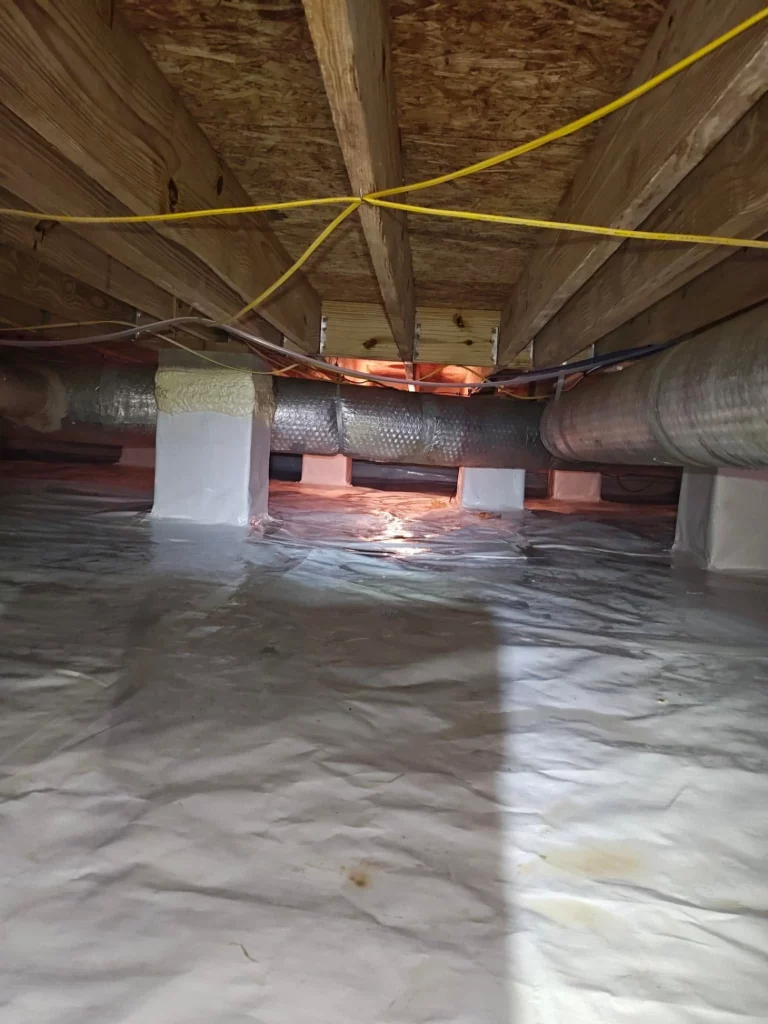
Crawl spaces are among the most vulnerable areas in any home when it comes to moisture. Most older homes have exposed dirt floors that constantly release water vapor into the enclosed area. When that moisture has nowhere to escape, relative humidity climbs above 60%, which is all mold needs to begin colonizing organic materials like wood framing, insulation, and debris left behind during construction. This is why crawl space encapsulation solutions are commonly used to control humidity and prevent long-term structural damage.
The stack effect, a natural process where warm air rises through the home, pulls air from the crawl space upward through floor penetrations, wall cavities, and around plumbing and electrical lines. This means whatever is growing in your crawl space, including mold spores, dust mites, and pest waste, gets drawn directly into the living areas above. A study published in PubMed confirmed that crawl spaces serve as reservoirs for the transmission of mold to livable spaces, and that exposure to mold in damp buildings is an important environmental risk factor for childhood respiratory illness.
The EPA explains that molds produce allergens and irritants, and that inhaling or touching mold spores may cause allergic responses, including sneezing, runny nose, red eyes, and skin rash. For people with asthma, mold exposure can trigger attacks, and even people who are not allergic can experience irritation of the eyes, skin, nose, throat, and lungs.
Structural Damage: What Mold Does to Your Home’s Framework
Mold is not the real culprit when it comes to structural damage. The underlying problem is the moisture that allows mold to thrive, and that same moisture feeds wood-destroying fungi that cause wood rot. When floor joists, support beams, and subflooring remain damp for extended periods, fungal growth breaks down the cellulose in the wood, causing it to soften, decay, and eventually lose its load-bearing capacity.
| Damage Level | Visible Signs | Estimated Repair Cost | Timeline |
|---|---|---|---|
| Minor | Surface mold, musty smell | $500 to $2,000 | Weeks to months |
| Moderate | Wood discoloration, soft spots | $2,000 to $7,000 | Months to a year |
| Severe | Sagging floors, crumbling wood | $7,000 to $15,000 | 1 to 3 years |
| Critical | Structural failure risk | $15,000 to $30,000+ | 3 to 5+ years |
Homeowners often do not notice the early warning signs because crawl spaces are rarely visited. By the time floors start sagging or doors stop latching properly, the damage has usually progressed well into the moderate to severe category. The cost to repair structural wood rot ranges from $750 to $5,000 for individual repairs, but whole-crawl space restoration involving multiple joists and beams can easily exceed $15,000.
Beyond the direct cost of repairs, mold and moisture damage in crawl spaces can reduce a home’s resale value by 5% to 10%, according to real estate professionals. Buyers in 2026 are more informed than ever, and home inspectors routinely flag crawl space moisture issues during pre-sale inspections.
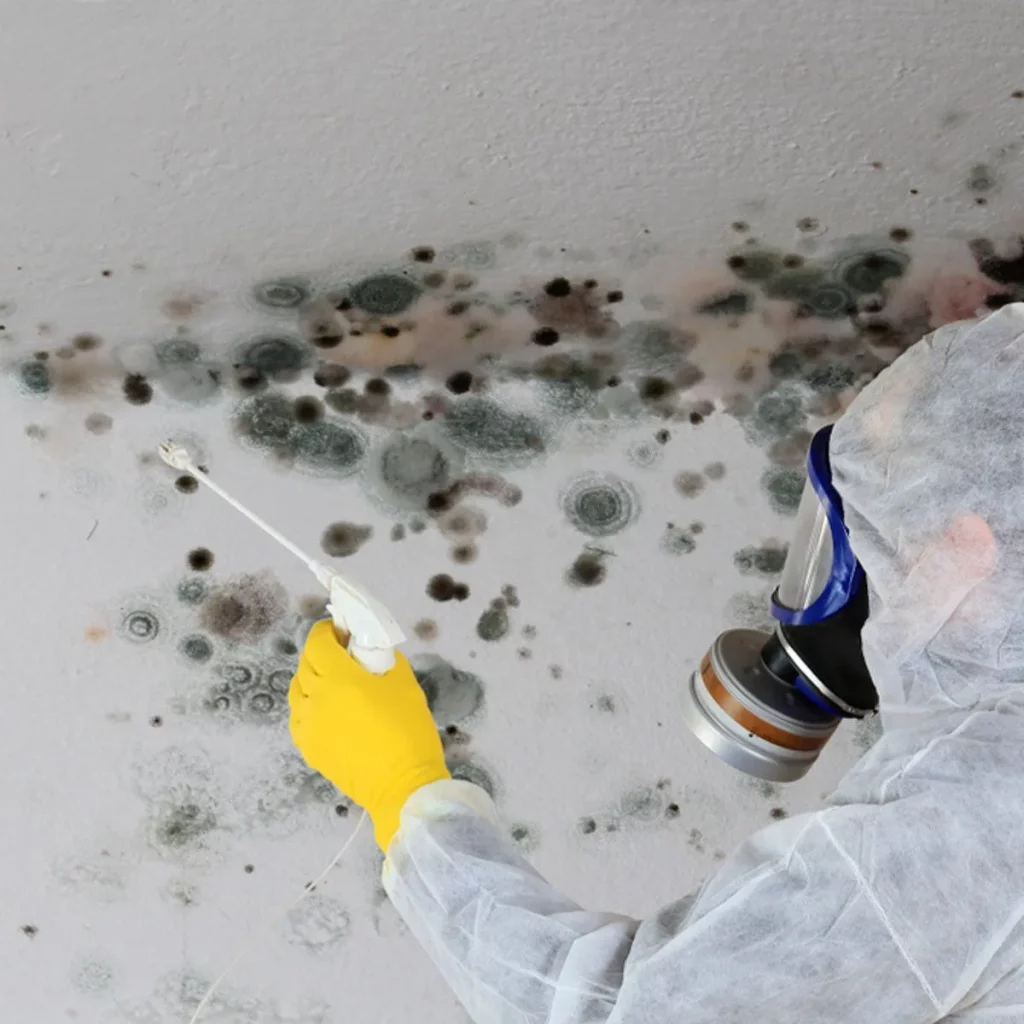
Indoor Air Quality: The Hidden Health Cost
The connection between crawl space conditions and indoor air quality is well established in building science. Research from the CDC’s National Institute for Occupational Safety and Health has found that people who spend time in damp buildings report health problems, including respiratory symptoms and infections, developing or worsening asthma, hypersensitivity pneumonitis, allergic rhinitis, and eczema.
When a crawl space harbors mold, the problem extends far beyond that confined area. Airborne mold spores travel through gaps in the subfloor, around plumbing penetrations, and through HVAC ductwork that may run through the crawl space. Once inside the living areas, these spores settle on surfaces and remain suspended in the air, creating continuous exposure for occupants.
According to the US Institute of Housing Research, dampness and mold in homes are associated with a 30% to 50% increase in rates of respiratory illnesses, with approximately 4.6 million asthma cases in the United States attributed to dampness and mold exposure.
Common health symptoms associated with crawl space mold contamination include:
- Persistent coughing and wheezing
- Nasal congestion and sinus irritation
- Eye redness and watering
- Unexplained skin rashes
- Worsening of seasonal allergies
- Fatigue and difficulty concentrating
- Frequent respiratory infections
Vented vs. Sealed Crawl Spaces: The Building Science Verdict
For decades, building codes required crawl space vents based on the assumption that outside air would dry out the space. Building science research has since proven that approach wrong, particularly in humid climates. Warm outdoor air holds more moisture than cooler crawl space air, and when that humid air enters the crawl space, condensation forms on surfaces, actually increasing moisture levels.
The Department of Energy’s Building America program found that in most climate zones, conditioned crawl spaces perform better than vented crawl spaces in terms of safety, health, comfort, durability, and energy consumption. Sealed crawl spaces with integrated whole-house systems cut space-conditioning energy use by 15% to 18% compared to vented crawl spaces.
Building Science Corporation research supports this, confirming that conditioned crawlspaces perform better than vented crawlspaces across every measurable category. The key differences between the two approaches are:
| Factor | Vented Crawl Space | Sealed Crawl Space |
|---|---|---|
| Humidity control | Poor in humid climates | Consistent, controlled |
| Mold risk | High | Low |
| Energy efficiency | Lower | 15% to 18% better |
| Pipe freezing risk | Higher in cold climates | Eliminated |
| Pest access | Open vents allow entry | Sealed perimeter blocks entry |
| Comfort | Cold floors in winter | Warmer floors year-round |
| Building code (2026) | Being phased out in many areas | Increasingly required |
Real-World Scenarios: When Crawl Space Mold Becomes a Crisis
We have seen the consequences of neglected crawl spaces across a wide range of home types and situations. Here are representative scenarios based on conditions our team encounters regularly:
| Scenario | Home Type | Problem | Solution | Outcome |
|---|---|---|---|---|
| Sagging Floors | 1970s ranch, vented crawl space | Extensive wood rot on floor joists from years of moisture | Joist sistering, encapsulation, dehumidifier | Floors stabilized, air quality improved |
| Persistent Allergies | Joist sistering, encapsulation, and dehumidifier | 1990s two-story, dirt-floor crawl space | Mold remediation, full encapsulation, and drainage system | Family reported allergy relief within weeks |
| High Energy Bills | 2000s home, poorly insulated crawl space | Open vents letting humid air in, HVAC working overtime | Encapsulation with R-10 wall insulation, sealed vents | 18% reduction in heating and cooling costs |
| Post-Flood Damage | Raised home near flood zone | Standing water after a storm, rapid mold colonization | Water extraction, antimicrobial treatment, encapsulation | Mold prevented from spreading, structure preserved |
| New Homeowner Discovery | 1960s cottage, never inspected crawl space | Multiple issues: mold, pest damage, failing insulation | Complete crawl space renovation, including a moisture barrier | Home value preserved, no further deterioration |
Factors That Affect Crawl Space Mold Growth
Several variables determine how quickly mold develops and how severe the damage becomes. Understanding these factors helps homeowners prioritize the right interventions.
Climate and humidity levels play the largest role. Homes in humid regions face a higher baseline moisture load, making encapsulation more critical. Even in drier climates, seasonal humidity spikes, groundwater movement, and plumbing leaks can create localized moisture problems.
Building age and construction methods matter significantly. Older homes with dirt floors, no vapor barriers, and foundation vents are far more susceptible than newer homes built with sealed crawl spaces. However, even newer homes can develop problems if the vapor barrier was improperly installed or if drainage systems are inadequate.
Ventilation design is another major factor. The stack effect means that a house acts like a chimney, drawing air from the crawl space upward. Homes with more penetrations between the crawl space and living area, such as unsealed plumbing chases, recessed lighting, and HVAC returns, experience faster mold spore migration.
Groundwater and drainage conditions around the foundation directly affect crawl space moisture. Poor grading, clogged gutters, and missing downspout extensions allow water to pool around the perimeter, seeping through foundation walls and evaporating into the crawl space.
Actionable Strategies for Preventing Crawl Space Mold
Addressing crawl space mold requires a systematic approach. Here are concrete steps homeowners and contractors should take:
1. Eliminate standing water and fix drainage. Before any encapsulation work begins, resolve any active water intrusion. Extend downspouts away from the foundation, grade soil so it slopes away from the house, and install a sump pump if necessary.
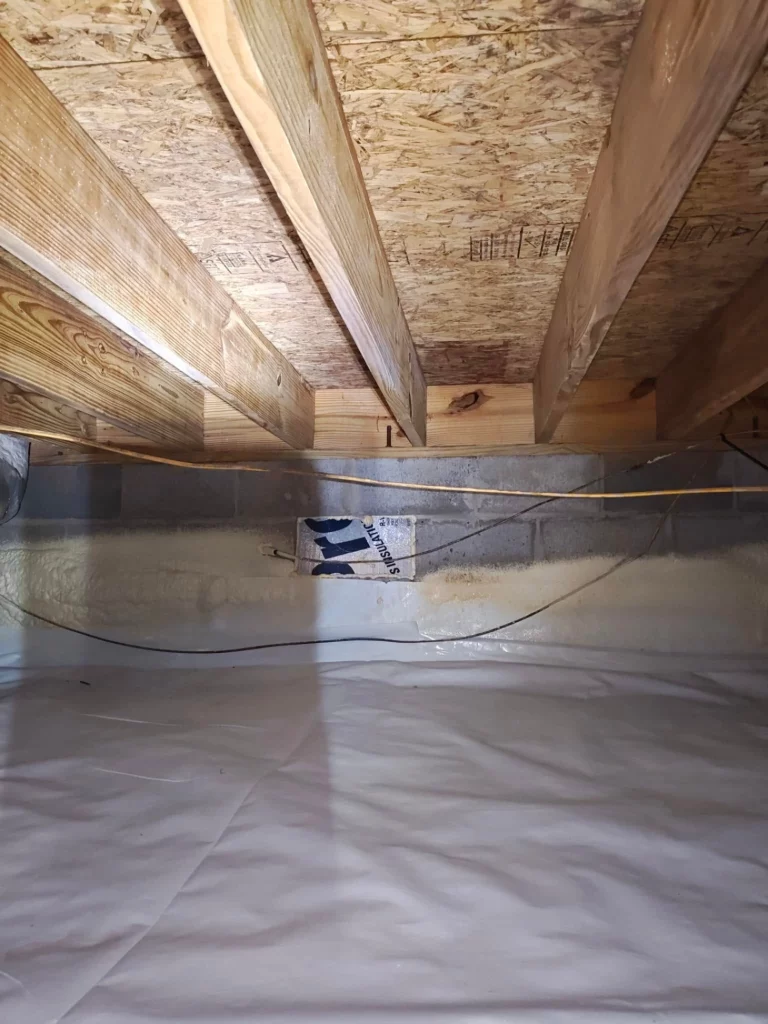
2. Install a reinforced vapor barrier. A 20-mil polyethylene liner covering the entire crawl space floor and running up the foundation walls creates a moisture barrier between the ground and the crawl space air. Seams must be sealed, and the barrier should be fastened to the walls.
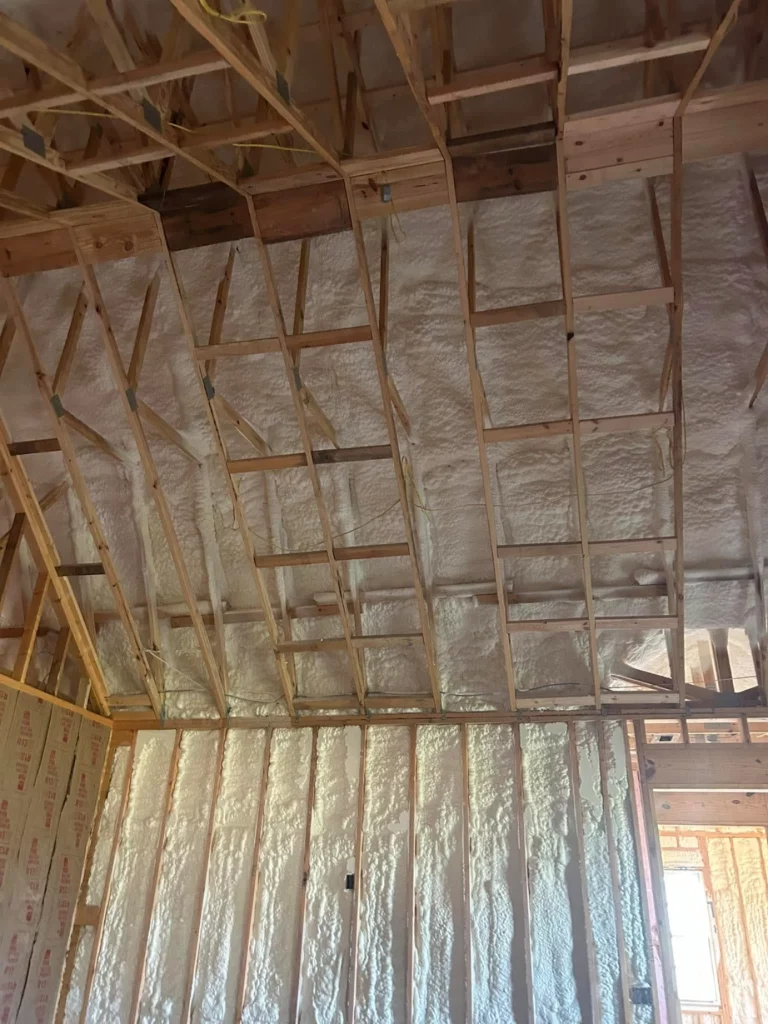
3. Seal foundation vents and air leaks. Closing off outside vents prevents humid air from entering. Seal all gaps around plumbing, electrical lines, and HVAC penetrations with foam or caulk to stop air movement between the crawl space and living areas.
4. Add insulation to foundation walls. Rigid foam insulation on the interior of foundation walls keeps the crawl space temperature more stable and prevents condensation. The recommended minimum is R-10 for most climate zones.
5. Install a dedicated dehumidifier. A crawl space-rated dehumidifier set to maintain relative humidity below 55% provides ongoing moisture control. Units with built-in drainage eliminate the need for manual emptying.
6. Schedule regular inspections. At a minimum, crawl spaces should be inspected once a year for signs of moisture, mold, pest activity, or damage to the vapor barrier. Catching problems early prevents costly repairs.
7. Address plumbing leaks immediately. Even small leaks in crawl space plumbing can create enough moisture for mold to colonize within days. Fix leaks as soon as they are discovered, and dry the affected area within 24 to 48 hours.
Why 2026 Makes This More Urgent Than Ever
Building codes across the country are shifting toward requiring sealed and conditioned crawl spaces. The 2021 International Residential Code already allows unvented crawl spaces under specific conditions, and adoption of these standards continues to accelerate. Insurance companies are also paying closer attention to crawl space conditions, and some carriers now require encapsulation as a condition of coverage in high-risk areas.
Homeowners who address crawl space mold now avoid the compounding costs of deferred maintenance. Every month of inaction allows mold to spread further, wood to decay more, and air quality to worsen. The difference between a $3,000 preventive encapsulation and a $20,000 structural repair is often just a matter of timing.
Get a Professional Crawl Space Assessment
At Premier Insulation, our team specializes in identifying crawl space moisture problems and providing lasting solutions that protect both your home and your health. Whether you are dealing with visible mold growth, musty odors, sagging floors, or simply want to be proactive, we deliver thorough assessments and proven remediation strategies tailored to your specific situation.
Call us at (229) 843-6767 or email premiereinsulationga@gmail.com to discuss your crawl space concerns.
We evaluate every detail, from drainage and vapor barriers to ventilation and insulation, so you get a clear picture of what is happening beneath your home and exactly what it takes to fix it.
Frequently Asked Questions
How quickly does mold grow in a crawl space?
Mold can begin colonizing damp organic materials within 24 to 48 hours of moisture exposure. Visible growth typically appears within 3 to 12 days under the right conditions of warmth and humidity.
Can crawl space mold affect my upstairs air quality?
Yes. The stack effect draws air from the crawl space up through floor penetrations and wall cavities, carrying mold spores and other biological contaminants directly into living spaces.
Is encapsulating a crawl space worth the investment?
Sealed crawl spaces reduce energy costs by 15% to 18%, prevent structural wood rot, and significantly improve indoor air quality, making encapsulation one of the most cost-effective home improvements available.
How much does crawl space mold remediation cost?
Costs vary based on the extent of contamination and structural damage, typically ranging from $500 for minor surface treatment to $15,000 or more for severe cases requiring wood replacement and full encapsulation.
Will a dehumidifier alone solve my crawl space mold problem?
A dehumidifier helps control humidity but works best as part of a complete system that includes a vapor barrier, sealed vents, proper drainage, and adequate insulation to address the root causes of moisture intrusion.
Sources
- Unvented Crawlspace Code Adoption – Building America / DOE – Department of Energy research demonstrating that conditioned crawl spaces outperform vented crawl spaces in safety, health, comfort, durability, and energy consumption, with 15-18% energy savings.
- Conditioned Crawlspace Construction, Performance, and Codes – Building Science Corporation – Building science field study confirming conditioned crawlspaces perform better than vented crawlspaces across all performance metrics.
- Health Problems – Mold – CDC NIOSH – CDC documentation of respiratory symptoms, asthma, hypersensitivity pneumonitis, and allergic responses linked to damp indoor environments and mold exposure.
- Crawl Spaces as Reservoirs for Transmission of Mold – PubMed – Published study confirming that crawl spaces act as reservoirs transmitting mold to livable spaces, with mold in damp buildings identified as an environmental risk factor for childhood respiratory illness.
- Housing and Health Survey Data – US Institute of Housing Research – Research establishing a 30% to 50% increase in respiratory illnesses and attributing 4.6 million US asthma cases to dampness and mold exposure.