
Drafts and uneven temperatures in a home almost always trace back to one of two things: inadequate insulation that allows heat to escape through walls, attics, and foundations, or air leaks that let outside air infiltrate conditioned spaces. The Department of Energy confirms that heat flows from warmer areas to cooler ones through conduction, convection, and radiation, and insulation works by resisting that heat flow. When insulation is missing, compressed, poorly installed, or interrupted by framing, you get cold spots, temperature swings between rooms, and drafty areas that no amount of thermostat adjusting can fix. The fix is not a bigger HVAC system. It is a tighter, better-insulated building envelope.
TLDR / Key Takeaways
- Drafts and cold spots are most commonly caused by insufficient insulation and unsealed air leaks, not an underpowered HVAC system
- R-value measures how well insulation resists heat flow; higher R-values mean better thermal performance, and requirements vary by climate zone
- Thermal bridging through wood studs, joists, and framing members can bypass up to 75% of a wall cavity’s rated insulation value
- Air sealing and insulation must work together; insulation without air sealing still allows convective heat loss through gaps, cracks, and penetrations
- Attic insulation is the single most impactful area to address, with the DOE recommending R-49 to R-60 for most U.S. climate zones
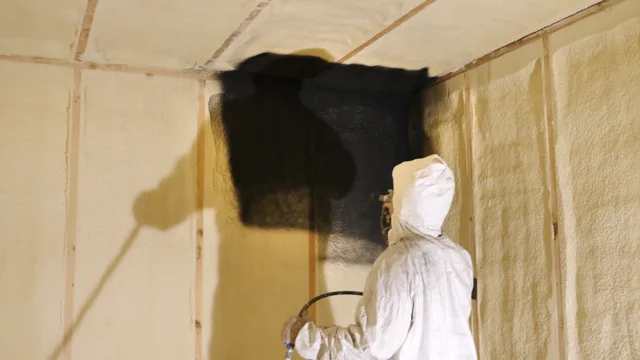
- Spray foam insulation provides both thermal resistance and an air barrier in one step, making it effective for eliminating drafts
- A professional home energy audit is the most reliable way to pinpoint exactly where insulation gaps and air leaks exist
How Insulation Works and Why It Matters for Comfort
Insulation provides resistance to heat flow, which directly affects how warm or cool your home stays without overworking your heating and cooling systems. According to the Department of Energy, heat moves through buildings by three mechanisms: conduction through solid materials, convection through air circulation, and radiation in straight lines from warm surfaces. Most insulation materials slow conductive and convective heat flow, and the effectiveness of any insulation material is rated by its R-value.
R-value depends on the insulation type, its thickness, and its density. A higher R-value means greater resistance to heat transfer. However, the overall thermal performance of a wall or ceiling assembly depends on more than just the insulation’s rated R-value. Heat flows more readily through studs, joists, and other structural framing than through the insulation between them, a phenomenon known as thermal bridging. This means a wall labeled R-13 in its cavity might perform at a much lower effective R-value once framing is factored in, which is why complete insulation systems are essential for achieving true energy efficiency.
When insulation is properly specified and installed throughout the building envelope, from the roof down to the foundation, indoor temperatures stay consistent from room to room, and the HVAC system does not have to compensate for constant heat loss or gain.
Common Causes of Drafts and Uneven Temperatures
Inadequate or Missing Insulation
Older homes were often built with little to no wall insulation, and even homes built in recent decades may have attic insulation levels well below current recommendations. The DOE’s Insulate Your Home guide notes that attics and garages are especially susceptible to heat transfer, and upgrading insulation in these areas can pay for itself within a few years through energy savings alone.
If your home was built before modern energy codes, the walls may have empty cavities or only a few inches of insulation. In unfinished attic spaces, if the existing insulation depth is less than the equivalent of R-30, which is roughly 10 to 13 inches of fiberglass batt, adding more insulation is one of the most cost-effective improvements you can make.
Air Leaks and Missing Air Sealing
Insulation alone does not stop drafts. Air leaks around windows, doors, electrical outlets, plumbing penetrations, recessed lights, and attic hatches allow conditioned air to escape and outside air to enter. The DOE recommends caulking and weatherstripping as two simple techniques for sealing these gaps. When air sealing is skipped during insulation installation, convective air movement through wall cavities and attic spaces dramatically reduces the insulation’s effective performance, which is why insulation and air sealing solutions are critical for maximizing energy efficiency.
Thermal Bridging Through Framing
Wood framing, while less conductive than metal, still transfers heat far more readily than the insulation it surrounds. The Building Science Corporation has documented that thermal bridges through standard framing can bypass a significant portion of a wall cavity’s insulation value. This creates cold streaks along exterior walls, particularly near corners and window headers, where framing density is highest. Continuous insulation applied to the exterior of wall assemblies reduces this bridging effect and brings the overall wall performance much closer to the cavity insulation’s rated R-value.
Settled or Compressed Insulation
Fiberglass and cellulose insulation can settle over time, especially in wall cavities and attic floors, leaving gaps at the top of cavities where heat loss is greatest. Compressed insulation, whether from storage, foot traffic, or improper installation, loses a substantial portion of its R-value because its trapped air pockets, which provide the actual insulating effect, are eliminated.
Insulation Types and Their Performance Against Drafts
Different insulation materials perform differently when it comes to stopping drafts and maintaining even temperatures. The table below compares common insulation types across the factors that matter most for comfort and draft control.
| Insulation Type | R-Value per Inch | Air Barrier | Moisture Barrier | Best Application |
|---|---|---|---|---|
| Fiberglass Batts | 2.9 – 3.8 | No | No | Open wall cavities, attics, and basements |
| Blown-in Cellulose | 3.1 – 3.8 | Partial (dense pack) | No | Enclosed wall cavities, attics |
| Mineral Wool | 3.3 – 4.2 | No | No | Walls, attics, fire-rated assemblies |
| Open-Cell Spray Foam | 3.5 – 3.7 | Yes | No | Wall cavities, cathedral ceilings |
| Closed-Cell Spray Foam | 6.0 – 7.0 | Yes | Yes | Walls, crawlspaces, rim joists |
| Rigid Foam Board (XPS) | 5.0 | No | Varies | Continuous exterior insulation, foundations |
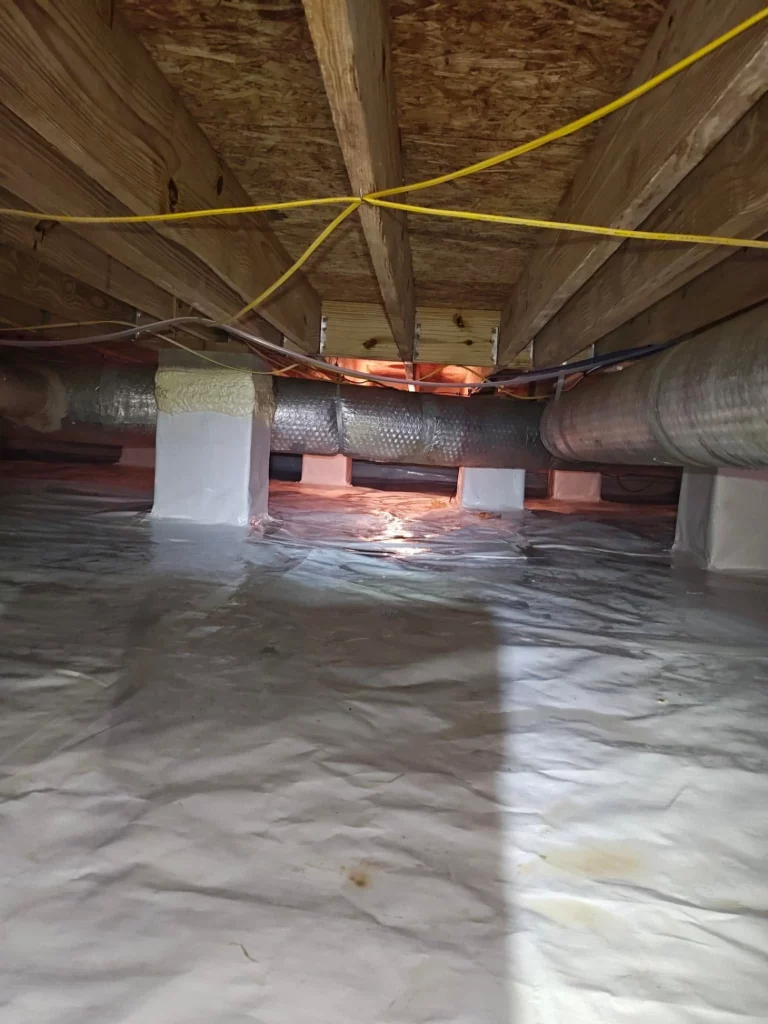
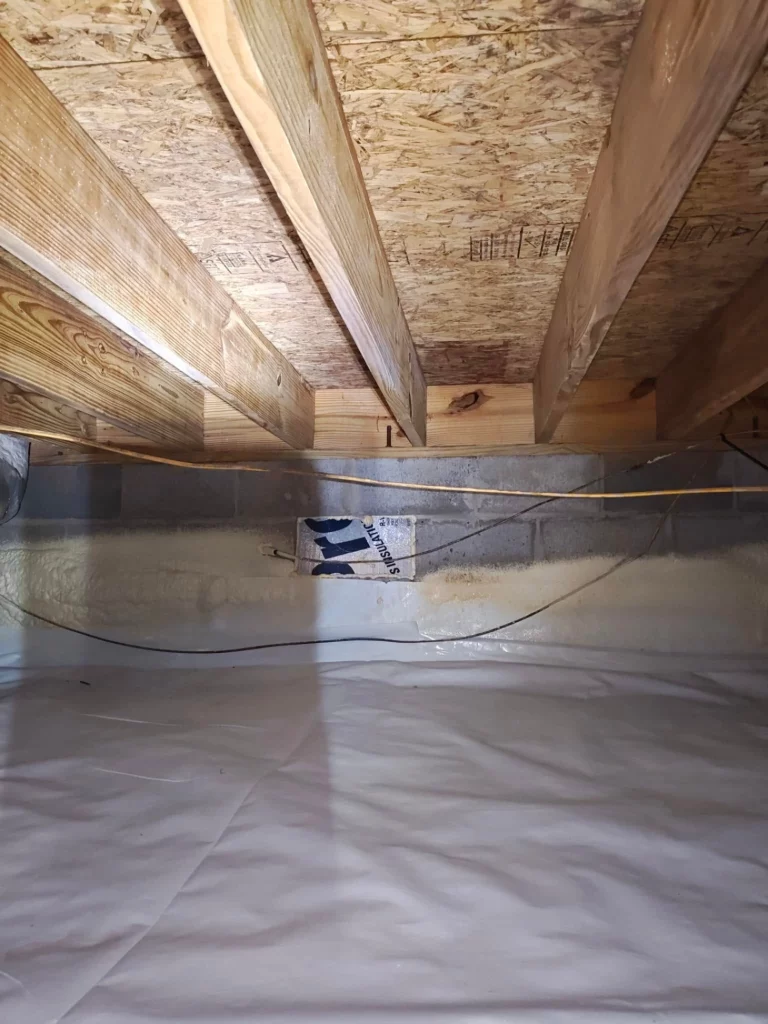
Spray foam insulation stands out for draft-prone homes because it expands to fill gaps and cracks while simultaneously creating an air barrier. Closed-cell spray foam offers the highest R-value per inch and also acts as a vapor barrier, making it a strong choice for basements, crawlspaces, and rim joist areas where moisture control is a concern.
R-Value Recommendations by Climate Zone
According to ENERGY STAR’s recommended insulation R-values, the level of insulation your home needs depends on your climate zone. These recommendations are based on the 2021 International Energy Conservation Code.
| Climate Zone | Attic (Uninsulated) | Attic (3-4 Inches Existing) | Floor Over Unconditioned Space |
|---|---|---|---|
| Zone 1 (Hot) | R30 – R49 | R25 | R13 |
| Zone 2 (Warm) | R49 – R60 | R38 | R13 |
| Zone 3 (Mixed) | R49 – R60 | R38 | R19 |
| Zone 4 (Mixed/Cold) | R60 | R49 | R19 – R30 |
| Zones 5-6 (Cold) | R60 | R49 | R30 – R38 |
| Zones 7-8 (Very Cold) | R60 | R49 | R38 |
Most of the southeastern United States falls into Zone 2 or 3, where attics should reach at least R-49 for optimal comfort and energy efficiency. If your attic currently has 3 to 4 inches of older insulation, you likely need to add R-38 or more to meet these standards.
Where Insulation Gaps Cause the Most Problems
The DOE’s guide on where to insulate identifies multiple priority areas where missing or insufficient insulation directly causes drafts and temperature imbalances.
Attics and cathedral ceilings are the number one priority. Heat rises, and an under-insulated attic allows heated air to escape rapidly in winter. Unfinished attic spaces should have insulation between and over floor joists to seal off living spaces below. Cathedral ceilings need adequate insulation and ventilation between the roof deck and ceiling to maintain even temperature distribution.
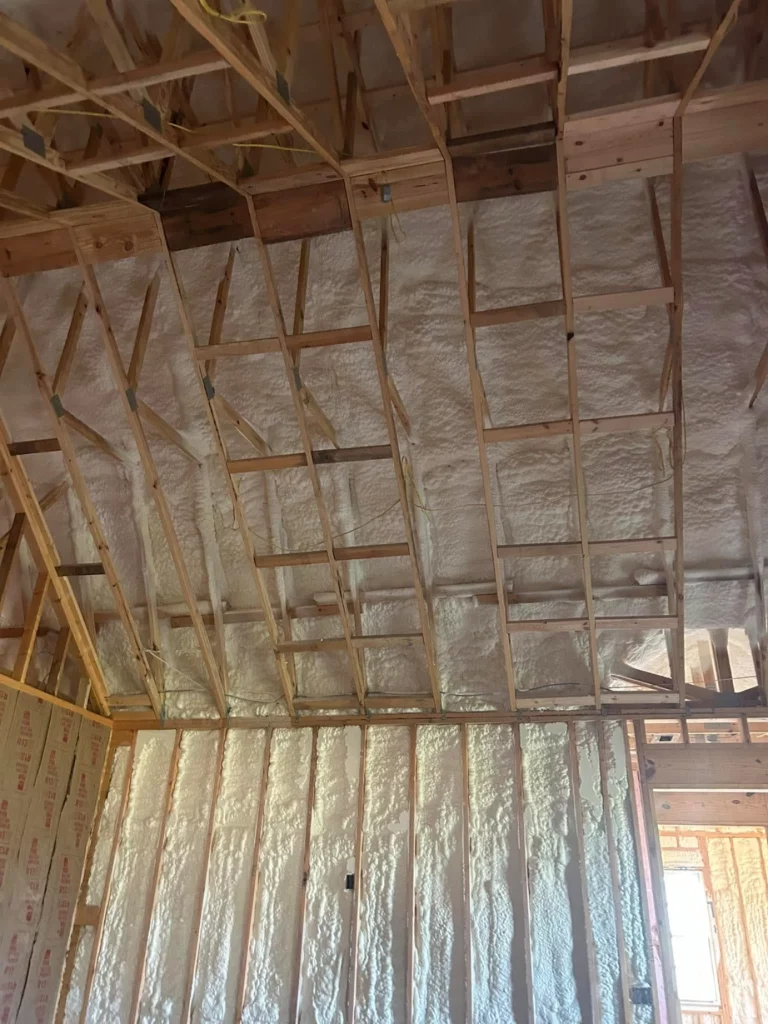
Exterior walls are the second priority. If your attic is well-insulated and air-sealed but your home still feels drafty, the walls are likely the weak point. Blow-in insulation using the dense pack technique can be added to enclosed wall cavities with minimal disruption. For new construction or major renovations, spray foam or continuous exterior insulation provides superior results by reducing thermal bridging through studs.
Basements and crawlspaces are often overlooked but can be major sources of cold air infiltration. Unsealed foundation penetrations, uninsulated rim joists, and vented crawlspaces allow cold air to enter and create cold floors above. Sealing and insulating crawlspace foundation walls rather than the floor above is now considered best practice in most climates.
Knee walls, which are short in finished attic spaces with attic areas directly behind them, are notorious for creating drafts because they are often insulated on the wrong side or not at all. Insulating both the knee wall and the attic side behind it prevents conditioned air from leaking into unconditioned attic spaces.
Real-World Scenarios: How Insulation Fixes Drafts and Cold Spots
| Scenario | Home Type | Problem | Solution | Outcome |
|---|---|---|---|---|
| 1970s Ranch | Single-story, 1,800 sq ft | The temperature difference between rooms was reduced to 1-2 degrees, and heating costs dropped 25% | Added R-49 blown-in attic insulation and sealed around recessed lights, duct boots, and plumbing penetrations | The room above the garage is consistently 10 degrees colder than rest of house |
| New Construction | Two-story, 2,400 sq ft | Noticeable drafts at electrical outlets on exterior walls, cold corners in bedrooms | Added R-30 rigid foam and batt insulation to the garage ceiling, sealed all air leaks between the garage and the living space | Drafts eliminated, homeowner reported consistent temperatures on both floors |
| 1990s Home with Attached Garage | 2,200 sq ft | Builder had left gaps in fiberglass batts; dense-pack cellulose was injected into wall cavities, and all penetrations were sealed | The great room feels drafty and cold in winter despite new HVAC system | Room above garage became usable year-round, heating bills decreased noticeably |
| Crawlspace with Cold Floors | 1,600 sq ft, pier and beam | Cold tile floors throughout winter, noticeable drafts from floor registers | Sealed crawlspace vents, installed 6 inches of closed-cell spray foam on crawlspace walls and rim joist, added a vapor barrier to the ground | Floor temperatures increased by 12 degrees, and drafts from below were eliminated |
| Cathedral Ceiling Home | 2,000 sq ft with vaulted great room | The great room feels drafty and cold in winter despite the new HVAC system | Existing R-19 batts were compressed; 2 inches of closed-cell spray foam was added to the roof deck interior, then covered with drywall | Drafts stopped, great room maintains temperature within 1 degree of thermostat setting |
Actionable Strategies to Eliminate Drafts and Balance Temperatures
1. Get a Professional Home Energy Audit
A home energy audit identifies exactly where your home is losing energy and where insulation is insufficient. A professional auditor uses tools like a blower door test and thermal imaging camera to locate air leaks and missing insulation that you cannot see with the naked eye.
2. Prioritize Air Sealing Before Adding Insulation
Air sealing should always come first. Seal gaps around recessed lights, plumbing vents, electrical wire penetrations, attic hatches, and ductwork before adding any new insulation. If you insulate over air leaks, the insulation simply filters the air but does not stop it from moving through your building envelope.
3. Address the Attic First
The attic is almost always the most cost-effective place to start. Most homes lose significant amounts of heated air through the ceiling into the attic. Bringing your attic insulation up to the recommended R-value for your climate zone, combined with thorough air sealing, often produces the single biggest improvement in home comfort.
4. Evaluate Wall Insulation
If your home’s exterior walls feel cold to the touch during winter or you notice consistent temperature differences between rooms, your wall insulation may be missing, settled, or inadequate. Blow-in insulation can be installed through small holes drilled in the exterior or interior, depending on your siding and finish preferences.
5. Insulate Rim Joists and Band Joists
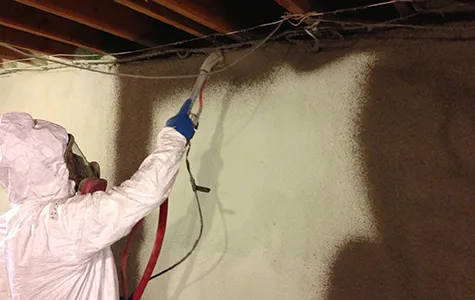
The rim joist area, where the floor framing meets the foundation, is one of the most leaky areas in any home. Spray foam insulation applied to rim joists provides both thermal resistance and an air seal, eliminating a major source of drafts and cold floors.
6. Check for Thermal Bridging
If you are planning new construction or a major renovation, specify continuous exterior insulation such as foam sheathing instead of traditional wood sheathing. This breaks the thermal bridge through studs and brings your wall assembly much closer to its rated R-value.
Factors That Affect Insulation Performance
Several variables influence how well your insulation actually performs in practice, beyond what its rated R-value suggests.
- Installation quality: Compressed, gaps, or misaligned insulation can reduce effective R-value by 30% or more. Proper installation is as important as the material itself.
- Moisture accumulation: Wet insulation loses thermal resistance and can promote mold growth. Proper vapor barriers and moisture control are essential, especially in basements and crawlspaces.
- Climate zone: Insulation needs vary significantly by region. What works in a mild climate will be insufficient in a cold one.
- Building age and construction type: Older homes with balloon framing or no insulation in wall cavities present different challenges than modern homes with standard framing.
- HVAC ductwork location: Ducts running through unconditioned attics or crawlspaces lose significant conditioned air. Insulating and sealing ducts, or relocating them into conditioned space, has a major impact on comfort.
- Ventilation balance: A home that is too tight without proper ventilation can develop moisture and air quality problems. Balanced ventilation should always accompany comprehensive air sealing work.
Stop Guessing and Start Fixing the Problem
If you are dealing with persistent drafts, rooms that never seem to reach the temperature on your thermostat, or energy bills that keep climbing, the root cause is almost always your insulation and air sealing, not your HVAC system. Our team at Premier Insulation has the training and experience to evaluate your home’s building envelope, identify exactly where heat is escaping and air is infiltrating, and recommend the right insulation solutions for your specific situation. Whether you need attic insulation, wall insulation, crawlspace encapsulation, or a comprehensive whole-home approach, we can help.
Call us at (229) 843-6767 or email premiereinsulationga@gmail.com to get started. A more comfortable home is closer than you think.
Frequently Asked Questions
How can I tell if my home has insufficient insulation?
A: Look for cold walls and floors in winter, high energy bills, uneven temperatures between rooms, and visible gaps or settling in attic insulation. A professional energy audit with thermal imaging provides the most accurate diagnosis.
Can adding insulation really fix drafty rooms?
A: Yes, especially when insulation upgrades are paired with air sealing. Most drafts are caused by air leaks through gaps in the building envelope combined with inadequate thermal resistance in walls, attics, or crawlspaces.
Is spray foam insulation better than fiberglass for stopping drafts?
A: Spray foam is superior for draft control because it expands to fill gaps and creates an air barrier. Fiberglass batts can leave small voids that allow air movement unless paired with separate air sealing work.
Why is one room in my house always colder than the others?
A: The cold room is likely located above an unconditioned space, like a garage, that has exterior walls with missing or settled insulation or has ductwork leaks that reduce heated air delivery to that zone.
How much insulation do I need in my attic?
A: According to ENERGY STAR’s recommended insulation R-values,, most U.S. climate zones recommend R-49 to R-60 for uninsulated attics. In climate zones 2 and 3, which cover much of the Southeast, R-49 is the recommended minimum for an uninsulated attic.
Sources
- Department of Energy – Insulation – Comprehensive overview of how insulation works, R-values, and the science of heat flow through building assemblies, including conduction, convection, and radiation.
- ENERGY STAR – Recommended Home Insulation R-Values – Climate zone-based R-value recommendations for attics, walls, floors, and basements based on the 2021 IECC.
- Department of Energy – Where to Insulate in a Home – Detailed guidance on priority insulation locations, including attics, walls, crawlspaces, basements, and rim joists, with installation best practices.
- Department of Energy – Insulate Your Home and Your Bank Account – Practical overview of common insulation problems, air sealing techniques, and available tax credits for energy efficiency improvements.
- Building Science Corporation – BSI-005: A Bridge Too Far – Research on thermal bridging through framing and its impact on effective wall R-value and building performance.