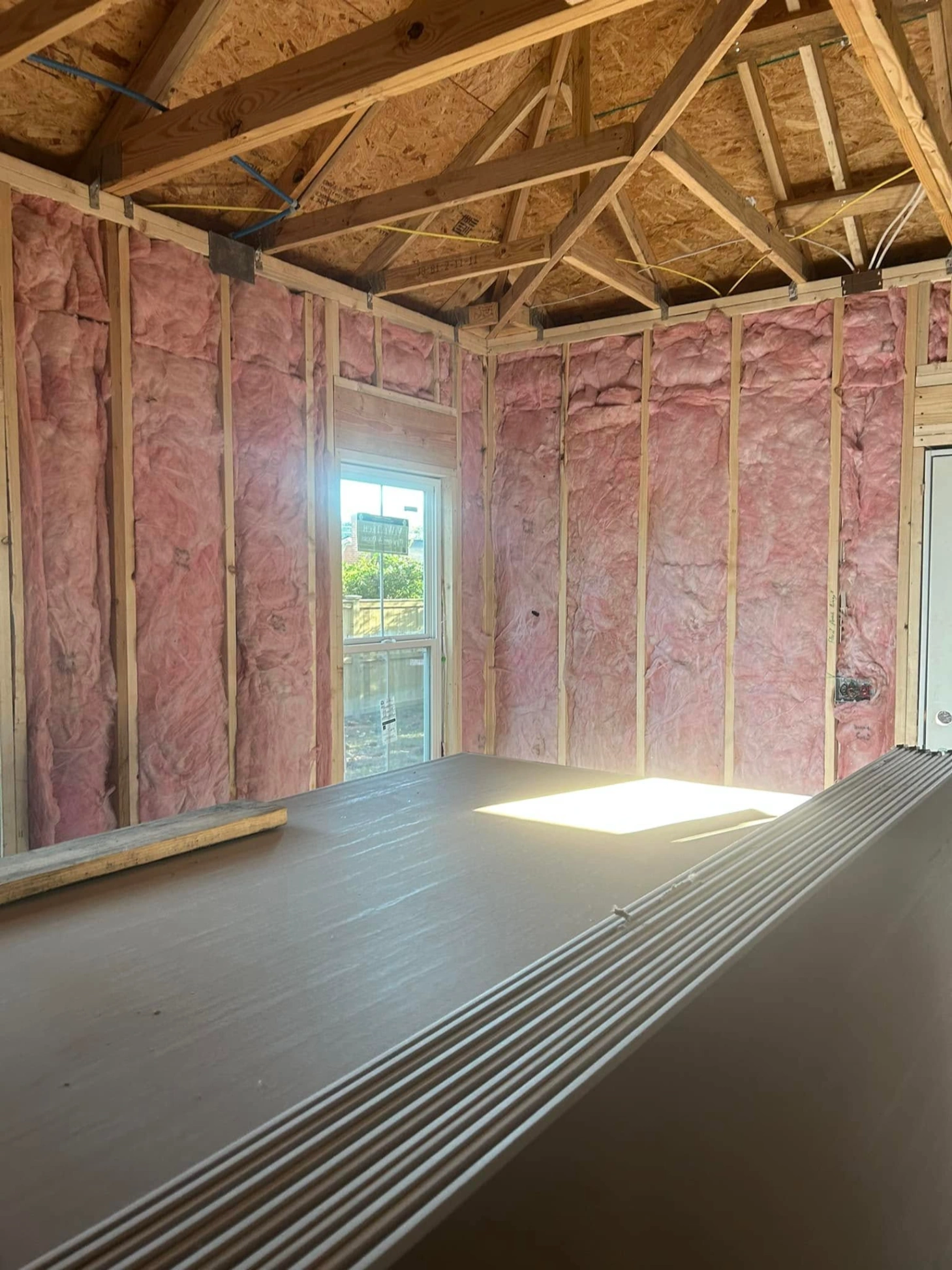
The right insulation for your Thomasville home depends on several factors, including the age of your property, which areas need upgrading, and your long-term comfort goals. Thomasville sits in a humid subtropical climate with hot summers and mild winters, which means your home has to work hard in both directions, keeping heat out during long summer months and retaining warmth during cooler winter stretches. The insulation strategy that delivers lasting comfort and real energy savings will combine the correct R-values for Climate Zone 3 with the right material for each area of your home, plus proper air sealing to close gaps where conditioned air escapes. No single insulation product does everything, and the most effective approach matches the material to the specific application.
TLDR: Key Takeaways
- Thomasville falls within IECC Climate Zone 3, requiring attic insulation rated between R-49 and R-60 for optimal performance, according to DOE guidelines
- ENERGY STAR reports that air sealing combined with adding insulation can save homeowners an average of 15% on heating and cooling costs
- Nine out of ten homes in the United States are under-insulated, meaning most Thomasville properties are likely losing energy through attics, walls, and crawl spaces
- The Georgia energy code requires a minimum of R-30 for ceiling insulation in Climate Zones 2 and 3, with R-13 for walls, but exceeding these minimums delivers noticeably better comfort
- Blown-in cellulose, fiberglass, and spray foam each serve different purposes, and the most effective approach often combines materials across different home areas
- Air sealing is not optional; it is the necessary first step that determines how well any insulation performs once installed
Understanding Thomasville’s Climate and Insulation Needs
Thomasville experiences long, hot, and humid summers with temperatures regularly reaching the low 90s, and short, mild winters where lows average around 43 degrees. Annual rainfall approaches 49 inches, and humidity remains a persistent factor through much of the year. This climate profile means your insulation must manage both conductive heat transfer and moisture control. The Department of Energy classifies this region within Climate Zone 3, which establishes specific R-value targets for each part of the building envelope.
Meeting those targets matters because heat flows from warmer to cooler areas until there is no temperature difference. In summer, heat pushes from the exterior into your conditioned living spaces. In winter, the reverse occurs. Home insulation slows that transfer by providing thermal resistance, measured in R-value. The higher the R-value, the better the insulation resists heat flow.
Georgia’s energy code sets baseline requirements, but those minimums represent the floor, not the target for long-term comfort. According to the Georgia Department of Community Affairs energy code fact sheet, ceiling insulation in Climate Zones 2 and 3 must meet at least R-30, and wall insulation must meet R-13. However, DOE recommendations for Climate Zone 3 suggest going significantly higher, with attics performing best at R-49 to R-60 and uninsulated wood-frame walls reaching R-20 or a combination of R-13 cavity fill with R-5 continuous insulation.
Insulation Material Comparison for Climate Zone 3 Homes
Different insulation materials offer distinct strengths, and the best choice depends on where the insulation is being installed and what the existing conditions are. The DOE’s guide to insulation materials provides a clear breakdown of the properties that matter most for residential applications.
| Insulation Type | R-Value Per Inch | Best Application | Long-Term Durability | Moisture Resistance |
|---|---|---|---|---|
| Blown-in Cellulose | R-3.4 to R-3.8 | Attics, enclosed wall cavities, hard-to-reach areas | Can settle over time; dense-pack reduces settling | Treated with borate for fire and moisture resistance |
| Fiberglass Batts/Rolls | R-2.9 to R-3.8 | Open wall cavities during construction, attics, floors | Maintains R-value when installed correctly and undisturbed | Loses effectiveness when wet; does not absorb much water |
| Fiberglass Loose-Fill | R-2.2 to R-2.7 | Attics, existing wall cavities via blowing | Minimal settling | Similar to batts; susceptible to moisture |
| Mineral Wool | R-3.3 to R-4.2 | Walls, attics, fire-rated assemblies | Does not settle; resistant to degradation | Noncombustible; clumps when wet but regains effectiveness when dried |
| Open-Cell Spray Foam | R-3.6 to R-3.9 | Wall cavities, attic floors, sound control | Stable R-value; no thermal drift | Permeable to moisture vapor |
| Closed-Cell Spray Foam | R-5.0 to R-6.5 | Exterior walls, crawl spaces, rim joists | R-value may drop slightly then stabilizes | Acts as a moisture barrier; non-porous |
Which Areas to Prioritize for Maximum Impact
Not all insulation upgrades deliver equal returns. Focusing on the areas with the highest potential for heat loss and gain gives you the most noticeable improvement in comfort and energy bills.
Open-Cell Spray Foam Insulation
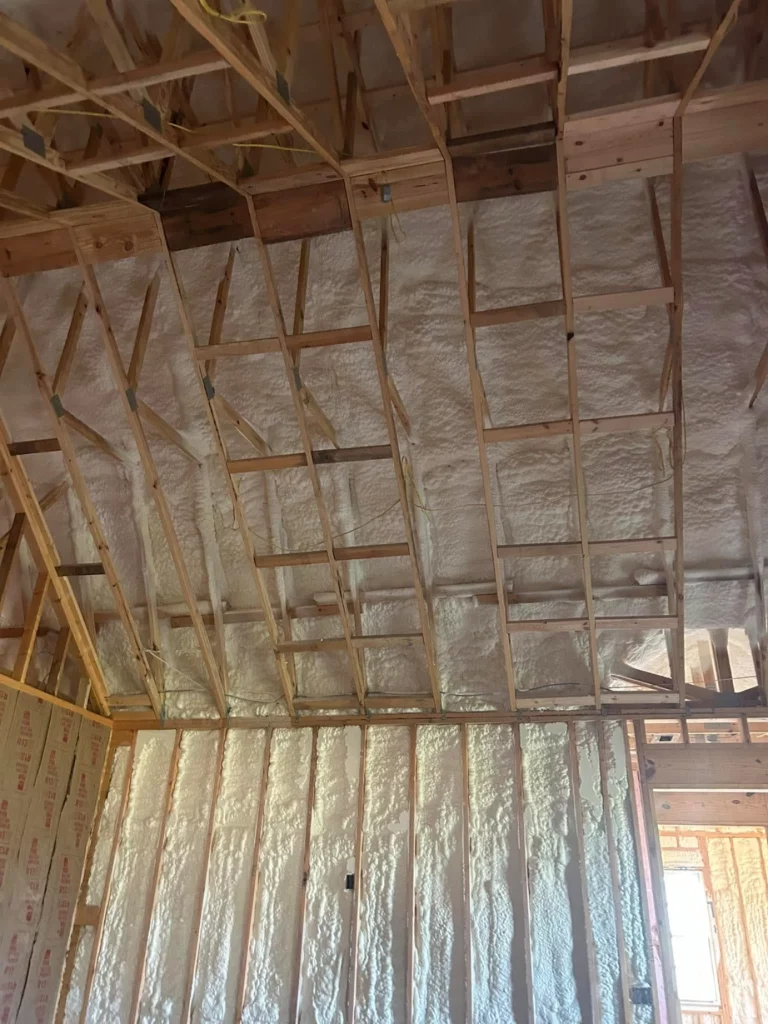
Open-cell spray foam expands to fill gaps and cracks, sealing air leaks with an R-value of about 3.5 to 3.8 per inch. Its porous structure allows moisture vapor to pass through, making it a great fit for walls, attics, and spaces where sound control is a priority.
Closed-Cell Spray Foam Insulation
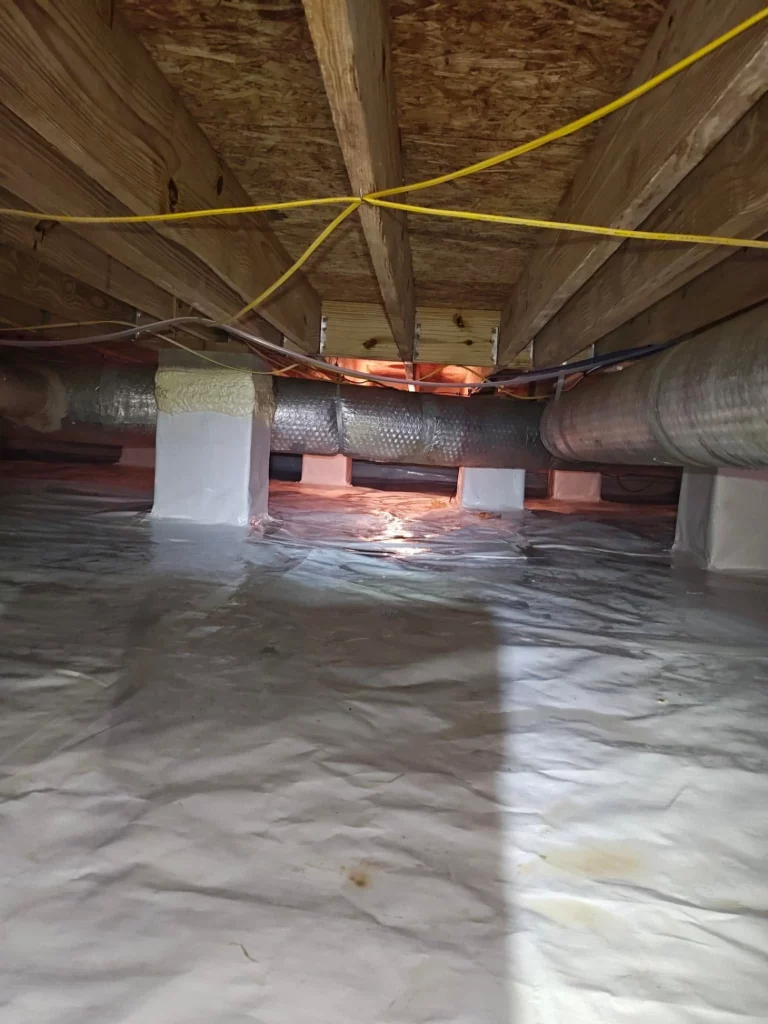
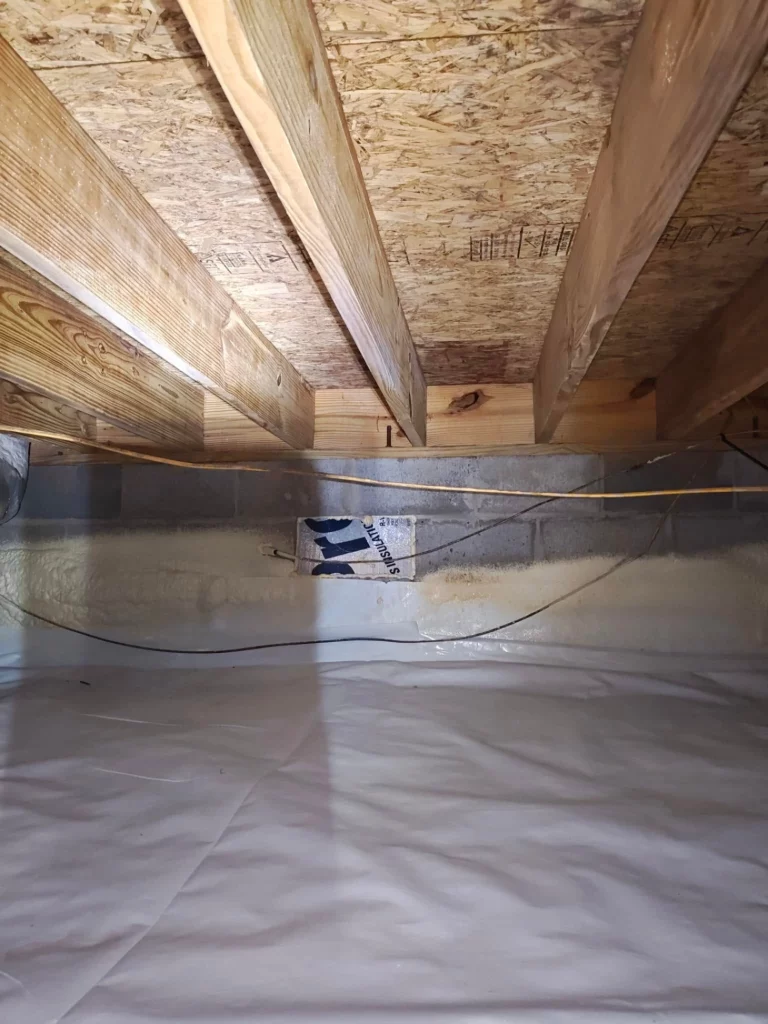
Closed-cell spray foam delivers a higher R-value of 5.0 to 7.0 per inch while doubling as a vapor barrier and adding structural strength to the assembly. It’s ideal for basements, crawl spaces, rim joists, and any area where moisture resistance and space constraints are a concern.
Blown-In Cellulose Insulation
Made from 75 to 85 percent recycled newspaper, blown-in cellulose achieves an R-value of about 3.5 to 3.8 per inch and fills cavities more completely than fiberglass. It’s one of the most affordable options for whole-home retrofits, attic upgrades, and existing wall insulation.
The Role of Air Sealing in Long-Term Performance
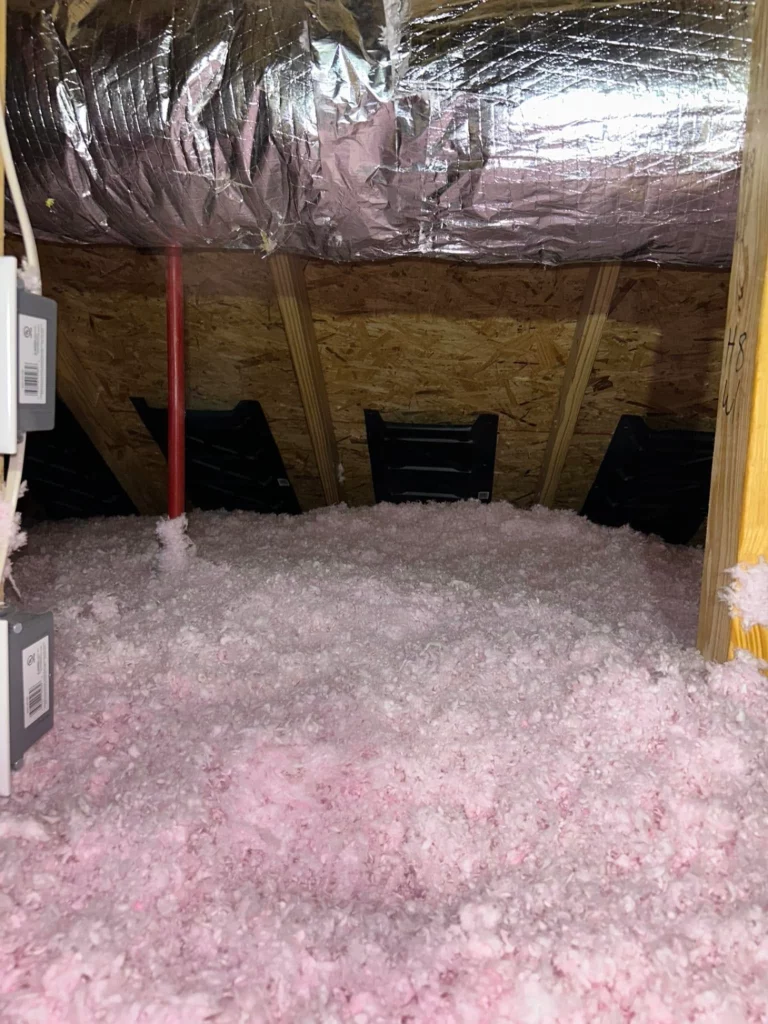
Insulation without air sealing is like wearing a winter coat with the front unzipped. ENERGY STAR notes that the cumulative effect of all the gaps, holes, and air leaks in a typical home is equivalent to leaving a window open year-round. Air sealing addresses the convection pathway, closing the routes where conditioned air escapes and unconditioned air infiltrates.
Common air leakage sites include recessed lighting fixtures, attic hatches, plumbing and electrical penetrations, around window and door frames, and at the junction between walls and attics or crawl spaces. Sealing these leaks before adding insulation ensures that the insulation can perform at its rated R-value. Without proper air sealing, air movement through and around insulation strips away much of its effectiveness.
Common Mistakes That Reduce Insulation Effectiveness
Even with the right materials and R-values, professional insulation installation determines real-world performance. The Georgia energy code field study found that only 19% of ceiling insulation installations and 14% of wall insulation installations met quality standards, meaning the majority of homes had insulation that was compressed, gapped, misaligned, or suffering from wind intrusion.
Key installation failures include:
- Compression: Insulation squeezed into cavities loses R-value proportionally
- Gaps and voids: Unfilled spaces create direct paths for heat transfer
- Misalignment: Insulation that does not contact the air barrier on all sides allows convective loops
- Missing air sealing: Insulation installed over unsealed penetrations does not stop air movement
These failures are not visible once drywall or siding is in place, which is why working with experienced professionals who follow manufacturer installation guidelines matters for long-term results.
Recommendations by Home Type
| Home Type | Recommended Priority Areas | Suggested Insulation Materials | Key Considerations |
|---|---|---|---|
| Older homes (pre-1980) | Attic, walls, crawl space | Blown-in cellulose for attic and walls; rigid foam for crawl space | Likely has no wall insulation; air sealing is essential before adding material |
| Homes built 1980-2000 | Attic upgrade, rim joists, duct sealing | Blown-in fiberglass or cellulose in attic; spray foam in rim joists | May have some wall insulation but likely under current code minimums |
| New construction | Full envelope including continuous insulation | Combination of fiberglass batts in walls, blown-in attic, spray foam for air sealing | Opportunity to exceed code minimums and build for long-term efficiency |
| Homes with vaulted ceilings | Roof/rafter insulation, air sealing | Closed-cell spray foam between rafters or rigid foam with air gap | Limited cavity depth makes high R-value-per-inch materials necessary |
Signs You Have Found the Right Insulation Partner
Choosing the right contractor is as important as choosing the right material. Look for professionals who begin with a thorough home assessment rather than quoting a price over the phone. A strong insulation partner will explain which areas of your home need attention and why, walk you through material options with honest trade-off discussions, and provide clear documentation of the R-values being installed. They should also address air sealing as part of the conversation, not treat it as an afterthought. Quality communication, transparent pricing, and a willingness to answer questions about installation methods and building code compliance are all indicators that you are working with a team focused on lasting results rather than a quick job.
Get Your Thomasville Home Insulation Assessment
Premier Insulation has been helping homeowners across Thomasville, GA improve comfort and reduce energy waste with professionally installed insulation solutions tailored to our local climate. Our team evaluates every area of your home, identifies where you are losing the most energy, and recommends the right combination of materials and air sealing to deliver lasting results.
Call us at (229) 554-3939 or email premiereinsulationga@gmail.com to get started. The right insulation investment pays for itself in comfort, lower energy bills, and a home that performs the way it should in every season.
Frequently Asked Questions
How do I know if my Thomasville home needs more insulation?
A: If your energy bills are higher than expected, certain rooms feel drafty or uneven in temperature, or your home was built before modern energy codes, an insulation assessment can identify exactly where upgrades will help the most.
What R-value should my attic insulation reach in Thomasville?
A: The Department of Energy recommends R-49 to R-60 for uninsulated attics in Climate Zone 3, which covers Thomasville and much of southern Georgia.
Is air sealing really necessary before adding insulation?
A: Air sealing is a necessary first step because gaps and leaks allow conditioned air to bypass insulation entirely, reducing its effectiveness regardless of the R-value installed.
Does insulation also help with humidity control?
A: Insulation itself does not remove humidity, but proper insulation combined with air sealing and moisture barriers helps prevent condensation and keeps humid outdoor air from infiltrating living spaces.
How long does residential insulation typically last?
A: Most insulation materials, including fiberglass and mineral wool, maintain their thermal performance for the life of the building when properly installed and protected from moisture damage.
Sources
- Department of Energy – Insulation – Comprehensive guide to R-value recommendations by climate zone, how insulation works, and where to insulate in residential buildings.
- ENERGY STAR – Seal and Insulate – Program guidance on air sealing and insulation projects, including priority areas and expected savings of up to 10% on annual energy bills.
- ENERGY STAR – Why Seal and Insulate – EPA estimates that homeowners can save an average of 15% on heating and cooling costs through proper air sealing and insulation.
- Georgia DCA – Energy Code Fact Sheet – Georgia-specific insulation code requirements for Climate Zones 2, 3, and 4, including ceiling and wall R-value minimums and field study compliance data.
- Department of Energy – Insulation Materials – Detailed breakdown of insulation material types including fiberglass, cellulose, mineral wool, spray foam, and rigid foam boards with R-values and installation considerations.