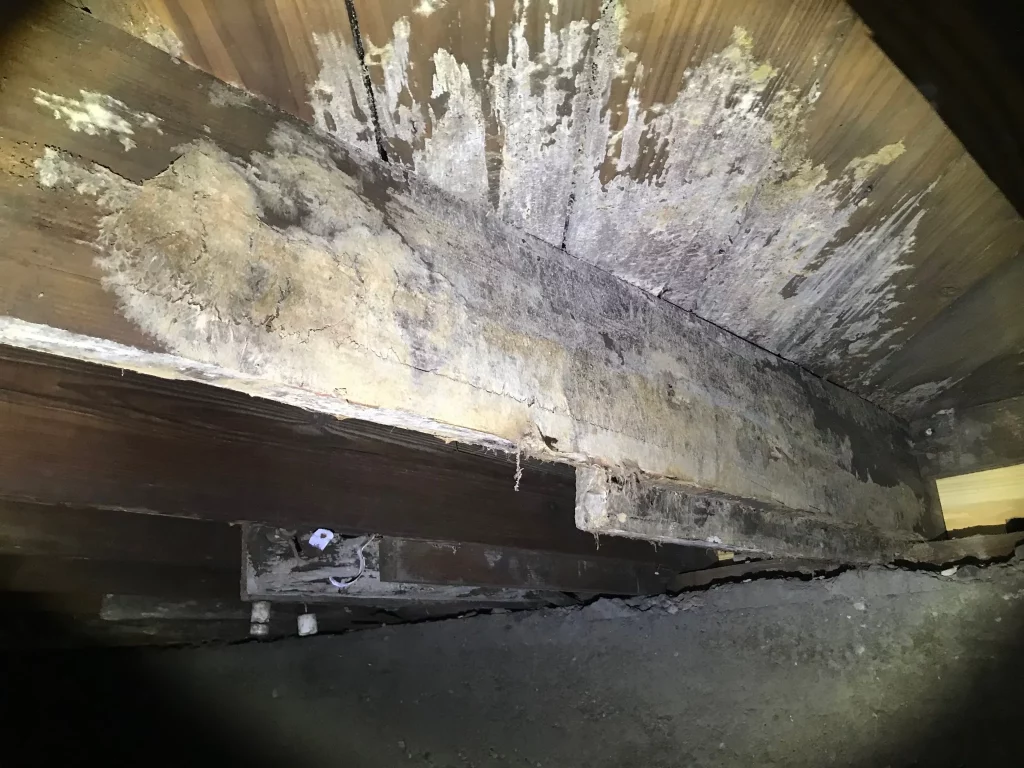
Mold develops in crawl spaces when moisture accumulates on organic materials like wood framing, insulation, and soil, creating the damp, dark environment where mold spores thrive. In Adel, Georgia, the combination of high annual rainfall (roughly 51 inches per year compared to the national average of 38 inches) and consistently warm temperatures makes crawl spaces especially vulnerable to rapid mold colonization. Understanding exactly how moisture enters, what conditions accelerate mold growth, and which prevention methods actually work can help homeowners protect their property and indoor air quality before the problem spirals out of control, often requiring crawl space mold remediation solutions.
TLDR / Key Takeaways
- Mold needs three things to grow: moisture, organic material (wood, paper, soil), and oxygen, all of which are naturally present in crawl spaces.
- Adel, GA receives approximately 51 inches of rain annually, well above the U.S. average of 38 inches, making crawl space moisture a recurring challenge for local homeowners.
- The EPA recommends keeping indoor relative humidity below 60% (ideally between 30% and 50%) to prevent mold growth.
- Mold can begin colonizing damp surfaces within 24 to 48 hours of water exposure, meaning even minor leaks or condensation can escalate quickly.
- Bare earth crawl space floors wick moisture upward through capillary action, continuously feeding humidity into the space above.
- Airborne mold spores from crawl spaces can enter the living areas of a home through floor cracks, wall openings, and HVAC systems.
- Crawl space encapsulation combined with a dehumidifier is widely considered the most effective long-term solution for moisture control.
- Prolonged mold exposure has been linked to respiratory issues, asthma development, and elevated inflammatory markers in the body.
Why Crawl Spaces Are Prime Targets for Mold Growth
Crawl spaces check every box on the mold growth checklist. They are dark, poorly ventilated, and filled with organic materials like wood joists, subflooring, and often bare soil. The EPA identifies crawl spaces with high relative humidity as common sites of hidden mold growth, particularly those with bare earth floors. Soil naturally holds moisture, and through capillary action, that water moves upward and evaporates into the air above. In a humid climate like Adel’s, this process never fully stops.
The enclosed nature of a crawl space means that once humidity enters, it has very few ways to escape. Warm outdoor air gets drawn into the cooler crawl space during summer months, and as that air cools, its relative humidity spikes. When relative humidity in a crawl space climbs above 60%, surfaces like wood framing begin absorbing moisture from the air. Once wood fiber saturation reaches about 20%, mold colonization starts.
Most crawl spaces also lack any kind of vapor barrier on the ground. Without a sealed moisture barrier, soil evaporation adds gallons of water vapor into the space every single day. This is why a crawl space in South Georgia can feel damp even during weeks without rain, which is exactly why crawl space vapor barrier installation services are critical for long-term moisture control.
How Adel, GA, Climate Triggers Rapid Mold Growth
Adel sits in the humid subtropical climate zone of southern Georgia, where summers are long, hot, and consistently muggy. The area averages roughly 51 inches of rainfall per year, with the wettest months running from June through September. During these peak months, outdoor relative humidity regularly sits in the 70% to 90% range during early morning hours.
This matters because crawl spaces are directly connected to outdoor conditions. Vented crawl spaces, which were standard in older construction, actively pull humid outdoor air inside. When 85-degree air at 80% relative humidity enters a 75-degree crawl space, the relative humidity jumps even higher as the air cools. This temperature differential is what makes Georgia crawl spaces so susceptible to condensation and mold.
The table below breaks down how Adel’s seasonal patterns affect crawl space conditions:
| Season | Avg. Outdoor Humidity | Avg. Temperature | Crawl Space Mold Risk | Primary Moisture Source |
|---|---|---|---|---|
| Spring (Mar-May) | 65-75% | 60-85°F | Moderate to High | Rainfall, soil moisture |
| Summer (Jun-Aug) | 75-90% | 75-95°F | Very High | Humid air intrusion, condensation |
| Fall (Sep-Nov) | 60-75% | 50-80°F | Moderate | Lingering soil moisture, early rain |
| Winter (Dec-Feb) | 55-70% | 35-60°F | Low to Moderate | Reduced evaporation, occasional rain |
Summer months present the highest risk because the combination of peak rainfall and extreme humidity creates near-continuous conditions for mold spores to germinate and spread.
The 24-to-48 Hour Window: How Fast Mold Takes Hold
One of the most alarming facts about crawl space mold is how quickly it establishes itself. The EPA states that mold will not grow if wet materials are dried within 24 to 48 hours. Flip that around, and it means any surface that stays damp longer than two days becomes a candidate for mold colonization.
In a crawl space, this window closes fast. A plumbing leak, a heavy rain event that floods through foundation vents, or even persistent condensation on air conditioning ductwork can saturate wood framing in hours. If the space has no dehumidification or drainage, that wood stays wet well past the 48-hour threshold.
Once mold spores land on a damp organic surface, they begin producing hyphae, the thread-like structures that anchor into the material and start absorbing nutrients. Visible mold colonies can appear in as little as three to five days under ideal conditions. Within a couple of weeks, what started as a small patch on one joist can spread across framing, insulation, and even the subfloor above, especially in crawl space mold conditions in your area.
What Triggers Rapid Mold Growth in Crawl Spaces
While moisture is the root cause, several specific triggers can accelerate mold growth from a slow creep to a full-blown infestation.
Poor Grading and Drainage
When the ground around a home slopes toward the foundation rather than away from it, rainwater directs straight into the crawl space. This is especially problematic in Adel during summer thunderstorms that can drop several inches of rain in a single afternoon. Water pools against foundation walls, seeps through cracks, and raises the moisture level inside the crawl space rapidly.
Foundation Ventilation in Humid Climates
Vented crawl spaces were designed for drier climates where outdoor air might help dry out the space. In South Georgia, the opposite happens. Foundation vents allow warm, moisture-laden air to pour inside, where it condenses on cooler surfaces. InterNACHI notes that many building professionals now recognize that ventilated crawl spaces allow significant moisture intrusion during summer months, directly contradicting their original purpose.
HVAC Ductwork Condensation
Air conditioning ductwork running through a crawl space creates cold surfaces. When warm, humid crawl space air contacts those cold ducts, condensation forms and drips onto the framing and insulation below. This creates concentrated wet spots that mold colonizes aggressively.
Plumbing Leaks
Even small, slow plumbing leaks in a crawl space can saturate surrounding wood and soil over time. Because homeowners rarely inspect their crawl spaces, these leaks can go unnoticed for months, allowing mold to spread extensively before discovery.
Bare Earth Floors
A dirt floor without a vapor barrier is an open invitation for moisture problems. Soil evaporation in a humid climate continuously feeds water vapor into the crawl space. The EPA specifically calls out bare earth floors as a major contributor to crawl space mold because the soil wicks moisture from deeper ground layers and releases it through evaporation.
Health Risks Connected to Crawl Space Mold
Mold in a crawl space does not stay contained. Up to 50% of the air you breathe on the first floor of a home originates from the crawl space below, carried upward through the stack effect. This means mold spores, mycotoxins, and musty odors from the crawl space circulate directly into your living areas.
Harvard Health Publishing reports that prolonged exposure to indoor mold may cause problems like asthma, lung inflammation, and cognitive and mood issues. Research has also linked chronic mold exposure to elevated levels of C-reactive protein, a marker of systemic inflammation in the body.
For children, the risks are even more pronounced. Studies cited by Harvard found that childhood exposure to household mold raises the risk of developing asthma, with nearly 11% of children in mold-exposed homes developing the condition compared to 7% in non-exposed homes.
Common symptoms of crawl space mold exposure include:
- Persistent sneezing, runny nose, and itchy eyes
- Worsening asthma or allergy symptoms
- Coughing and throat irritation
- Unexplained fatigue or headaches
- Musty odors that intensify when the HVAC runs
Prevention and Remediation Strategies That Work
Addressing crawl space mold requires a two-step approach: eliminate the existing mold and fix the moisture problem that caused it. The EPA is clear that cleaning up mold without fixing the underlying water problem will result in the mold returning.
Crawl Space Encapsulation
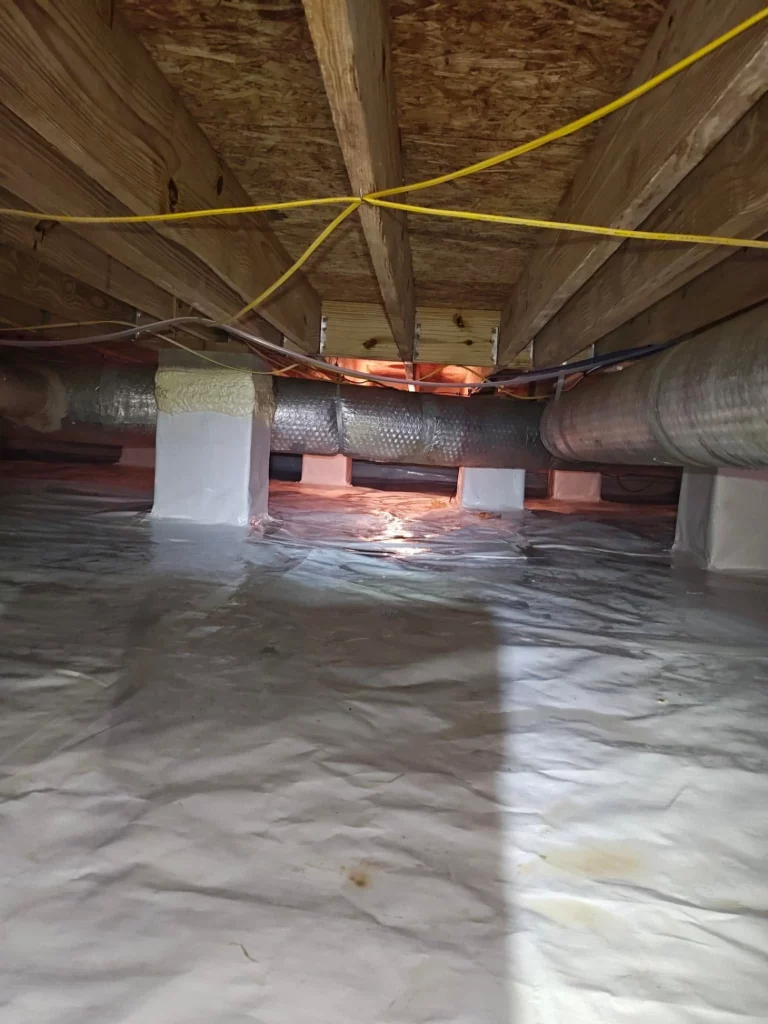
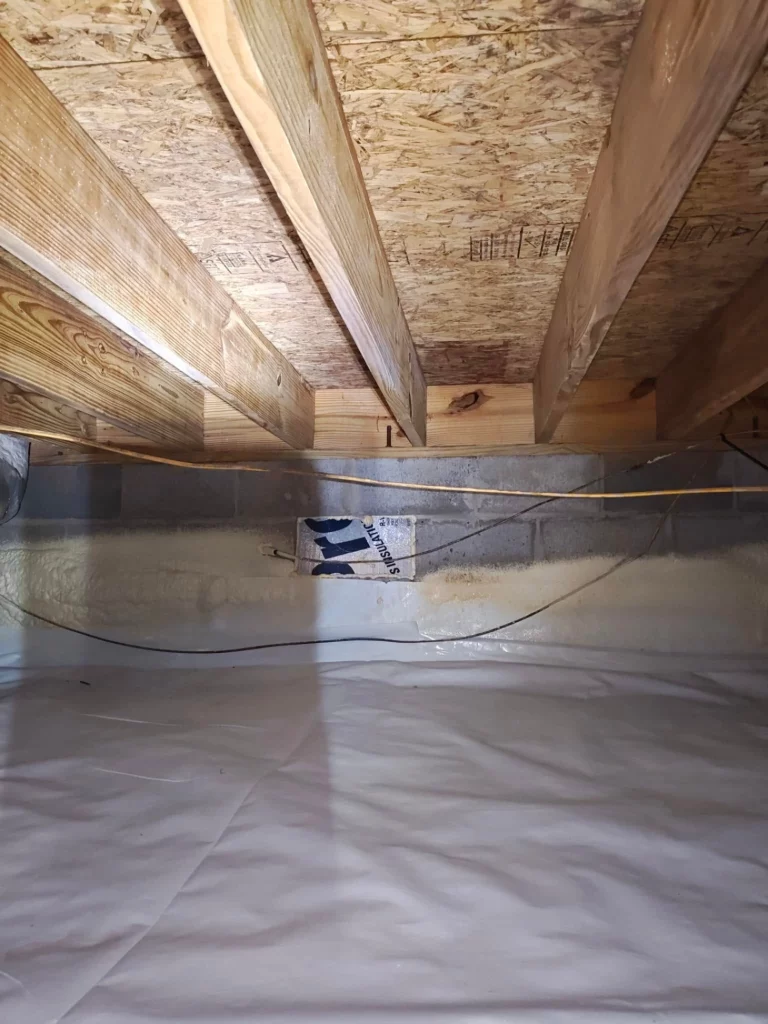
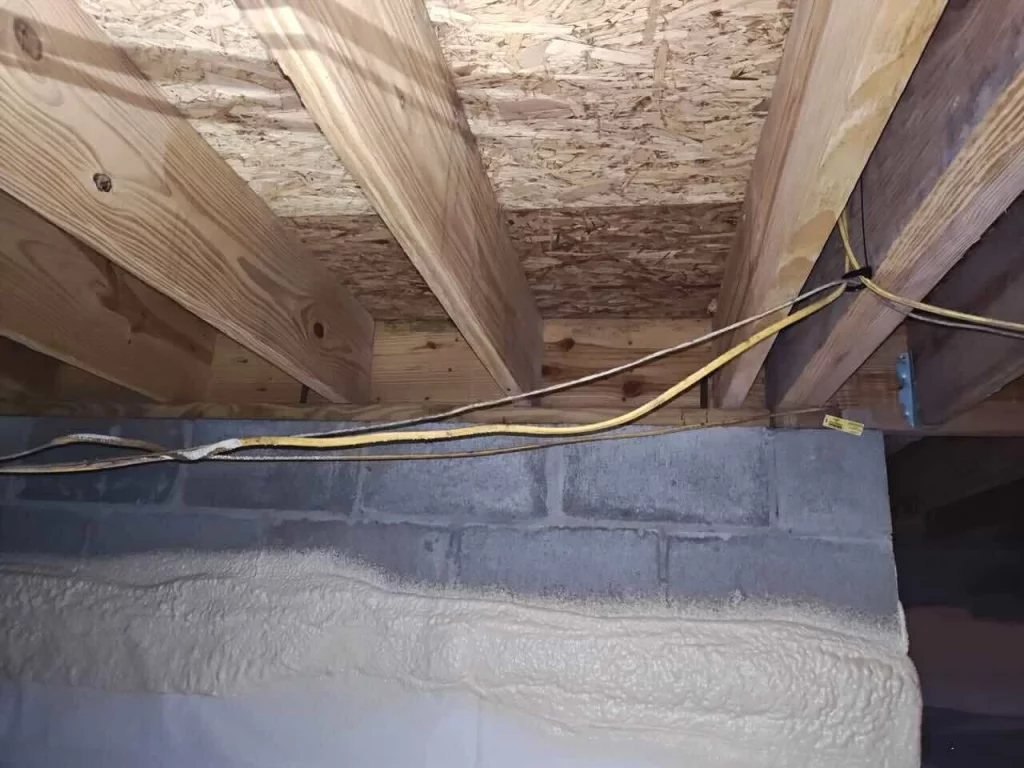
Encapsulation involves sealing the crawl space with a heavy-duty vapor barrier on the floor and walls, sealing foundation vents, and installing a dedicated dehumidifier. This approach isolates the crawl space from outdoor humidity and actively removes moisture from the air. ENERGY STAR also notes that insulating crawl space walls rather than the floor above avoids the moisture problems associated with vented crawl spaces and requires less insulation overall.
Proper Drainage and Grading
Ensuring that the ground slopes away from the foundation at least six inches over the first ten feet directs rainwater away from the crawl space. Gutters and downspouts should extend well beyond the foundation perimeter.
Dehumidification
A crawl space dehumidifier set to maintain relative humidity between 40% and 50% keeps conditions below the threshold where mold growth begins. This is especially important during Adel’s peak humidity months from June through September.
Fix Plumbing and Ductwork Issues
Any plumbing leaks in the crawl space should be repaired immediately. Air conditioning ductwork should be insulated to prevent condensation, and connections should be sealed to prevent conditioned air from escaping into the crawl space.
Signs You Have a Mold Problem in Your Crawl Space
Most homeowners never see their crawl space, so problems often go undetected until they affect the living space. Watch for these warning signs:
- A persistent musty or earthy smell, especially near floor registers
- Warped or buckling hardwood floors above the crawl space
- Unexplained allergy symptoms that improve when you leave the house
- Visible mold or discoloration on wood framing near crawl space access points
- Condensation on windows during cooler months (a sign of high indoor humidity)
- Increased energy bills (moist air costs more to heat and cool)
Prevention Approach Comparison
| Approach | How It Works | Best For | Long-Term Effectiveness |
|---|---|---|---|
| Vapor Barrier Only | Plastic sheeting over the soil floor | Homes with minor moisture issues | Moderate, does not address air humidity |
| Encapsulation + Dehumidifier | Full seal with active moisture removal | Most Adel homes high humidity areas | High, controls moisture at the source |
| Improved Drainage | Grading, gutters, French drains | Most Adel homes are in high-humidity areas | High for water intrusion, partial for humidity |
| Ventilation Fans | Mechanically exchanging crawl space air | Mixed climates with low outdoor humidity | Low effectiveness in humid Georgia summers |
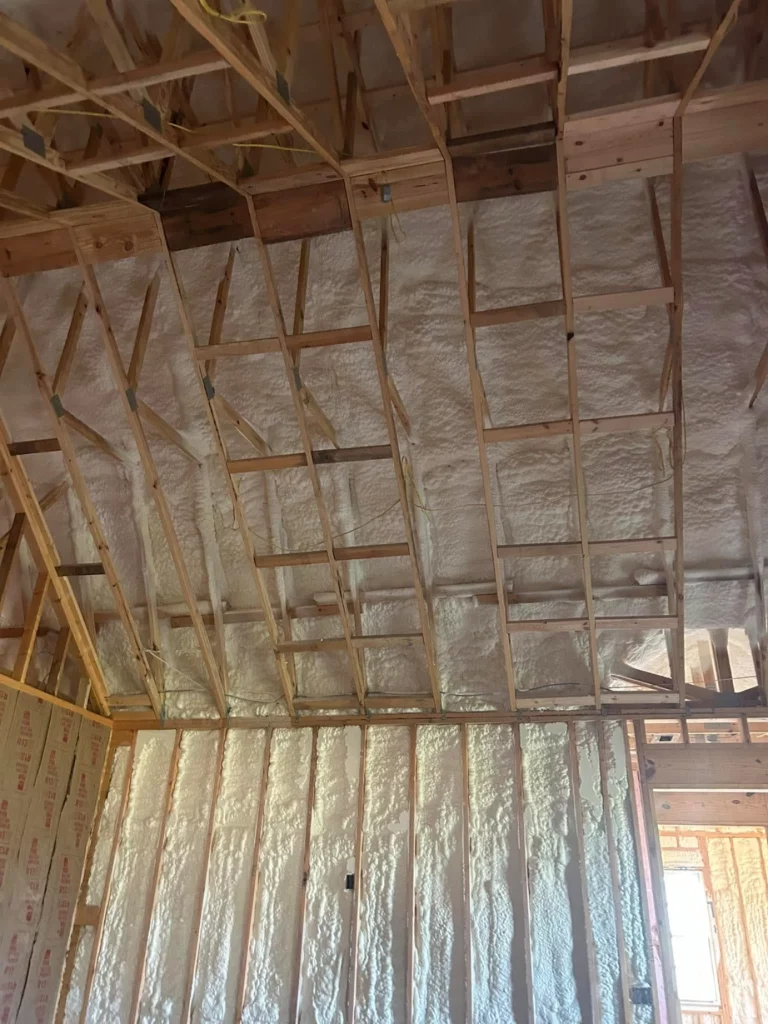
| Spray Foam Insulation | Seals and insulates rim joists and walls | New construction or major renovations | High when combined with drainage |
Protect Your Home from Crawl Space Mold
Get Expert Help from Premier Insulation
Crawl space mold is not a problem that resolves on its own. The longer moisture goes unchecked, the more damage it causes to your home’s structural wood, indoor air quality, and your family’s health. At Premier Insulation, we assess crawl space conditions in Adel and surrounding areas, identify the specific moisture sources driving mold growth, and recommend targeted solutions like encapsulation and dehumidification to keep your crawl space dry and mold-free year-round.
Call us at (229) 843-6767 or email premiereinsulationga@gmail.com. Your home deserves a dry, healthy foundation. Let us help you get there.
Frequently Asked Questions
How quickly can mold grow in a crawl space after water exposure?
Mold can begin colonizing damp organic surfaces within 24 to 48 hours, and visible colonies may appear in three to five days under warm, humid conditions. This is why prompt drying and moisture control are so important.
Is a musty smell in my home a sign of crawl space mold?
Yes, a persistent musty or earthy odor is one of the most common indicators of mold growth in a crawl space. As mold spores and volatile organic compounds rise through the home, they carry that smell into living areas.
Does encapsulation eliminate crawl space mold risk?
Encapsulation significantly reduces mold risk by sealing out outdoor humidity and removing moisture from the air, but existing mold must be remediated first. Sealing over active mold without cleaning it will not solve the problem.
Can I prevent crawl space mold by opening foundation vents more?
In Adel’s humid climate, opening vents actually makes the problem worse by allowing warm, moisture-laden outdoor air to enter the cooler crawl space, which raises relative humidity and promotes condensation.
How does crawl space mold affect my home’s resale value?
Homes with documented mold issues are significantly harder to sell and often require professional remediation before closing. Buyers frequently request mold inspections, and visible mold or musty odors can derail a sale or lead to lower offers.
Sources
- EPA Mold Course Chapter 2: Why and Where Mold Grows – Comprehensive guide on mold growth conditions in crawl spaces, including how soil moisture and humidity contribute to hidden mold.
- EPA Brief Guide to Mold, Moisture, and Your Home – Homeowner guidance on mold cleanup, the 24-to-48 hour drying window, and moisture control strategies.
- Harvard Health – Mold in the Home: Identifying and Treating the Issue – Medical perspective on health risks of indoor mold exposure, including respiratory and inflammatory effects.
- InterNACHI – Crawlspace Hazards and Inspection – Inspection industry resource covering common crawl space dangers, including mold, moisture, and ventilation problems.
- BestPlaces – Adel, GA Climate Data – Precipitation and climate statistics showing Adel receives 51 inches of rain annually, well above the national average.