
High energy bills, drafty rooms, and inconsistent indoor temperatures are common frustrations for many homeowners. Traditional insulation materials often fail to stop the air leaks responsible for these problems. This forces your heating and cooling systems to work harder, leading to increased wear and tear and higher monthly utility costs. Open-cell spray foam insulation offers a highly effective solution by providing both thermal resistance and an airtight seal in a single application.
This comprehensive guide covers everything you need to know about open-cell spray foam. You will learn the foundational chemistry behind the product, how it compares to other materials, and where it works best within your home. The following sections will walk you through the installation process, explain building science concepts like the stack effect, and provide actionable advice on preparing your house for an upgrade.
By applying years of hands-on experience in residential energy efficiency, this blueprint serves as a complete educational resource. Whether you are building a new custom home or upgrading a historic property, the information below will help you make educated decisions about your property’s thermal envelope.
Foundational Understanding: What is Open-Cell Spray Foam?
To appreciate the benefits of open-cell spray foam, you first need to understand its composition. Spray polyurethane foam is a two-part chemical mixture. Contractors refer to these parts as the “A-side” (isocyanate) and the “B-side” (a polyol resin blended with catalysts and blowing agents). When mixed under high heat and pressure, these chemicals react instantly.
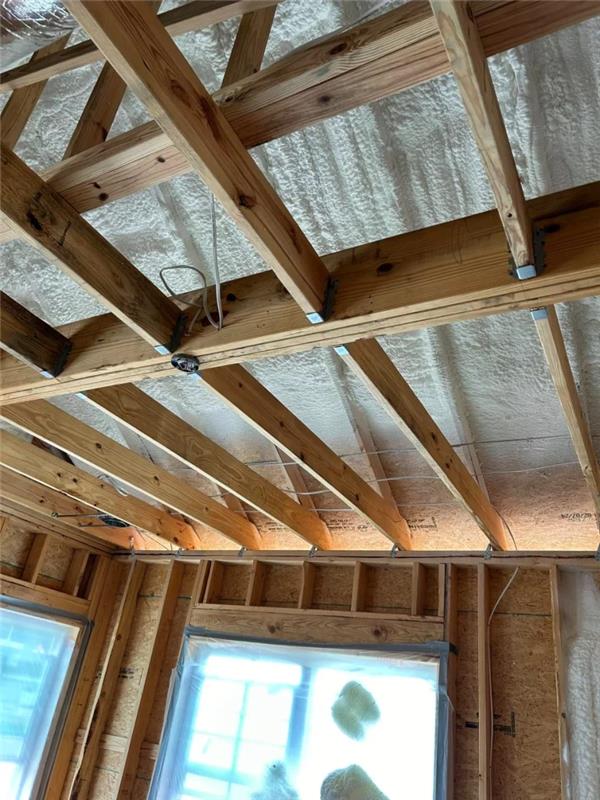
Open-cell foam gets its name from its physical structure. As the liquid mixture expands, the tiny bubbles or “cells” burst open, allowing them to fill with air. This structural difference creates a soft, sponge-like material. It expands rapidly, often reaching up to 100 times its original liquid volume. This massive expansion rate allows the foam to fill every tiny crack, crevice, and gap within a wall cavity or roof deck.
Water is the primary blowing agent used in open-cell foam. Because it relies on water rather than synthetic chemicals to create the expansion, open-cell foam carries a very low global warming potential. This makes it an environmentally responsible choice for residential applications.
[Link to: Detailed Guide on Spray Foam Chemistry and Blowing Agents]
How Air Sealing Changes Your Home
Traditional materials like fiberglass batts or blown-in cellulose filter the air. They slow down heat transfer, but wind and drafts can easily pass right through them. Open-cell foam acts as a physical barrier. Once applied, it stops air leakage entirely.
Research compiled by the U.S. Department of Energy demonstrates that drafts can account for up to 30 percent of a home’s heating and cooling energy loss. By stopping this air movement, open-cell foam drastically reduces the workload on your HVAC system.
Expert Tip: Always prioritize air sealing before upgrading your heating and cooling equipment. Sealing the building envelope first often allows you to purchase a smaller, less expensive air conditioner.
Core Principles of Building Science
To get the most out of your insulation upgrade, you must view your home as a complete, interconnected system. Spray foam does not just sit in your walls; it alters how air, heat, and moisture move through your living space.
Stopping the Stack Effect
The “stack effect” is a building science term describing how air moves through a house. Warm air rises. In the winter, the heated air inside your home pushes up toward the attic. If your attic floor or roof deck is not properly sealed, that expensive warm air escapes outside.
As the warm air leaves through the top of the house, it creates negative pressure at the bottom. This vacuum pulls freezing cold air in through your crawlspace, basement, or gaps around ground-floor windows. Open-cell foam applied to the roof deck stops the stack effect completely by putting an airtight cap on the top of the building.
[Image: Diagram illustrating the stack effect in a house, showing cold air entering the bottom and warm air escaping through the roof]
Combating Thermal Bridging
Wall studs and roof rafters create continuous paths of solid wood from the inside of your home to the outside. Wood is a poor insulator. Heat travels easily through these studs, bypassing your insulation entirely. This process is called thermal bridging.
Because open-cell foam expands so aggressively, it tightly wraps around the edges of every stud and can fill irregular cavities. While it does not stop thermal bridging through the wood itself, it completely eliminates the tiny gaps between the wood and the insulation that typically worsen energy loss.
Open-Cell vs. Closed-Cell Foam: Making the Right Choice
Homeowners often express confusion regarding the differences between open-cell and closed-cell spray foam. Both are excellent products, but they serve different purposes based on their density and physical properties.
Open-cell foam has a density of approximately 0.5 pounds per cubic foot. Closed-cell foam is much denser, usually weighing about 2.0 pounds per cubic foot. Because the cells in closed-cell foam remain unbroken and packed tightly together, the material is rigid and completely rejects water.
Comparing R-Values
R-value measures a material’s resistance to heat flow. The higher the R-value, the better the insulating power.
- Open-Cell Foam: Delivers an R-value of roughly R-3.5 to R-3.8 per inch of thickness.
- Closed-Cell Foam: Delivers an R-value of roughly R-6.5 to R-7.0 per inch of thickness.
While closed-cell foam offers a higher R-value per inch, open-cell foam is significantly less expensive. Homeowners can often afford to install a much thicker layer of open-cell foam, achieving the target R-value for the entire assembly at a lower overall price.
[Link to: Comparing Closed-Cell and Open-Cell Foam: Which is Right for You?]
Moisture Permeability and Breathability
A defining characteristic of open-cell foam is its vapor permeability. The material is breathable. If a roof leak occurs, water can pass through open-cell foam. This allows you to spot the leak and fix the roof before the wooden decking rots. Closed-cell foam, by contrast, is a vapor barrier. It stops water completely, which is excellent for flood zones, but can sometimes trap water against wood if applied incorrectly under a leaking roof.
Table: Comparing Insulation Materials
| Feature | Open-Cell Foam | Closed-Cell Foam | Fiberglass Batts | Blown-in Cellulose |
|---|---|---|---|---|
| Air Sealing | Yes | Yes | No | No |
| R-Value per Inch | R-3.5 to R-3.8 | R-6.5 to R-7.0 | R-3.1 to R-3.4 | R-3.2 to R-3.8 |
| Sound Dampening | Excellent | Moderate | Poor | Moderate |
| Water Resistance | Permeable (Breathable) | Waterproof | Holds Moisture | Holds Moisture |
| Expansion Rate | 100x liquid volume | 30x liquid volume | N/A | N/A |
Key Takeaway: Open-cell foam is the superior choice for interior walls, unvented attics, and areas where sound dampening and high expansion are necessary. Closed-cell foam should be reserved for below-grade applications, crawlspaces, and areas requiring a strict moisture barrier.
Ideal Applications Within the Residential Envelope
Applying open-cell foam in the correct locations maximizes your return on investment. The material excels in specific areas of the residential envelope.
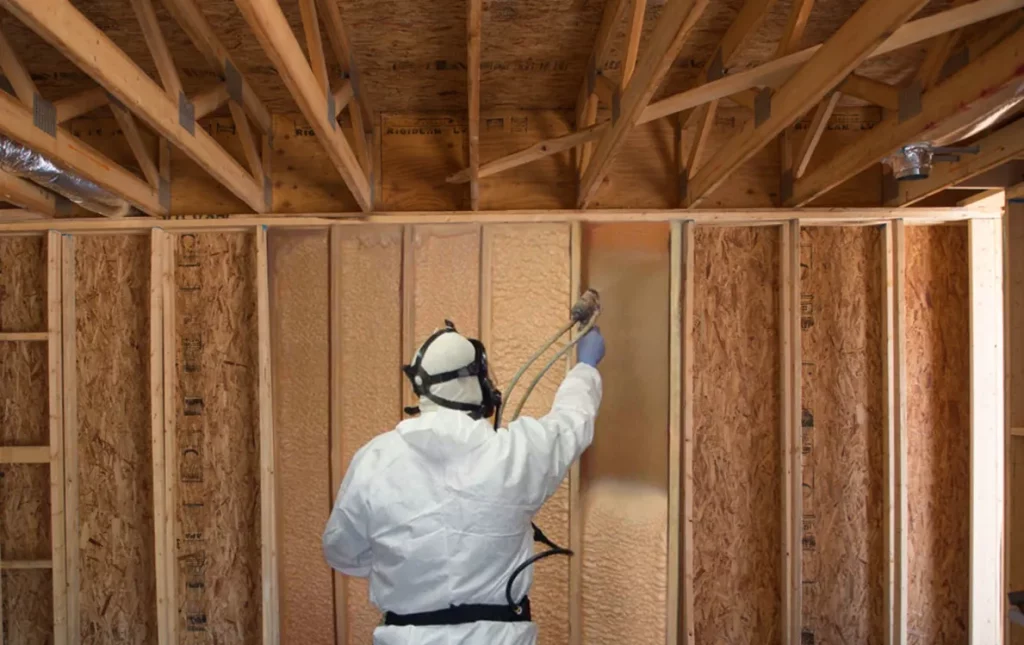
Unvented Attics and Roof Decks
The most popular application for open-cell foam is on the underside of the roof deck. Traditional homes feature vented attics with insulation placed flat on the floor. This leaves your attic baking in the summer heat and freezing in the winter. If your HVAC unit or ductwork lives in a vented attic, it operates in extreme conditions.
Applying open-cell directly to the roof deck seals the attic vents. This brings the entire attic space inside the thermal envelope of the house. The temperature in an unvented attic typically stays within ten degrees of the living space below it. This relieves massive stress on your HVAC system.
[Link to: How to Prepare Your Attic for Spray Foam Insulation]
Exterior Walls in New Construction
During a new build or a “down-to-the-studs” remodel, spraying open-cell foam into the exterior wall cavities is highly recommended. The foam easily navigates around plumbing pipes, electrical wires, and outlet boxes. Traditional fiberglass batts must be cut and pieced around these obstacles, leaving gaps that invite drafts. The expansive nature of open-cell guarantees a custom fit for every single wall cavity.
Interior Walls and Floors for Soundproofing
Sound control is a major concern for modern homeowners. Open-cell foam acts as a massive shock absorber for sound waves. Its soft, porous texture breaks up airborne noise effectively.
A study highlighted by the National Association of Home Builders reveals that installing open-cell foam in interior walls can drastically reduce noise transfer, creating a quieter living environment. Applying it around bathrooms, laundry rooms, home theaters, and between floors offers excellent privacy.
Expert Tip: If you work from home, ask your contractor to install a layer of open-cell foam in the interior walls surrounding your home office to block out household noise.
[Image: Contractor spraying open-cell insulation between the wooden joists of an interior wall for soundproofing]
The Installation Process: What to Expect on Day One
Spray foam installation requires technical skill, specialized equipment, and strict safety protocols. Understanding the process helps you prepare your home and ensures a smooth project.
Preparation and Protection
The chemicals used in spray foam become completely inert and safe once fully cured, but they require careful handling during application. A professional crew will begin by prepping the site.
- Masking: Technicians will cover windows, doors, finished floors, and HVAC equipment with plastic sheeting to protect them from overspray.
- Ventilation: The crew will set up heavy-duty exhaust fans. These fans create negative pressure in the work area, pulling chemical fumes and off-gassing odors out of the house and venting them safely outside.
- Evacuation: You, your family, and your pets must leave the property during the installation and for a specified curing period afterward (typically 24 hours).
The Equipment Setup
Spray foam requires a massive amount of power and specialized machinery. Contractors use a large rig, usually housed in a box truck or trailer. Inside the rig is a proportioner. This machine heats the A-side and B-side chemicals to precise temperatures (usually between 120 and 130 degrees Fahrenheit) and pressurizes them.
The chemicals travel through hundreds of feet of heated hoses into the house. They remain separated until the exact moment the technician pulls the trigger on the spray gun.
The Spraying Phase
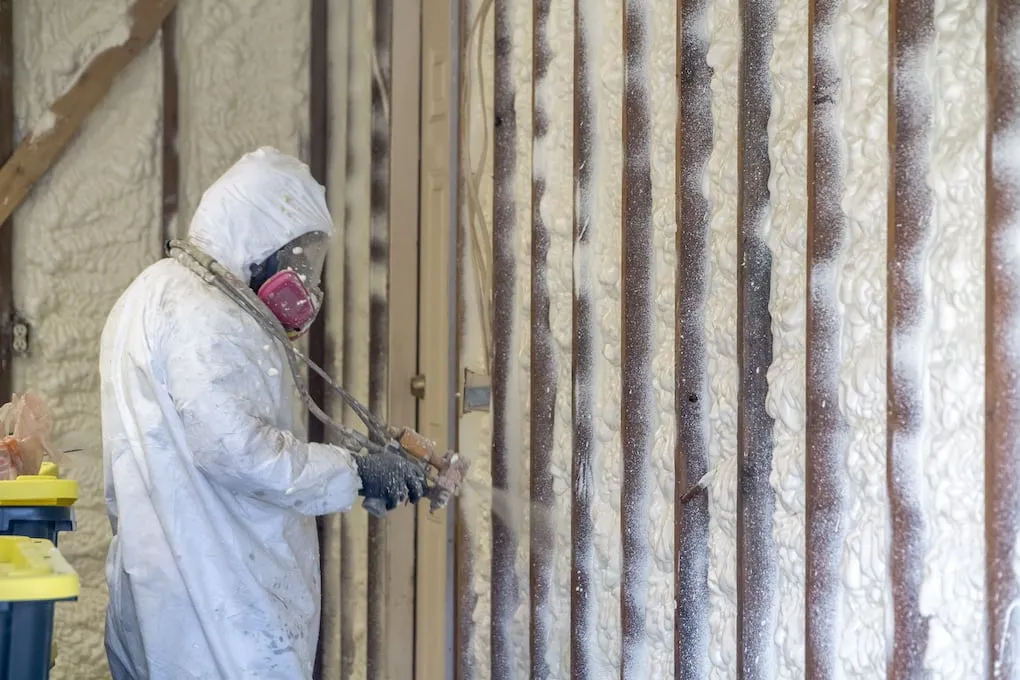
The applicator sprays the liquid mixture between the studs or onto the roof deck. You will see the liquid hit the wood and immediately expand outward. A skilled technician knows exactly how much liquid to apply to fill the cavity without wasting material.
Because open-cell expands so much, it will naturally bulge out past the face of the wooden studs.
Trimming and Cleanup
Once the foam cures, the crew uses special tools (often resembling large, heated cheese slicers or specialized hand saws) to shave the excess foam flush with the wooden studs. This step, known as scarfing, ensures that the drywall installers have a flat, even surface to work with.
After trimming, the crew sweeps up the shaved foam scraps, removes the plastic masking, and packs up the equipment.
[Link to: What to Expect on Spray Foam Installation Day]
Table: Homeowner Pre-Installation Checklist
| Task | Description | Timeline |
|---|---|---|
| Clear the Area | Remove all stored boxes, furniture, and valuables from the attic or workspace. | 3 days before |
| Arrange Lodging | Plan for your family and pets to stay elsewhere during the spray and cure time. | 2 days before |
| HVAC Shutdown | Turn off the heating and cooling system to prevent fumes from entering the ductwork. | Morning of installation |
| Site Access | Ensure the contractor’s rig has a clear, flat place to park near the house. | Morning of installation |
Key Takeaway: Professional installation involves rigorous safety protocols, including mandatory evacuation and active ventilation. Proper site preparation guarantees the safety of your family and allows the crew to perform a clean, efficient job.
Common Challenges and How to Overcome Them
No building material is perfect. Open-cell foam presents specific challenges that require careful planning and execution. Understanding these hurdles allows you to ask your contractor the right questions.
Managing Moisture and Vapor Drives
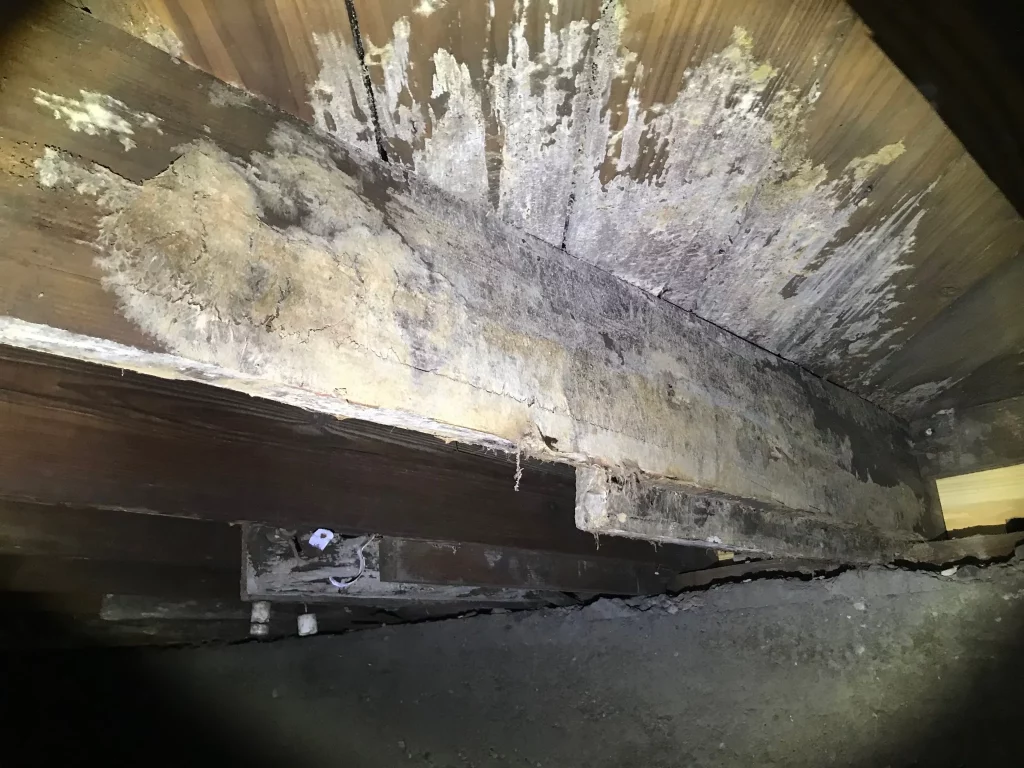
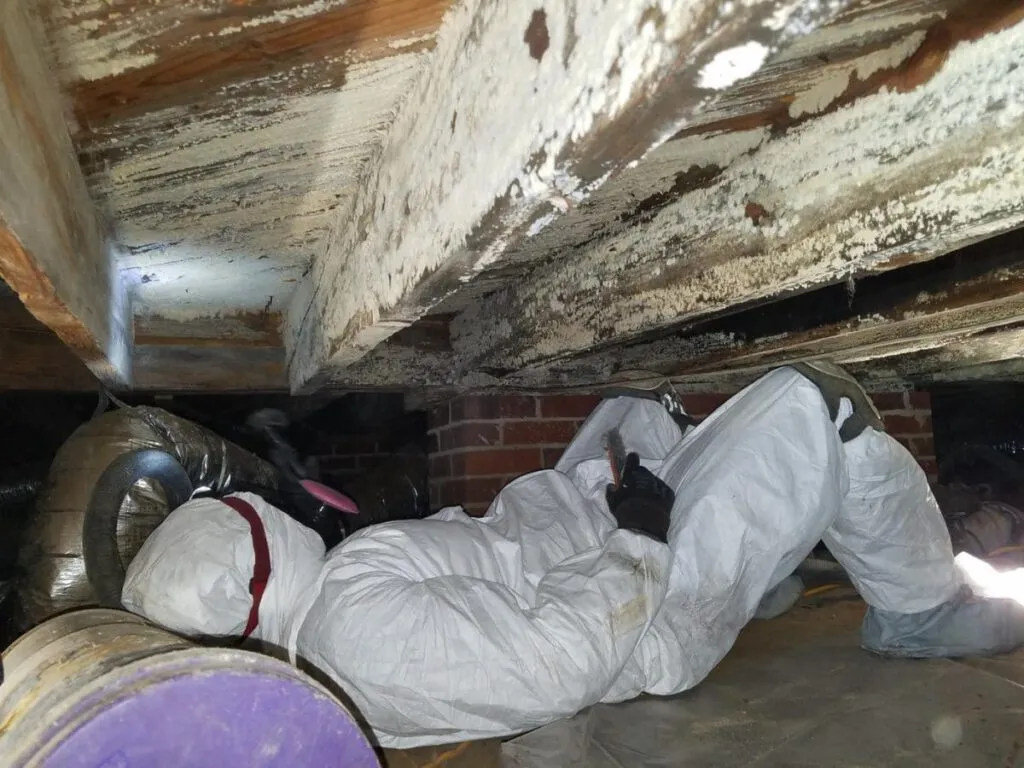
Because open-cell foam is vapor permeable, moisture can pass through it. In very cold climates, warm, moist air from the inside of the house can push outward through the foam. If this moisture hits the freezing cold exterior wood sheathing, it can condense into liquid water and cause mold.
To prevent this, building codes in colder climate zones require the installation of a vapor retarder over the open-cell foam. This is typically a special primer paint applied directly onto the trimmed foam. This paint slows the moisture movement down to a safe level. A reputable contractor will evaluate your local climate zone and recommend a vapor retarder if necessary.
Dealing with Odor and Off-Gassing
A common concern among homeowners is the chemical smell associated with spray foam. During application, the chemical reaction releases fumes. Proper ventilation during the spray process is absolutely required.
Once the foam fully cures (usually within 24 hours), it stops off-gassing and becomes chemically inert. If a strong fishy or chemical odor persists weeks after the installation, it usually indicates a mixing error. If the proportioner machine fails to mix the A and B sides at a perfect 1:1 ratio, the foam will not cure properly. Hiring a certified, experienced contractor is the best way to prevent ratio issues.
Adhering to Building and Fire Codes
Building codes dictate how exposed foam must be treated. Because polyurethane foam is combustible, it cannot be left entirely exposed in an occupied living space.
If the foam is installed in a wall, covering it with standard half-inch drywall satisfies the fire code. If the foam is left exposed in an attic that is only used for servicing equipment, it generally requires an intumescent fire coating. This is a specialized paint applied over the foam that swells up when exposed to extreme heat, choking out the fire.
Expert Tip: Always ask your local building inspector about fire barrier requirements for unvented attics in your specific municipality. Rules vary slightly from county to county.
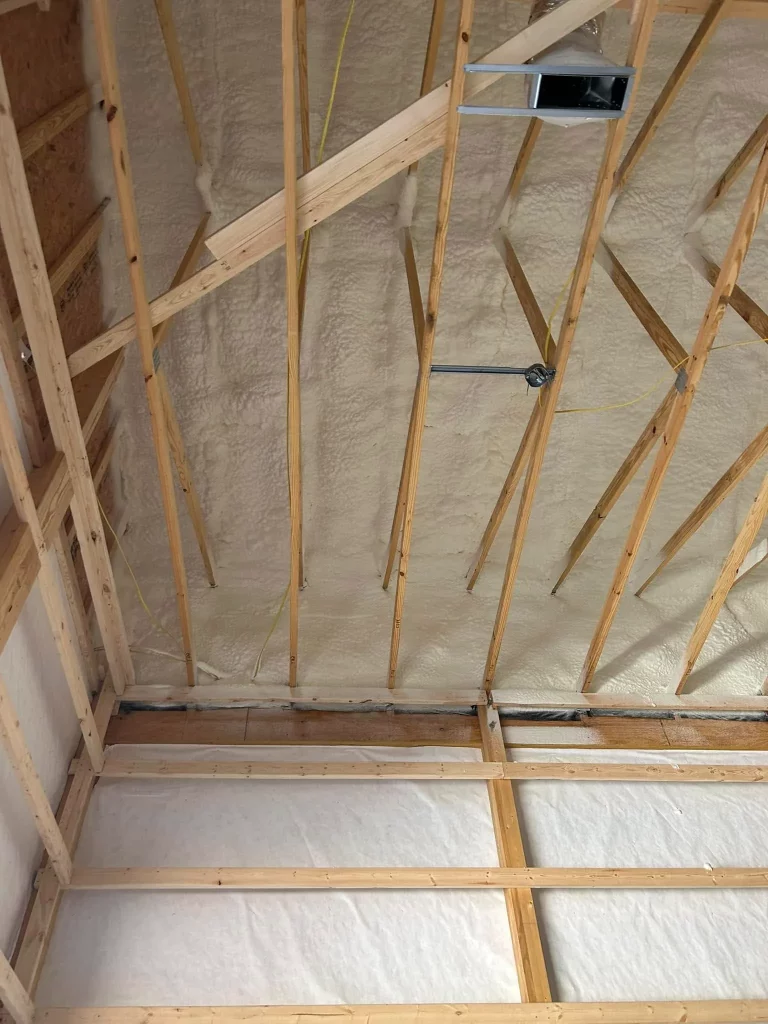
Measuring Success and ROI
Upgrading to open-cell spray foam requires a higher upfront financial commitment than buying standard fiberglass batts. However, the long-term financial benefits strongly justify the initial expense.
Monthly Utility Savings
The most immediate benefit is a reduction in your monthly energy bills. By sealing the air leaks, your heating and cooling systems run less frequently. A detailed guide from Energy Star indicates that homeowners can save up to 20 percent on heating and cooling costs by properly sealing and insulating their homes. Over the lifespan of a house, these monthly savings compound, eventually paying for the initial cost of the foam.
HVAC Equipment Downsizing
If you are building a new home or replacing an aging HVAC unit, open-cell foam offers an immediate financial return. HVAC contractors use a formula called a Manual J calculation to determine the exact size of the air conditioner your home needs.
Because spray foam stops air leakage and lowers the heat load of the house, the Manual J calculation will almost always call for a smaller HVAC unit. Smaller air conditioners cost significantly less to purchase and consume far less electricity.
Improving Indoor Air Quality
Energy savings are easy to measure in dollars, but indoor air quality provides an invaluable return on investment for your health. Traditional homes pull air from dusty attics and damp crawlspaces into the living area.
By applying open-cell foam to the roof deck, you stop pulling contaminated air from the outside environment. The Environmental Protection Agency states that effective air sealing blocks out dust, pollen, and outdoor allergens. This creates a highly controlled, clean indoor environment, which is highly beneficial for family members with asthma or allergies.
Future Trends in Residential Insulation
The building materials industry continuously updates and improves chemical formulations. Staying informed about these trends ensures you are utilizing the most advanced products available for your home.
Advancements in Water-Blown Formulations
Manufacturers are constantly refining the water-blown technology used in open-cell foam. Older iterations sometimes struggled with consistent cell structure in extreme humidity. Modern formulas feature improved catalysts that allow the foam to expand uniformly regardless of the ambient weather conditions on installation day.
Integration with Smart Home Diagnostics
As homes become tighter and more energy-efficient, monitoring indoor air quality and moisture levels becomes a standard practice. Smart thermostats and continuous ventilation systems now work hand-in-hand with spray foam enclosures. Homeowners can track the exact humidity levels in their newly sealed attics via smartphone apps, ensuring the thermal envelope performs exactly as designed.
[Image: A homeowner checking a smart thermostat app on their phone, monitoring indoor humidity and temperature]
Sustainable Building Certifications
More homeowners are pursuing green building certifications like LEED for Homes or the National Green Building Standard. Open-cell spray foam contributes significantly to the points required for these certifications due to its massive reduction in building energy usage and its zero-ozone-depletion chemical makeup.
Frequently Asked Questions About Open-Cell Spray Foam
How long does open-cell spray foam last?
Once applied and fully cured inside a dark, protected wall cavity or attic, open-cell foam lasts for the lifetime of the building. It will not sag, settle, or degrade over time like traditional blown-in cellulose or fiberglass batts.
Can open-cell foam be installed in an existing home?
Yes. Contractors frequently apply open-cell foam to the roof decks of existing homes to create unvented attics. For existing exterior walls, the process is harder. Because the foam expands so rapidly, injecting it blindly behind drywall can cause the walls to crack under pressure. Open-cell is best used in walls when the drywall is removed.
Do bugs and rodents eat spray foam?
Spray foam has no nutritional value. Pests do not eat it for food. However, determined rodents can chew through it to create nests, just as they would with fiberglass or wood. Proper pest control on the exterior of the house remains essential.
Does my house need to “breathe”?
A common building myth suggests that sealing a house too tightly causes poor air quality. Houses do not need to breathe; people do. The goal of modern building science is to “build tight and ventilate right.” Spray foam seals the leaks, giving you complete control over the air. You then use mechanical ventilation (like an ERV or HRV) to bring in fresh, filtered air on your own terms.
Will open-cell foam hide a roof leak?
Because open-cell foam is porous, water will eventually travel through it. If a shingle blows off your roof and rain gets in, the water will weep through the open-cell foam and drip onto your ceiling. This allows you to spot the water damage and fix the roof promptly.
How do I run new electrical wires after foam is installed?
Running new wires through a wall filled with open-cell foam takes a bit more effort than an empty cavity. Electricians can push a stiff fish tape directly through the soft foam to pull new wires. Alternatively, they can cut a small channel in the drywall, remove a strip of foam, lay the wire, and patch the wall.
Putting Your Open-Cell Strategy into Action
Achieving true energy efficiency requires treating your house as a complete system. Open-cell spray foam insulation represents one of the most powerful upgrades you can make to your property. By acting as both a premier thermal insulator and an absolute air barrier, it addresses the root causes of energy waste and indoor discomfort.
You now understand the rapid expansion properties that allow it to fill every gap. You know how it compares to rigid closed-cell foam and traditional fiberglass. Most importantly, you know exactly where to apply it: unvented attics for HVAC relief, exterior walls for draft prevention, and interior walls for sound dampening.
Use this guide as your blueprint. Inspect your attic, review your past utility bills, and identify the areas of your home that suffer from extreme temperature shifts. Proper planning and professional installation will result in a quieter, cleaner, and dramatically more efficient living environment.
Need Expert Guidance?
Taking the next step toward a fully sealed home requires a professional evaluation. Contact Premier Insulation to schedule a comprehensive review of your property’s thermal envelope. Give us a call at (229) 554-3939 to discuss your specific energy goals and find out if open-cell foam is the right application for your project. You can also reach out directly via email at premiereinsulationga@gmail.com to request an estimate and get answers to any remaining questions.
Sources
- U.S. Department of Energy – Comprehensive data on residential air sealing, the stack effect, and energy loss percentages.
- Energy Star – Methodology and statistics detailing potential heating and cooling savings from proper insulation and air sealing.
- National Association of Home Builders – Research reports covering Sound Transmission Class (STC) ratings and noise reduction strategies using open-cell foam.
- Environmental Protection Agency – Guidelines on how sealing the building envelope improves indoor air quality by blocking outdoor pollutants.