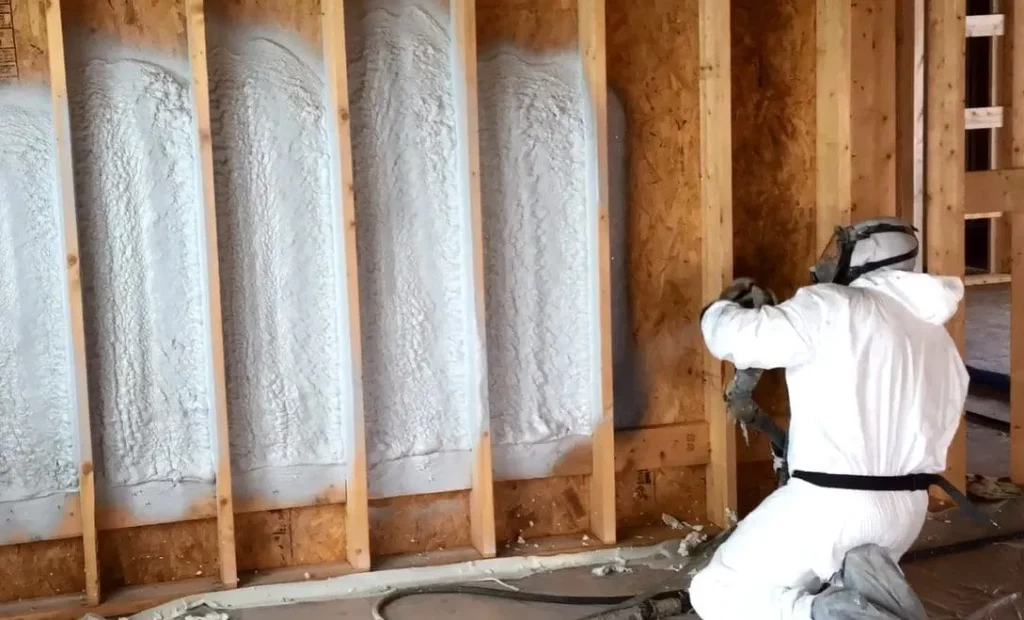
Thomasville, GA, experiences intense summer humidity, extreme heat, and sudden severe weather shifts, demanding an insulation strategy that goes far beyond traditional fiberglass. Choosing the right spray foam system depends heavily on your building’s structural design, budget, and specific moisture exposure levels. While closed-cell spray foam delivers the highest structural durability and acts as a robust vapor barrier against South Georgia’s relentless humidity, open-cell spray foam provides a highly effective, budget-friendly air seal for attics and interior walls. By evaluating these distinct subcategories, closed-cell, open-cell, and hybrid insulation systems property owners can implement a highly resilient thermal envelope designed to withstand local climate extremes, block moisture intrusion, and maximize long-term energy efficiency. The detailed breakdown below explores how to rank and apply these systems for optimal performance using proven spray foam insulation methods.
TLDR / Key Takeaways
- Maximum Density and Protection: Closed-cell spray foam provides an impressive R-value of up to 7.0 per inch, making it the most durable system for extreme heat and moisture resistance in Thomasville.
- Cost-Effective Air Sealing: Open-cell spray foam expands up to 100 times its original size, offering superior air-sealing and sound dampening for interior spaces at a lower initial investment.
- Strategic Hybrid Applications: Hybrid insulation systems combining closed-cell foam in moisture-prone crawlspaces and open-cell in attics balance high performance with project cost efficiency.
- Rapid Implementation: Most residential and light commercial spray foam applications are completed within 1 to 3 days, minimizing disruption to occupants.
- Long-Term ROI: Properly insulated properties frequently see up to a 20% reduction in long-term heating and cooling costs, rapidly offsetting the initial installation investment.
- Common Pitfalls Avoided: Failing to account for vapor permeability in high-humidity climates is a costly mistake; applying the correct foam type prevents trapped moisture and structural rot.
Evaluating Thomasville’s Unique Climate Challenges
To accurately rank the most durable spray foam systems, we first must understand the specific environmental stressors present in Thomasville, GA. South Georgia is characterized by prolonged periods of high heat and oppressive humidity from late spring through early autumn. Additionally, sudden torrential downpours and occasional winter freezes put extreme stress on a building’s thermal envelope, making effective spray foam air leakage control essential for maintaining indoor efficiency and moisture protection.
Standard insulation materials, such as fiberglass batts or blown-in cellulose, tend to sag, settle, and absorb moisture over time. When moisture infiltrates these traditional materials, their thermal resistance drops dramatically, creating an environment ripe for mold growth. Spray polyurethane foam (SPF) mitigates these risks by expanding to fill gaps, creating an impermeable or semi-permeable air seal that physically blocks outdoor climate conditions from impacting the indoor environment.
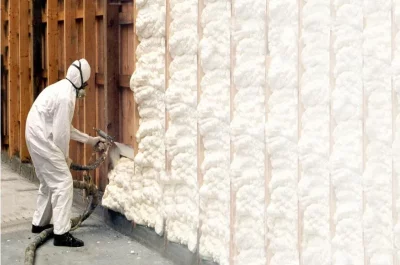
System 1: Closed-Cell Spray Foam (The Heavyweight Champion)
When ranking insulation for pure durability and extreme weather resistance, closed-cell spray foam stands at the top. This high-density system features cells that are completely closed and packed tightly together.
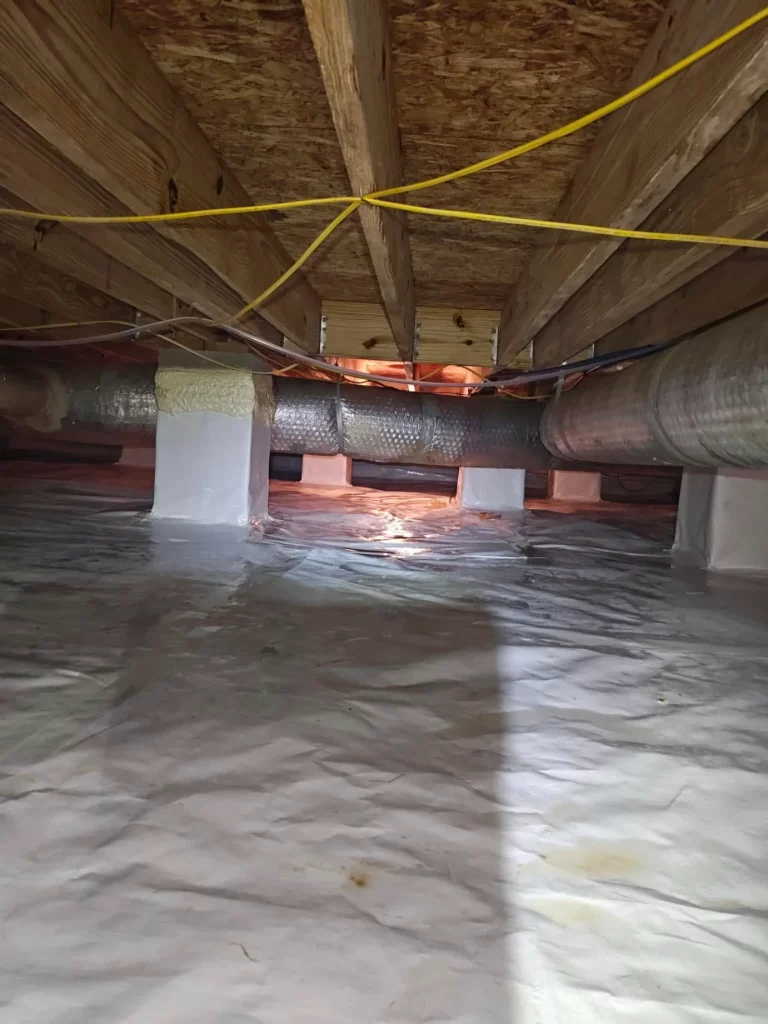
- Moisture and Flood Resistance: Because of its rigid structure, closed-cell foam acts as a complete vapor barrier. It is so effective at repelling water that the Federal Emergency Management Agency (FEMA) classifies closed-cell spray foam as a Class 4 flood-resistant material. This makes it the absolute best choice for crawlspaces, basements, and exterior walls in Thomasville.
- Structural Integrity: Applying closed-cell foam actually strengthens the walls and roof decks of a building. During severe Georgia thunderstorms, this added structural rigidity helps properties withstand high wind loads.
- Maximum Thermal Resistance: According to guidelines from the Department of Energy, closed-cell foam offers one of the highest R-values per inch of any commercial insulation, keeping utility bills exceptionally low during peak summer heat.
System 2: Open-Cell Spray Foam (The Expansion Expert)
Ranking right behind closed-cell for overall durability, but leading the pack in expansion and acoustic control is open-cell spray foam. In this system, the cells are intentionally left open, resulting in a softer, sponge-like material.
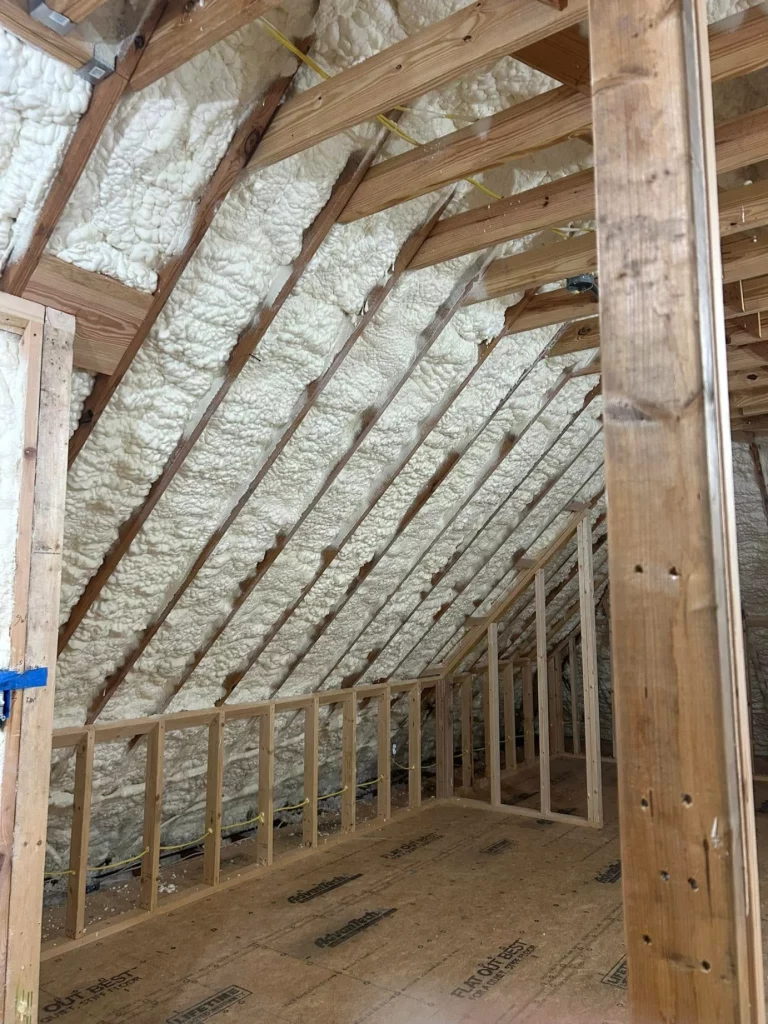
- Superior Air Sealing: Open-cell foam is famous for its rapid expansion. When sprayed, it expands rapidly to fill every microscopic crack, crevice, and awkward architectural angle, making it an exceptional air barrier.
- Cost-Effectiveness: Because it uses less raw material to cover the same amount of space, open-cell foam requires a lower upfront investment compared to closed-cell systems.
- Ideal Placements: While it does not block moisture (and should never be used in Thomasville crawlspaces), it is perfect for attics, interior walls, and spaces where sound dampening is a primary goal.
System 3: Hybrid Spray Foam Systems (The Strategic Balance)
For many property owners in Thomasville, the smartest strategy is not choosing just one system, but rather integrating both. A hybrid approach ranks as the most efficient overall strategy when balancing budget and total home protection.
- Targeted Protection: At Premier Insulation, we frequently apply a hybrid model. We utilize closed-cell foam in the crawlspace and exterior walls to block ground moisture and humidity. We then apply open-cell foam to the underside of the roof deck in the attic to stop air leakage and reduce radiant heat transfer.
- Maximized ROI: By putting the more expensive, rigid foam only where moisture is a threat, and the highly expansive foam where air sealing is the priority, property owners achieve peak energy efficiency. Market data published by Statista highlights that advanced insulation strategies consistently drive long-term value in the housing market, making hybrid systems a smart financial move.
Health, Indoor Air Quality, and HVAC Efficiency
Beyond weather protection, the durability of your spray foam system directly impacts your daily health and HVAC longevity. Humid air carries allergens, dust, and pollutants. By creating a continuous air barrier, spray foam significantly limits the infiltration of these outdoor contaminants. Comprehensive research published by the Environmental Protection Agency emphasizes that controlling indoor moisture and sealing building envelopes are critical steps in maintaining high indoor air quality and preventing biological pollutants like mold.
Furthermore, when an HVAC system does not have to constantly battle the Thomasville summer heat leaking through an attic, the equipment runs less frequently, extending its lifespan and reducing maintenance costs.
Comparison Tables
Table 1: Spray Foam Systems Comparison
| Strategy Type | Best For | Key Tactics | Expected Outcomes | Limitations |
|---|---|---|---|---|
| Closed-Cell Foam | Crawlspaces, exterior walls, and metal buildings | High-density application, moisture blocking | Maximum structural rigidity, total vapor barrier, high R-value | Higher initial investment, less sound-dampening |
| Open-Cell Foam | Attics, interior walls, vaulted ceilings | High-expansion application, budget-conscious sealing | Complete air seal, excellent acoustic control | Not a moisture barrier, lower R-value per inch |
| Hybrid System | Whole-home retrofits, new residential builds | Closed-cell in sub-floors, open-cell in attics | Balanced budget, targeted moisture protection, optimal efficiency | Requires careful planning and specialized application |
Table 2: Audience Context and Recommendations
| Audience / Context | Recommended Approach | Key Notes | Expected ROI |
|---|---|---|---|
| Residential Retrofits | Hybrid System | Upgrading crawlspaces with closed-cell foam prevents floor rot. | High; immediate drop in monthly energy bills. |
| New Custom Homes | Full Closed-Cell Envelope | Encapsulating the home during construction maximizes structural strength. | Very High; smaller HVAC sizing required, boosting savings. |
| Agricultural / Metal | Closed-Cell Foam | Stops condensation from forming on metal roofs during temperature shifts. | Moderate to High; protects livestock and stored equipment. |
Recommendations by Audience
For Homeowners (Retrofits and New Builds)
If you are living in an older Thomasville home, dealing with drafty rooms and high summer humidity, we strongly recommend a targeted retrofit. Start with encapsulating your crawlspace using closed-cell spray foam to stop ground moisture from rotting your floor joists and creating musty odors. For new residential builds, a hybrid system provides the best cost-to-benefit ratio, ensuring the home is sealed tightly from day one with help from experienced spray foam insulation experts in Thomasville, GA.
For Commercial Property Managers
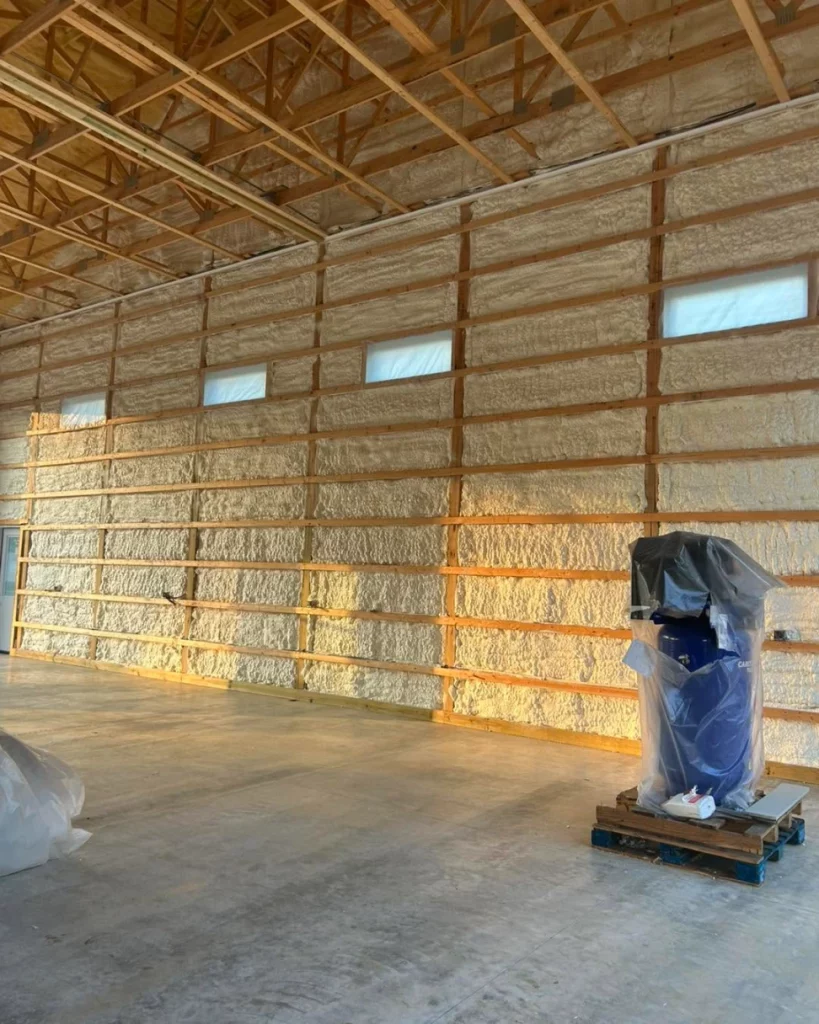
Commercial buildings, particularly those constructed with metal roofing or siding, are incredibly susceptible to interior condensation during extreme temperature swings. We advise utilizing closed-cell spray foam exclusively for these structures. The rigid foam adheres seamlessly to metal, stopping condensation dead in its tracks while adding critical racking strength to the building framework.
For Agricultural and Warehouse Facilities
Pole barns, agricultural storage, and industrial warehouses in South Georgia face intense heat loads. Closed-cell spray foam is the only recommended choice here, as it acts as an impenetrable barrier to both moisture and pests, ensuring inventory, equipment, and livestock remain protected from extreme weather variables.
Signs You’ve Found the Right Approach
Identifying a highly durable insulation strategy requires looking at qualitative indicators during the assessment phase. You know you are on the right track when:
- Comprehensive Moisture Audits: The assessment includes a thorough review of the property’s current moisture levels, rather than just measuring square footage.
- Tailored Solutions: You receive recommendations that clearly distinguish between the need for open-cell and closed-cell products based on specific zones of your property.
- Transparent Timelines and Logistics: You are given clear expectations regarding off-gassing times, ventilation requirements, and precise project completion dates.
- Focus on HVAC Alignment: The strategy takes your current HVAC system’s sizing and ventilation capabilities into account to prevent creating a sealed environment without proper air exchange.
Take the Next Step with the Insulation Experts
Upgrading your property’s thermal envelope requires precision, and premier insulation Spray Foam stands as the expert solution to connect you with top-tier insulation strategies. Whether you need to secure a commercial building or optimize a residential home against the harsh Thomasville climate, we provide the strategic guidance necessary for lasting results.
Company: Premier Insulation
Phone: (229) 554-3939
Email: premiereinsulationga@gmail.com
Secure your property’s energy future today with a team dedicated to exceptional, long-lasting performance.
Frequently Asked Questions
What makes closed-cell spray foam better for Thomasville crawlspaces?
Closed-cell foam is completely water-resistant and acts as a robust vapor barrier. In Thomasville’s highly humid climate, it stops ground moisture from rising into your floor joists, preventing mold, rot, and structural decay.
Can open-cell spray foam be used to block moisture?
No. Open-cell spray foam is breathable and does not act as a vapor barrier. While it is exceptional for blocking air leaks and sound dampening in attics, it should never be used in areas prone to heavy moisture or standing water.
How long does a spray foam insulation system last in extreme weather?
When installed correctly, both open-cell and closed-cell spray foam systems are designed to last the lifetime of the building. They do not sag, settle, or degrade over time like traditional fiberglass or blown-in cellulose.
Will installing spray foam lower my summer air conditioning bills?
Yes. By creating an airtight thermal envelope, spray foam stops conditioned air from escaping and blocks outdoor heat from entering. Property owners frequently experience a 15% to 20% reduction in their monthly energy costs.
Do I need to leave my home during the spray foam installation?
Yes. During the application and curing process, spray foam undergoes a chemical reaction that requires proper ventilation. Occupants and pets must vacate the premises for typically 24 hours to ensure safety during the off-gassing period.
Sources
- Federal Emergency Management Agency (FEMA) – Flood-Resistant Materials Guidelines: https://www.fema.gov
- Department of Energy – Insulation Materials and R-Values: https://www.energy.gov
- Statista – Global Insulation Market and Energy Efficiency Data: https://www.statista.com
- Environmental Protection Agency (EPA) – Indoor Air Quality and Moisture Control: https://www.epa.gov